Why Physical Branding Still Wins Over Digital
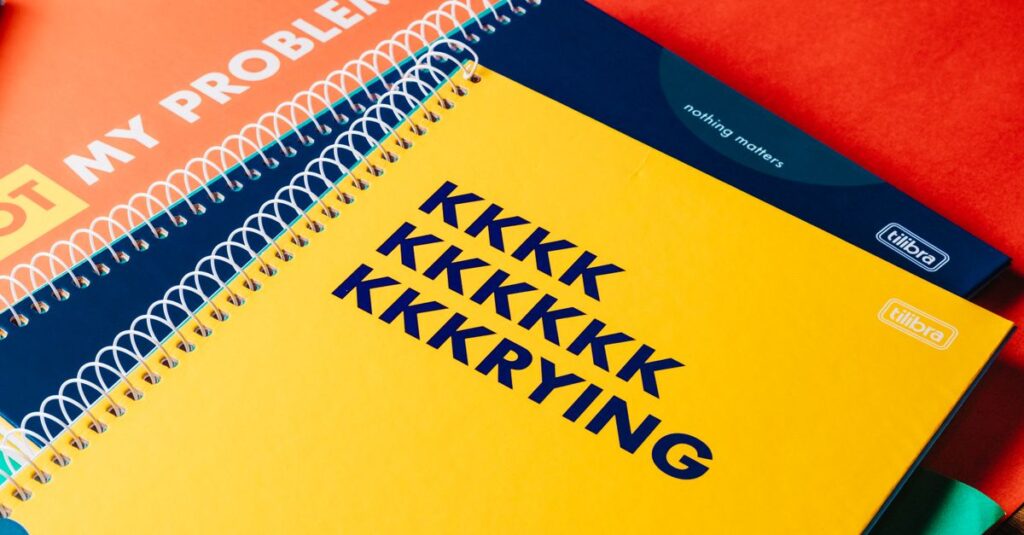
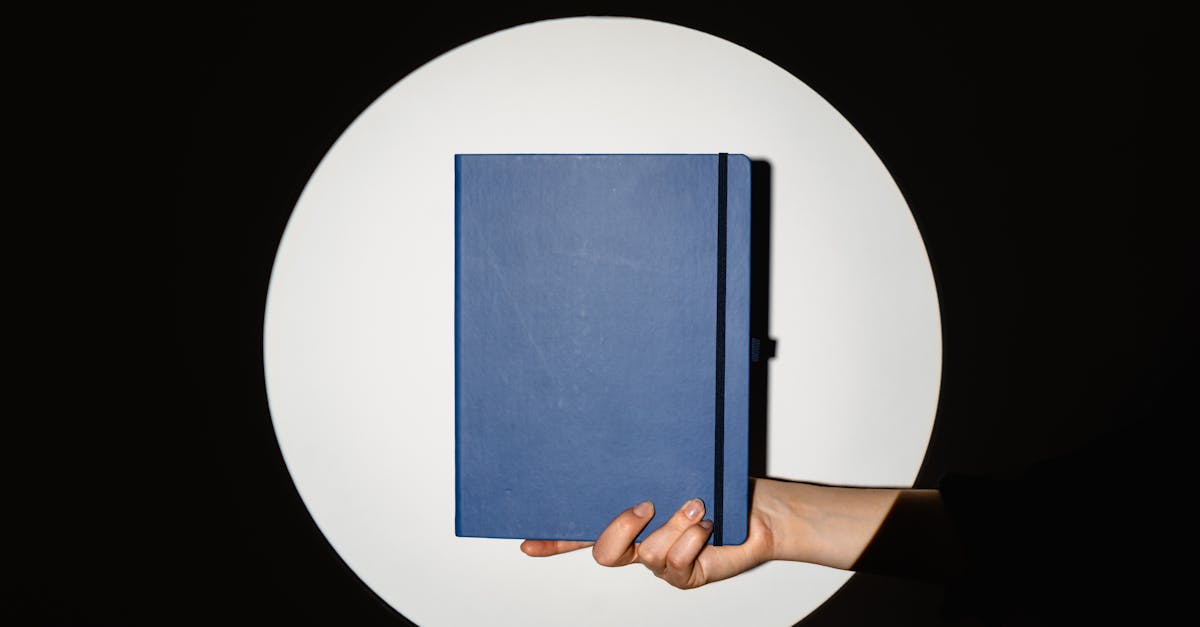
You spend a lot on digital ads. Social media. SEO. But when a client walks into a meeting and you hand them a flimsy notebook with your logo printed crooked — that's the impression they remember. Not your Facebook post. That notebook sits on their desk for months. Every time they pick it up, they see your brand. That's Business Branding Through Premium Printed Materials in action. And honestly? Most companies get this wrong. They go cheap. They think it's just paper. It's not. It's the physical proof of your company's standards.
I was talking to a procurement manager last month — Ravi, 34, from Hyderabad. He ordered 500 diaries for a conference once. Cheap ones. By lunch, the covers were peeling. He said he wanted to crawl under the table. Now he only orders from manufacturers who use at least 200 GSM covers and stitched binding. One bad experience changed everything. And that's the thing — your brand is only as good as the last thing someone touched.
If this sounds familiar, check out what we do at Sri Rama Notebooks.
What Makes a Printed Material 'Premium'
Not every printed notebook is premium. Most are average. Premium means the paper doesn't bleed when you write. The cover doesn't bend after a week. The logo stays sharp, not fuzzy. It sounds basic, but you'd be surprised how many manufacturers cut corners. Here's a quick comparison of the binding types we use — because binding is where most people get it wrong.
| Binding Type | Durability | Best For | Customization | Cost per Unit |
|---|---|---|---|---|
| Stitched | High — pages won't fall out | Notebooks, diaries used daily | Limited — no lay-flat | Medium |
| Spiral | Medium — can bend | Notepads, student notebooks | High — can add tabs, pockets | Low |
| Perfect | Low — pages can detach | Magazines, catalogs | Medium — spine printing | Low |
For corporate branding, I always recommend stitched. It lasts. A spiral bound diary looks cheap in a boardroom. And perfect bound? Honestly, avoid it unless you're printing a one-time report.
Customization Options That Actually Build Brand Recognition
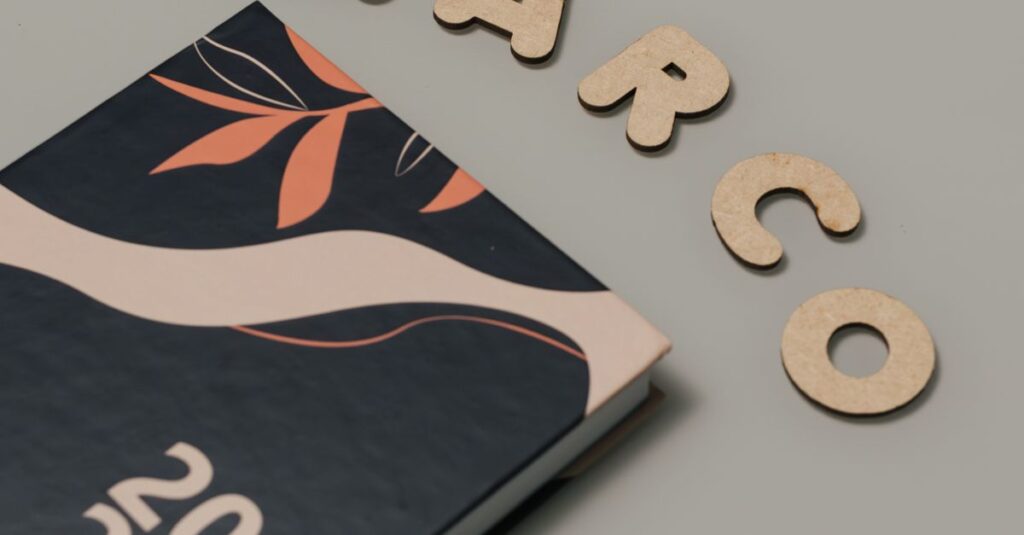
You have more choices than you think. Embossing. Foil stamping. Custom end sheets. Even the color of the stitching thread. But here's the trap: too many options can make you forget the point. The point is consistency. Your logo should look the same on the notebook cover as it does on your website.
Expert Insight
I remember a client from Vijayawada — family-owned business, third generation. He wanted gold foil stamping on every diary. I told him it would look great but might scuff. He didn't care. He said, 'My father built this company on quality. The scuff is proof someone actually used it.' I think about that a lot. We ended up using a thicker foil. It held up well.
- Offset printing for crisp, consistent logos
- Embossing for a tactile feel
- Foil stamping (gold, silver, copper) for premium look
- Custom cover design with your brand colors
- Private label options — your brand name, not ours
The question isn't whether you can customize. It's whether you're willing to invest in something that doesn't get thrown away.
The Hidden Costs of Cheap Branded Stationery
Low GSM paper — under 70 GSM — and your pen bleeds through. Thin covers curl in humidity. Cheap glue and the pages fall out by month two. You save maybe 10 rupees per notebook. But what does that cost you in reputation? A client picks up your diary, pages come loose, and they think: these guys cut corners. They remember that. Not your Powerpoint deck.
Three things happen with cheap prints:
- Logos fade or peel within weeks
- Paper feels rough, cheap to touch
- Binding breaks — usually when someone important is using it
- You end up reordering sooner, killing the savings
And that's the hidden math: cheap materials cost more in the long run because they make your brand look desperate.
How to Choose the Right Manufacturer for Premium Branding
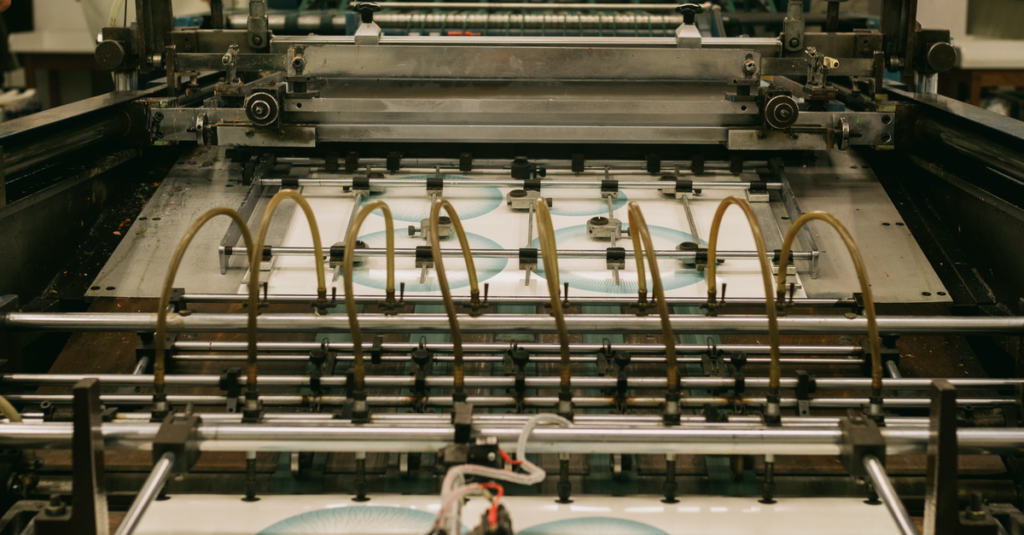
Look, I'm biased. But here's what I'd check if I were a buyer: paper GSM (go above 70), binding method (stitched over perfect), printing process (offset, not digital for bulk). Ask for samples. Hold them in your hand. Does it feel substantial? Or does it feel like a giveaway? Then ask about turnaround — can they deliver 30,000 units in 2 weeks? We can, but not everyone can. And finally, ask about cover customization. If they say no to embossing or foil stamping, run.
For a deeper look at our printing capabilities, see our printing services page.
Frequently Asked Questions
Why are premium printed materials important for business branding?
Premium materials create a physical impression of quality. A well-made notebook with your logo signals that your company pays attention to details. It's a daily reminder for clients and employees, reinforcing brand trust every time they use it.
What types of printed materials are best for corporate branding?
Custom notebooks, corporate diaries, notepads, and account books are top choices. They get used daily and stay visible on desks. Look for durable binding, good paper, and crisp logo printing.
Can I customize the cover and pages of a notebook?
Yes. You can choose cover material, color, embossing, foil stamping, and add custom page layouts. Many manufacturers offer private label options to put your brand on every element.
How many units do I need to order for custom printing?
Minimum order quantities vary. Some manufacturers require 500 to 1000 units, but with us, bulk orders of 1000+ are standard. For smaller runs, expect higher per-unit costs.
How do I choose between stitched, spiral, and perfect binding?
For branding, stitched binding is best — it lasts. Spiral is fine for notepads but looks less premium. Perfect binding is cheaper but can fail over time. Match the binding to the product's intended use and your brand image.
Conclusion
Two things to walk away with: First, premium materials aren't an expense — they're an investment in how people perceive you. Second, the details (paper, binding, printing method) matter more than the logo size. Maybe you don't need 10,000 notebooks. Maybe you need 200 that actually make someone pause. That's Business Branding Through Premium Printed Materials done right. If you're ready to talk specifics, visit Sri Rama Notebooks.