Procurement managers have a tough job. You need quality, consistency, and a price that doesn't make the finance team wince. And somehow you also have to get everything branded perfectly. I've seen people spend weeks on this. Weeks.
Here's the thing — most of the headaches come from not having a systematic approach. You end up chasing samples, miscommunication on specs, and then the delivery date slips. That's why I put together this corporate procurement guide for printing & branding materials. It's not theory. It's what actually works after years of dealing with corporate buyers, school orders, and bulk shipments.
If this sounds familiar, take a look at what we do at Sri Rama Notebooks. We've been at this since 1985.
Why Corporate Procurement for Printing & Branding Is Different from Consumer Buying
When you buy a notebook for yourself, you care about feel, maybe the cover design. When you buy for a company or a school, suddenly you're juggling ten variables at once.
Let me give you an example. I once talked to a procurement officer from a bank in Hyderabad — Ananya, mid-thirties, been in procurement for seven years. She told me how her first bulk order for branded diaries went wrong. The supplier sent the right quantity but the logo was off-center on every single diary. She had to reject the whole lot. The supplier argued it was within tolerance. “Within tolerance” — I still cringe when I hear that phrase.
The difference is this: consumer buying is about preference. Corporate procurement is about specifications. You need exact paper weight, exact binding type, exact print placement. One millimeter off and the whole batch feels wrong. Especially when it's for client gifts or annual reports.
So what should you ask for? First, demand a physical sample — not a digital proof. Second, ask about the binding process. Stitched binding lasts longer than perfect binding for thick diaries. Third, get the GSM of the paper in writing. 54 GSM is standard for writing, but if you want less show-through, go for 70 GSM or higher.
And here's where a manufacturer like Sri Rama Notebooks helps. We give you a spec sheet upfront. No guesswork.
What to Look for in a Printing & Branding Partner
I'd rather be honest here — not every notebook manufacturer can handle corporate branding well. Some have old machinery that misaligns prints. Others use low-grade paper that bleeds ink.
Here's what I check when I'm evaluating a supplier (and you should too):
- Printing precision: Can they do foil stamping? Embossing? Screen printing? Not every factory has all these capabilities.
- Custom cover materials: You might want a matte finish, or a leather-like texture. Some suppliers only offer basic coated paper.
- Private label / OEM: If you want your brand on the back cover, spine, and inside pages — can they handle that without messing up the layout?
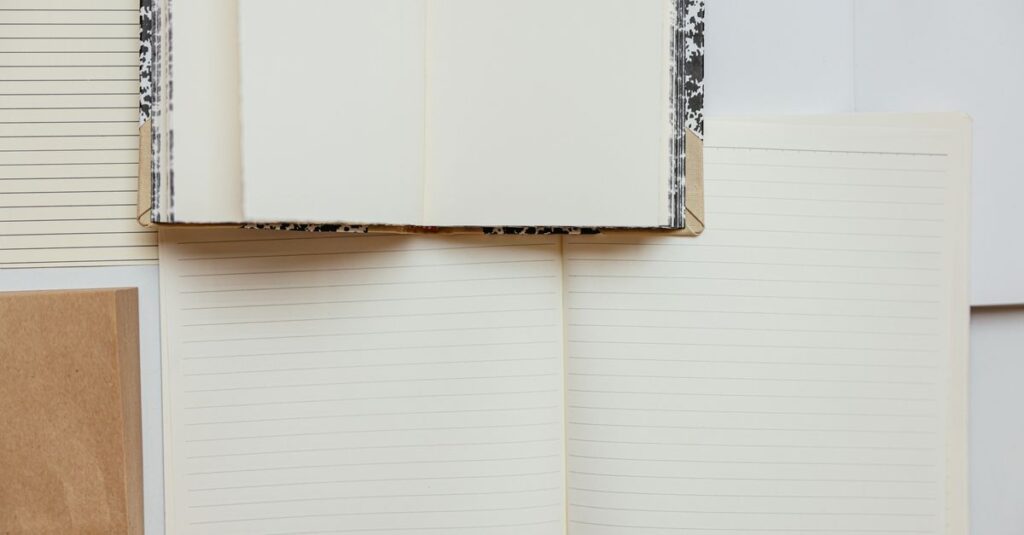
- Binding options: Stitched, spiral, perfect. Each has a different price point and longevity. Spiral is great for diaries that need to lie flat. Perfect binding looks sleek but can crack if overused.
- Lead time consistency: Ask for a production timeline. A 30-day lead time that slips to 45 days can ruin your entire gifting calendar.
I remember a conversation with a distributor from Mumbai — Rajesh, 52, runs a school supply chain. He told me: “The first time I ordered 5,000 notebooks with a school logo, I assumed all factories were the same. I learned the hard way.” He switched to us because we actually answered his emails within a day. Small thing, but it matters.
Look, you don't want to be the person explaining to your CEO why the corporate diaries arrived with a smudged logo. So pick a partner who treats quality as a non-negotiable, not a checkbox.
Common Mistakes When Ordering Custom Printed Stationery
I've seen the same mistakes happen over and over. Let me save you the trouble.
Mistake #1: Not asking about minimum order quantities (MOQs). Some factories require 500 pieces minimum for custom printing. Others, like ours, can do smaller runs. Always confirm before you invest time in design.
Mistake #2: Assuming all paper is the same. Fifty-four GSM is fine for school notebooks. But for a corporate diary that will sit on a desk for a year? You want something thicker — 70 GSM or even 80 GSM. The difference is night and day when someone writes with a fountain pen.
Mistake #3: Ignoring the delivery timeline. I'll say this bluntly — if you order during Diwali season, expect delays. Plan accordingly.
Mistake #4: Forgetting the bleed area. When you send a logo file, leave 3–5 mm margin around it. Otherwise, the printer might crop it. I once had a client who sent a logo that touched the edge — the finished product looked like someone took scissors to it.
These aren't hypotheticals. I deal with these calls weekly. And honestly? Most problems are avoidable with a simple checklist.
Here's a comparison table to help you decide between two common binding options for branded notebooks:
| Feature | Stitched Binding | Perfect Binding |
|---|---|---|
| Durability | High — pages stay in place for years | Medium — can crack after heavy use |
| Lay-flat ability | Yes, especially with thread stitching | No — needs force to stay open |
| Best for | Diaries, annual planners, thick notebooks | Thin notebooks, magazines, catalogs |
| Custom spine printing | Possible but requires precision | Easy — spine is flat |
| Cost per unit (for 500+) | Slightly higher (labour intensive) | Lower (automated process) |
| Lead time | 3–5 days longer | Faster |
Which one should you pick? If your people will use the diary daily for a year, go stitched. If it's a one-time handout at a conference, perfect binding is fine.
Expert Insight: What I Learned from a Lifetime of Printing
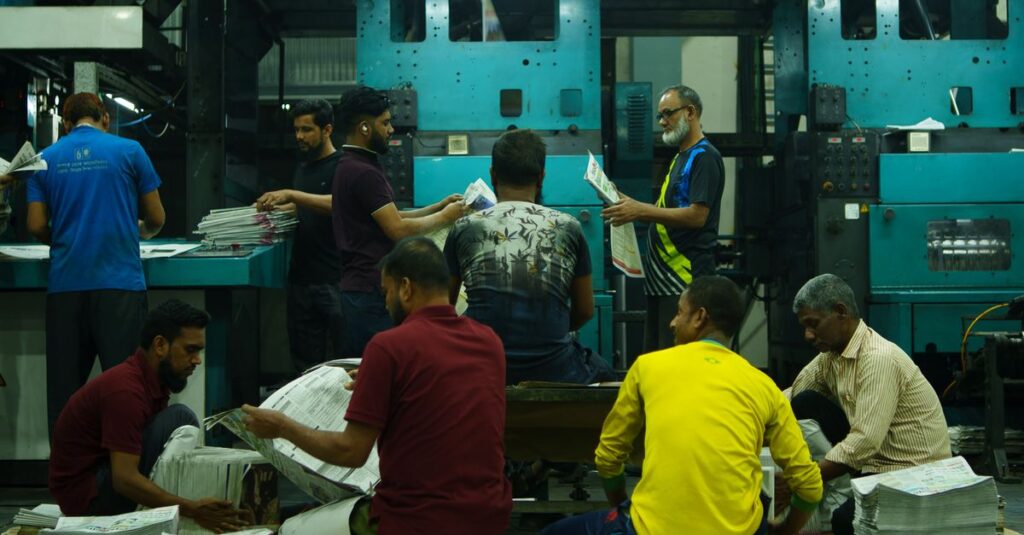
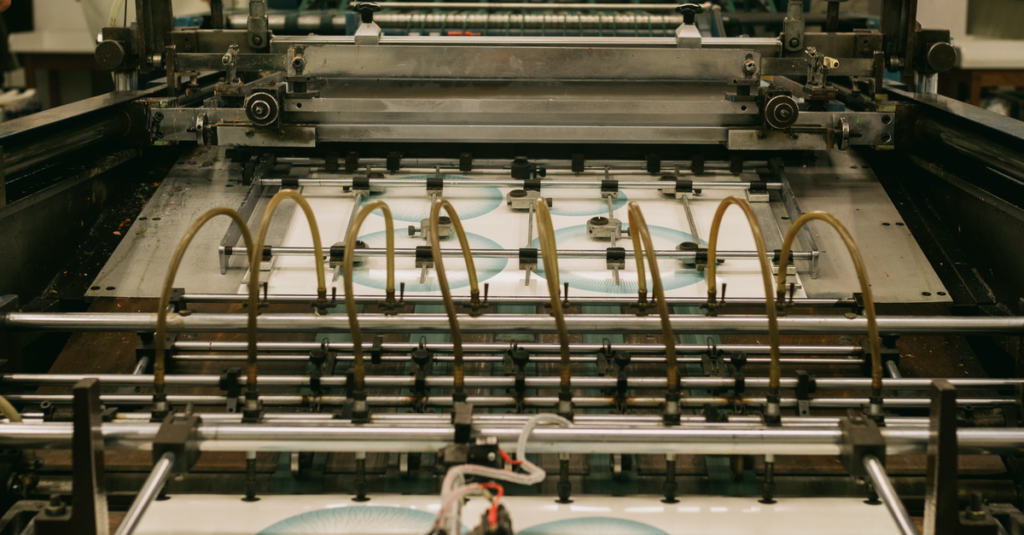
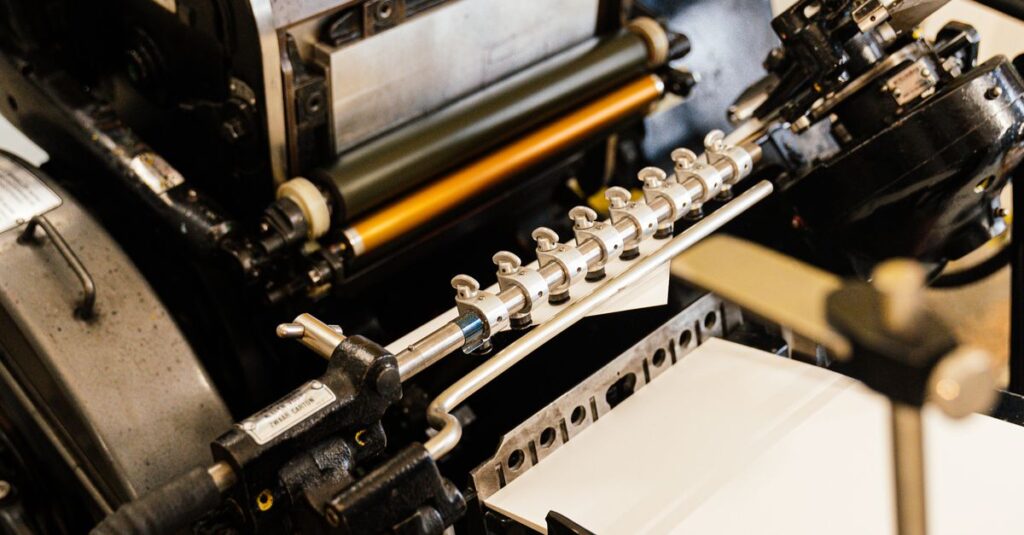
I was standing in our factory floor last month, watching the offset printing press run. The smell of ink, the rhythmic clanking — it's a sound I grew up with. My father started this business in 1985, and I've been around it since I was a kid.
One thing stuck with me. A researcher once said — I can't remember exactly where — that the human eye can detect a misalignment of 0.5 mm in printed text. We don't notice it consciously, but we sense something is off. That's why precision matters. You can't fake it with a good design. The execution has to be there.
We've invested in modern binding lines and digital workflows. But honestly? The secret is the people. The guy who checks every fifth notebook for stitch tightness, the woman who inspects each cover before lamination. They catch things machines miss.
I don't think there's a checklist for that. You just have to work with someone who cares.
How to Evaluate Print Quality Before Placing a Bulk Order
You don't need to be a printing expert to spot bad quality. But you need to know what to look at.
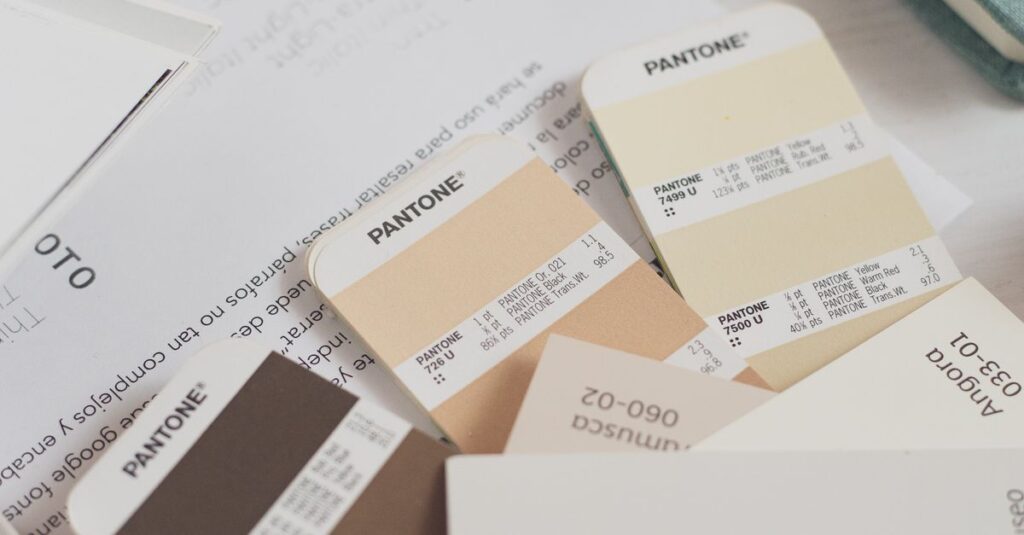
First, grab a sample and hold it under natural light. Check for: ink smudges on the edges? Any color shift in the logo? Is the foil stamping clean or does it have rough edges?
Second, open the notebook at the center. Does the binding allow it to lie flat without popping? If it's stitched, feel the thread tension — too loose and pages will fall out. Too tight and the notebook won't stay open.
Third, write on the paper with a ballpoint pen and a gel pen. Does the ink bleed through to the other side? If yes, request better paper.
Sometimes clients ask me: “Can you send a digital proof?” Sure, but digital proofs don't show paper feel or binding strength. Always ask for a physical pre-production sample before the full run. A responsible supplier will happily send you one.
We do that at Sri Rama Notebooks — because we'd rather you see the product than guess.
Frequently Asked Questions
Frequently Asked Questions
What is the minimum order quantity for custom printed notebooks?
Most manufacturers require 500–1000 pieces for full customization. At Sri Rama Notebooks, we can do smaller runs for private labels depending on the design complexity. Always confirm MOQ before starting.
How long does it take to produce a bulk order of branded diaries?
Typically 25–35 working days for 1,000–5,000 units, including printing, binding, and packaging. Rush orders may be possible but depend on current production load. We recommend planning 45 days ahead.
Can I get a sample before placing a large order?
Yes, absolutely. We send physical samples with your logo printed on the cover and a few interior pages. You pay for shipping only. This helps avoid surprises in alignment, color, or paper feel.
What paper weight is best for corporate diaries that will be written in daily?
Go for 70 GSM or higher. 54 GSM is fine for school notebooks but will show ink bleed with gel pens. For a premium feel, 80 GSM is ideal. Thicker paper also adds weight, so factor that into shipping costs.
Do you offer private label packaging like custom boxes or shrink wrap?
Yes, we can customize packaging — branded boxes, polybags with your logo, shrink wrapping, or bulk carton labels. Tell us your brand requirements, and we'll design packaging that matches your corporate identity.
Conclusion
Corporate procurement for printing and branding materials doesn't have to be a headache. You just need three things: clear specs, a reliable partner, and a willingness to check samples before the full run. Everything else is execution.
I don't think there's a perfect formula. Every order is a little different. But if you've read this far, you already know what matters — you're just making sure it's doable.
If you want a supplier who takes the guesswork out, check out Sri Rama Notebooks. We've been printing and binding since 1985. We still answer our own phones.