What Exactly Is a Rough Register?
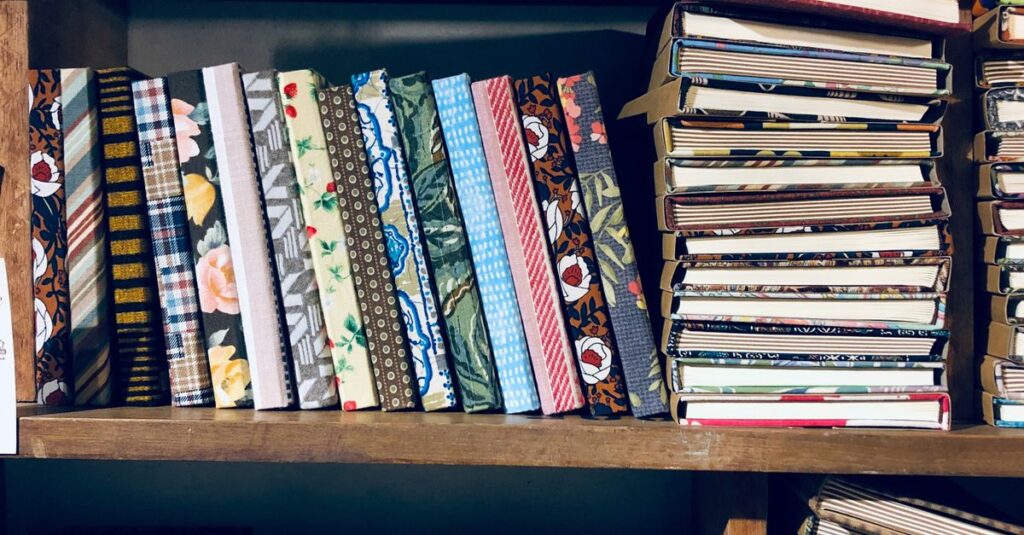
You know that notebook you grab when you don't want to mess up the nice one? The one with scribbles all over, crossed out words, and maybe a coffee stain on the cover. That's a rough register.
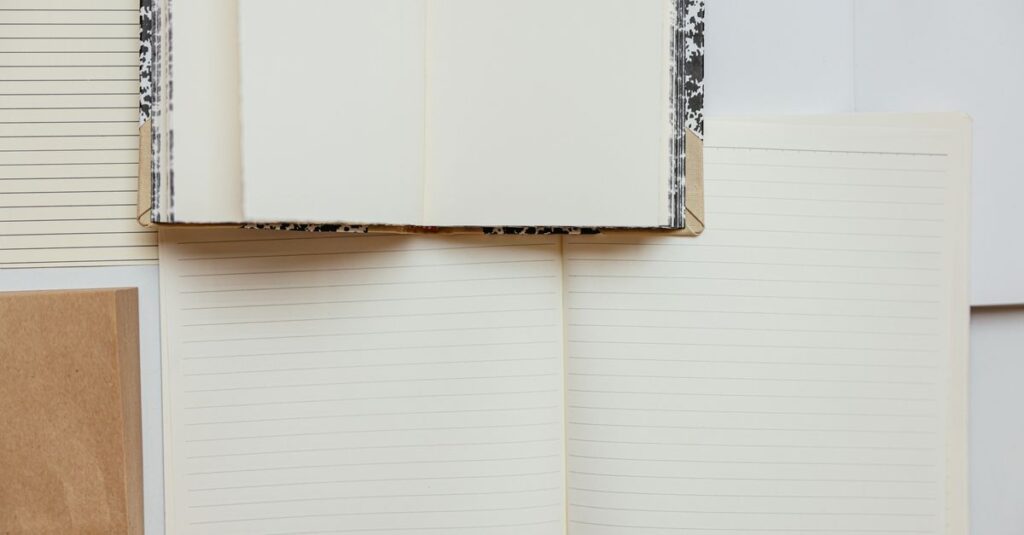
In simple terms, a rough register is a notebook meant for draft work. Calculations that might be wrong. Brain dumps during a meeting. Quick notes that won't make it into the final report. Schools call them "rough books." Offices call them scratch pads. But the concept is the same — throwaway writing that doesn't need to look pretty.
Most people think rough registers don't matter. They're cheap, you throw them away. But I've seen schools order the thinnest paper they could find, and then teachers complained the ink bled through. Kids ended up using three pages for one problem. That's the opposite of saving money.
So when you're buying a rough register in bulk — for a school, a college, or a government office — what should you actually look for? Let me walk you through it. If this sounds familiar, Sri Rama Notebooks has been making these for forty years. We've learned a thing or two.
Who Uses Rough Registers and Why?
Let me give you a real example. Ramesh, 45, teaches mathematics at a government school in Rajahmundry. Every day, he hands out problems to his class of eighty students. They work on rough registers — some are spiral bound, some stapled, some just loose sheets folded in half. One kid used a diary meant for something else.
Ramesh told me last year that the biggest headache wasn't the teaching. It was the fact that half the rough registers his students bought from the local shop had paper so thin you could see the next page's writing through it. Kids got frustrated. They stopped showing their work. That's a real problem.
Here's the thing — rough registers aren't just for students. In corporate procurement, I've seen teams order them for:
- Brainstorming sessions during product development
- Quick calculations during audits
- Drafting letters and memos before typing them
- Taking notes during long conference calls
- Keeping tally of inventory in warehouses
Each use case demands a slightly different rough register. Some need ruled pages. Some need blank. Some need a stitched binding that won't fall apart when you stuff it in a bag. Most people don't think about this until the notebooks start shedding pages. And by then, the damage is done.
Rough Register vs Fair Notebook: A Comparison Table
The biggest confusion I hear from buyers is: what's the real difference between a rough register and a fair notebook? Let me be clear — it's not just the price. Here's a side-by-side look:
| Feature | Rough Register | Fair Notebook |
|---|---|---|
| Paper quality | 54-60 GSM (decent enough to write, no bleeding) | 60-80 GSM (thicker, smoother) |
| Binding | Stapled or simple stitched | Stitched, spiral, or perfect binding |
| Cover | Thin card, often unprinted or one-color | Thick gloss cover, full-color print |
| Ruling | Single ruled or unruled | Multiple ruling options (single, double, four-line) |
| Page count | 32-120 pages, usually fewer | 120-400 pages |
| Intended use | Drafts, calculations, temporary notes | Final work, submission, presentation |
| Price per unit | Lower (but quality still matters) | Higher |
I tell buyers: don't go so cheap on rough registers that the paper tears when you fold it. The savings disappear when a student has to redo an entire problem because the page ripped. Find a balance.
Expert Insight
I remember a phone call from two years ago. A procurement officer from a big school chain in Vijayawada said, "We ordered rough registers from a supplier in Hyderabad. The price was unbeatable. But after two months, the binding burst on half the stack. They refused to replace it." He asked me what paper weight we recommend. I told him 54 GSM minimum. Not fancy. Just strong enough that a pen doesn't poke through. He placed an order with us the next month. Not because we were the cheapest — because we actually told him what would work. That phone call stuck with me. Some suppliers just sell paper. We sell the thing that lets a child learn without frustration.
What to Look for When Buying Rough Registers in Bulk
You're probably reading this because you need to place an order. Maybe for a school, maybe for a government tender, maybe for distribution. I get it. Bulk buying is a different game. Here's what I tell everyone who calls me:
- Paper GSM is non-negotiable. Don't go below 54 GSM. Anything lower feels like newspaper. Kids and adults hate it.
- Check the binding. For rough registers, stitched or stapled is fine. But make sure the stitches don't come undone after ten pages.
- Ruling type. Single ruled works for most math and notes. Unruled for drawing or free writing. Ask your users which they prefer.
- Cover durability. It's a rough register, not a museum piece. But a 200 GSM cover keeps the pages from dog-earing immediately.
- Customization. Even rough registers can carry your school logo or printing. It doesn't cost much per unit, and it stops theft.
And look — I'll be honest. Don't overthink this. The real mistake is not testing a sample before ordering thousands. I've seen buyers sign contracts for fifty thousand notebooks without ever touching a single page. Then they're stuck with an unusable product.
How Sri Rama Notebooks Makes Rough Registers (and Why We Care)
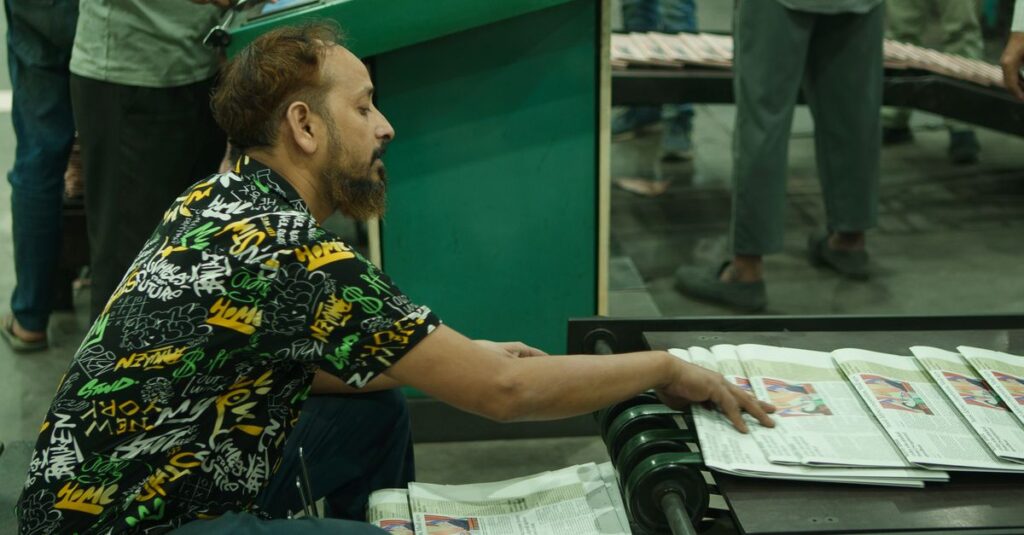
I work at a factory that has been making notebooks since 1985. That's forty years. We make thirty to forty thousand notebooks every day. And yes, a big chunk of that is rough registers. Schools love our single-ruled long notebooks with the simple blue cover. Corporates order our spiral-bound scratch pads with their logo printed in one color.
Why do we care about rough registers, when we could focus on premium diaries? Because a student who uses a good rough register today will remember the brand when they need a real notebook tomorrow. Because a procurement manager who gets a reliable shipment once will call again.
We use 54 GSM paper for our standard rough registers. It's not the fanciest, but it's smooth enough for a gel pen or ballpoint. The covers are 180 GSM card — nothing glossy, but it protects the pages. We stitch them with strong thread, not cheap staples that rust. These are small details. But they make the difference between a notebook that lasts one term and one that falls apart in a week.
And if you need something specific — say, a rough register with 32 pages and a perforated tear-off — we can do that. We've done it for customers in Africa and the Gulf. Check our products or call me directly.
Common Mistakes When Ordering Rough Registers for Schools/Offices
I've been in this industry long enough to see the same errors repeat. Let me save you the headache.
Mistake 1: Buying on price alone. The cheapest rough register often uses 45 GSM paper. It bleeds. It tears. The binding breaks. You end up replacing them twice as often. The real cost is higher.
Mistake 2: Ignoring the ruling. If you order single-ruled registers for a kindergarten class, kids can't use them properly. They need unruled or four-line. Talk to the actual teachers, not just the principal.
Mistake 3: Not requesting a sample. I cannot stress this enough. Even I ask for a sample before I order paper for my own printing line. It takes five minutes.
Mistake 4: Forgetting the packaging. Bulk rough registers often come in strapped bundles. If the plastic wrap is too tight, the covers warp. If it's too loose, dirt gets in. Ask your manufacturer how they pack.
Mistake 5: Overlooking the delivery timeline. A school that orders for the new academic year in June needs delivery by April. Production takes time. Factor it in.
Frequently Asked Questions
What is a rough register used for?
A rough register is used for drafts, calculations, quick notes, and any writing that doesn't need to be neat or permanent. Schools, colleges, and offices use them for practice work, brainstorming, and temporary records. They are also called rough books or scratch pads.
What paper quality is good for a rough register?
For a rough register, 54 GSM paper is a sweet spot. It's thick enough to prevent ink bleeding from pens, thin enough to keep the notebook affordable. Avoid anything below 50 GSM — it tears easily and makes writing unpleasant.
Can I get custom printed rough registers for my school?
Yes, most manufacturers offer customization even for rough registers. You can print the school name, logo, or class details on the cover. Custom ruling and page counts are also possible. Sri Rama Notebooks provides logo printing and private labeling for bulk orders.
How many pages should a rough register have?
It depends on the use. For school students, 64 to 120 pages is common. For office scratch pads, 32 to 64 pages works well. The key is to match the page count with the expected usage period. Thinner registers are easier to carry but need replacement sooner.
Where can I buy rough registers in bulk?
You can buy rough registers directly from established manufacturers like Sri Rama Notebooks. We supply bulk quantities to schools, colleges, government institutions, and distributors across India and internationally. Contact us for pricing and samples: +91-8522818651 or support@sriramanotebook.com.
Conclusion
Rough registers aren't glamorous. But they're the workhorses of every classroom and office. A good rough register saves time, reduces frustration, and actually gets used. A bad one sits in a corner or falls apart. The choice is yours.
I don't think there's one perfect rough register design. Probably there isn't. But if you've read this far, you already know what you're looking for — you just need a manufacturer who won't cut corners on the small things. Sri Rama Notebooks has been that manufacturer since 1985. Give us a call.