What Exactly Are Spiral Binded Books?
Let me just say it — the phrase "spiral binded books" is not grammatically perfect. Should be "spiral bound." But you know what? Nobody searching for them cares about grammar. They care about notebooks that lie flat. Pages that don't rip out. A book that stays open on a crowded desk without you holding it down with one elbow.
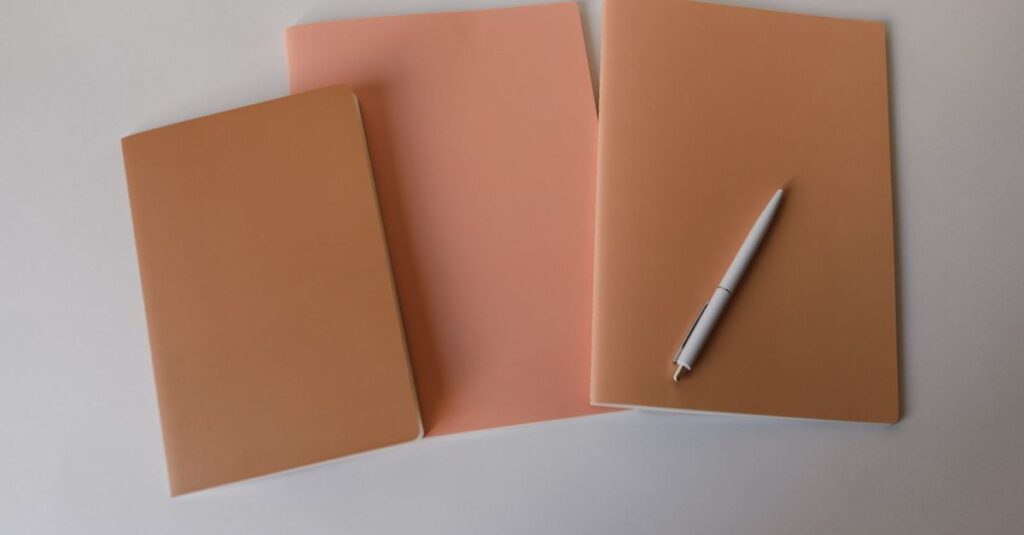
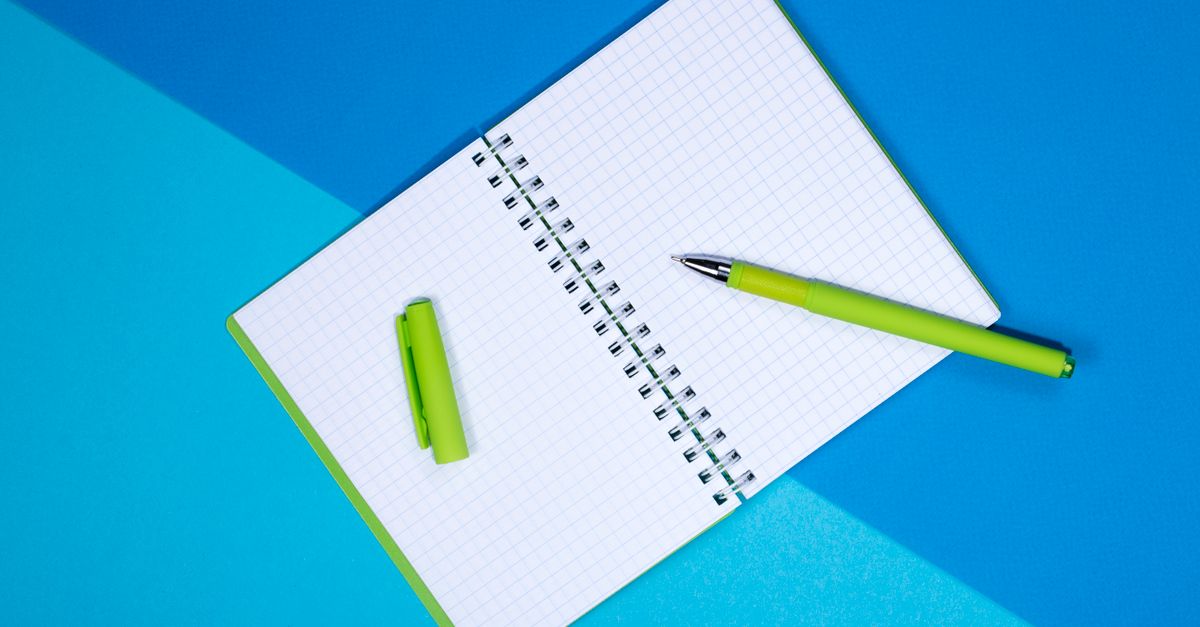
Spiral binding is simple. A metal or plastic coil runs through punched holes along the spine. That's it. No glue. No stitching. Just a coil holding everything together.
The result? A notebook that opens 360 degrees. You can fold the cover all the way back. Tear out a page cleanly if you need to. And the pages stay put — no falling out after two weeks of use.
I've seen procurement managers call us asking for "those books with the wire thing that doesn't break." That's spiral binded books. They just didn't know the term.
If you are ordering stationery for a school or an office, you probably need to understand what makes these different. Your options are at Sri Rama Notebooks.
But here is what nobody tells you about spiral binded books.
Why Schools and Offices Keep Ordering Them
Three years ago, a school in Kakinada called me. Needed 12,000 notebooks for the next academic year. Their old supplier sent them stitched notebooks. By October, kids had pages falling out. Teachers were frustrated.
They switched to spiral binded books the next year. Same budget. Zero complaints.
Here is why spiral binded books work for high-use environments:
- They lie flat — no fighting the spine to write near the margin
- Pages don't fall out — the coil holds each page individually
- Easy to tear — if a student messes up, one page comes out clean
- Durable cover — most use thick cardboard or plastic, not flimsy paper
- Refillable — you can buy just the refill pages, keep the same cover
I remember once we delivered 5,000 spiral binded books to a college in Vizag. The principal called me a week later. Sounding confused. Said "These are actually holding up. We expected some to break by now."
That's the thing. People assume spiral binding is weak. Cheap. But it's the opposite — when done right, it outlasts stitched binding in rough use.
Anyway. That's the practical side. But there is another reason bulk buyers prefer them.
The Hidden Cost Advantage of Spiral Binded Books
Let me be direct. If you are ordering 10,000 notebooks, cost matters. And spiral binded books often cost less than stitched ones. Not dramatically. But noticeably.
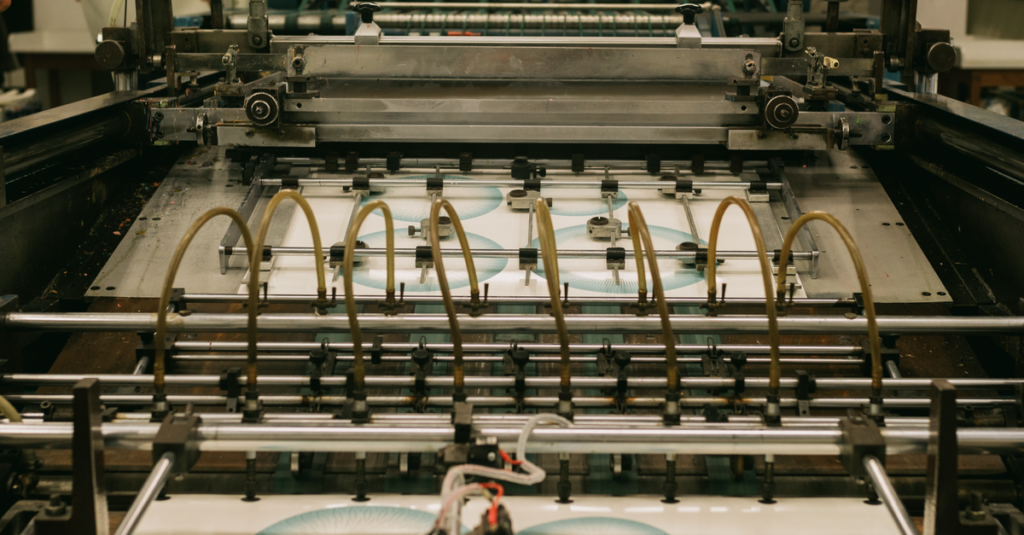
Here is why. Stitched binding takes more labor. Someone has to fold signatures, sew them, glue the spine. It is slow. Spiral binding is faster. A machine punches holes, another feeds the coil. Less human time per book.
Now.
Does that mean spiral binded books are "cheap"? No. It means the money goes to different things. Better paper. Thicker covers. Faster delivery.
| Feature | Spiral Binded Books | Stitched Notebooks |
|---|---|---|
| Lays flat | Yes — fully opens 360 degrees | No — fights to stay open |
| Page removal | Easy — tear out cleanly | Risky — can loosen other pages |
| Durability for rough use | High — coil absorbs impact | Moderate — spine can crack |
| Bulk unit cost | Lower for same paper quality | Higher due to labor |
| Custom logo printing | Easy on thick cover | Possible, but more delicate |
| Refillable | Yes — buy refills separately | No — throw away whole book |
| Best for | Schools, offices, notes, music | Journals, archives, formal use |
I think — and I could be wrong — that most distributors don't explain this difference. They just show catalog prices. But the real savings come from less returns, less complaints, less kids saying "my notebook broke."
The question isn't which binding is "better." It's which one fits your actual use.
What Most Buyers Get Wrong About Spiral Binding
I'll tell you the biggest mistake I see. People think all spiral binded books are the same. They're not. Not even close.
There are two kinds of spiral coils — wire and plastic. Wire is stronger. Holds shape better. Doesn't snap in a bag. But it can bend if someone sits on it. Plastic is lighter, cheaper, comes in colors. But it cracks in cold weather and snaps if twisted.
Here is something I learned the hard way. A customer in Hyderabad ordered 20,000 spiral binded books. Plastic coils. He stored them in a warehouse without AC. Summer in Hyderabad — 45 degrees. The plastic coils expanded, then shrank at night. Pages went loose. Looked terrible.
Wire coils would have held.
So if you are ordering for a region with extreme temperatures? Go wire. Every time.
Another thing. The paper matters more than the binding. I know that sounds obvious. But procurement managers sometimes focus on the coil and forget the paper. A beautiful spiral binded book with 40 GSM paper will tear when you write on it. The binding doesn't fix bad paper.
We use 54 GSM at our factory. It holds ink well. Doesn't bleed through. Takes erasing without tearing. That's the baseline for anything useful.
Look, I've been doing this for decades. And what I notice is — the buyers who ask the right questions get better products. The ones who just say "give me the cheapest spiral notebooks" end up disappointed. Then they blame spiral binding. It's not the binding. It's the corners they cut.
Expert Insight
I was reading something last month — I can't remember the exact source — about how spiral binding was originally invented for musicians. Sheet music needs to stay open on a piano stand. You cannot have pages flipping closed mid-song. So someone designed the coil. And it worked perfectly. Then schools realized "hey, this works for kids too." Funny how necessity drives design. We still manufacture spiral binded books for music schools today. Same principle. Not much has changed in fifty years.
Customisation Options That Actually Matter
You can put your logo on a spiral binded book. Big deal, right? Every supplier offers that. But what matters is where the logo goes and how it stays.
Here are the options that actually make a difference for bulk orders:
- Full cover print — your design on the front, spine area, sometimes back
- Foil stamping — shiny metallic logo. Looks premium. Costs a bit more.
- Embossing — raised logo. Feels expensive. Schools with crests love this.
- Private label — your brand name, your design, we manufacture and ship blank
- Custom ruling — specific line spacing, margin widths, colored lines
One of our clients — a corporate gifts distributor in Dubai — orders spiral binded books with foil-stamped logos on leather-textured covers. Each unit costs them about 40 rupees. They sell them to companies for 250 rupees as "premium executive notebooks."
Same spiral binding. Same paper. Just better cover and packaging.
So if you are planning to customize, think about who will use it. A school needs durable covers and clear ruling. A corporate client wants something that looks good on a desk. Both want spiral binding. But the execution is different.
Which brings me to the next thing — an actual story from someone who ordered from us.
A Real Example: Manoj From Visakhapatnam
Manoj, 34. Runs a stationery distribution business in Visakhapatnam. Supplies to about 60 shops across Vizag and Anakapalli. He came to us three years ago with a problem.
His customers were asking for spiral binded books but he couldn't find a supplier who delivered consistently. One month the coils were loose. Next month the paper was different shade. Next month delivery was late.
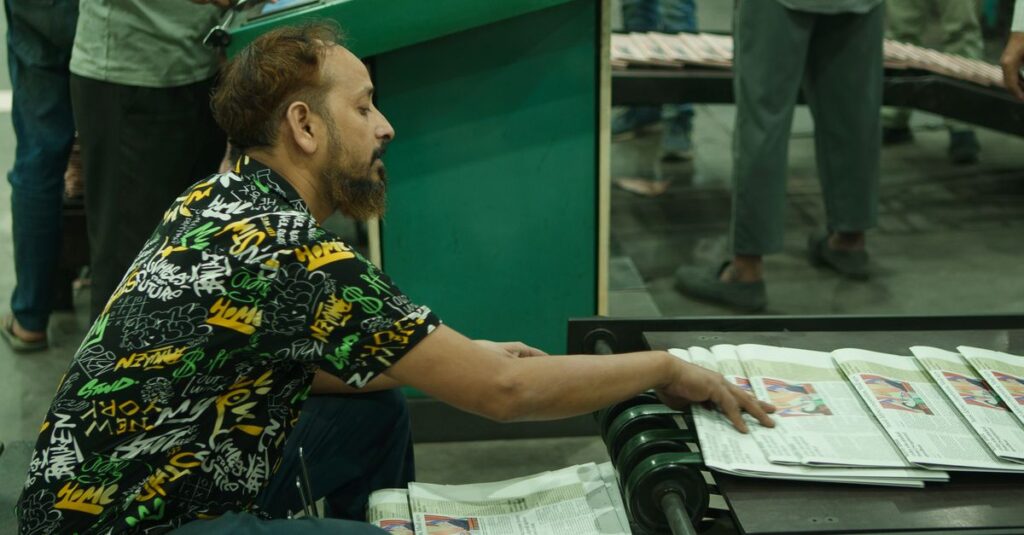
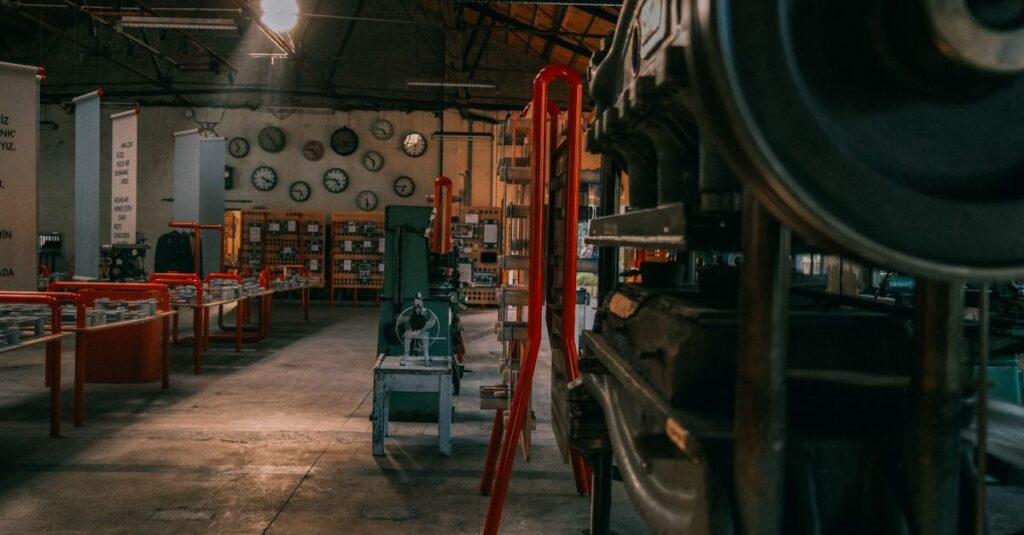
He visited our factory in Rajahmundry. Walked through the production floor. Saw the coils being fed, the covers being printed, the QC checking every batch.
He told me later — "I just needed to see it once. After that I knew I could trust the product."
He now orders 8,000–10,000 spiral binded books every quarter. His shopkeepers don't complain anymore. He says the only calls he gets now are re-orders.
I don't share this as a marketing story. I share it because reliability is rare in this business. And that's what buyers are actually paying for — not just paper and wire.
Frequently Asked Questions
Are spiral binded books durable for school use?
Yes, when made with wire coils and 54 GSM paper or higher. They handle rough handling better than stitched notebooks because the coil absorbs impact. Plastic coils are less durable in extreme heat.
Can I print my company logo on spiral binded books?
Absolutely. Spiral binded books have thick covers that take full-color printing, foil stamping, or embossing. Many corporate buyers order them as branded diaries for clients and employees.
What sizes are available for spiral binded books?
Common sizes include A4, A5, Long, Short, and King. We manufacture all standard sizes at our factory. Custom sizes are possible for bulk orders — just discuss dimensions with the production team.
How many pages can a spiral binded book hold?
Spiral binding works well for 52 to 300 pages. Beyond that, the coil may struggle to hold the weight. For thicker books, perfect binding or stitched binding is usually a better choice.
Do you export spiral binded books internationally?
Yes. We export to Gulf countries, Africa, the USA, UK, Europe, and Australia. We handle all packaging and shipping documentation. Contact us with your quantity and destination for a quote.
So Here Is Where I Land
Spiral binded books aren't the right choice for everything. If you need an archival journal that lasts fifty years, get stitched binding. If you need a notebook that stays on a shelf without bending, get hardcover perfect binding.
But for daily use? School. Office. Music. Notes. Meetings. Spiral wins. It is practical. It is cost-effective. And it holds up better than people give it credit for.
I don't think there is one perfect type of notebook. Probably there isn't. But if you have read this far, you already know what your use case is. You are just looking for a manufacturer who delivers consistently. That is harder to find than you think.
If you want to talk about your next order — small batch or container load — our team at Sri Rama Notebooks can help.