Look, I'll be honest. When someone asks me about notebooks, they usually want something cheap and fast. But then they use a spiral binding note book, and suddenly nothing else feels right. It lays flat. You can fold the cover back. Pages don't fall out after three months. That's the thing about spiral binding — it's not fancy. It just works. And for anyone ordering notebooks in bulk — schools, offices, distributors — that matters more than you'd think. If you're tired of notebooks that fall apart by mid-semester, Sri Rama Notebooks makes the real thing.
What Exactly Is a Spiral Binding Note Book?
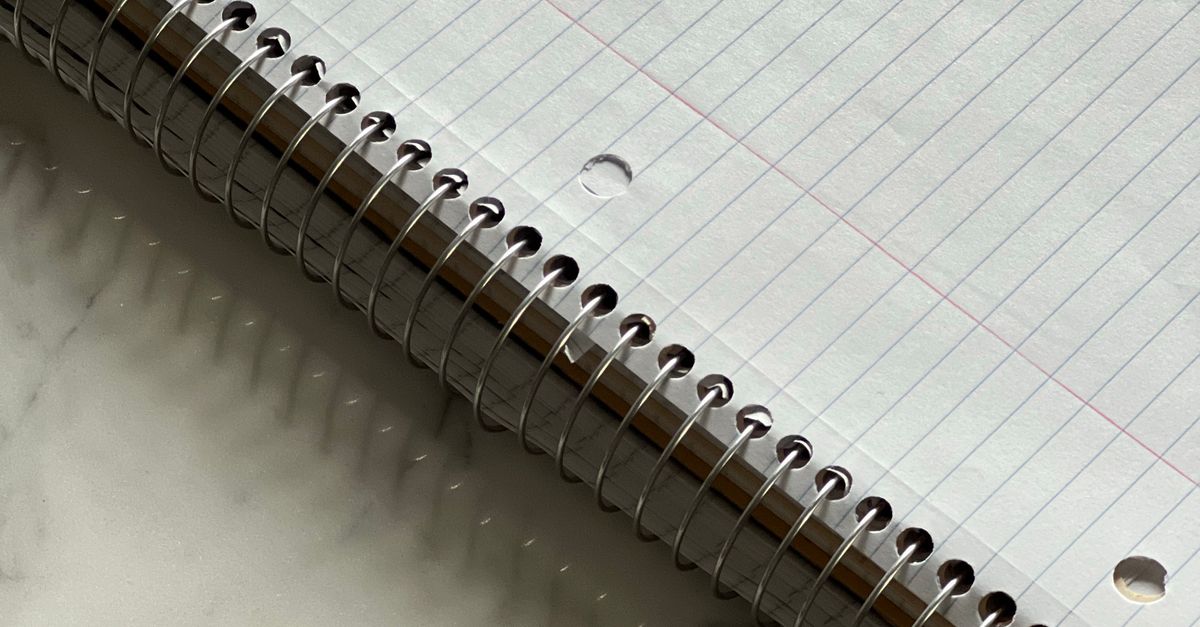
Spiral binding note book — the name says it all. A metal or plastic coil runs through punched holes along the edge, holding the pages together. You can turn pages 360 degrees. No crease in the spine. No pages flapping when you write near the center. It's not a new invention — been around for decades. But the quality difference between a cheap spiral notebook and a well-made one? Night and day. Most people don't think about the gauge of the wire, or the distance between holes, or the paper weight. But those small things decide whether your notebook survives a year or a week.
I've seen schools order spiral binding note books with flimsy covers and 52 GSM paper. Pages tear before the term ends. Terrible. That's not a good deal — that's a headache waiting to happen.
What to look for: wire gauge (thicker is better), cover board thickness (at least 450 GSM), and paper GSM (70+ for writing). Don't just go by price.
What Most People Get Wrong About Spiral Binding
Here's the thing. Everyone thinks spiral binding is the weakest option. “It's just a wire, it'll bend.” And yes — if you buy the cheapest one, it will. But a properly made spiral binding note book? That thing is tough. I've dropped them, stuffed them in bags, left them in rain. The issue isn't the binding method — it's the manufacturing quality.
Three things go wrong most often:
- Wire is too thin — bends after a few months
- Holes are punched too close to the edge — pages tear
- Paper is too low GSM — bleeds through
None of these are problems if you work with a manufacturer who knows what they're doing. I'm not saying that to pitch ourselves. I'm saying it because I've seen the same complaints from procurement managers for years. And the fix is simple: don't buy the cheapest option from an unknown supplier.
Spiral vs Stitched vs Perfect Binding: Which One for Bulk Orders?
The reason most bulk buyers regret their choice isn't the binding style — it's that they didn't check the wire gauge, cover thickness, or paper weight before placing an order that they can't cancel. That's the killer. And we see it all the time.
| Feature | Spiral Binding | Stitched Binding | Perfect Binding |
|---|---|---|---|
| Lays flat | Yes | No | Partly |
| Durable for heavy use | Very | Moderate | Low |
| Pages can be removed | Yes (tear along perforation) | No | No |
| Cost for bulk orders | Medium | Low | High |
| Best for | Students, professionals, daily use | School notebooks, cheap | Diaries, premium |
Spiral is the middle ground — not the cheapest, but not the most expensive. For bulk orders, it gives the most flexibility. But you have to get the wire right.
Expert Insight
I remember a call from a distributor in Chennai — must have been 2019. He said his customers kept returning spiral notebooks because the wire popped out. I asked him to send one over. The coil was 24 gauge — basically a paperclip. We make ours with 18 gauge wire. That's the difference. I don't have a fancy study to quote. I just know that if you use thicker wire and punch holes properly, the notebook lasts. The industry doesn't talk about wire gauge enough. But it's the single thing that matters most. At least in my experience.
What a Bulk Buyer Told Me Last Month — A Real Story
Ravi, 34, works as a procurement manager for a chain of schools in Hyderabad. He ordered 10,000 spiral binding note books from a supplier in Delhi. Three months later, he had 2,000 complaints. Covers bent, wires snapped, pages fell out. He called me frustrated. “I thought spiral was supposed to be durable,” he said. I asked what GSM the cover was. He didn't know. That's the thing most buyers miss. If you're ordering in bulk, you need to specify board thickness, wire gauge, paper quality. Ravi switched to us after that. Not because we're cheaper — because we actually tell him what he's getting. Which is… a lesson most buyers learn the hard way.
How to Order Spiral Binding Note Books in Bulk Without Regretting It
If you're a procurement manager or distributor, here's my advice. Don't just ask for “spiral binding note book.” Ask for specifics:
- Wire gauge — minimum 18 gauge for long life
- Cover board — minimum 400 GSM
- Paper — 60 GSM or higher for writing
- Punch hole distance — even spacing, no ragged edges
- Warranty — ask what happens if 5% fail
Most suppliers won't give you these details upfront. That's a red flag. We do because we've been making notebooks since 1985, and we know what holds up. Check our spiral binding note book options here — specifically for bulk orders.
Frequently Asked Questions
What is a spiral binding note book?
It's a notebook bound with a metal or plastic coil that passes through punched holes along the edge. Pages can turn 360 degrees and the book lays flat when open. Common for students and professionals who write a lot.
Is spiral binding more durable than stitched binding?
Depends on quality. A well-made spiral binding note book with thick wire and sturdy cover can outlast a stitched notebook with thin paper. Stitched notebooks are cheaper but don't lay flat. Spiral is better for daily use.
Can I customize a spiral binding note book with my company logo?
Yes. Most manufacturers offer custom cover printing, logo embossing, and even custom page layouts. You can choose cover color, paper type, and ruling. For bulk orders, customization is usually free or discounted.
What paper GSM is best for a spiral binding note book?
70 GSM is the sweet spot for writing without bleed-through. 60 GSM is acceptable for light use. Below 60 GSM, ink will show through. For premium notebooks, 80 GSM or higher is recommended.
How do I order spiral binding note books in bulk from India?
Contact manufacturers directly. Look for ones with export experience and factory capacity. Ask for sample before bulk order. Specify wire gauge, cover board, paper GSM, ruling type, and quantity. Most Indian manufacturers ship worldwide.
Final Thoughts — Honestly
I don't think there's a perfect notebook. But a spiral binding note book done right comes close. Two things matter most: the wire and the paper. Everything else is hair-splitting. If you're buying for a school or office, don't compromise on those. You'll save money now but pay later with complaints. That's not a good trade. If you want to see what a proper spiral binding note book looks like, Sri Rama Notebooks has been making them for decades. We don't cut corners — and honestly, I think you can tell.