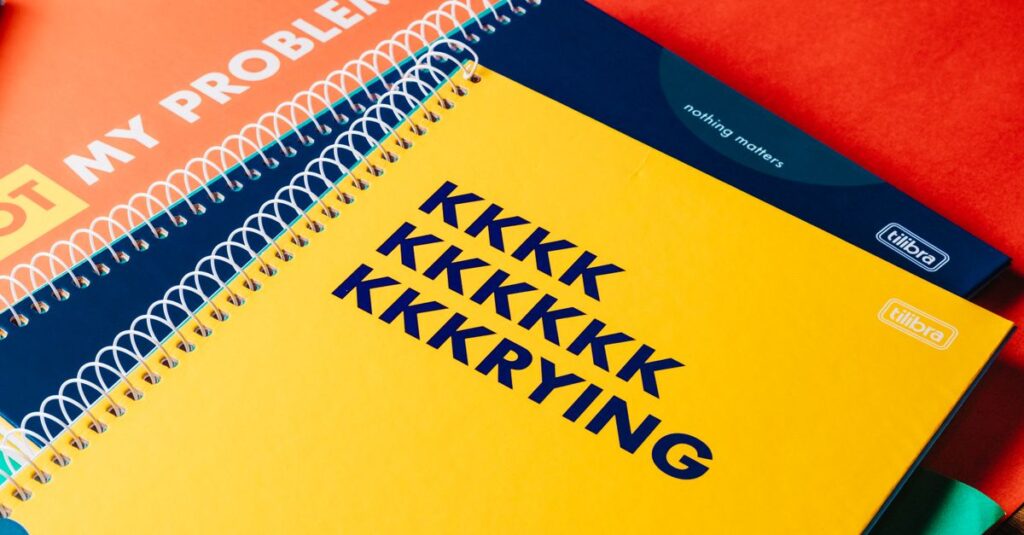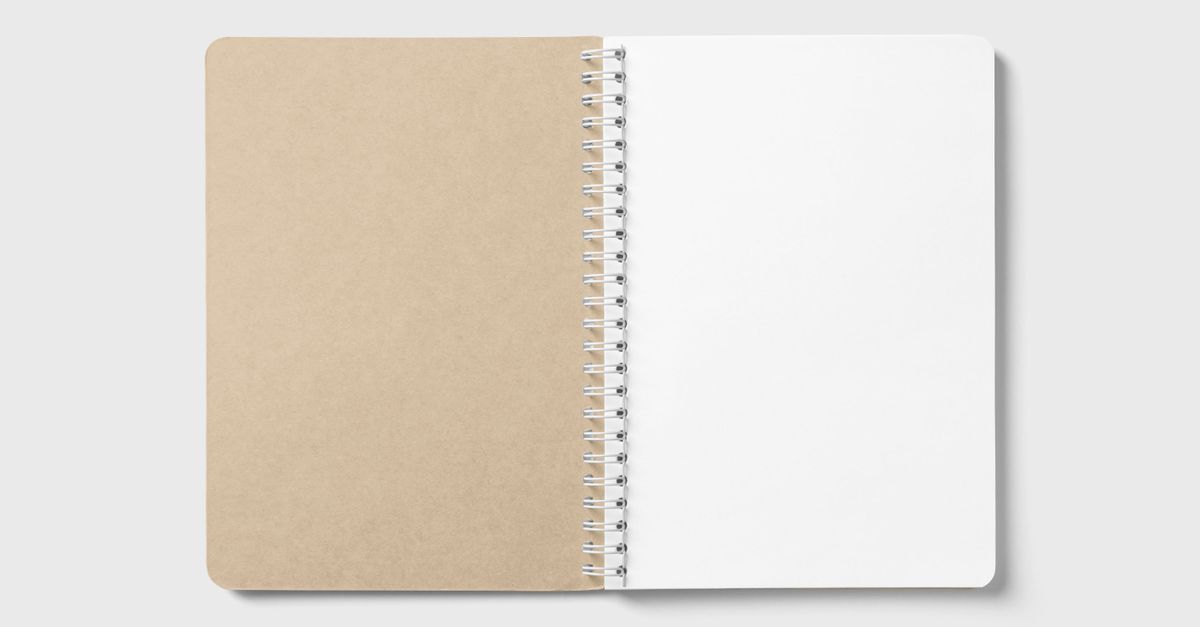
So What Exactly Is a Spiral Diary?
Let me start with something honest. Most people don't think about their diary until they need one. And then suddenly — it matters. The paper. The binding. Whether it lies flat when you open it. I've been in this business long enough to know that a spiral diary is usually what people reach for when they want something that doesn't fight back. You open it. It stays open. You write. That's it.
A spiral diary is basically a notebook bound with wire coils that go through punched holes along the edge. Sounds simple, right? But the difference between a good one and a bad one is night and day. Cheap spirals bend. Pages tear out. The whole thing falls apart by page 40. A well-made one? It lasts till the last page. And then some.
If you're buying in bulk — for a school, a corporate event, or a government tender — you need to know what you're actually getting. Not just the word “spiral” on the box. I'll walk you through it. And if this sounds like something you deal with regularly, Sri Rama Notebooks has been making these for nearly four decades.
How a Spiral Diary Is Actually Made
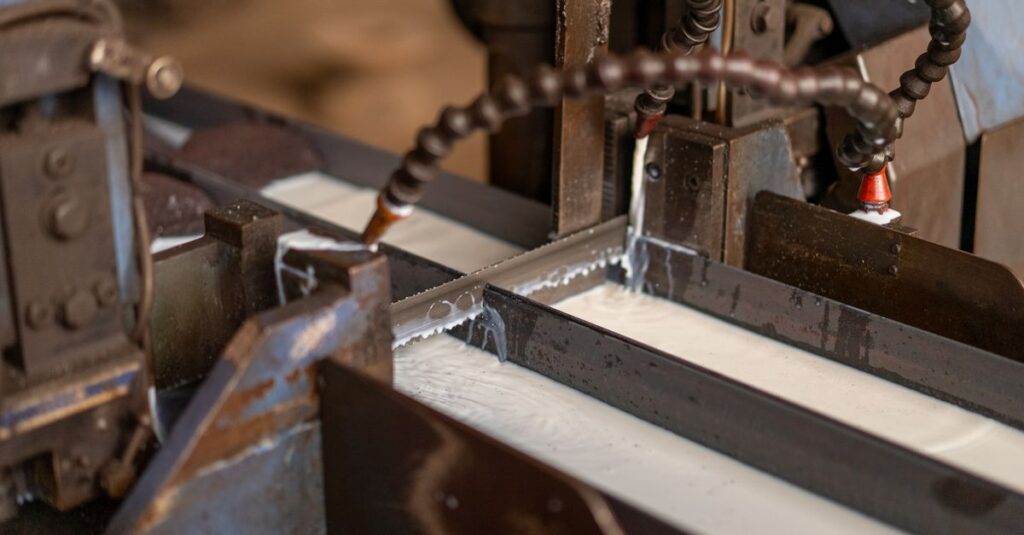
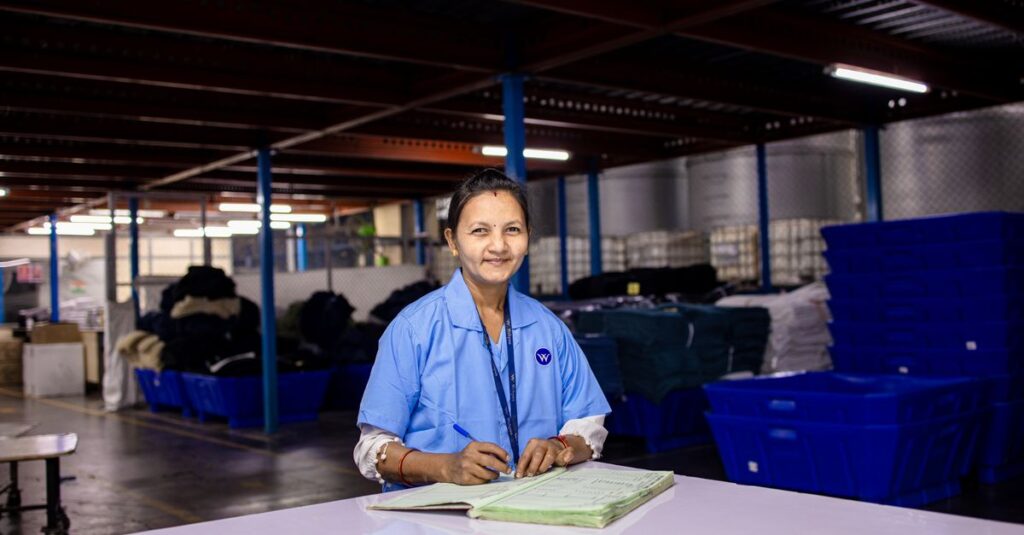
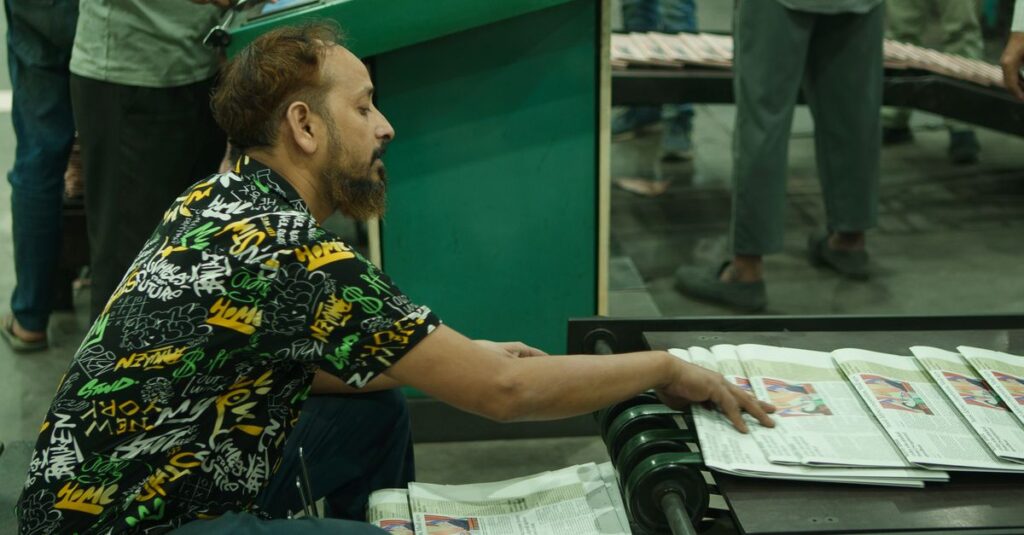
I remember walking through the factory floor last year — it was a Tuesday, I think — and watching a batch of 10,000 spiral diaries move through the binding line. There's a rhythm to it. The paper gets cut. The covers get printed. Then comes the punching machine — that's where the holes go in. And then the spiral wire gets threaded through, coil by coil.
Here's what most people don't realize. The wire isn't just pushed through. It's spun in. Like a screw. That's what keeps it tight. If the wire is just threaded loosely, the diary will start falling apart within weeks. I've seen it happen with cheaper imports. Not pretty.
Key Parts of a Spiral Diary
- Cover material — usually 250–300 GSM paperboard, sometimes laminated for durability
- Inner paper — 54 to 70 GSM, depending on whether it's for writing or sketching
- Spiral wire — coated steel or plastic, gauge varies by page count
- Punch holes — must align perfectly or pages won't turn smoothly
- Back cover — often thicker than front, gives the diary structure
The thing is — you can't judge a spiral diary by looking at the front cover. The real quality is in the binding. Always. I'll say that again because it matters: the binding is everything.
Spiral Diary vs Stitched Diary — Which One Should You Pick?
This is the question I get most often from procurement managers. And honestly? There's no single answer. It depends on how the diary will be used. But let me break it down so you can decide without guessing.
| Feature | Spiral Diary | Stitched Diary |
|---|---|---|
| Lays flat when open | Yes — completely flat | No — needs breaking in |
| Pages can be removed | Yes — tear out cleanly | No — pages are sewn in |
| Durability for rough use | Good, but wire can bend | Excellent — very tough |
| Best for | Students, meetings, daily notes | Journals, archives, long-term use |
| Customization ease | Easy — covers print well | Easy — but binding takes longer |
| Cost for bulk orders | Lower — faster to produce | Slightly higher — more labor |
I've seen schools order spiral diaries for every student because they're cheaper and easier to use. And I've seen corporate clients choose stitched diaries because they look more “premium.” Neither is wrong. But if you're buying for daily use — classrooms, meetings, field work — the spiral diary wins every time. It's just more practical.
What to Check Before Ordering Spiral Diaries in Bulk
Look, I'll be direct. Not every manufacturer makes a good spiral diary. I've had clients come to me after bad experiences — pages falling out, spirals poking through bags, covers peeling off by week two. It's frustrating. And it wastes money.
So here's what I tell everyone who asks. Check these three things before you place a bulk order:
- Wire gauge and coating. Thin wire bends. Uncoated wire rusts. Ask for coated steel — it lasts.
- Paper GSM. 54 GSM is standard for school diaries. 70 GSM is better for corporate use. Anything below 50 GSM and you'll see ink bleed through.
- Punch alignment. This is the one nobody checks. If the holes don't line up perfectly, the pages won't turn smoothly. And that's a nightmare for daily use.
I was talking to a distributor from Hyderabad last month — over chai, actually — and he told me he lost a contract because the spiral diaries he supplied had misaligned holes. The school complained. He had to take the whole batch back. That's a loss nobody needs.
Expert Insight
I remember reading something years ago — I think it was from a paper manufacturer in Coimbatore — about how spiral binding actually affects writing behavior. The researcher said something like: when a notebook lies flat, people write more. Not better. Just more. Because there's no resistance. No fighting with the spine. I don't have the exact study anymore, but I've seen it play out in real life. Students fill spiral diaries faster. Sales teams go through them quicker. There's something about the ease of use that makes you keep writing.
Customizing Your Spiral Diary — What's Possible?
This is where things get interesting. A plain spiral diary is fine. But a customized one? That's where you get real value — especially for corporate gifting or school supplies.
At our facility, we can print logos, add foil stamping, emboss covers, and even design custom page layouts. I've seen companies order spiral diaries with their brand colors on the cover and their mission statement printed inside the front page. Schools often want the school name and emblem on the cover, with custom ruling inside — four lines for younger kids, single line for older ones.
Here's a quick list of what you can customize:
- Cover design and color
- Logo printing (offset or digital)
- Foil stamping and embossing
- Page count (from 52 to 320 pages)
- Ruling type (single, double, four-line, graph, unruled)
- Paper GSM
- Spiral color (black, white, or colored plastic)
The key is to plan ahead. Customization takes time — usually 2 to 3 weeks for bulk orders. But the result is worth it. A branded spiral diary doesn't just get used. It gets seen. By everyone the user meets.
Real Story: How One School Saved Money With Spiral Diaries
Let me tell you about a real situation. A school in Visakhapatnam — let's call it St. Mary's — used to order stitched notebooks for all 2,000 students. Every year. The cost was high. And the kids complained the notebooks wouldn't stay open.
The procurement head, a woman named Anjali, called me last April. She was frustrated. She said, “I'm spending too much and the teachers are unhappy.” We talked for about 20 minutes. I suggested she try spiral diaries instead — same page count, same paper quality, but spiral bound.
She ordered a trial batch of 500. The teachers loved them. The students actually finished their notebooks — which never happened before. She switched the entire school order the next year. Saved about 18% on cost. And the kids wrote more. That's the part I still think about.
Frequently Asked Questions
Frequently Asked Questions
What is a spiral diary used for?
A spiral diary is used for daily note-taking, journaling, school work, and office meetings. Its main advantage is that it lies flat when open, making it easy to write on both sides without holding the pages down.
Can I get a spiral diary with my company logo?
Yes. Most manufacturers offer logo printing, foil stamping, and embossing on spiral diary covers. You can also customize the inside pages with your branding or specific ruling types. Bulk orders usually have a minimum quantity for customization.
How many pages does a typical spiral diary have?
Spiral diaries commonly come in 52, 92, 200, 240, and 320 pages. The page count depends on the wire gauge — thicker wire can hold more pages. For school use, 92 to 200 pages is standard. Corporate diaries often have 200 to 320 pages.
Is a spiral diary better than a stitched notebook?
It depends on the use. A spiral diary is better for daily writing because it lies flat and pages can be removed easily. Stitched notebooks are more durable for long-term storage. For students and office use, spiral diaries are usually more practical.
Where can I buy spiral diaries in bulk?
You can buy spiral diaries in bulk from manufacturers like Sri Rama Notebooks, based in Rajahmundry, India. They produce 30,000–40,000 units daily and offer customization, private labeling, and export to Gulf, Africa, USA, UK, and Europe.
Final Thoughts — Not a Conclusion, Just a Pause
I don't think there's one perfect spiral diary for everyone. Probably there isn't. But if you've read this far, you already know what matters — the binding, the paper, the customization options. You're not looking for a generic product. You're looking for something that works. For your students. Your team. Your clients.
The question isn't whether a spiral diary is better. It's whether you're getting one that's made right. And that's a question only a reliable manufacturer can answer.
If you want to talk specifics — page counts, pricing, custom covers — Sri Rama Notebooks has been doing this since 1985. We know what works.