What Exactly Is Thesis Hard Binding?
Let me be direct with you. If you're searching for "thesis hard binding," you're probably not a student printing one copy at a local shop. You're likely someone who needs to order dozens — maybe hundreds — of bound documents. And you've realized that not all binding is the same.
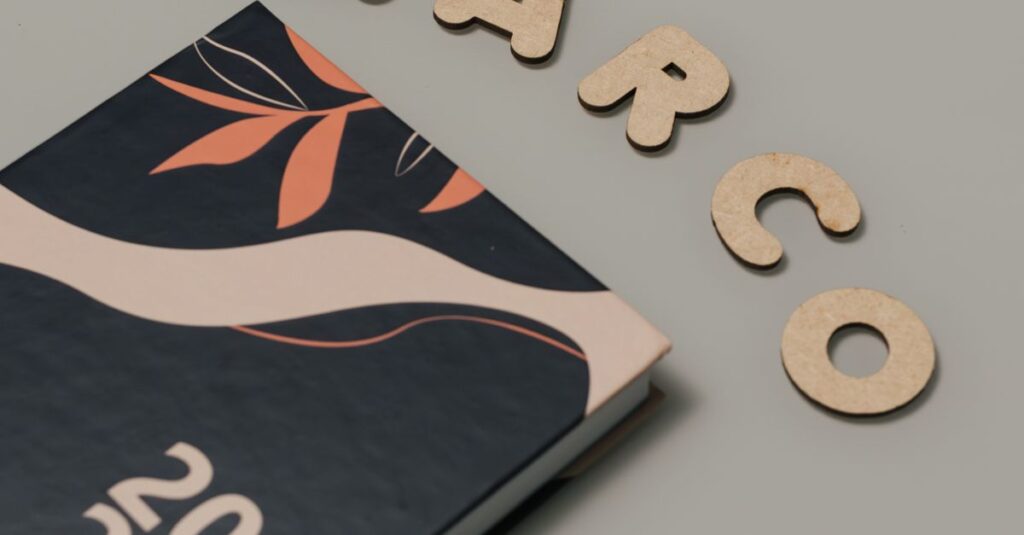
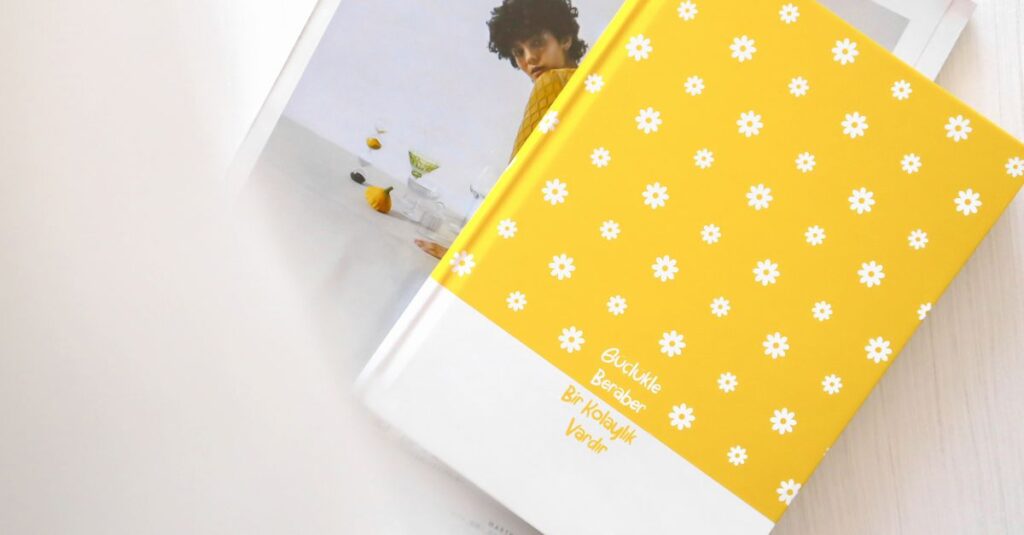
Hard binding — sometimes called case binding — is the method where pages are sewn together, glued to a spine, and then encased in a rigid cover. It's what gives a thesis that professional, library-quality finish. The kind that doesn't fall apart after three readings.
I've been in this business since 1985. And I can tell you: the difference between a cheap bind and a proper hard bind is the difference between something that lasts a semester and something that lasts decades. Sri Rama Notebooks has been doing this long enough to know what works.
How Thesis Hard Binding Actually Works
Most people think binding is just gluing pages together and slapping on a cover. It's not. There's a process. And skipping steps shows.
The Process Step by Step
- Collating and folding — Pages are gathered in the right order and folded into sections called signatures.
- Sewing — Each signature is stitched to the next. This is what gives the book strength. No sewing? No real hard binding.
- Glue application — The spine gets a layer of adhesive. Not too much, not too little.
- Trimming — The edges are cut clean so all pages are even.
- Case making — The hard cover is built separately. Board, cloth or paper, and sometimes foil stamping.
- Casing in — The book block is attached to the cover. This is where precision matters.
- Pressing and drying — The book sits under pressure until everything sets.
That's it. Seven steps. Miss one and you'll know. Pages will sag. The cover will warp. The spine will crack.
I remember a customer from a few years ago — a university in Hyderabad. They ordered 500 theses for their postgraduate archive. The first batch from another supplier had pages falling out within a month. They came to us. We re-bound the whole lot. Took three weeks. They've been ordering from us ever since.
Hard Binding vs. Other Binding Types
Not all binding is created equal. Here's a quick comparison so you know what you're actually paying for.
| Feature | Thesis Hard Binding | Spiral Binding | Perfect Binding |
|---|---|---|---|
| Durability | High — lasts decades | Medium — coils can bend | Low — pages can fall out |
| Lays flat | No — needs to be held open | Yes — fully flat | No — spine cracks |
| Cover material | Rigid board + cloth/paper | Thin card or plastic | Thick paper or card |
| Cost per unit | Higher | Low | Medium |
| Best for | Theses, archives, gifts | Reports, notebooks | Paperbacks, catalogs |
| Customization | Foil stamping, embossing | Limited | Print only |
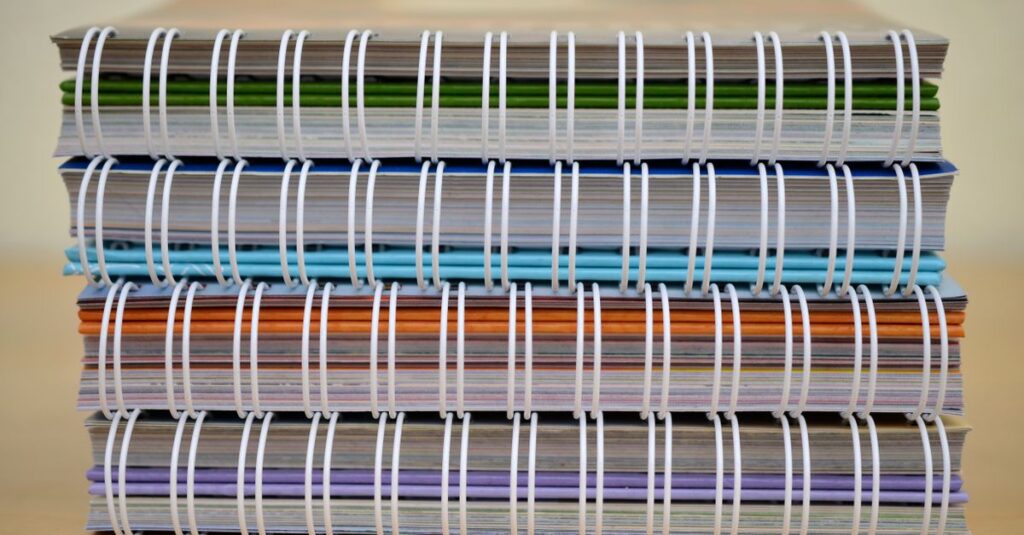
Look, I'm not saying hard binding is always the answer. If you need a notebook that lays flat on a desk, get spiral. But if you want something that looks like it belongs in a library — and stays that way — hard binding is the only real option.
What to Look for When Ordering Thesis Hard Binding in Bulk
Here's where things get practical. If you're ordering for a university, a corporate training program, or an institution, you need to check a few things before you place that order.
- Paper quality — Minimum 70 GSM for theses. Anything less and ink bleeds through. We use 80 GSM for most academic orders.
- Sewing vs. glue-only — Ask if the signatures are sewn. If they say "glue is enough," walk away.
- Cover board thickness — Should be at least 2mm. Thinner boards warp in humid weather.
- Spine rounding — A properly rounded spine prevents the book from sagging over time.
- Foil stamping quality — If you're adding titles on the cover, check that the foil doesn't peel off after a month.
I had a client from Chennai last year — a medical college. They ordered 200 theses with gold foil on the spine. The first supplier they tried used cheap foil that rubbed off within a week. We re-did them with proper hot foil stamping. Still looks new.
One more thing — and I don't say this to scare you — but I've seen orders where the grain direction of the paper was wrong. The pages curled. The binding couldn't fix it. So ask about grain direction. It matters.
Common Mistakes People Make with Thesis Hard Binding
I've been doing this long enough to see the same mistakes over and over. Let me save you the trouble.
Mistake 1: Assuming all hard binding is the same. It's not. Some places use cheap glue that turns brittle after a year. Some skip the sewing step entirely. You're paying for quality. Make sure you get it.
Mistake 2: Not checking the spine width. If your thesis is 300 pages, the spine needs to be wide enough. Too narrow and the pages won't open properly. Too wide and it looks sloppy.
Mistake 3: Forgetting about the endpapers. Those first and last pages that connect the book block to the cover? They take stress. Cheap endpapers tear. Good ones don't.
Mistake 4: Ordering without a sample. Always ask for a physical sample before placing a bulk order. Photos lie. Samples don't.
I think — and I could be wrong — that most people don't realize how much the binding affects the perception of the content. A well-bound thesis says "this work matters." A poorly bound one says the opposite.
Expert Insight: What I've Learned in 40 Years
I was talking to an old colleague last month — we started in this business around the same time. He told me something I keep thinking about. He said the best bindings he's ever seen weren't the most expensive ones. They were the ones where the binder actually cared about the book. Not just the money. The book.
That stuck with me because it's true. You can have the best materials in the world, but if the person doing the work doesn't pay attention to the details — the grain direction, the glue temperature, the press time — it won't matter. The book will fail.
I don't have a cleaner way to put it than that. Some things you just learn by doing them wrong first.
Real-Life Micro-Story: A Thesis That Almost Didn't Make It
Ravi, 34, procurement manager at a university in Visakhapatnam. He had 150 theses to get bound for the annual research symposium. The deadline was three weeks away. His usual supplier said they couldn't do it in time.
He called us on a Tuesday. I remember because it was raining — the kind of rain that makes you wonder if the power will stay on. He sounded tired. He said the theses were already printed, just sitting in boxes, waiting.
We picked them up the next day. Ten days later, they were done. Hard bound, foil stamped, packed in boxes. He called me after the symposium. Said they looked better than any batch they'd ever ordered.
That's the thing about this work. It's not glamorous. But when it's done right, people notice.
Frequently Asked Questions
What is thesis hard binding?
Thesis hard binding is a method where pages are sewn into signatures, glued to a spine, and encased in a rigid cover. It's the most durable binding type for academic documents and gives a professional, library-quality finish.
How long does thesis hard binding take?
For a standard order of 50–100 theses, expect 7–14 days. Larger orders may take 3–4 weeks. Rush orders are possible but depend on current production capacity. Always confirm timelines before placing an order.
Can I get thesis hard binding with custom covers?
Yes. Most manufacturers offer custom cover options including foil stamping, embossing, and printed covers. You can choose cloth, leather-like material, or printed paper. Discuss your requirements with the supplier before ordering.
Is thesis hard binding expensive?
It costs more than spiral or perfect binding because of the materials and labor involved. However, for bulk orders, the per-unit cost drops significantly. It's a worthwhile investment for documents that need to last.
What paper weight is best for thesis hard binding?
70–80 GSM is standard for most theses. For documents with heavy ink coverage or images, 100 GSM or higher is recommended. Thinner paper may cause ink bleed-through and weaken the binding over time.
Final Thoughts
Here's what I want you to take away. Thesis hard binding isn't just about making a document look good. It's about making it last. About respecting the work that went into it. And about choosing a supplier who understands that.
I don't think there's one perfect way to do this. Every order is different. But if you've read this far, you already know what matters — you're just looking for someone who can deliver it. Sri Rama Notebooks has been doing this since 1985. We know what works.