What Is Writing Paper, Really?
Here's the honest truth. Most people don't think about writing paper until it fails them. The pen bleeds through. The page feels rough. Or you turn a page and the ink has already ghosted to the other side. That's not bad luck. That's bad paper.
Writing paper is exactly what it sounds like. Paper made for writing on. But that simple description hides a lot of variation. Different weights. Different finishes. Different pulp compositions. And if you're buying in bulk, you can't afford to get it wrong.
I've been in this industry since 1985. Seen paper come and go. Seen people order the wrong thing, waste money, and blame the notebook. It's a pattern. And it happens because nobody tells them what to actually look for.
Think about it this way. You don't buy a car by just looking at the color. You check the engine. The mileage. The service history. Same logic applies here. If you're sourcing writing paper for notebooks, diaries, or institutional supplies, you need to understand what you're actually buying. Otherwise, you end up with paper that looks fine on delivery but betrays you the moment someone puts a pen to it.
So let me break it down. No fluff. Just what I've learned from 40 years of making notebooks at Sri Rama Notebooks.
What Makes Writing Paper Different From Other Paper?
Here's the thing that confuses most people. Paper is paper, right? Wrong. And wrong in ways that cost you real money.
Writing paper is designed for one primary action: getting written on. That sounds obvious, but printer paper is made for inkjet toner. Art paper is made for paint. Cardboard is made for boxes. Each paper type has a specific job, and they don't swap well.
Key Characteristics of Writing Paper
- GSM (Grams per Square Meter) — This is the weight. For writing, you want 54 to 80 GSM. Lighter than 54 and the ink bleeds. Heavier than 80 and the notebook becomes bulky for no reason. Standard school notebooks use 54 GSM. It works. Don't overthink it.
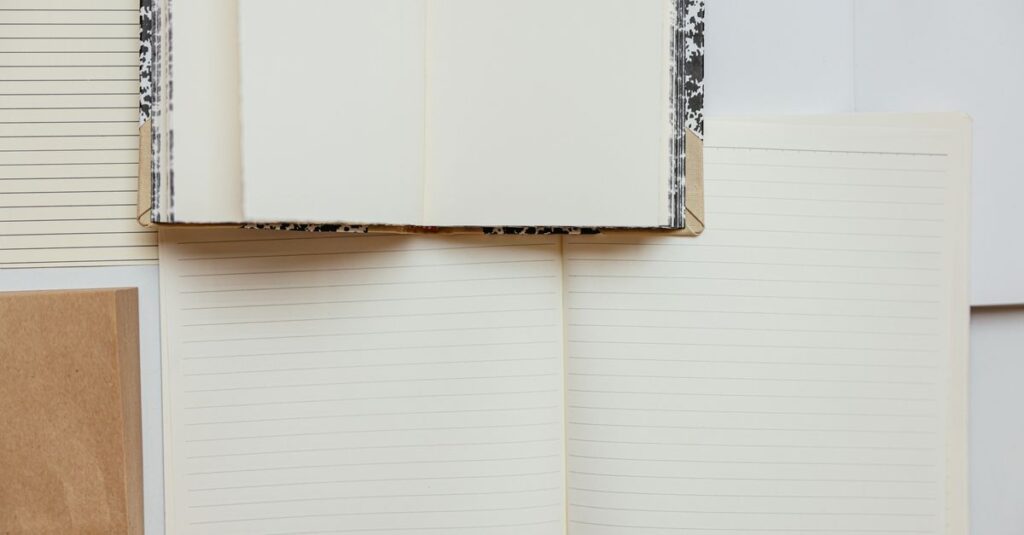
- Finish — Writing paper is usually uncoated. That means the surface absorbs ink slightly. Coated paper looks shiny but feels waxy. Pens slip. Ink smudges. Uncoated feels rough-ish but writes perfectly.
- Opacity — This is how much you can see through the page. Cheap paper has low opacity. You write on one side and the text shows on the other. Annoying. Good writing paper has high opacity. You shouldn't see what you wrote two pages ago.
- Pulp source — Most writing paper comes from wood pulp. Some from recycled pulp. Recycled is fine for rough work. For premium products like corporate diaries, you want virgin pulp. It's stronger and whiter.
I think — and I could be wrong — but I think people assume all paper is the same because it looks similar in the packet. Open a 54 GSM notebook and an 80 GSM printer paper stack side by side. You'll see the difference immediately. The writing paper feels lighter. More flexible. It's designed to sit flat when you open a notebook.
Anyway. That's the basics. The real question is: what do you actually need?
Writing Paper vs. Printing Paper: A Comparison Table
| Feature | Writing Paper | Printing Paper |
|---|---|---|
| GSM Range | 54–80 GSM | 70–120 GSM |
| Surface | Uncoated, slight tooth | Smooth, sometimes coated |
| Ink Absorption | Fast, prevents smudging | Slow, designed for toner fusion |
| Opacity | High for the weight | Varies, often higher GSM for opacity |
| Best Use | Notebooks, diaries, letter pads | Documents, flyers, laser printouts |
| Pen Performance | Excellent — ballpoint, gel, fountain | Average — ink can pool on surface |
| Cost per Sheet | Lower | Higher |
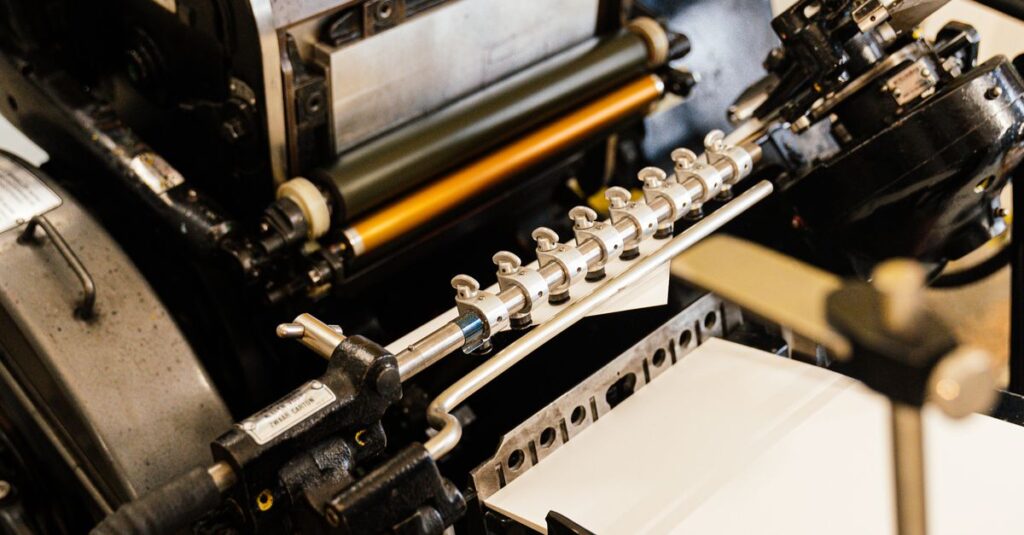
See the difference? Writing paper isn't just thinner printer paper. It's made differently. With different goals. If you use printer paper for notebooks, you'll end up with heavy, expensive notebooks that don't write well. I've seen it happen. It's a bad look.
The GSM Question Nobody Asks Until It's Too Late
Alright. Let me tell you a story.
Arun is 38. He runs a distribution business in Kakinada. Supplies stationery to about 60 schools across East Godavari district. He'd been ordering the same notebooks for years. Same price. Same supplier. Everything fine.
Then last year, he switched suppliers because someone offered him a 12% discount. The notebooks looked identical. Same cover design. Same binding. Same number of pages. But three weeks into term, teachers started calling. Students complained that their pens were punching through the pages. Parents got angry. One school principal said they wouldn't renew the contract.
Arun didn't check the paper GSM. The new supplier had dropped from 54 GSM to 45 GSM. It saved them money. Cost Arun his reputation.
I'm not saying this to scare you. But honestly? This happens way more often than it should.
Expert Insight
I was visiting our production floor last month. Old machine, been running since the 90s. The operator — Raju, been with us 22 years — was checking a stack of paper by feel alone. He said, 'This is 52, not 54.' I checked. He was right. I didn't ask how he knew. Some things you just learn from years of touching paper every single day. The point is: GSM matters. Not just on paper. In actual use. A 2-gram difference changes how the notebook performs over a whole school year. Most people don't think about that. I think about it every day.
So here's my advice. If you're buying bulk notebooks, ask for the GSM. Not just what's written in the brochure. Ask for a sample. Write on it. Check the back. Press hard like a 12-year-old who doesn't know his own strength. If the ink shows through, the paper is too light for the purpose.
And no, I don't think there's a universal perfect GSM. Some schools prefer 60 GSM. Others are fine with 54. Corporates want 70 GSM for diaries because it feels premium. The right answer depends on who's using it.
How Bulk Buyers Should Evaluate Writing Paper
If you're reading this and thinking — okay, I get it, paper matters. What do I actually do? Let me save you some time.
Here's a checklist I give to procurement managers who call us.
- Check the GSM by weight, not by label. Weigh a ream. 500 sheets of 54 GSM A4 should weigh about 2.8 kg. If it's lighter, something is off.
- Do the pen test. Write with a standard ballpoint. Write with a gel pen. Write with a fountain pen if your users use them. Good writing paper handles all three without bleeding or feathering.
- Check opacity with actual use. Fold a page. Write on both sides. Hold it up to light. Can you see the back? If yes, it's too transparent.
- Tear it. Tear a page along the edge. Writing paper should tear cleanly in the direction of the grain. If it tears jagged or pulls fibers, the paper quality is poor.
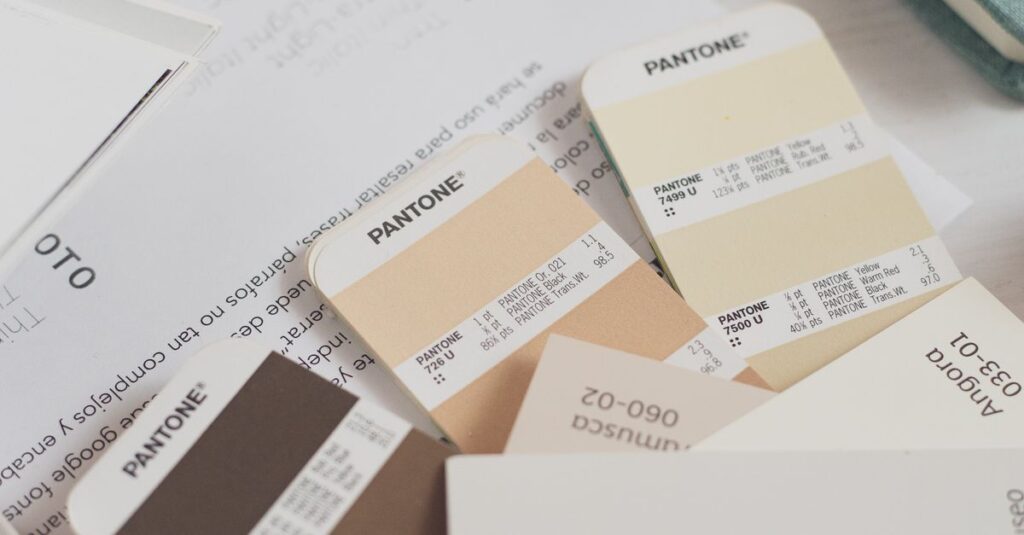
- Look at the shade. Pure white isn't always better. Slightly off-white (often called cream) is easier on the eyes for long writing sessions. Schools usually prefer white for clean contrast. Your call.
And look. I know this sounds like a lot of work. But ordering 10,000 notebooks without checking the paper is like ordering 10,000 shirts without checking the fabric. You're going to get something. You just won't know what until it's too late.
I remember one corporate buyer telling me — and I still laugh about this — he said he 'always ordered A4 notebooks and they were fine.' I asked him what paper weight. He didn't know. He'd been ordering for 6 years. Never checked. That's not his fault. Nobody ever told him to check.
Why Custom Writing Paper Matters for Corporate Branding
This is the part most people don't consider. But they should.
If you're a business ordering custom notebooks or diaries, the paper quality reflects your brand. Not the cover. The paper. Because that's what people actually interact with.
I was talking to someone about this last week — a marketing head from Hyderabad, actually — and she said something I keep thinking about. She said: 'We spent a lot of money on the cover design. Embossing. Foil stamping. But when the CEO used the diary, the pen bled through page one. He didn't notice the cover. He noticed the mess.'
Look, I'll just say it. People judge your company by the quality of your stationery. And the first thing they notice is how the paper feels and writes. A beautiful cover with bad paper is a waste of money. You're better off with a simple cover and good paper. Every time.
That's why we offer GSM customization at Sri Rama Notebooks. If you want 54, we do 54. If you want 70, we do 70. If you want something in between, we can talk about it. But the point is: don't let paper be an afterthought. It's the main event.
I don't have a clean answer for what the perfect writing paper is for everyone.
Frequently Asked Questions
What is the best GSM for writing paper?
For standard notebooks, 54 GSM is most common and works well for school use. For premium diaries and corporate notebooks, 70 to 80 GSM provides a thicker feel and better ink resistance. The best GSM depends on your specific use case.
Can I use printer paper for notebooks?
Technically yes, but it performs poorly. Printer paper has a coating that makes ink pool and dry slowly. It also adds unnecessary weight and cost to the notebook. Writing paper is designed for the exact purpose of being written on with pens.
How do I check if writing paper is good quality?
Do the pen test. Write with a ballpoint and gel pen. Check the back for bleed-through. Hold the page up to light to check opacity. Tear it to see if it pulls fibers. Good writing paper handles all these tests cleanly.
Does writing paper quality affect printing?
For offset printing, writing paper works well. For laser or inkjet printing, writing paper absorbs ink differently and may produce less sharp results than purpose-made printing paper. Check with your manufacturer before bulk printing.
Where can I buy bulk writing paper for notebooks?
Contact a notebook manufacturer directly. Sri Rama Notebooks has been manufacturing notebooks since 1985 and sources high-quality writing paper for all their products. Custom GSM and sizes are available for bulk orders. Call +91-8522818651 or visit sriramanotebook.com.
So. What Now?
Two things I want you to take away from this. First: writing paper is not a commodity you buy on price alone. It affects everything — writing experience, durability, brand perception. Second: test before you buy in bulk. It takes 10 minutes and saves months of regret.
The question isn't whether you need good writing paper. You already know you do. The question is whether you're going to put in the small effort to get it right. Most people won't. That's why most notebooks are average. If you want better, be the one who checks.
I don't think there's one answer here. Probably there isn't. But if you've read this far, you already know what you're looking for — you're just figuring out if it's worth asking for. It is. And we're here to help. Reach out to Sri Rama Notebooks when you're ready to talk numbers.