What Does Adv Printing Actually Mean?
I'll be honest with you. When someone calls and says they need "adv printing" for their notebooks, I have to stop and ask what they mean. Because the term gets thrown around a lot — and it doesn't mean the same thing to everyone.
Some people think it means "advanced printing." Fancy machines. High-tech stuff. Others use it as shorthand for "advertising printing" — like printing logos and brand names on notebooks. And then there are the folks who just say it because they heard someone else say it.
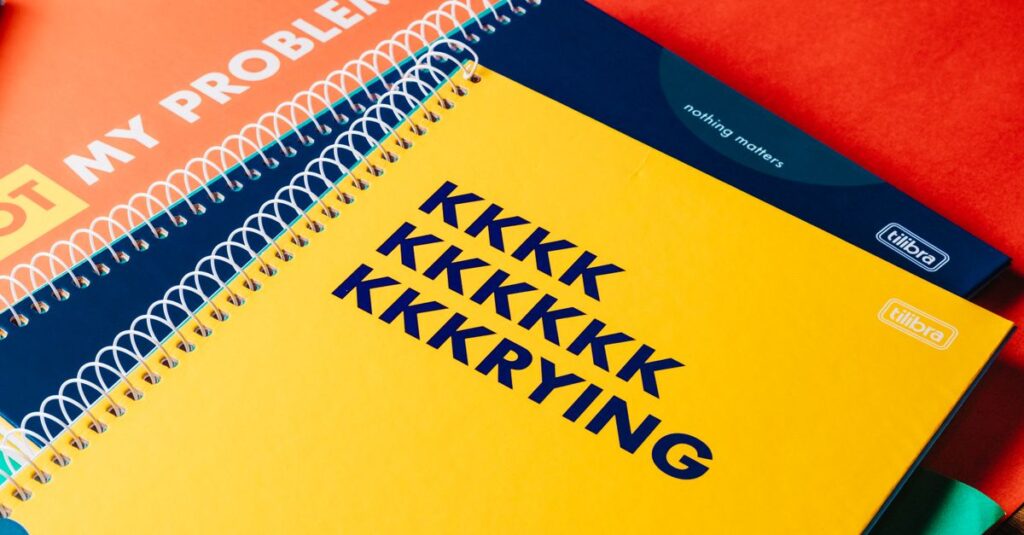
Here's the truth: when a corporate buyer or a school procurement manager calls me about adv printing, they usually want one thing — custom printed notebooks with their logo, brand name, or message. And they want it done right. At scale. Without the back-and-forth eating up their time.
I've been in this business since 1985. I've seen what works and what doesn't. So let me break down what adv printing really means when you're ordering notebooks in bulk — and what you should actually look for. If this sounds familiar, Sri Rama Notebooks might be worth a look.
What Adv Printing Means for Bulk Notebook Orders
Here's where things get interesting. When someone says "adv printing" in the notebook world, they're usually talking about one of three things:
- Logo printing — your brand name or emblem on the cover
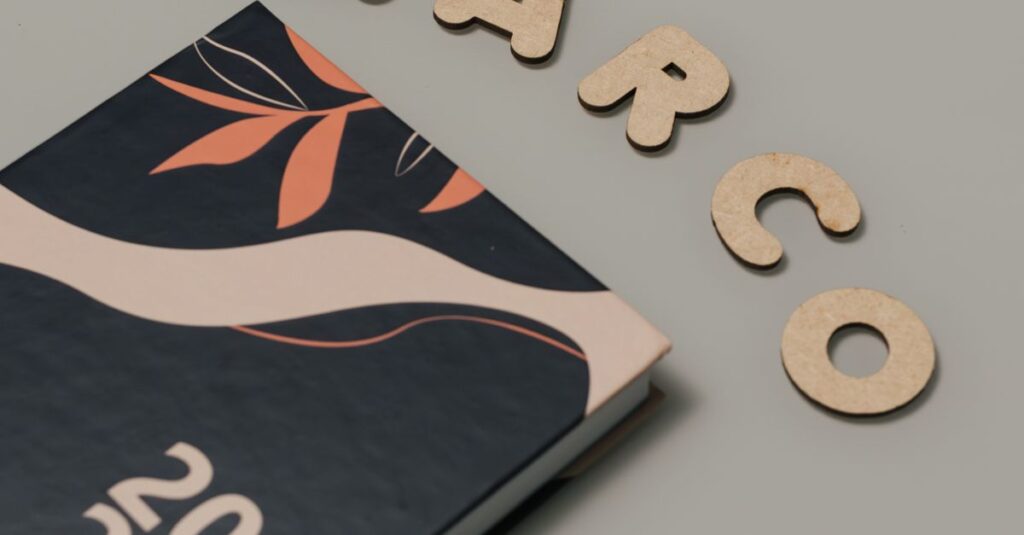
- Custom cover design — full-color artwork, specific layouts, sometimes foil stamping or embossing
- Private label manufacturing — your brand name on the cover, your packaging, your specs
And honestly? Most people don't know which one they need when they first call. They just know they want something that doesn't look like a generic notebook from a supermarket shelf.
I get that. I really do.
But here's the thing about adv printing in the notebook world — it's not just about slapping a logo on a cover. The printing method matters. The paper quality matters. The binding matters. Everything has to work together, or you end up with a notebook that looks good on day one and falls apart by week three.
And nobody wants that.
How Adv Printing Actually Works in a Notebook Factory
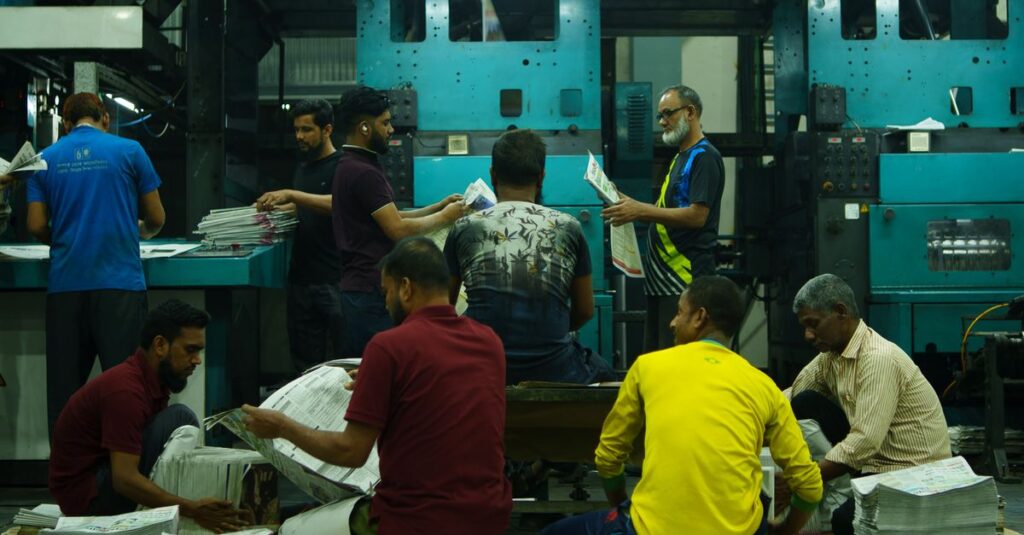
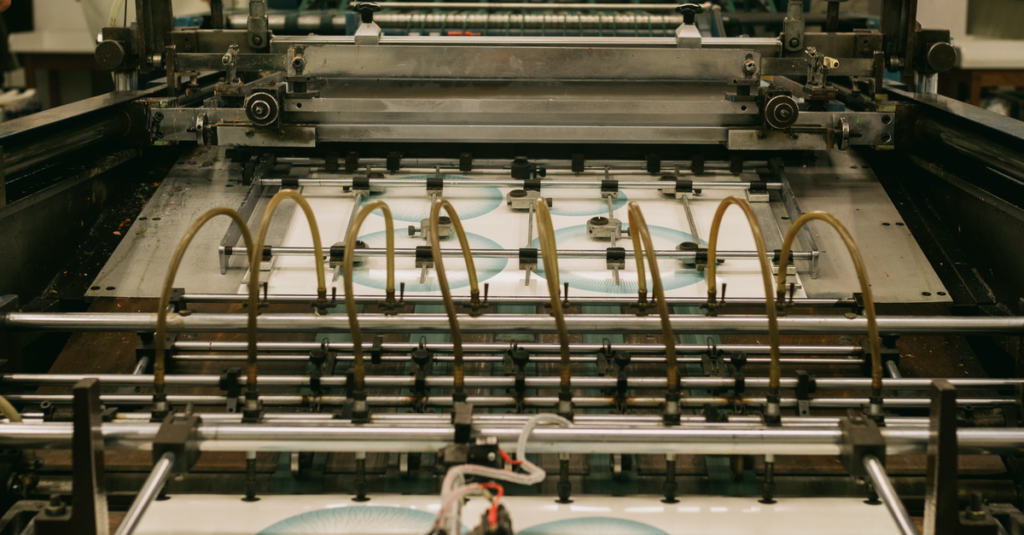
Let me walk you through what happens when we get an adv printing order at our factory in Rajahmundry. Because I think most people imagine some magical machine that just… prints. It's not that simple.
First, we figure out the printing method. For bulk notebook orders — and I'm talking 5,000 units and up — offset printing is usually the way to go. It's cost-effective at scale. The colors are consistent. The registration is tight. But if you need a small batch of custom notebooks for a corporate event, digital printing makes more sense. Lower setup cost. Faster turnaround.
Then there's the cover material. Paper thickness. Lamination. Matte or glossy finish. Each choice changes how the final print looks and feels.
I remember a client from Dubai — he wanted a deep navy blue cover with gold foil stamping. Simple request, right? But navy blue is tricky. It absorbs light. The foil can get lost if the pressure isn't right. We ran three test samples before he was happy. He called me after he got the final batch and said, "This is exactly what I wanted."
That's the thing about adv printing. It's not complicated technology. It's getting the details right. Over and over. At scale.
And that takes experience. Not just machines.
Expert Insight
I was talking to a paper supplier last month — old guy, been in the business since the 70s. He told me something I keep thinking about. He said the biggest mistake buyers make is assuming all printing is the same. "They see a printed notebook in a shop and think, 'How hard can it be?'" He laughed when he said it. But he wasn't joking. The difference between a print job that looks good and one that looks cheap is usually invisible to the untrained eye. Registration. Ink density. Drying time. Things nobody thinks about until the notebooks arrive and the logo is blurry.
Offset vs Digital: Which Adv Printing Method Wins?
This is probably the most common question I get. And the answer is — it depends. But let me give you a straight comparison so you can decide for yourself.
| Factor | Offset Printing | Digital Printing |
|---|---|---|
| Best for | Large runs (1,000+ units) | Small runs (under 500 units) |
| Cost per unit | Lower at scale | Higher per unit, but no setup fees |
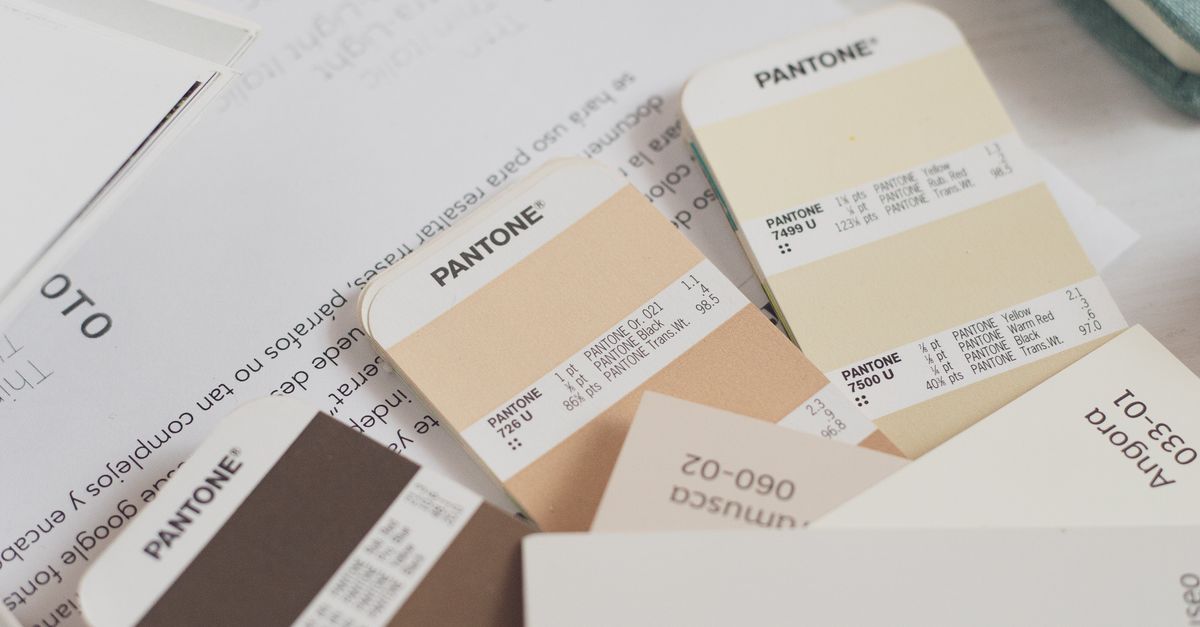
| Color accuracy | Excellent — Pantone matching possible | Good, but less precise |
| Setup time | 1-2 days for plates and calibration | Minutes |
| Best for | Bulk orders, consistent branding | Small batches, prototypes, quick runs |
| Cover options | Any material, foil, embossing, lamination | Limited to standard paper stocks |
So which one should you pick? If you're ordering 1,000 notebooks or more for your school or company, offset is almost always the better choice. The per-unit cost drops. The quality is more consistent. And you get more options for cover finishes.
But if you need 200 custom diaries for a sales conference next month, go digital. You'll get them faster. And you won't pay for setup you don't need.
Either way, the key is finding a manufacturer who knows how to handle both. Because the printing method is just one part of the puzzle.
What Most Buyers Get Wrong About Adv Printing
I've been doing this long enough to notice patterns. And there's one mistake I see more than any other.
People focus on the cover. The logo. The colors. They spend weeks perfecting the design. Then they pick the cheapest paper and the thinnest binding.
And then they wonder why the notebooks fall apart.
Here's a story. A few years ago, a school in Visakhapatnam ordered 3,000 custom notebooks. The principal spent two months on the cover design. It looked great. But they chose the lowest-grade paper to save money. By the end of the first term, parents were complaining that the pages were tearing out. The school had to reorder — and they paid more the second time because they needed rush production.
Adv printing isn't just about what's on the cover. It's about what's inside. The paper. The binding. The stitching. If those are weak, the best cover design in the world won't save you.
I think — and I could be wrong — that people assume "printing" only means the surface. But in the notebook business, printing is the whole package. Cover. Pages. Binding. All of it.
What to Look for When Ordering Adv Printing for Notebooks
So you're ready to order. You have a logo. You have a design. Now what?
Here's what I'd check before signing anything:
- Paper quality — 54 GSM is standard for school notebooks. But if you're making corporate diaries, you might want 70 GSM or higher. Thinner paper bleeds. Thicker paper costs more. Find the balance.
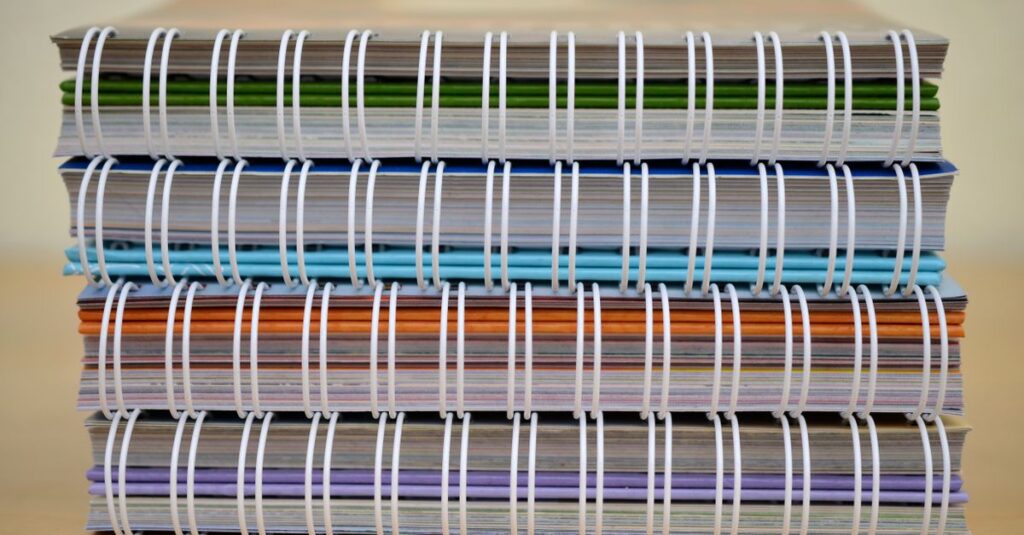
- Binding type — Stitched binding lasts longer. Spiral binding lies flat. Perfect binding looks clean but can crack if not done right. Know which one your users need.
- Cover finish — Matte lamination looks professional. Glossy is more durable. Unlaminated covers get dirty fast. Pick based on how the notebook will be used.
- Print registration — This is the alignment of colors on the cover. Bad registration makes a logo look cheap. Ask for a proof before production.
- Turnaround time — Good adv printing takes time. If someone promises 3-day delivery on 10,000 custom notebooks, be suspicious.
I remember a procurement manager from Hyderabad — let's call him Ravi, 42, works for a chain of private schools. He called me once and said, "I need 8,000 notebooks in two weeks. Can you do it?" I told him honestly — we could do it, but the quality would suffer. He pushed back. I held my ground. We settled on three weeks. The notebooks came out great. He's been ordering from us for four years now.
That's the thing about this business. Speed matters. But quality matters more. And the best adv printing is the kind you don't have to think about after it's done.
Why Experience Matters in Adv Printing
I've been at this since 1985. That's not a flex. It's just a fact. And in those 40 years, I've seen printing technology change a lot. But the fundamentals haven't.
Good printing still comes down to:
- Clean plates (for offset)
- Consistent ink flow
- Proper drying time
- Quality control at every stage
I remember a batch we did for a client in the UK. They wanted a specific shade of green — their brand color. We matched it on the first try. But when the notebooks arrived, the client said the green looked different under their office lights. So we adjusted. Sent another sample. Adjusted again. Finally got it right.
That's not something a machine does. That's experience. Knowing how ink behaves on different paper. Knowing how light changes perception. Knowing when to push back and when to say yes.
I think that's the part people underestimate. Adv printing isn't a transaction. It's a conversation. And you want a partner who listens, not just a factory that prints.
Common Myths About Adv Printing (And Why They're Wrong)
I hear a lot of the same things over the phone. Let me clear a few up.
Myth 1: "Digital printing is always better because it's newer."
Newer doesn't mean better for everything. Digital is great for small runs. But for bulk orders, offset gives you better color consistency and lower cost. Don't let the "new tech" hype fool you.
Myth 2: "I can just use any printer for notebooks."
You can. But you shouldn't. Notebook printing is different from brochure printing. The paper has to fold. The binding has to hold. A commercial printer who does flyers won't know how to handle 200-page stitched notebooks. Trust me on this.
Myth 3: "Cheaper printing means I'm saving money."
You're saving money on the invoice. You're spending more on replacements, complaints, and lost brand value. I've seen it happen too many times.
Myth 4: "I don't need to see a proof."
Yes, you do. Always. Even if you've ordered the same design before. Paper batches vary. Ink behaves differently in humidity. A proof catches problems before they become expensive mistakes.
Look, I'm not saying this to scare you. I'm saying it because I've cleaned up after too many bad printing jobs. And I'd rather you get it right the first time.
Frequently Asked Questions
Frequently Asked Questions
What is adv printing in the notebook industry?
Adv printing usually refers to custom printing on notebooks — logos, brand names, or full cover designs. It can mean offset or digital printing depending on the order size. The goal is to make notebooks look professional and branded for schools, companies, or institutions.
How much does adv printing cost for bulk notebooks?
Cost depends on order quantity, paper quality, cover design complexity, and binding type. For bulk orders of 1,000+ notebooks, offset printing is most cost-effective. Digital printing costs more per unit but has lower setup fees. Contact a manufacturer for a custom quote.
Can I get adv printing on small quantities of notebooks?
Yes. Digital printing works well for small batches — 50 to 500 notebooks. It's faster and doesn't require expensive plate setup. However, per-unit cost will be higher than bulk offset printing. Good for corporate events, small schools, or pilot runs.
What's the difference between adv printing and regular printing?
There's no technical difference. "Adv printing" is just industry shorthand for custom or advanced printing on notebooks. It usually involves logo printing, custom cover design, or private label work. Regular printing might mean standard ruled pages with no customization.
How long does adv printing take for 5,000 notebooks?
Typically 2-4 weeks depending on design complexity, paper availability, and binding type. Offset printing requires plate setup and drying time. Rush orders are possible but may affect quality. Always plan ahead — good printing can't be rushed without compromise.
Final Thoughts on Adv Printing
Here's what I want you to remember. Adv printing isn't a magic word. It's just a way of saying "I want my notebooks to look like they belong to me." And that's fair. Whether you're a school principal, a procurement manager, or a business owner ordering corporate diaries — you deserve notebooks that don't look generic.
But the quality has to go deeper than the cover. Paper. Binding. Finish. Those matter just as much. Maybe more.
I don't think there's one perfect way to do adv printing. There are too many variables. But if you work with someone who knows what they're doing, you'll get closer to what you actually want. And that's the whole point, isn't it?
If you're looking for a partner who's been doing this since 1985, Sri Rama Notebooks is here.