What Exactly Is a b5 notebook spiral?
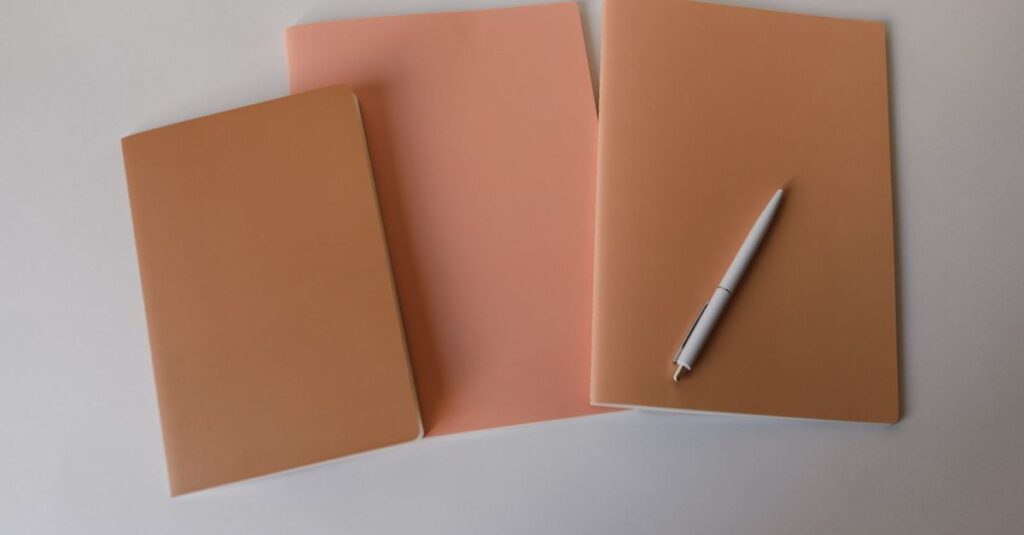
Let's get the obvious out of the way. You've probably seen a b5 notebook spiral somewhere — maybe in a friend's bag or on an office desk — and thought, that looks familiar but I can't place it. But here's the thing: it's not just a random size. B5 sits right between A5 and A4. It's 176 mm x 250 mm. Big enough to write comfortably, small enough to carry without looking like you're bringing a briefcase.
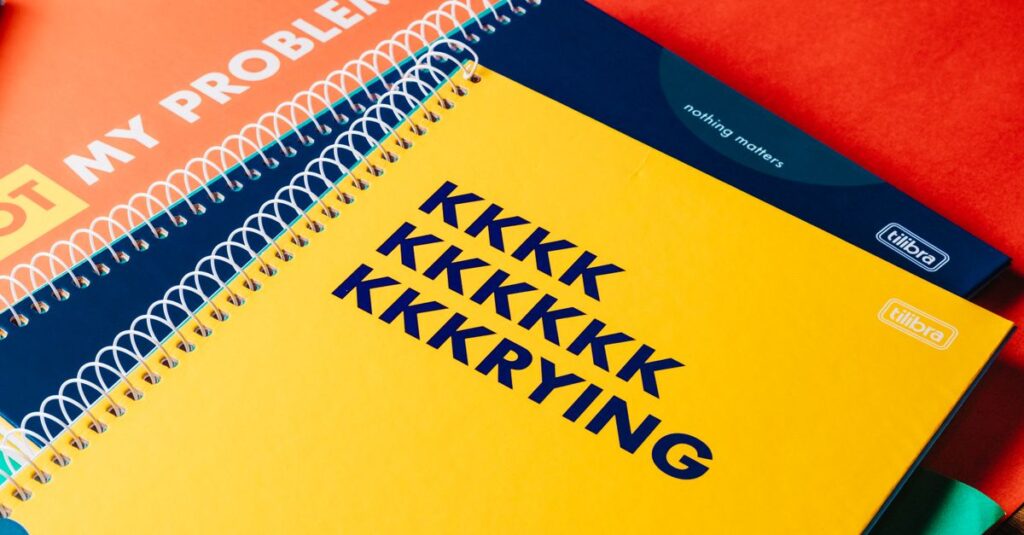
The spiral part? That's where the real difference lies. Spiral binding means the notebook opens flat. No cracking the spine, no wrestling with pages that flip closed when you let go. You can fold it back on itself too — which sounds minor until you're in a meeting trying to write on your lap.
I remember a procurement manager from Mumbai once told me, 'I ordered A5 for three years because I thought smaller = cheaper. Then someone handed me a b5 spiral and I couldn't go back.' That stuck with me. Because honestly, once you use one, you get it. It's practical.
If you're ordering notebooks in bulk — for a school, a college, a corporate event — the b5 notebook spiral is worth a serious conversation. Sri Rama Notebooks makes them, and we've been doing it since 1985.
Why Spiral Binding Makes the Difference
Spiral binding gets a bad rap sometimes. People say pages tear out, the wire bends, it doesn't look as 'professional' as a stitched notebook. And sure — cheap spirals do that. But a well-made b5 notebook spiral? Totally different animal.
First, the wire. A good spiral uses coated wire — usually PVC or plastic — that doesn't kink. The holes are punched clean. The binding loops are tight so pages don't slide around. Second, the paper. A spiral notebook with 70 GSM or 80 GSM paper means ink doesn't bleed through. I've seen people use fountain pens on decent spirals and it holds up fine.
What Makes Spiral Binding Ideal for Bulk Orders?
- Opens completely flat — no hands required
- Can be folded back for single-page use
- Easier to tear out pages cleanly when needed (not that you should, but sometimes you have to)
- Cost-effective for large quantities — less labour than stitched binding
- Customizable with colour wires, dividers, and covers
I'll be honest — I used to be a stitched-binding snob. Thought spirals were for school kids. Then I spent a day in our factory watching spirals being made. The precision involved changed my mind. It's not a shortcut. It's a different technique, and for certain uses it's actually better.
Comparison: b5 notebook spiral vs A5 Spiral vs A4 Spiral
| Feature | b5 notebook spiral | A5 Spiral | A4 Spiral |
|---|---|---|---|
| Dimensions (mm) | 176 x 250 | 148 x 210 | 210 x 297 |
| Page area per spread | Large enough for detailed notes | Compact, good for lists | Spacious, good for diagrams |
| Portability | Good — fits in most bags | Excellent — fits in a pocket | Bulkier — needs a bigger bag |
| Typical uses | Lecture notes, journaling, corporate diaries | Quick notes, planners, field work | Office meetings, technical drawings |
| Cost per unit (bulk) | Moderate (best value for size) | Lower | Higher |
The sweet spot? Most people I talk to choose b5 spiral for daily use. It's big enough to not feel cramped, not so big that it's awkward. For bulk orders, it's often the cheapest option at that size because production is standardised.
Who Actually Uses a b5 notebook spiral?
I met Sunita last year — she's 29, works as a content writer in Rajahmundry, right near my office. She showed me her b5 spiral stuffed with notes, sticky tabs, and a few pressed flowers (she said it's her 'memory system'). She told me she tried A5 but it was too small for her handwriting. A4 was too big for her bag. The b5 spiral was the one.
That's the thing about this size: it's not for everyone, but for the people who click with it, it's irreplaceable. Schools order them for older students who need to take serious notes. Companies give them as corporate diaries because they look substantial without being flashy.
And then there are the bulk buyers — procurement managers from institutions that need thousands of notebooks every year. They appreciate b5 spiral because it's a reliable standard. No guessing whether the spiral will hold. Paper quality? We offer from 54 GSM up to 80 GSM in our b5 notebook spiral range. Check our product page for options.
Expert Insight: A Memory from the Factory Floor
I was in the binding section a few weeks ago — second shift, around 4pm. The spiral binding machine was running at speed, feeding punched covers and pages onto the coil inserter. The operator, a guy named Ravi who's been with us for 12 years, pointed at a stack of finished b5 spirals and said, These are going to a school in Dubai. They ordered 20,000 last year. Came back for another 30,000 this year.
I asked why they kept coming back. He shrugged. Because it works. The spiral doesn't pop open, paper doesn't tear. That's what they tell us.
It's not a glamorous insight. But that's the point. Quality isn't a feature list — it's what happens when you trust the product day after day. The b5 notebook spiral we make isn't trying to be fancy. It's trying to be reliable. And apparently, that matters more than anything else.
What to Look for When Buying b5 notebook spiral in Bulk
If you're a procurement manager or distributor, you're probably thinking: okay, I get the size and binding. But what should I actually check before placing an order?
- Paper GSM — For general writing, 54–60 GSM is fine. For fountain pens or heavy ink, go 70–80 GSM.
- Spiral wire gauge — Thicker wire lasts longer. Ask for PVC-coated wire to avoid rust.
- Cover material — 300 GSM art board with lamination gives a stiff, lasting cover. Thinner covers can curl.
- Ruling options — Single ruled, four line, graph, plain. Make sure the ruling matches the user (e.g., science students prefer graph, corporate prefers plain or light ruling).
- Customisation — Can you print your logo? Do you need a specific colour spiral? Some manufacturers (like us) offer full custom cover design, foil stamping, and private label.
The only thing to watch out for: super-cheap spirals with thin paper and flimsy wire. They may look fine in a sample, but after a month of use the pages start falling out. I've seen it happen. It's not pretty.
Frequently Asked Questions
Frequently Asked Questions
What are the exact dimensions of a b5 notebook spiral?
A b5 notebook spiral measures 176 mm x 250 mm (6.9 inches x 9.8 inches). It sits between A5 and A4 in size, offering more space than a standard notebook without the bulk of full A4.
Is a b5 notebook spiral good for fountain pens?
Yes, provided the paper GSM is 70 or higher. Lower GSM paper may bleed or feather. Our standard b5 spiral notebooks use 54 GSM paper, but we can supply 70–80 GSM for fountain pen users.
Can I get a b5 notebook spiral with custom printing?
Absolutely. As a manufacturer, we offer custom cover printing, logo embossing, foil stamping, and private label options. You can choose cover colour, spiral colour, and page ruling.
How many pages does a typical b5 spiral notebook have?
Common page counts range from 92 to 200 pages (46 to 100 sheets). We can produce custom page counts for bulk orders. For very thick notebooks, we recommend stitched binding instead of spiral.
Do you export b5 notebook spiral to other countries?
Yes. Sri Rama Notebooks exports to Gulf countries, Africa, USA, UK, Europe, Australia, and more. We handle bulk orders for schools, universities, and corporate buyers worldwide.
Conclusion
So here's what I think: a b5 notebook spiral isn't for everyone. But for the person who needs a notebook that opens flat, fits a bag without being too small, and can take daily abuse — it's hard to beat. The spiral binding gives you flexibility; the size gives you room. When you're ordering in bulk, those little practicalities add up.
I don't have a clean conclusion to wrap this up neatly. Maybe the real point is: don't overthink it. If you've been buying A5 and feeling cramped, or A4 and feeling burdened, try b5. That's it. If you need a manufacturer who's been doing this since 1985 and still cares about paper, binding, and deadlines — reach out to us. We'll help you figure it out.