

So What Is Big Format Printing?
Let me tell you something I've noticed over the years. People hear “big format printing” and they think billboards. Huge banners. Things you need a ladder to see properly. And that's not wrong — but it's incomplete.
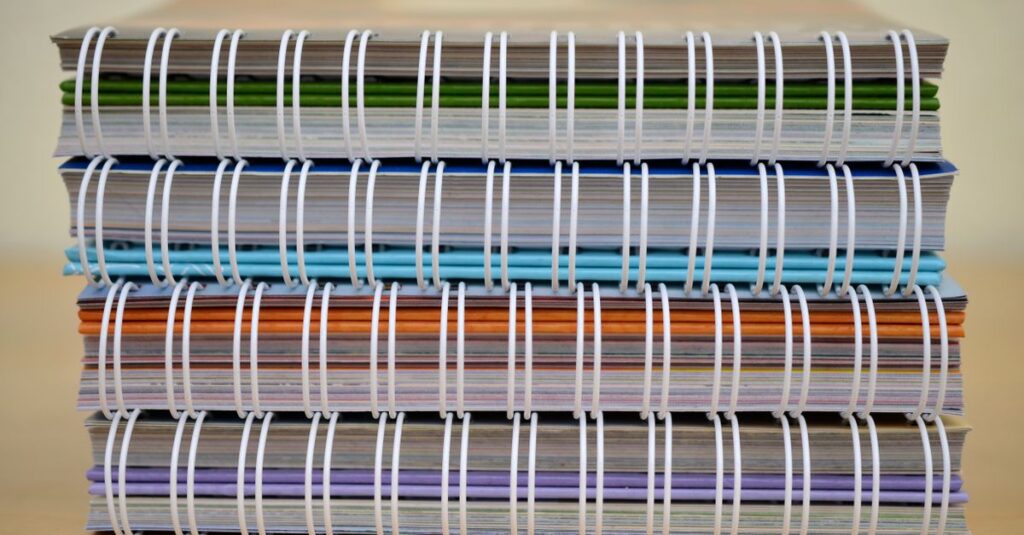
In the notebook and stationery world, big format printing means something slightly different. It means printing on larger sheets of paper — the kind that gets folded, stitched, and trimmed down into finished notebooks. Think of it as printing on a full-sized sheet before the cutting happens.
Here's the part that surprises most buyers: when you're ordering notebooks in bulk — say, 5,000 units or more — the printing isn't done page by page. It's done on massive sheets, sometimes 4 or 8 pages at a time, laid out across a single large sheet. That's big format printing. And it changes everything about cost, speed, and quality.
If you've ever wondered why some notebooks feel consistent and others don't, this is often why. Sri Rama Notebooks has been doing this since 1985, and honestly? Most people don't think about it until something goes wrong.
Why Big Format Printing Matters for Bulk Orders
I was talking to a procurement manager last month — let's call him Ravi. He ordered 20,000 notebooks from a supplier, and the printing was off. Pages were misaligned. The logo looked different on every tenth notebook. He wasn't happy. And the supplier didn't know how to fix it.
The problem wasn't the design. It was how the printing was set up. They weren't using proper big format printing. They were running small sheets, guessing the alignment, and hoping for the best.
When you do big format printing right, here's what you get:
- Every page is printed from the same master plate — no variation
- Colors stay consistent across the entire run
- Alignment is machine-set, not hand-adjusted
- Waste drops significantly (which means lower cost for you)
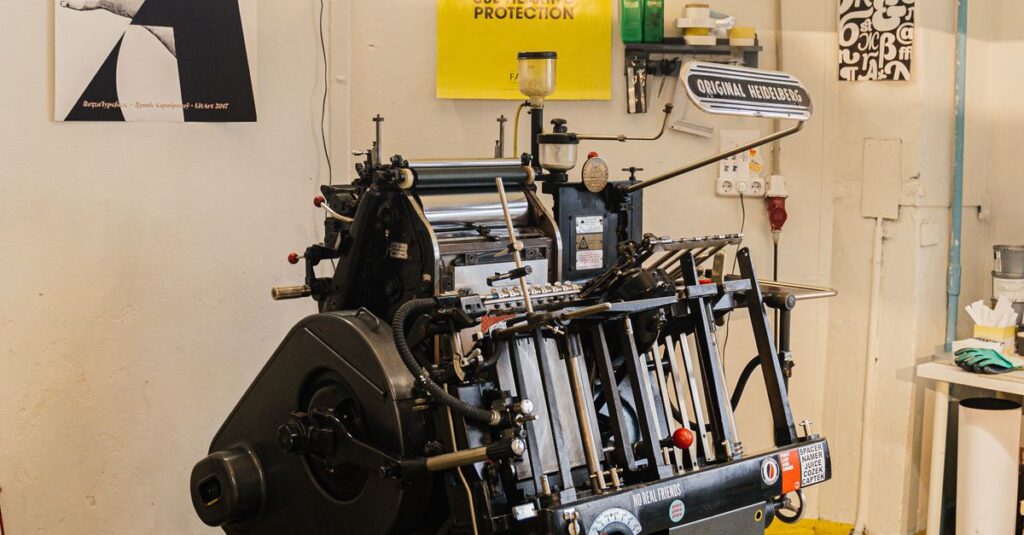
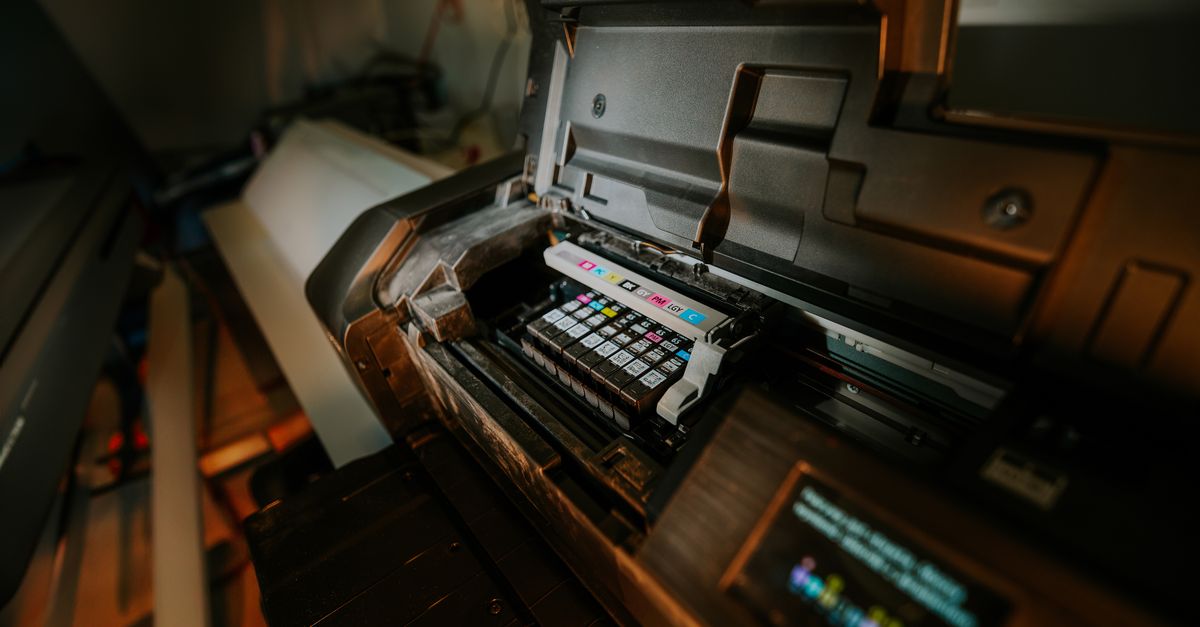
Most people don't realize this, but the size of the printing press matters more than the paper quality in some cases. A good press running big sheets gives you precision that smaller setups just can't match. And when you're ordering 30,000 notebooks for a school district or a corporate event, that precision isn't optional. It's the whole point.
The question isn't whether big format printing is better. It's whether your supplier actually knows how to use it.
How Big Format Printing Changes Your Notebook Costs
Look, I'll be direct. Printing costs confuse most buyers. They think the paper is the biggest expense. It's not. The biggest expense is setup — the time and materials needed to get the press ready.
With big format printing, you print more pages per sheet. That means fewer sheets, fewer press runs, less setup time. The savings add up fast.
Cost Comparison: Small vs Big Format for a 200-Page Notebook
| Factor | Small Format Printing | Big Format Printing |
|---|---|---|
| Pages per sheet | 2–4 | 8–16 |
| Press runs for 10,000 units | 500–1,000 | 125–250 |
| Setup time | Higher per run | Lower per run |
| Color consistency | Varies across runs | Stable across all sheets |
| Waste percentage | 5–8% | Under 3% |
| Per-unit cost (higher volumes) | More expensive | 30–40% cheaper |
Now, this doesn't mean small format is useless. For very small runs — say 500 notebooks — it might be fine. But if you're buying in bulk, big format printing is where the actual savings live.
I've seen corporate buyers save enough on a single order to fund an entire second batch. Not a small thing.
Real People, Real Problems: A Micro-Story
Meena is 34. She works as an operations manager for a chain of schools in Visakhapatnam. Every year, she orders notebooks for 12,000 students. Different sizes, different ruled pages, different cover designs. It's a logistical headache, honestly.
Last year, her usual supplier couldn't deliver on time. She found someone else — cheaper, faster, or so she thought. The notebooks arrived two weeks late, and the printing was off. The school logo was crooked on every third notebook. The pages were cut unevenly. She had to reject the entire order.
She told me later: “I thought printing was printing. How different could it be?”
Very different. That's the answer.
The new supplier wasn't using proper big format printing. They were running small presses, making adjustments manually, and hoping the alignment held. It didn't. Meena lost a month of time and had to scramble for replacements.
She orders from us now. Not because we're the cheapest. Because the printing is right the first time.
Expert Insight: What I've Learned From 40 Years of Printing
Expert Insight
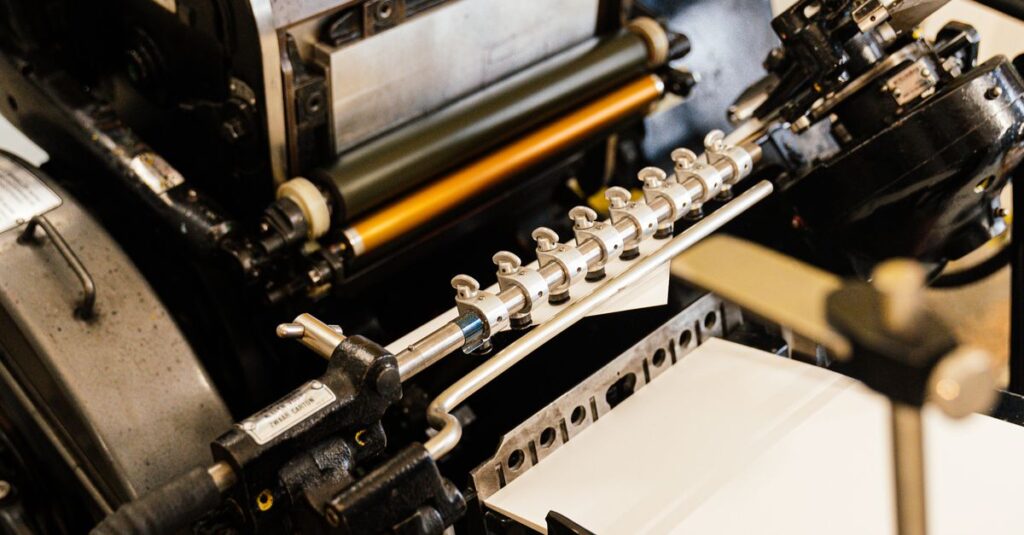
I was at the factory a few weeks ago, watching a big format press run. The operator — he's been with us for 22 years — pointed at the sheets coming out and said something I keep thinking about. He said, “The machine can do the work. But knowing when to trust the machine and when to check it — that's the skill.”
He told me about a batch from 2019. They ran 40,000 sheets, and something was off. Not visibly, but he felt it. He stopped the press, checked the alignment, found a tiny shift. Fixed it before a single bad sheet came out. Most people would have let it run because they couldn't see the problem.
That's the difference between having big format equipment and actually knowing how to use it. The equipment is only as good as the person running it. I don't have a cleaner way to put it than that.
And honestly? That's why we still do things the way we do. Not because it's modern. Because it works.
Is Big Format Printing Right for Your Order?
I think about this a lot. Not every order needs the same approach. Here's a rough way to decide:
- Orders under 1,000 units: Small format can work. The setup cost for big format might not make sense.
- Orders between 1,000 and 5,000 units: This is the gray area. Ask your supplier what they recommend. A good one will tell you honestly.
- Orders over 5,000 units: Big format printing is almost always the right call. You'll save money and get better quality.
But here's the thing — and I'm saying this because I've seen it go wrong — don't just ask if they use big format printing. Ask about their presses. Ask how long the operators have been there. Ask what happens when a run goes wrong. The answers matter more than the equipment list.
I tell people this and some think I'm being dramatic. But I've seen too many buyers pay more for less, thinking they got a deal. Go figure.
Frequently Asked Questions
Frequently Asked Questions
What exactly is big format printing in notebooks?
It means printing on large sheets — usually 8 to 16 pages at a time — instead of printing each page separately. This saves time, reduces waste, and keeps colors and alignment consistent across the whole batch.
Is big format printing more expensive than small format?
For small orders, yes. For bulk orders of 5,000 units or more, it's actually cheaper. The setup cost is higher, but the per-unit cost drops significantly because you're printing more pages per sheet with less waste.
Can big format printing handle custom logos and designs?
Yes, absolutely. In fact, it handles them better than small format. Because the entire sheet is printed in one pass, your logo and design will look the same on every notebook. No misalignment, no color shifts.
What sizes of notebooks can use big format printing?
Most standard sizes — A4, A5, King, Long, Short, Crown, Account size. The press is set up to handle different sheet sizes, so the same equipment can produce multiple notebook sizes without losing efficiency.
How do I know if my supplier is using big format printing properly?
Ask them about their press setup and who operates it. A reliable supplier will show you samples and explain their process. If they can't answer basic questions about alignment and color consistency, that's a red flag.
Conclusion
Big format printing isn't a buzzword. It's a practical difference between notebooks that look professional and notebooks that look like someone rushed the job. For bulk buyers — schools, corporations, distributors — it's the difference between an order you approve and an order you reject.
I don't think there's one perfect way to do this. Probably there isn't. But if you're ordering in large quantities and quality matters, big format printing is worth asking about. Not because it's fancy. Because it gives you more consistency for less money. And that's hard to argue with.
If you want to see how we handle it, Sri Rama Notebooks has been doing this since 1985. One city, one factory, same approach: get the printing right first, everything else follows.