The Search You’ve Probably Run a Dozen Times
Let’s be honest. You’re not just looking for a place that can splash some ink on paper. You’re probably a procurement manager staring down an order for 5,000 corporate diaries. Or a school administrator who needs branded notebooks for the new academic year before the term starts. You type “colour printing near me” hoping for a magic bullet — a local shop that can handle bulk, give you a decent price, and not mess up the logo. Nine times out of ten, that search ends with disappointment. Because you’re not searching for a printer. You’re searching for a manufacturer. And most local print shops? They’re the middlemen. They outsource the actual making of the thing, slap on a markup, and hand it to you with a smile. The real work — the paper sourcing, the binding that won’t fall apart, the cost-effective bulk runs — happens somewhere else entirely. If this sounds like your last three vendor headaches, what we do is fundamentally different.
The Local Printer vs. The Factory Floor: A Reality Check
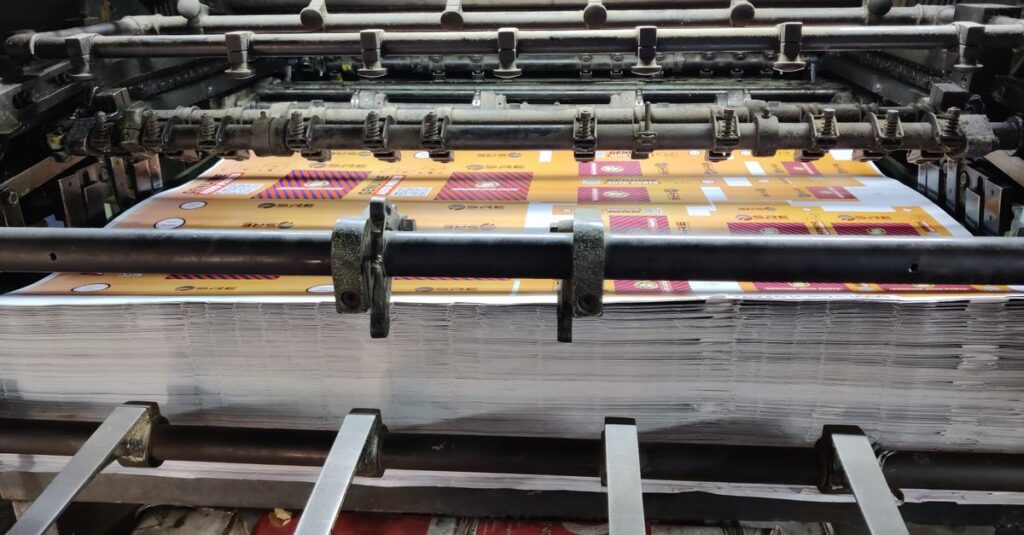
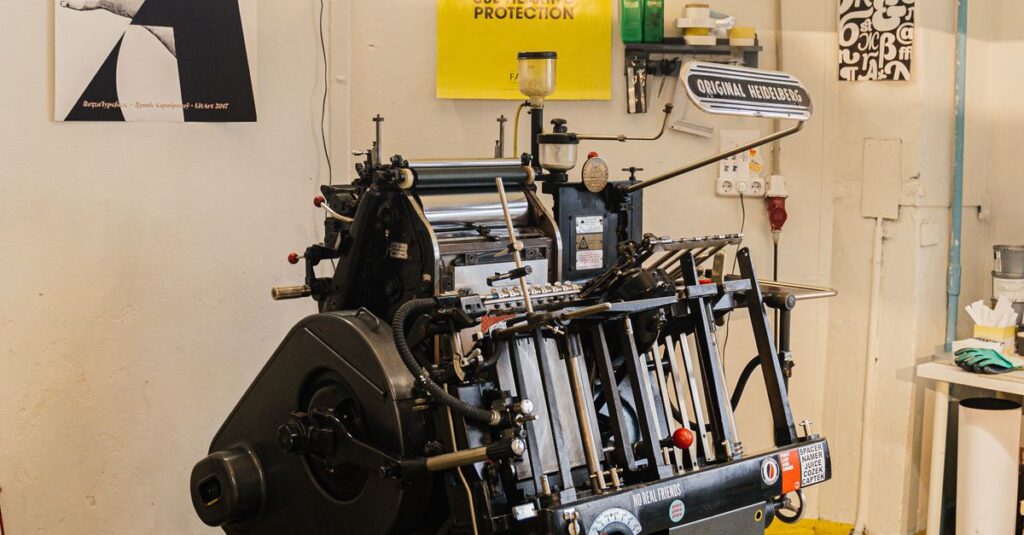
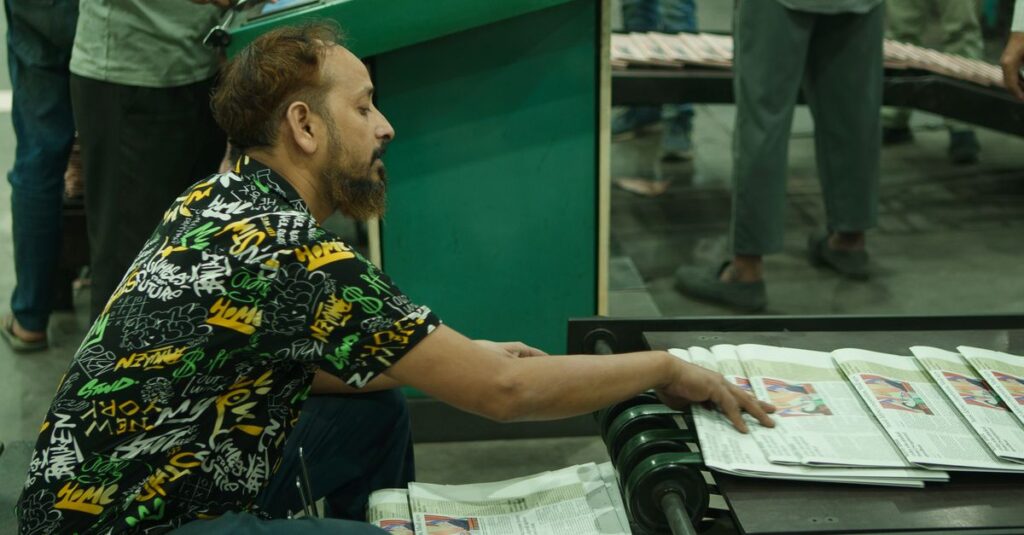
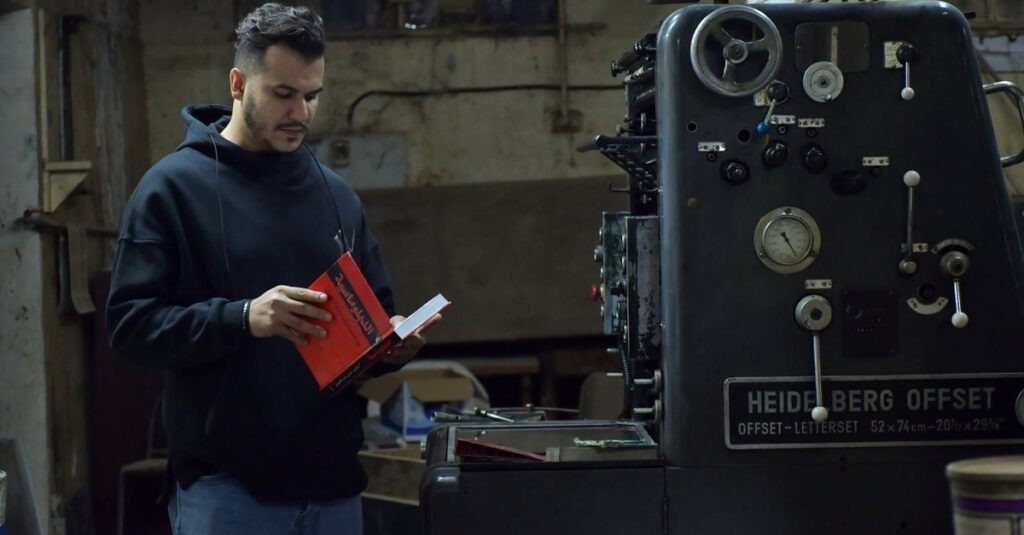
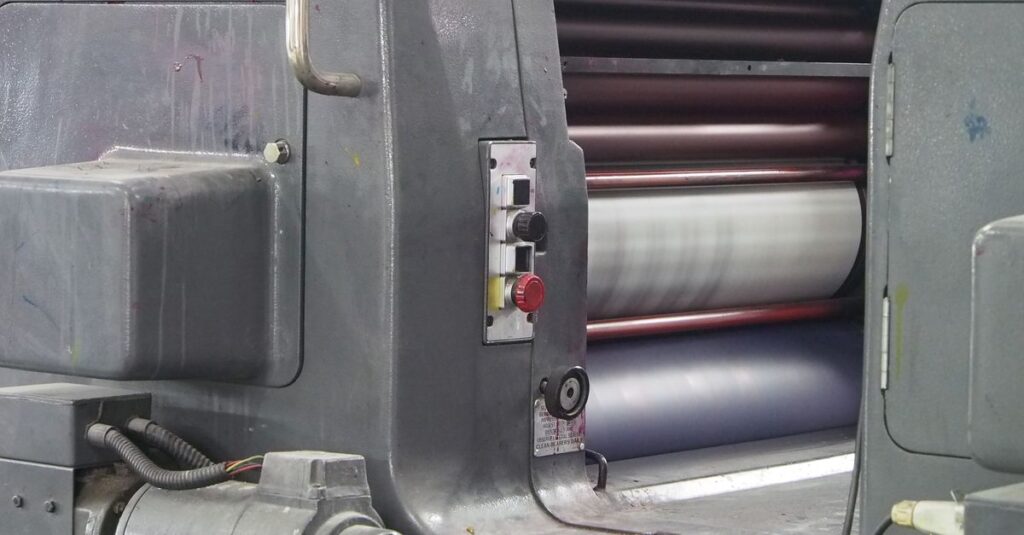
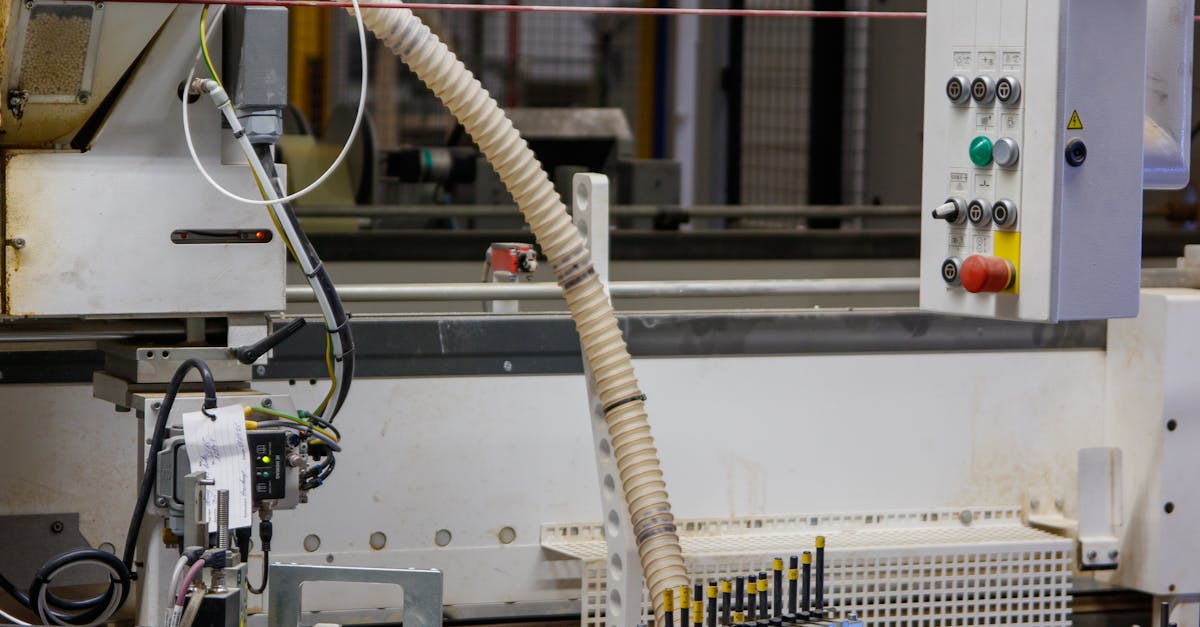
Here’s the breakdown nobody tells you when you walk into a local printing store with a big idea. They see a print job. We see a manufacturing process. It’s the difference between buying a pre-made sandwich and owning the kitchen that makes the bread. A local printer focuses on short runs, flyers, business cards. Their machine is set up for small, quick jobs. Ask them for 10,000 spiral-bound notebooks with a custom cover, and you’ll watch their eyes glaze over. The quote will be astronomical because they’d have to source everything from a wholesaler and hope it all arrives on time. We’ve been on the factory floor since 1985. The paper comes in on rolls. The binding wire is spooled up in the corner. The printing, cutting, and stitching happen in one continuous flow. That’s why “colour printing near me” is such a misleading phrase. You need colour printing, yes. But you need it as part of a system built for volume and durability.
A Quick Story from Last Month
I was on a call with a procurement guy from a tech startup in Hyderabad. Let’s call him Rohan. He needed 2,500 welcome kits for new hires — custom notebooks, pens, the works. He’d gotten quotes from three “local printing services” in his area, all promising the moon. One quote was twice his budget. Another had a lead time of 12 weeks. The third kept changing the paper GSM on him. He was exhausted. He finally said, “I’m not buying printing. I’m buying a product.” That’s the moment the conversation changed. He wasn’t looking for a service near his office. He was looking for a factory that could reliably produce a product to his specs. The distance was irrelevant.
What You’re Actually Evaluating (And Probably Shouldn’t)
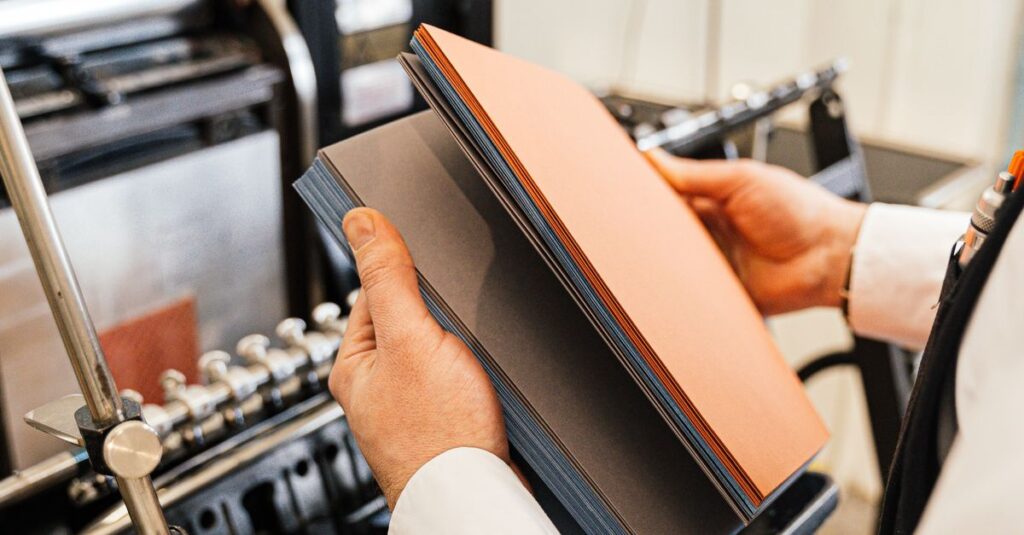
When you search locally, you end up comparing things that don’t ultimately matter. You compare shopfront aesthetics. You compare how friendly the salesperson is. You compare proximity for “easy pick-up.” For a box of brochures, fine. For an institutional order of school notebooks? Completely backwards. The things that actually determine if your notebooks are any good happen long before you ever see a sample. The paper sourcing — are they using 54 GSM writing paper that feels smooth, or cheap, chalky stock that bleeds? The binding — is it a proper stitched binding that lasts a school year, or just glue that gives up in a month? The colour consistency — can they run 40,000 covers and have the brand blue look identical on every single one? These aren’t printing questions. They’re manufacturing questions. And you can’t answer them by visiting a retail shop.
| Factor | Local Print Shop | Integrated Notebook Manufacturer |
|---|---|---|
| Core Business | Short-run printing, marketing collateral | Notebook & stationery manufacturing at scale |
| Paper Control | Buys pre-cut sheets from a distributor | Sources paper rolls directly, controls GSM & quality |
| Binding Capability | Often outsources or offers only simple staples | In-house stitching, spiral, and perfect binding lines |
| Cost Structure for Bulk | High (adds margin at each outsourced step) | Lower (vertical integration removes middlemen) |
| Lead Time for 10k Units | Unpredictable (depends on multiple suppliers) | Controlled & predictable (single factory flow) |
| Expertise | In graphic design & print setup | In paper science, binding durability, bulk logistics |
Expert Insight
I was reading an industry report last quarter — one of those dry, expensive ones — and one line stuck with me. It said the biggest cost in bulk stationery isn’t the materials or the labour. It’s the uncertainty. The cost of a shipment arriving late for a school term. The cost of 5% of notebooks having misaligned covers. The cost of having to re-order because the paper quality was wrong. A local printer can’t control that uncertainty because they don’t control the chain. A manufacturer’s entire process is designed to eliminate it. That’s the real thing you’re buying. Not colour. Not even paper. You’re buying the removal of headache. And you can’t get that from a Google Maps pin labeled “printing near me.”
The Real Questions to Start Asking
So, if you stop searching for a location and start searching for a capability, what do you ask? The conversation flips completely. Don’t ask “Can you print this?” Ask “How do you source your paper, and what’s your standard GSM for long notebooks?” Don’t ask “Are you near my office?” Ask “What’s your production capacity per day, and can you handle a 50,000-unit order for a June delivery?” The shift is subtle but massive. You’re no longer a customer asking for a favour. You’re a procurement partner evaluating a supply chain. This is how businesses that order year after year actually operate. They find a manufacturer they trust — whether it’s in the same city or a thousand miles away — and they build a relationship. The proof is always in the sample. Not a glossy PDF, but a physical, off-the-production-line notebook you can bend, write in, and throw in a bag for a week.
By the way, this is where most people get stuck. They think building that relationship is complex. It starts with one spec sheet. We ask for yours, or help you create one. Simple.
Common Myths About “Local” That Cost You Money
Let’s kill a few sacred cows. Myth one: Local means faster. For a ream of copied paper, sure. For a custom manufactured product? Almost never. If the local shop has to wait for materials from Gujarat and binding services from another suburb, you’re adding links to a slow chain. Myth two: Local means better service. It means easier to walk into and complain, sure. But does the person you’re complaining to actually have the authority to fix the problem at the source? Or are they just a sales agent who has to call someone else? Myth three: Local is essential for quality control. Have you ever visited a modern manufacturing facility? The QC checkpoints are built into the line. Every hundredth notebook gets checked for colour, stitching, pagination. That’s systemized quality. Relying on a local manager to “keep an eye on things” is hoping, not managing. Your time is better spent evaluating the system, not the shopfront.
Okay, So What Now? A Practical Shift.
Your next step isn’t another Google search. It’s a recalibration. Write down what you actually need. Not “colour printing,” but: Quantity. Size (Long? A4? Crown?). Page count. Ruling type. Cover material. Binding type. Delivery date. Budget per unit. That’s your spec. That’s your Bible. Then, look for manufacturers who ask for that spec immediately, not designers who want to talk about Pantone colours first. The colour is important — don’t get me wrong — but it’s the last 10% of the process. The first 90% is building a notebook that won’t disappoint the person who ends up using it. The student, the employee, the client. That’s who you’re really working for.
Frequently Asked Questions
I need notebooks fast. Won’t a local shop be quicker?
For truly bulk orders, usually not. A local shop’s timeline depends on their suppliers. A manufacturer with an integrated factory controls the entire schedule from paper to pallet. For urgent bulk needs, a manufacturer with clear capacity often beats a local shop waiting on parts.
Isn’t shipping from a manufacturer far away expensive and slow?
It’s a common worry, but it’s factored in. We ship bulk orders nationwide and internationally every day. The per-unit cost of professional logistics is often lower than the hidden markup a local shop adds for their coordination headaches. And reliability is higher.
Can you match a specific brand colour for my corporate diaries?
Yes, absolutely. That’s standard for any professional manufacturer. We work with Pantone codes or supplied artwork. The advantage is we can ensure that colour is consistent across 10,000 diaries, not just the first 100, because we control the ink and printing process.
What’s the minimum order for custom colour printed notebooks?
It varies, but for true custom work (your design, your specs), it often starts around 500-1000 units to be cost-effective. For standard notebooks with your logo, it can be lower. It’s always best to ask with your specific quantity in mind.
How do I know the paper quality if I can’t see it in person?
We send physical samples. Always. Before any large order, you get to hold, write in, and test the exact notebook we’ll produce. It’s the only way to build trust remotely. Any manufacturer worth working with will do this.
Wrapping This Up
The phrase “colour printing near me” is a symptom. It’s you looking for a solution in the wrong category. You don’t want a printing service. You want a production outcome. Durable, cost-effective, reliable notebooks delivered on time. The geography of the factory is the least interesting part of that equation. The capability is everything. I think a lot of procurement stress comes from trying to force a local, retail solution to solve an industrial, wholesale problem. It never quite fits. The good news? The industrial solution exists. It’s just not always the closest one on the map. The real question isn’t about proximity. It’s about whether you’re ready to stop managing print vendors and start partnering with a producer. And look — if you’ve read this far, you’re already most of the way there. You just need the right partner to click with.
If the idea of cutting out the middleman and dealing directly with the factory floor makes sense for your next order, let’s talk specifications, not just location.