What Sustainable Notebook Manufacturing Actually Looks Like in 2026
Let me be direct with you. The phrase “sustainable notebook manufacturing” gets thrown around a lot these days. And half the time? It means almost nothing. Just another buzzword on a website.
But here's what I've seen actually changing on the factory floor — not in some press release. Real shifts in how paper is sourced, how binding waste is handled, and what buyers are starting to demand. These are the sustainable notebook manufacturing trends in 2026 that actually matter if you're ordering in bulk.
I've been in this industry since long before “green” was a selling point. And honestly? Some of these changes are overdue. Some are surprisingly smart. A few are just clever marketing. I'll tell you which is which.
If you're a procurement manager or a distributor trying to figure out what's real and what's fluff, we've been thinking about this at Sri Rama Notebooks — partly because we have to, partly because it makes sense.
Trend #1: The Shift to FSC-Certified and Recycled Paper (It's Not Just a Label)
Three years ago, maybe one in ten bulk buyers asked about paper source. Now? It's closer to half. And the question isn't polite curiosity anymore — it's a checkbox on their procurement checklist.
The biggest shift I'm seeing in sustainable notebook manufacturing trends in 2026 is the move toward FSC-certified paper. Not just recycled content — though that's growing too — but certified virgin fiber from managed forests. The distinction matters.
What the Paper Options Actually Mean
- FSC-certified: Paper from forests managed responsibly. Traceable. Audited. Not cheap, but not outrageously priced either.
- Post-consumer recycled (PCR): Paper made from waste that's already been used. Usually 30-60% recycled content. Sometimes higher.
- Mixed source: Some certified, some recycled, some conventional. Most common in budget orders.
Here's something nobody tells you: recycled paper isn't always greener. The de-inking process uses chemicals. The fiber quality degrades. So FSC-certified virgin paper can actually have a lower environmental impact than heavily recycled stuff. I don't have a perfect answer for which is better. It depends.
The question isn't which label looks better on your website. It's what your actual supply chain can support.
Trend #2: Waste Reduction in Binding and Cutting — The Real Frontier
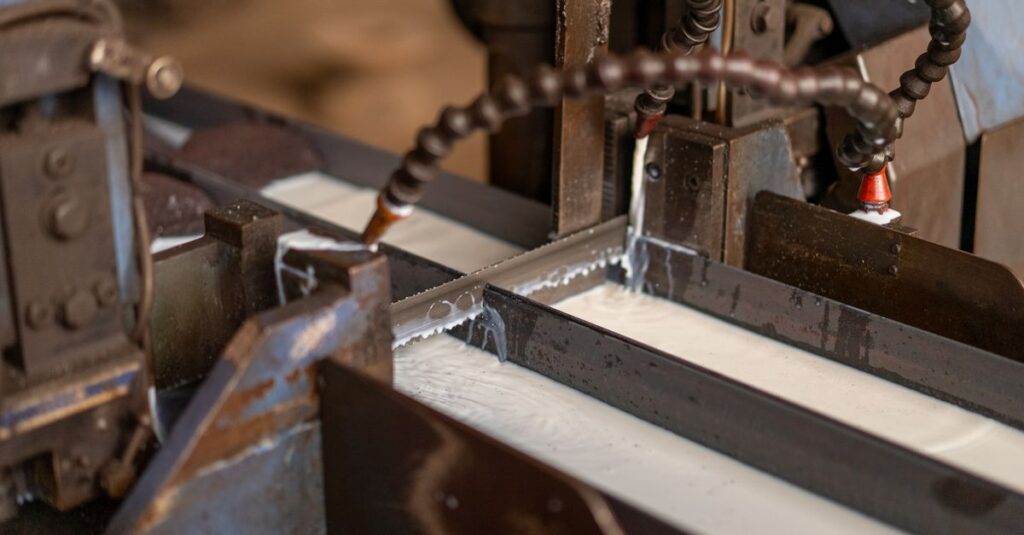
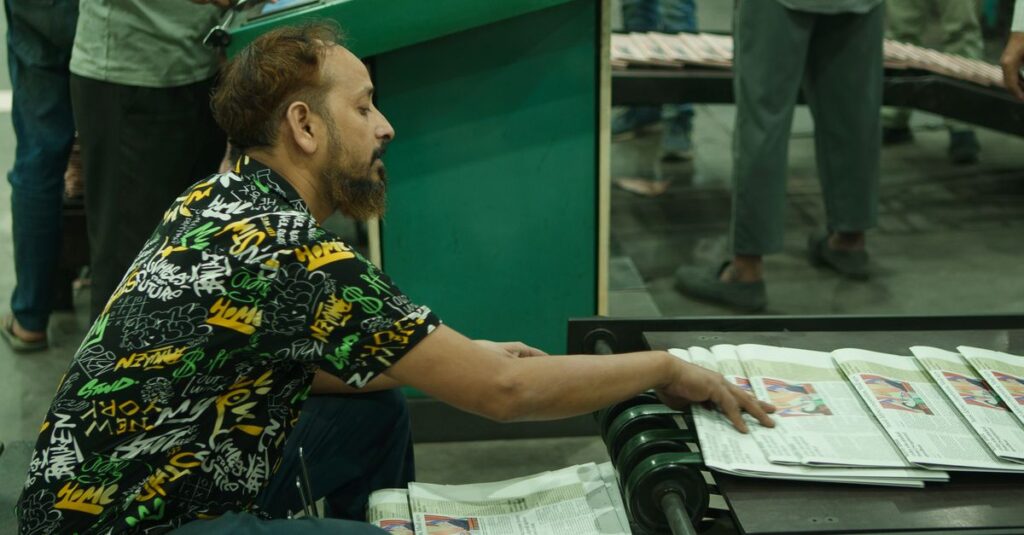
Most conversations about sustainability focus on paper. That's the obvious part. But if you actually walk through a notebook factory — which I've done more times than I can count — you'll see where the real waste happens.
It's not the paper. It's the cutting, the binding, the trim waste, the misprints, the overruns.
Let me tell you about a conversation I had last year. Sat down with a production manager — let's call him Rajesh — over lunch at a small place near our factory in Rajahmundry. He told me something I keep thinking about.
Micro-Story: Rajesh, 47, production manager. Has been in this business since he was 19. Lives near Dhanalakshmi Theatre in Rajahmundry. He told me his team reduced trim waste by 18% just by rearranging the cutting layout on one machine. “We were cutting A5 sheets with a 15mm margin,” he said. “For no reason. That was just how it was always done.” He changed the margin to 8mm. Nobody noticed. The notebooks looked exactly the same. The waste bin filled up slower. That's it. That's the story.
Anyway. The point is: sustainable notebook manufacturing trends in 2026 aren't just about grand initiatives. They're about these small, boring, production-floor changes. Optimized layouts. Digital cutting presets. Better maintenance so machines don't generate misprints.
But that's not sexy. So nobody talks about it.
Trend #3: Solar and Alternative Energy in Production Facilities
This one I'm slightly conflicted about. Not because it's bad — it's obviously good — but because the way it's marketed often stretches the truth.
Yes, more factories are installing solar panels. Yes, that reduces grid dependency. But here's the catch: most Indian manufacturing units, especially in smaller cities like Rajahmundry, run on a mixed grid. Solar covers maybe 20-30% of peak load on a good day. The rest comes from conventional sources. So when a manufacturer claims their notebooks are “solar-powered” — check what percentage they're actually talking about.
I'm not saying it's dishonest. I'm saying it's incomplete.
Comparison Table: Energy Sources in Notebook Manufacturing (2026)
| Energy Source | Typical Adoption | Real Coverage | Cost Impact |
|---|---|---|---|
| Solar rooftop | Growing fast in South India | 20-35% of total needs | High upfront, savings in 3-4 years |
| Grid electricity | Still primary for most | 60-80% of total needs | Rising, unpredictable rates |
| Biomass/biofuel | Rare, mostly in rural units | Under 5% in notebook sector | Cheaper but inconsistent supply |
| Wind (hybrid) | Very limited in AP/TN clusters | Under 2% | High setup cost, location dependent |
So when you ask your supplier about energy use, don't accept a one-word answer. Ask for percentages. Ask for months of the year when solar actually works. The honest ones will tell you.
Trend #4: Biodegradable and Minimalist Packaging — The Plastic Problem Nobody Solved Yet
Here's where I get a bit frustrated. Look at any notebook order. The notebooks themselves might be fairly sustainable. But they arrive wrapped in plastic. Then stacked in cardboard boxes. Then sealed with plastic tape. Then shrink-wrapped on a pallet.
I was speaking with a buyer from Dubai last month — actually, it was a Thursday afternoon, I remember because I'd just finished my second cup of tea — and she said something that stuck with me. “The notebooks are great. But I can't reuse the packaging. It goes straight to landfill.”
So sustainable notebook manufacturing trends in 2026 are finally catching up to this problem. A few things I'm watching:
- Starch-based biodegradable wraps instead of polypropylene — dissolves in water, costs 15-20% more
- Kraft paper bundling with jute twine — looks great, functional, but less moisture protection
- Returnable plastic crates for local bulk deliveries — not new, but more manufacturers are offering this
- Water-based inks for printing outer cartons — basic but widely adopted now
The truth is, none of these solutions are perfect. Biodegradable wraps don't hold up in humid conditions. Kraft paper tears. The plastic crate system requires logistics coordination that small buyers don't have. I don't think there's one answer here. Probably there isn't.
Expert Insight: I was reading through some industry notes from a European paper trade show earlier this year — not something I usually do, but it was slow that evening — and one line from a packaging engineer kept me up. She said something like: “We've optimized the notebook itself to 95% sustainability. The packaging is still at 40%. We don't talk about that because we don't know how to fix it.” I don't have a cleaner way to put it than that. We're all figuring this out as we go.
Trend #5: Digital Watermarks and Traceability — Tracking a Notebook From Tree to Shelf
This one sounds like science fiction. It's not. It's already happening in European markets, and it's slowly coming to India.
Digital watermarks — tiny, invisible codes printed on the paper itself — allow a buyer to scan a notebook with their phone and see where the paper was sourced, which mill produced it, when it was bound, and sometimes even the batch number. It's essentially a blockchain for paper, minus the crypto nonsense.
I think — and I could be wrong — that this will become a requirement for export orders within two years. Some Gulf countries are already asking for it. The UK buyers I've spoken to are “interested but not mandating yet.” Give it time.
For now, most Indian manufacturers aren't equipped for this. The technology requires specific printing equipment and a traceability system that smaller factories don't have. But the ones that invest early? They'll own the export market. That's just how it works.
Which brings me to a question I don't have the answer to: how long before domestic buyers in India start demanding the same transparency?
Frequently Asked Questions
Frequently Asked Questions
What is sustainable notebook manufacturing?
It means producing notebooks with minimal environmental impact — using recycled or certified paper, reducing waste in cutting and binding, switching to cleaner energy, and using biodegradable packaging. Not just marketing. Actual supply chain changes.
Are sustainable notebooks more expensive than regular ones?
Usually 10-25% more, depending on the paper type and packaging. FSC-certified paper costs more than conventional. Biodegradable wraps add cost. But as demand rises and processes improve, the gap is narrowing. Bulk orders reduce the difference significantly.
Can I get custom printed sustainable notebooks for my company?
Yes. Many manufacturers now offer custom printing on recycled or FSC paper. Logo printing, foil stamping, embossing — all possible. The key is asking early in the process so the mill and production line are set up correctly.
How do I verify if a notebook manufacturer is actually sustainable?
Ask for FSC certification numbers. Request a factory visit or video walkthrough. Inquire about waste percentage, energy sources, and packaging materials. If they give vague answers, that's your answer. Real sustainable manufacturers can show you specifics.
What sustainable notebook manufacturing trends in 2026 should bulk buyers watch?
Four things: FSC/recycled paper adoption, binding waste reduction techniques, solar energy integration, and packaging alternatives to plastic. The fifth — digital traceability — is coming fast. Buyers who start asking now will be ahead when it becomes standard.
.
What This Actually Means for Your Next Bulk Order
I've been writing for a while now, so let me keep this short. Three things I'd want you to take away from this.
One: Sustainable notebook manufacturing trends in 2026 are real, but uneven. Some manufacturers are genuinely changing their process. Others are just slapping a green label on the same old product. You have to ask the right questions.
Two: The biggest gains aren't in paper — they're in waste reduction and packaging. That's where the actual environmental impact lives. And that's where most buyers aren't looking.
Three: I don't think there's a perfect sustainable notebook yet. Probably there isn't going to be one. Every choice comes with trade-offs. But if you start asking your suppliers these questions now, you'll force the market to move faster. That's how change actually happens — not through grand announcements, but through procurement managers saying “I need to see your waste data before I place this order.”
If that sounds like something you'd want to talk through, we're here at Sri Rama Notebooks. Call us. Email us. Come visit the factory in Rajahmundry if you're nearby. I'll put the tea on.