The Real Cost Isn't Always Visible
Here’s a truth that doesn’t get talked about enough: the cheapest print job is almost never the cheapest in the long run. I’ve watched procurement managers grin at a low quote, then wince six months later when the notebooks start shedding pages or the ink fades. That’s not a saving — that’s a tax on your patience.
What most people miss? The hidden costs stack up fast.
- Waste. Misprints, smudged logos, inconsistent cuts — all that paper gets thrown out.
- Brand damage. A cheap diary with a crooked logo says more about your company than you think.
- Reordering. When the first batch fails, you order again. And again. Suddenly that “bargain” cost 40% more.
So how do businesses reduce printing costs without losing quality? They stop treating printing as a low-bid race. They look at total cost — including the hidden stuff. And they choose suppliers who don’t cut corners in the first place.
I’m not saying go premium on everything. But there’s a middle ground. One where you don’t have to apologize for your stationery.
And honestly? That middle ground starts with knowing your numbers — not just the unit price, but what each notebook actually costs you over a year.
A Real Story: What Rajesh Learned the Hard Way
Rajesh works as a procurement manager in Hyderabad. 38 years old. Deals with bulk orders for a mid-sized IT firm. Last year he needed 5,000 corporate diaries. He went with the lowest quote — a local printer who promised “same quality at half the price.”
He got the delivery on a Wednesday. The cover had a scratch. Inside, the logo was slightly blurred. He let it slide because the price was good. Then employees complained. One diary fell apart after three weeks. Another had pages missing.
Rajesh called the printer. The guy said “these things happen.” That was it.
He ended up placing a second order with a different supplier — this time paying 30% more per unit. But he didn’t stop there. He told me later that the worst part wasn’t the money. It was having to explain to his boss why the “savings” cost twice as much.
What Actually Works: Practical Ways to Cut Printing Costs
I’ve been doing this since 1985 — not as a procurement guy, but on the manufacturing side. So I’ve seen what works and what doesn’t. The secret isn’t one big hack. It’s a combination of small decisions that add up.
1. Order Smarter, Not Cheaper
Bulk orders always lower the per-unit cost. But there’s a sweet spot. Too few and you lose economies of scale. Too many and you’re stuck with outdated stationery. Aim for 6-12 months of supply. That’s usually the Goldilocks zone.
2. Stick to Standard Sizes
Custom sizes are expensive. They require special paper cutting, sometimes new dies. Standard sizes like A5, B5, or our King size (23.6 cm x 17.3 cm) are produced in massive volumes — which means lower prices. If you can fit your content into a standard format, you’ll save 15-20% easily.
3. Choose the Right Paper Grade
Not every notebook needs 80 GSM paper. For internal memos or temporary notes, 54 GSM is perfectly fine. Save the thicker paper for client-facing products. Talk to your supplier about grades — most will offer options.
| Paper Grade (GSM) | Best For | Cost per Unit (approx.) |
|---|---|---|
| 54 GSM | Internal notes, bulk school notebooks | Lowest |
| 60 GSM | Standard office diaries | Moderate |
| 70 GSM | Premium corporate diaries | Higher |
| 80 GSM | Luxury or presentation notebooks | Highest |
See? You can mix grades across your order and save significantly.
Expert Insight
I remember a client — I think it was in 2019 — who insisted on the cheapest possible binding for a run of 20,000 notebooks. Perfect binding, no stitching. The first batch arrived looking fine, but after two months the spines started cracking. He called me angry, but I couldn’t fix cheap glue. That experience stuck with me. Nine times out of ten, you get what you pay for. But if you pick the right combination — standard size, sensible paper, simple logo printing — you can cut 30% without sacrificing a thing.
Comparison: Offset vs Digital Printing for Bulk Notebooks
Here’s a table that might help you decide which method fits your needs. I’ve seen both work, but they serve different situations.
| Factor | Offset Printing | Digital Printing |
|---|---|---|
| Best for quantity | 500+ units | Small batches (50-500) |
| Setup cost | Higher (plate making) | Low to none |
| Per-unit cost above 1000 | Very low | Higher |
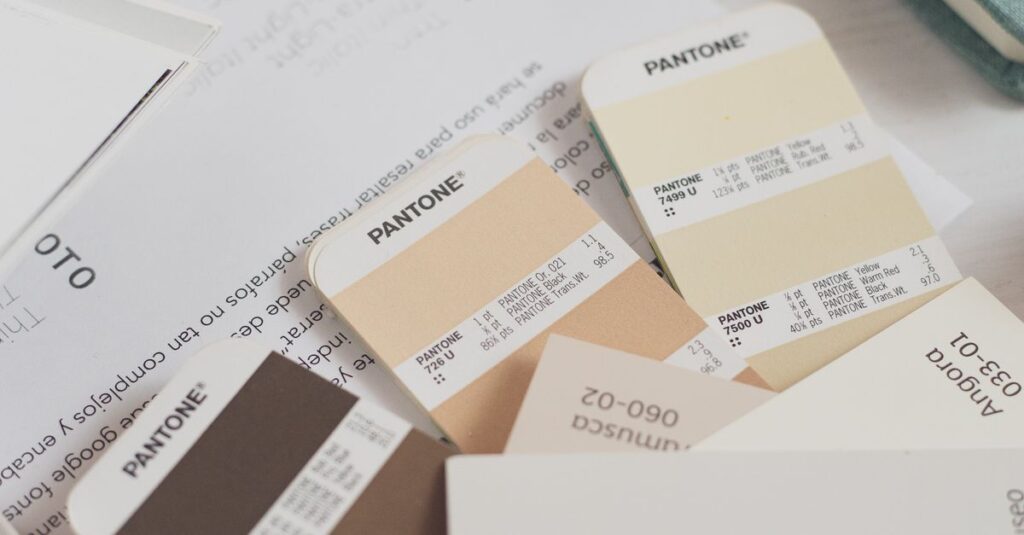
| Color accuracy | Excellent, matches Pantone | Good but can vary |
| Paper options | Wide range | Limited to digital-compatible stock |
| Turnaround time | Longer (setup) | Faster |
| Ideal for custom designs | Yes, especially simple logos | Yes, variable data possible |
The smart move? If you’re ordering more than 1,000 notebooks, offset is almost always cheaper per unit and gives you sharper logos. If you need 200 notebooks for a one-off event, digital saves the setup fee.
Frequently Asked Questions
Frequently Asked Questions
How can I reduce printing costs for bulk notebooks?
Order in larger quantities to get volume discounts, choose standard sizes like A5 or King, and pick a lower paper grade (e.g., 54 GSM) for internal use. Also, negotiate with your manufacturer for bundled pricing on covers and binding.
What is the cheapest binding method for notebooks?
Stitched binding is usually the most cost-effective for high-volume orders. Spiral binding costs a bit more but offers lay-flat convenience. Perfect binding looks premium but costs more and can be less durable for heavy use.
Does custom printing always cost more?
Not necessarily. If you keep the design simple — one or two colors, no foil stamping — custom printing can be affordable. Complex designs with embossing or multiple colors increase setup and production time. Ask your printer for a tiered quote.
Can I save money by using recycled paper?
Sometimes, but not always. Recycled paper can be similar in price to virgin paper, though it may have a less uniform finish. For notebooks, 54 GSM recycled paper is available and works well for general notes. Check with your supplier.
How do I balance cost and quality for corporate diaries?
Focus on three things: choose a standard size, use one-color logo printing (or simple foil), and pick a mid-range paper like 70 GSM. That gives a professional look without the premium price tag. Avoid custom covers unless you need them.
So, Where Does That Leave You?
Look, I’ve been making notebooks for almost forty years. And in that time, I’ve learned that cost-cutting without quality loss isn’t a myth — it’s just a discipline. You have to know your real needs, talk to the right people, and resist the temptation to go bottom-dollar. Because bottom-dollar usually means bottom-quality.
But here’s the thing: it’s not about making one perfect choice. It’s about a hundred small ones. Standard sizes. Bulk quantities. Simple designs. Reliable binding. Those add up to real savings.
If you’re still trying to figure out how businesses reduce printing costs without losing quality, maybe the answer is just: stop treating it like a gamble. Treat it like a partnership. And find a manufacturer who’s been around long enough to know both the shortcuts and the traps.
Sri Rama Notebooks — since 1985. We’d be happy to talk.