


Something Changed – And Fast
I’ll be blunt: if you’re in packaging printing and you haven’t looked at your setup in the last three years, you’re probably already behind. Not a little behind. I mean, playing-catch-up-in-a-race kind of behind. The future of packaging printing industry in India is moving sideways, forward, and sometimes backward – and it doesn’t care about your comfort zone. I’ve seen small shops in Rajahmundry buying digital presses next to old Heidelbergs, and that mix alone tells you something. This industry isn’t dying. It’s splitting. If that sounds messy, it’s because it is. But if you’re a corporate buyer or a school ordering notebooks in bulk, what does this mean for you? Maybe a lot. Because how your notebooks get packaged, how your logo gets printed on that cover – that’s changing too. And honestly? That’s a good thing. Sri Rama Notebooks has been watching these shifts since 1985, and I can tell you one thing: the ones who adapt first win.
Digital vs Offset: The Fight That Isn’t Really a Fight
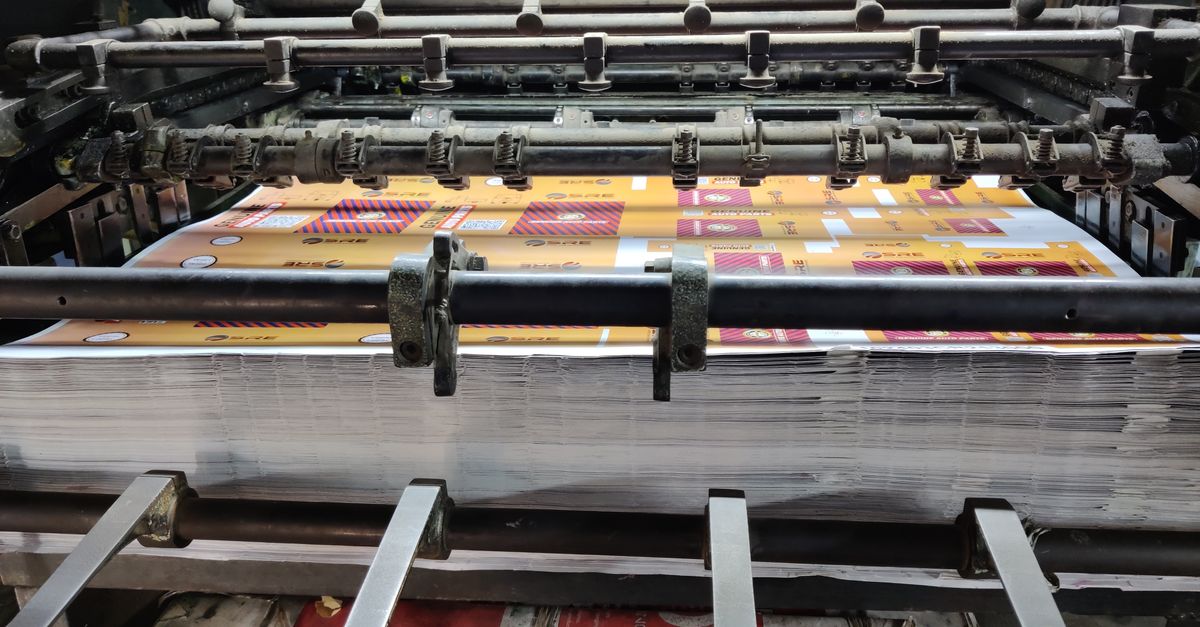
For years, offset printing was the only game in town. Long runs, great color, cheap per unit. But here’s the thing – not everyone needs a lakh copies anymore. A school in a small town might want 500 custom diaries. A corporate office might need 200 diaries with specific pages. That’s where digital makes sense. No plates, no setup, just fire the file and go. But offset is still king for huge orders. So it’s not a war; it’s a toolset. The future of packaging printing industry in India will belong to shops that can do both. Let me break it down:
| Feature | Offset Printing | Digital Printing |
|---|---|---|
| Setup time | 30–60 minutes (plates) | Minutes (file upload) |
| Per-unit cost for small runs | High (setup kills it) | Low (no plates) |
| Per-unit cost for large runs | Low (economies of scale) | High (per-click cost) |
| Color accuracy | Excellent (Pantone matching) | Good (getting better) |
| Customization (variable data) | Nearly impossible | Easy (each copy different) |
| Typical order size | 5,000+ units | 1–1,000 units |
I talked to a printer in Vijayawada last month. He said his digital press paid for itself in 18 months just from short-run wedding invitations. That’s not packaging, but it’s the same logic. The question isn’t which is better. The question is: can you offer both? Because that’s where the market is heading.
Sustainability: Not a Trend, a Threshold
I remember when “green packaging” meant using recycled cardboard that looked like wet newsprint. Not anymore. Every buyer I talk to – schools, corporate procurement managers, even government tenders – asks about sustainable materials. And they’re not just curious. They’re putting it in contracts. If your packaging can’t prove its eco-credentials, you’re out. That’s a big deal for the future of packaging printing industry in India. Let me introduce you to Anjali, 34, procurement head at a chain of 20 schools in Bengaluru. She told me last year: “I had to reject three suppliers because they used plastic lamination on notebook covers. The schools are pushing for biodegradable. I had no choice.” She wasn’t happy about it – it raised costs. But she did it. And now her suppliers are scrambling to offer water-based coatings and recycled paper. That’s the shift. Not because everyone feels warm about the planet, but because the buyer said so. And buyers are starting to say so more often. The real opportunity? Smart printers are positioning themselves as sustainability partners. Not “green washing” – actual measurable reductions. That builds trust. And trust is the only thing that keeps a client.
Expert Insight
A few years ago I was at a printing expo in Mumbai, standing next to a machine that printed directly onto corrugated boxes. The salesman was explaining how it eliminated the need for labels. And he said something I still think about: “The future isn’t printing on boxes. It’s printing the box itself.” That stuck. Because it’s not just about the ink anymore. It’s about the entire substrate becoming a canvas. I don’t know if that’s the final destination, but it’s the direction.
Customization: From Logo to Story
Let’s be real – a plain brown box with a barcode is boring. Your customer doesn’t just want a notebook. They want a notebook that feels like theirs. That means embossing, foil stamping, spot UV, custom page layouts, private labels. And the printing industry is catching up. The future of packaging printing industry in India isn’t about mass production of identical boxes. It’s about mass production of unique experiences. And digital printing makes that possible without killing your budget. For example, we at Sri Rama Notebooks now offer fully custom notebook covers for orders as low as 500 units. That would have been impossible with offset a decade ago. So if you’re a wholesaler thinking, “I can’t compete with big factories,” think again. You can offer personalization that big factories can’t touch. That’s your edge.
Data-Driven Packaging: The Quiet Revolution
Most people don’t think of packaging as data. But it is. Every barcode, every QR code, every RFID tag is a point of information. The future of packaging printing industry in India is increasingly about integrating smart features into the packaging itself. Imagine a notebook with a QR code that leads to an e-book or a tutorial. Imagine a school diary with embedded NFC for attendance tracking. Sounds futuristic? It’s already being tested. And the printers that invest in digital capabilities today will be the ones able to offer these services tomorrow. I’m not saying everyone needs to become a tech company. But if you’re a procurement manager reading this, ask your printer: “Can you print variable QR codes on my order?” If they look confused, that’s a red flag. Because this is where the market is moving. Not just in India – globally. And India, with its huge consumer base, is actually leading some of these innovations.
What This Means for Notebook and Diary Orders
Okay, so let’s tie this back to notebooks, because that’s what we do. The same trends apply. Better packaging = better shelf appeal. Eco-friendly materials = winning government and school tenders. Short-run digital printing = you can test new designs without a huge risk. And customization? That’s the name of the game. If you’re a distributor looking for a notebook manufacturer who gets this, don’t settle for a company that only does bulk orders with one cover design. The future of packaging printing industry in India is already here, and it’s demanding flexibility. We’ve been adapting since 1985, and we’re not stopping now.
Frequently Asked Questions
What is driving the growth of packaging printing in India?
The rise of e-commerce, increased demand for branded packaging, and the push for sustainable materials are the biggest drivers. Consumer expectations for premium unboxing experiences also push brands to invest in better printing.
Will digital printing completely replace offset printing in packaging?
No. Digital is ideal for short runs, personalization, and quick turnaround. Offset remains more cost-effective for long runs with consistent quality. The most successful printers will offer both. Each has its place.
What sustainable packaging options are available for notebooks?
Options include using recycled paper, vegetable-based inks, water-based coatings, and biodegradable shrink wrap. Some manufacturers also offer FSC-certified paper and minimal packaging designs to reduce waste.
How can small businesses benefit from new packaging printing technologies?
Small businesses can use digital printing to order small custom runs of packaging without high setup costs. This lets them test designs, create limited editions, and respond quickly to market trends without inventory risk.
How does packaging printing affect the cost of custom notebooks?
Packaging is a significant part of the final cost. Digital printing adds flexibility for small orders but may be higher per unit. Offset is cheaper for large orders. Custom finishes like embossing or foil stamping increase cost but add perceived value.
So Where Do We Go From Here?
I don’t have a clean answer. Nobody does. The future of packaging printing industry in India is still being written, and it’s messy. But here’s what I know: the printers who invest in digital capabilities, sustainability, and customization will survive. The ones who don’t? They’ll be left printing 20-year-old designs for a shrinking market. For buyers, that means you have more power than ever. You can demand better packaging, faster turnaround, and lower waste. Don’t settle. If you’re ordering bulk notebooks or diaries and want a partner who actually gets these changes, Sri Rama Notebooks is ready to talk.