

What Even Counts as a Small Diary?
I was on a call last week with a procurement manager from a bank in Hyderabad. He kept asking for a “small diary.” I asked him what that meant. He paused. “You know — small.”
Here’s the thing: “small diary” means different things to different people. To some, it’s an A5 size. To others, it’s something that fits in a shirt pocket. And honestly? Both are right. But if you’re ordering in bulk — for a company, a school, or a corporate event — “small” isn’t specific enough to get what you actually need.
Most people I’ve spoken to assume a small diary is just a shorter version of a standard notebook. That’s not quite accurate. A small diary has its own dimensions, binding requirements, and use cases. And if you’re sourcing from a manufacturer like Sri Rama Notebooks, getting the size right saves you from ending up with a batch that nobody wants to carry.
So let’s untangle this.
Common Small Diary Sizes and When They Work
The diary industry uses specific size names. But if you’re a buyer, you probably don’t care what the industry calls it — you care whether it fits in a bag, a drawer, or a hand.
Let me break down the three most common “small diary” sizes we produce at our factory in Rajahmundry.
A5 Size Diary (148mm x 210mm)
This is the closest thing to a standard. It’s about half a sheet of A4 paper. Big enough to write a decent paragraph. Small enough to not be bulky.
Who uses it? Corporate employees. Project managers. Sales teams. It sits on a desk or slides into a laptop bag without complaint.
Pocket Size Diary (90mm x 140mm)
This is what most people imagine when they say “small diary.” Fits in a jacket pocket. Works for quick notes, daily planning, or just looking busy at a meeting.
But here’s the catch — writing space is limited. You can’t fit detailed meeting notes. It’s more for lists, reminders, and quick thoughts.
Mini Diary (70mm x 100mm)
This one is tiny. Almost cute. But I’ve seen bulk orders for these go to pharmaceutical reps and field sales teams who need something ultra-portable.
The trade-off: you’re getting maybe 30-40 pages of usable space. That’s fine for a month or two. Not for the whole year.
Comparison: Pocket vs A5 Small Diary
Let me show you what the real differences look like. Because sometimes you need to see it side by side to decide.
| Feature | Pocket Diary (90x140mm) | A5 Diary (148x210mm) |
|---|---|---|
| Portability | Fits in shirt/jacket pocket | Fits in laptop bag |
| Writing space per page | Limited (2-3 lines per note) | Good (paragraph-length entries) |
| Best for | Field work, quick lists, reminders | Desk use, planning, detailed notes |
| Typical page count | 120-200 pages | 200-400 pages |
| Binding preference | Stitched or spiral | Perfect or stitched |
| Customization space | Small logo on cover only | Full cover + spine branding |
| Bulk cost per unit | Slightly lower | Slightly higher |
Which one is better? That depends on what your team actually does all day. And I don’t mean what their job title says — I mean where they are, what they carry, and whether they actually write things down.
What Most Buyers Get Wrong About Small Diaries
I’ve been on the manufacturing side for a while now. And I keep seeing the same mistake.
Someone orders a “small diary” for a conference giveaway. They pick a size. They get 5,000 units delivered. And then the feedback comes in: “These are too small to write in.” Or “They don’t fit in our standard bags.”
The mistake: assuming “small” is enough information.
Here’s what you actually need to specify:
- Exact dimensions in mm
- Page count (not just thickness)
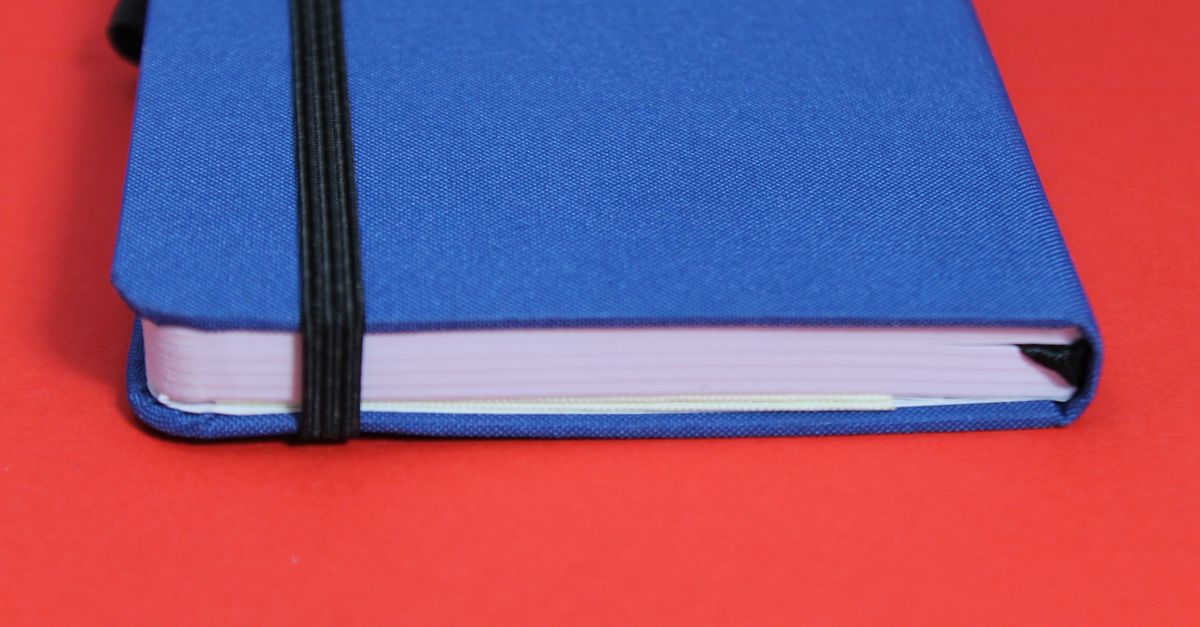
- Binding type (spiral diaries lie flat; stitched ones don’t)
- Paper GSM (thin paper = less bulk but more show-through)
- Cover material (hardcover vs softcover changes the weight significantly)
I remember a client from Dubai ordering pocket diaries for a sales team. He specified “pocket size.” When the samples arrived, his team complained because the diary didn’t fit in their uniform pockets — the pockets were smaller than standard. We had to redo the whole order at 80mm x 120mm instead.
The lesson: if you’re not measuring, you’re guessing.
Expert Insight
I was talking to a paper supplier last month — he’s been in this business longer than I’ve been alive. He told me something I keep thinking about. He said the most returned product in stationery isn’t bad paper or broken binding. It’s wrong size. “People don’t return because the paper is bad,” he said. “They return because it doesn’t fit anywhere.”
I don’t have a cleaner way to put it than that. Size matters more than quality in the first five seconds of holding a diary.
Real Story: How One School Switched to Pocket Diaries
Let me tell you about Ravi. He’s 42, a vice principal at a private school in Vizag. He handles all the stationery procurement for 1,200 students.
For years, they ordered standard A5 diaries for students. Every year, the same complaint from parents: “The diary is too heavy. The bag is already full.”
Ravi almost ignored it. But then his own son — who studies at the same school — left his diary at home three days in a row. Not because he forgot it. Because he didn’t want to carry it.
So Ravi reached out. We talked about switching to a pocket-size diary for the younger classes. 90mm x 140mm. Spiral bound. 120 pages. Soft cover. Light enough that a 10-year-old wouldn’t complain.
They ordered 600 units for a trial. The feedback? Teachers said students actually used the diaries. Parents stopped complaining. Ravi switched the whole school the next year.
Sometimes the smallest change — literally — is the one that works.
Customizing a Small Diary for Bulk Orders
If you’re ordering in bulk — and I mean 500 units or more — you have options beyond just picking a size. This is where a manufacturer like ours can actually make a difference.
What You Can Customize on a Small Diary
- Cover printing — foil stamping, embossing, or screen printing your logo
- Paper quality — 54 GSM for everyday use, 70 GSM if you want less ink bleed
- Binding — stitched for durability, spiral for laying flat, perfect binding for a premium feel
- Page layout – daily, weekly, monthly, or blank. We can mix layouts in one diary
- Ribbon bookmark — a small thing, but people notice it
Most of our corporate clients go with stitched binding for small diaries. here’s why — perfect binding on a very small book can crack at the spine if it’s used heavily. Stitched binding holds up better.
(I’m simplifying, but you get the point.)
If you’re considering custom printed diaries for your organization, we’ve worked with banks, insurance companies, schools, and even a few government departments. Each one wanted something slightly different. That’s the norm, not the exception.
Frequently Asked Questions
Frequently Asked Questions
What is the standard size of a small diary?
There’s no single standard, but most people mean either A5 (148mm x 210mm) or pocket size (90mm x 140mm) when they say “small diary.” Always check the exact dimensions before ordering bulk quantities.
Can I get a small diary with my company logo on it?
Yes. Most manufacturers, including Sri Rama Notebooks, offer logo printing, foil stamping, and embossing on small diaries. For very small diaries, the logo space is limited, so simple designs work best.
Which binding is best for a small diary used daily?
Stitched binding is the most durable option for small diaries used every day. Spiral binding works well if you need the diary to lie flat on a desk. Avoid perfect binding for very small sizes — the spine can crack.
How many pages can a small diary have?
Most small diaries range from 60 to 240 pages. Mini diaries (70mm x 100mm) rarely exceed 120 pages because the paper stack becomes thick and uncomfortable to write on.
What is the minimum order quantity for custom small diaries?
For customized small diaries with logo printing, most manufacturers require a minimum of 500 to 1,000 units. Plain or unbranded small diaries may have lower minimums. We can discuss your specific requirement if you call or email us.
So, What Size Should You Pick?
Look, I don’t think there’s one right answer here. Probably there isn’t. It depends on who’s using the diary, where they’ll carry it, and what they’ll actually write in it.
But here are two things I keep coming back to:
- If your people are desk-based, go A5. It’s the most forgiving size.
- If they’re on their feet all day, go pocket. But measure the pocket first.
The third takeaway — and this is the one nobody says out loud — is that the best small diary is the one people actually use. Not the one that looks good in a catalog.
We’ve been making diaries since 1985. If you want to talk through what size works for your team, Sri Rama Notebooks is where you’ll find us.