So You Need a Spiral Notebook 300 Pages — Let’s Talk
You’re either someone who writes a lot, or someone who orders for people who write a lot. Either way, you landed on “spiral notebook 300 pages” for a reason. Maybe you’ve had notebooks that fell apart halfway through. Or the paper was so thin you could see the shadow of your writing from three pages back. I get it.
That’s the thing about buying notebooks in bulk — you can’t test each one. You have to trust the build, the paper, the binding. And when you’re handing them out to students or employees, you don’t want complaints about flimsy covers or pages that tear out.
A spiral notebook 300 pages is a specific animal. Not too thin, not too thick. Spiral binding means it lies flat, flips over, folds back — exactly what someone who writes fast needs. But not all spirals are created equal. And not all 300-page notebooks hold up the same way.
That’s what I want to unpack here. No fluff. Just what I’ve seen working at Sri Rama Notebooks for the last few years.
Why 300 Pages? The Sweet Spot Nobody Talks About
Most notebooks stop at 200 pages. Beyond that, they get heavy. The spine strains. The cover bows. But 300 pages — that’s the number that makes sense for a lot of real use cases. Think about it: a semester’s worth of notes. A project binder. A year of daily journaling. One single notebook that lasts.
I’ve had procurement managers tell me they hate switching notebooks mid-term. Students lose things. Employees misplace them. A 300-page notebook reduces that risk — fewer replacements, less waste.
Here’s what most people don’t consider, though:
- Paper quality — 300 pages means more weight. If the paper is too thin, you’ll see through it. Aim for at least 60 GSM, or 70 GSM if you use gel pens.
- Spiral strength — The wire has to hold 300 sheets. Cheap spirals bend after a few flips.
- Cover rigidity — A soft cover on 300 pages? It’ll warp. You need a thick, laminated cover or a hardcover option.
And honestly? The biggest missed point is how the notebook gets used in real life. Not on a desk. In a bag, in a car, on someone’s lap. That spiral has to survive being shoved into a backpack with a lunchbox on top.
I think — and I could be wrong — that most 300-page notebooks fail because manufacturers focus on the page count and forget the abuse factor. That’s a mistake.
Spiral Binding vs. Stitched Binding: Which Holds Up Better?
People ask me this all the time. “Should I go with spiral or stitched for 300 pages?” The answer is: depends on how you use it.
Spiral is great for flexibility. You can fold it back, tear out pages (though I never recommend that), and it opens flat. But it can get tangled, and the wire can snap if it’s too thin.
Stitched (or thread-bound) notebooks are tougher. They don’t snag. But they don’t lie flat either. You have to hold them open, which is annoying when you’re writing fast.
For 300 pages specifically, I’d vote spiral — but only if the wire gauge is thick enough. Let’s compare:
| Feature | Spiral Binding (300 pages) | Stitched Binding (300 pages) |
|---|---|---|
| Opens flat | Yes, all the way | No, spine fights back |
| Durability | Good if wire is thick | Excellent — pages rarely pull out |
| Page removal | Easy (good and bad) | Almost impossible |
| Weight | Lighter (less material) | Heavier (thread + glue) |
| Cost per unit (bulk) | Lower | Higher |
| Best for | Students, note-takers, field workers | Archival, law, permanent records |
So if you need a workhorse that you can throw around, spiral wins. But don’t cheap out on the wire. A flimsy spiral on 300 pages is a disaster waiting to happen — I’ve seen it.
Three Things That Annoy Me About Bulk Spiral Notebook Orders
I’m just going to say it. A lot of suppliers cut corners. They give you 300 pages of tissue paper with a wire that looks like it was borrowed from a binder clip. And then they call it “spiral notebook 300 pages” and ship it.
Here’s a quick list of what I’d check before placing a bulk order:
- Paper GSM. Anything below 55 and you’ll see ink bleeding through. For schools, 60–70 GSM is standard. For corporate diaries, I’d push to 80.
- Spiral material. Look for galvanized steel wire, not cheap aluminum. Ask the thickness — 0.8mm or higher for 300 pages.
- Punch holes. They should be clean, not jagged. Jagged holes shred the paper and pages fall out.
I remember one time — and this is a real story — a client ordered 5,000 units for a university. The sample was fine. But the bulk shipment? The spirals were mismatched, some too long, some too short. Ended up returning half. Whole headache.
So ask your manufacturer for a pre-production sample. Not a stock photo. Not a promise. A physical sample you can flip through. That’s the only way to know.
Expert Insight: What I Learned Watching More Than 30,000 Notebooks Get Made Every Day
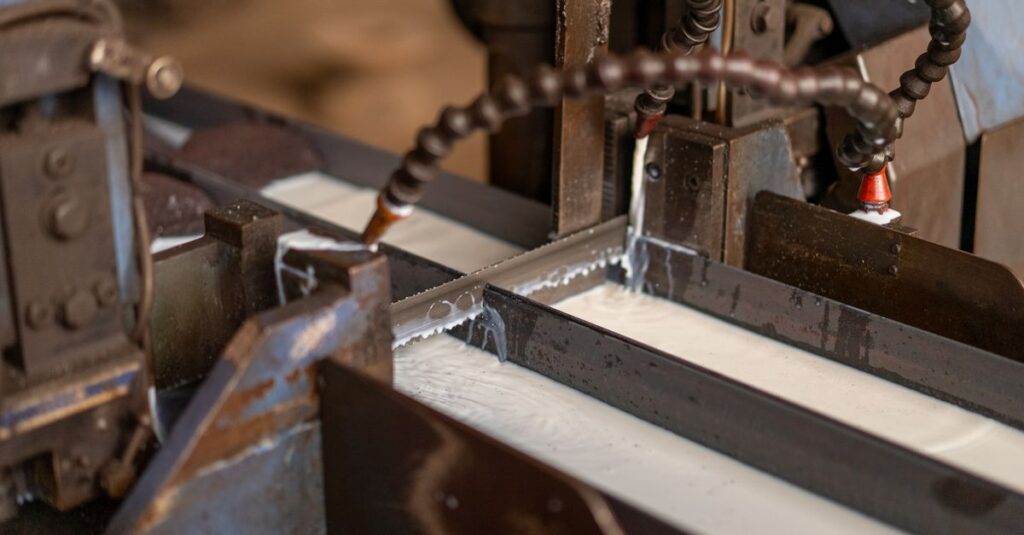
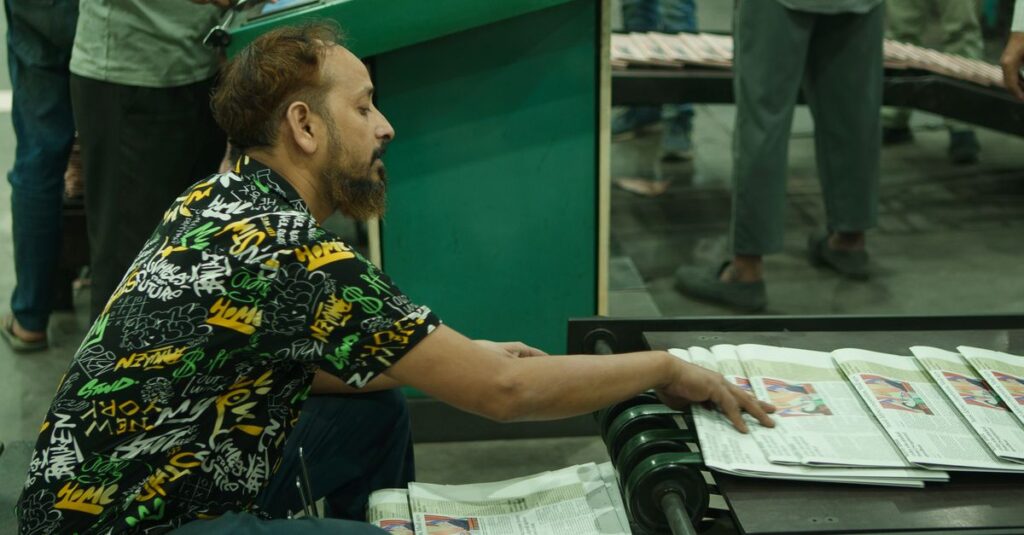
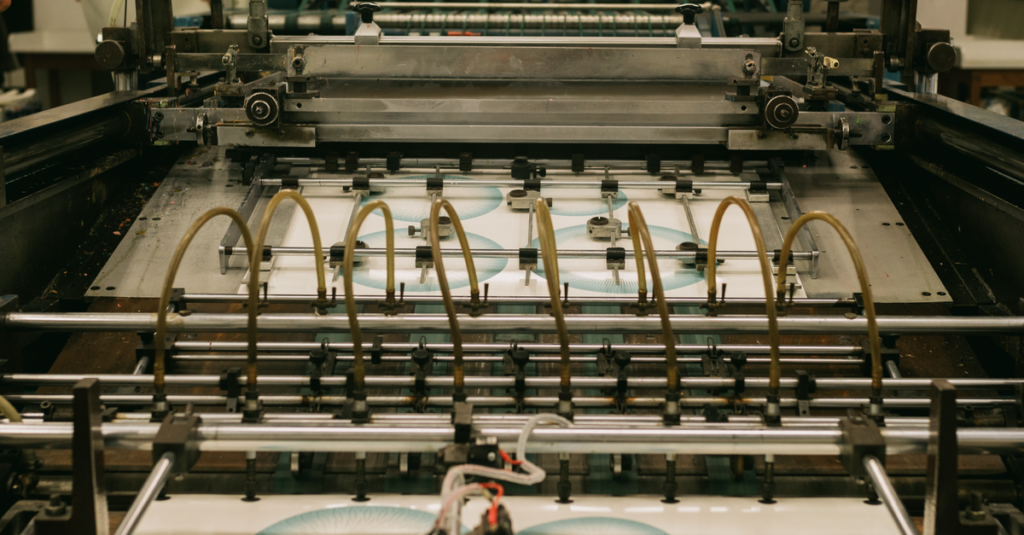
A few months ago, I stood near the binding line at our factory in Rajahmundry. There’s a guy named Prasad who’s been working that machine for 14 years. He can tell by the sound if the wire tension is off. I asked him what’s the most common defect in 300-page spirals. He said, “The wire runs out of breath.” I didn’t get it at first. He meant the coil is stretched too thin — not enough loops to hold the whole stack. Manufacturers save money by using fewer coils per inch. It saves wire, but the notebook never opens evenly. Prasad showed me. Two notebooks, same page count, same paper. One opened flat, the other had a gap in the middle where pages wouldn’t stay. That’s the difference nobody sees.
Anyway. That’s the kind of thing you only catch when you’re nodding at the machine for 14 years.
Who Actually Uses a 300-Page Spiral Notebook? One Real Example
Let me tell you about Meera. She’s 34, a biology teacher at a government school near Kakinada. She orders class sets of notebooks every year. Last year, she switched from stitched to spiral because her students kept losing pages. “They treat their bags like laundry baskets,” she said. The 300-page spiral notebooks she got from us lasted the whole academic year — with some covers looking rough, but everything intact. She specifically chose 300 pages because the syllabus fits exactly into one book. No middle-of-year replacement. No lost notes. She told me, “I don’t want to think about notebooks after I buy them. I want them to work.” That’s the whole philosophy, really.
Frequently Asked Questions
Frequently Asked Questions
Is a spiral notebook with 300 pages too heavy for daily carry?
It depends on the paper weight. With standard 60 GSM paper, a 300-page spiral notebook weighs around 400–500 grams — similar to a light tablet. It’s fine for backpack or briefcase, but a soft cover will bend. Opt for a rigid cover if it’s going in a bag every day.
Can I custom print my logo on a spiral notebook 300 pages?
Yes. We offer offset and digital printing on covers, plus foil stamping and embossing. Minimum order quantities apply, but bulk orders of 500+ units are common. We can also print on the back cover or spine if needed.
What paper GSM is best for a 300-page spiral notebook?
For general writing, 60–70 GSM works well. If users will write with fountain pens or markers, go for 80 GSM or higher to prevent bleed-through. Lower than 55 GSM and you’ll see ghosting on both sides. We recommend 70 GSM as a safe middle ground.
How many spirals should a 300-page notebook have?
A standard A4 or long-size 300-page spiral notebook typically uses 3/8 inch (about 10mm) spirals with 2 to 3 coils per inch. Fewer coils save cost but cause uneven opening. Always ask the manufacturer for the coil count and wire gauge before bulk ordering.
What is the lead time for bulk orders of spiral notebooks?
We produce 30,000–40,000 units daily at our Rajahmundry factory. For a typical bulk order of a few thousand pieces, lead time is 10–15 working days after sample approval. Custom cover printing or special paper might add a few days. Rush orders can be arranged.
So Where Does That Leave You?
A 300-page spiral notebook is a practical choice if you or your people actually fill notebooks. It lasts longer, flips easier, and reduces the headache of constant replacements. But the devil is in the details — paper, wire, cover. I’ve seen good ones and bad ones. The good ones come from manufacturers who actually care about the binding, not just the page count.
I won’t pretend there’s a perfect answer. There isn’t. But if you’re placing a bulk order, do yourself a favor: get a sample, check the wire, and ask about GSM. That’s half the battle.
If you want to talk specifics — custom sizes, cover design, or just pricing — feel free to reach out. We’ve been doing this since 1985. We probably have an opinion on it.
Visit Sri Rama Notebooks for bulk orders and custom spiral notebooks.