What Makes a Writing Journal Diary Different from a Regular Notebook?
You know that feeling when you sit down to write, and the page just… doesn't feel right? The paper is too thin. The ink bleeds. The spine cracks after a week. I've been there. And if you're ordering a writing journal diary in bulk — for your company, your school, your clients — that feeling multiplies by a thousand. Because now it's not just your frustration. It's everyone's. So what actually makes a good writing journal diary? Let me walk through what I've learned from decades of making these things at Sri Rama Notebooks.
Most people think a notebook is a notebook. Wrong. A writing journal diary is built for a different purpose. It's for reflection, note-taking, sketching, planning — not just for scribbling down grocery lists. That means the paper needs to handle fountain pens without bleeding. The binding needs to lay flat so you can write on both sides without fighting the spine. And the cover? It needs to survive being tossed in a bag for months.
Here's the thing: The difference isn't in the label. It's in the specs. GSM, binding type, page count — those numbers tell the real story. And if you're buying in bulk, you need to care about every single one.
The Real Problem with Most Writing Journal Diaries
Take Ramesh. 42. Procurement manager in Hyderabad. He ordered 500 diaries for his company's annual gifts — thought he saved money by going with the cheapest quote. Three months later people were complaining the covers peeled. Not because the material was bad — because the supplier skimped on adhesive. That's the thing about a writing journal diary: the small details are everything.
The real problem isn't finding a supplier. It's finding one who doesn't cut corners. I've seen batches where the ruled lines were misaligned by two millimeters. I've seen diaries where the spine broke after the first open. And I've lost count of how many 'premium' journals arrived with paper so thin you could read the next page through it.
So what do you actually need to check?
- Paper GSM: minimum 70 GSM for writing journals, 80+ if using fountain pens
- Binding: stitched or perfect binding — never cheap saddle-stitch
- Cover: 250 GSM board with lamination or cloth — not paper-thin card
- Page count: at least 200 pages for a proper journal feel
- Ruling: single ruled, blank, or dotted — depending on use
Most people I've spoken to don't think about these things. Until they get complaints. Then it's too late.
How to Choose a Writing Journal Diary for Bulk Orders
If you're ordering 500 or 5000 units, the choice comes down to two paths: standard notebook-grade or proper writing journal diary-grade. Let me be blunt — buying a standard notebook and calling it a journal is a mistake. Here's a comparison table to make it obvious.
| Feature | Standard Notebook | Writing Journal Diary |
|---|---|---|
| Paper GSM | 54-60 GSM | 70-100 GSM |
| Binding | Stitched or spiral | Perfect bound or sewn |
| Cover material | 200 GSM card | 250-300 GSM laminated or cloth |
| Page count | 52-120 pages | 200-400 pages |
| Customization options | Basic logo print | Foil stamping, embossing, ribbon bookmark |
| Price per unit (bulk) | Lower | Higher, but worth it |
Notice the difference? A writing journal diary isn't just a thicker notebook. It's engineered for daily use. The paper has to hold up to ink, the binding has to lay flat, the cover has to protect the contents. And when you're ordering for a whole team or institution, those details are the difference between a diary that gets used and one that sits in a drawer.
I think — and I could be wrong — that most buyers don't realize how much a few extra rupees per unit can improve the end experience. Nine times out of ten, the cheaper option ends up costing you more in goodwill.
Why Customization Matters for Your Writing Journal Diary
Expert insight: I recall a conversation with a school principal from Visakhapatnam. She wanted diaries for all 800 teachers — but she didn't want just a logo slapped on the cover. She wanted each teacher's name embossed on the front. Embossing. Not printing. We did it. And the feedback? Teachers said it felt personal. Like it was made for them. That's what customization can do — it turns a generic product into something people actually want to use.
But here's the thing — customization isn't just for looks. It can save you money in the long run. Here's what I mean:
- Logo printing — builds brand recall. Every time someone opens their writing journal diary, they see your company name.
- Custom page layouts — you can add your own header, footer, or even ruled vs blank sections.
- Ribbon bookmark — sounds minor, but it's the most appreciated feature I hear about.
- Color options — match your brand colors. Makes a great corporate gift.
A colleague told me once: 'The diary is the one item people keep for a whole year. Make it worth keeping.' I think about that a lot.
The Paper and Binding Behind a Good Writing Journal Diary
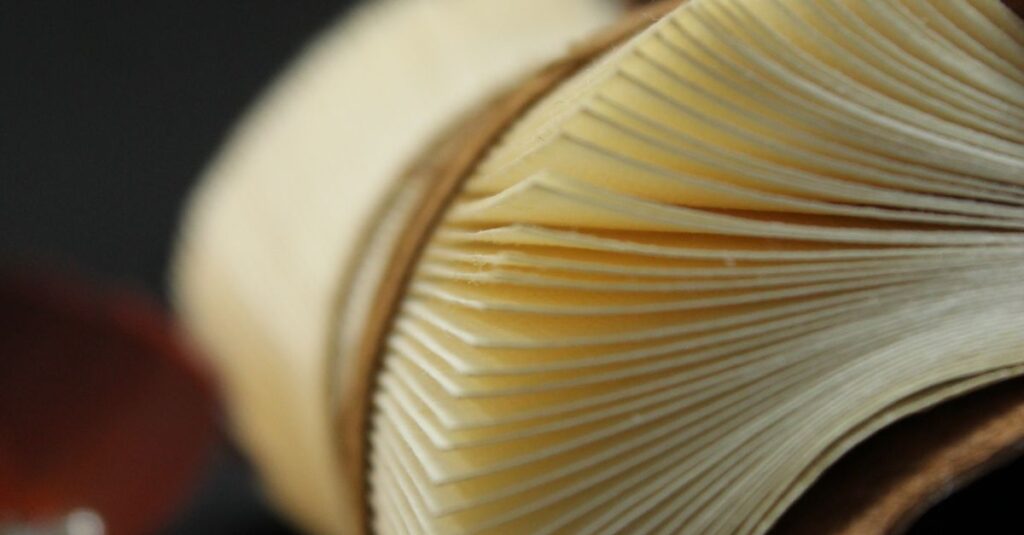
The paper is the soul of a writing journal diary. If the paper bleeds or feathers, nothing else matters. At our factory in Rajahmundry, we use 70-100 GSM wood-free paper for journals. It's smooth enough for ballpoints, gel pens, and fountain pens. No ghosting. No feathering.
Binding is the skeleton. You want a binding that lets the diary open flat without cracking the spine. That means either sewn binding (traditional, durable) or perfect binding with a flexible glue. Spiral binding works too — especially for journals meant to lay open on a desk. But for a classic diary feel, stitched or perfect bound is the way to go.
Here's something most people don't know: The cover board matters almost as much as the paper. A flimsy cover will curl and warp within weeks. We use 250 GSM greyboard with glossy or matte lamination. Cloth covers are an option for premium orders. The point? A writing journal diary should feel substantial in your hands. Not heavy — substantial.
I was talking to a distributor from Dubai last month. He told me his clients judge the whole company by the diary they receive. That's a lot of pressure on paper and glue.
Frequently Asked Questions
Frequently Asked Questions
What is a writing journal diary exactly?
A writing journal diary is a bound book designed for personal reflection, note-taking, or planning. It typically has higher quality paper (70 GSM+), durable covers, and a binding that allows it to lay flat. It's different from a standard school notebook in both materials and construction.
How many pages should a good writing journal diary have?
For daily use, aim for 200-400 pages. Less than 200 feels too thin, and more than 400 can make the spine too stiff. The sweet spot is 240-320 pages — enough for consistent use over several months without being bulky.
What binding is best for a writing journal diary?
Stitched (sewn) binding is the most durable and allows the diary to lay completely flat. Perfect binding is a good cost-effective alternative. Spiral binding is great for journals meant to stay open on a desk. Avoid cheap saddle-stitching — it won't hold up to daily use.
Can I get my company logo printed on a writing journal diary?
Yes. Most manufacturers offer logo printing via offset, foil stamping, or embossing. For bulk orders, you can also request custom cover designs, ribbon bookmarks, and even personalized names. It makes for a highly effective corporate gift.
What paper weight (GSM) is ideal for a writing journal diary?
70-100 GSM is ideal. 70 GSM is good for ballpoint and gel pens. 80-100 GSM is better for fountain pens or markers. Avoid anything below 60 GSM for a journal — it will bleed and ghost. At Sri Rama Notebooks, we use 70-100 GSM wood-free paper for all writing journals.
Conclusion
So here's what I keep coming back to: A writing journal diary is more than paper and ink. It's a tool people use to think, plan, and remember. If you're buying in bulk — for your team, your school, your clients — don't cut corners on the things that matter. Paper quality. Binding strength. Cover durability. And the option to make it yours with customization.
I don't think there's one perfect formula. Probably there isn't. But if you've read this far, you already know that the cheap option rarely works. You're looking for something that lasts. And honestly? That's where we come in.
If you're ready to order your next batch of writing journal diaries, Sri Rama Notebooks can help. We've been doing this since 1985. We know what works.