

What Exactly Are Writing Note Pads?
You know the feeling — you’re on a call, someone says something important, and you reach for a scrap of paper. But the scrap is gone. Or it’s got a grocery list on the back. That’s where writing note pads come in. They’re not fancy. They’re not meant to last fifty years. They exist for one reason: to catch a thought before it disappears.
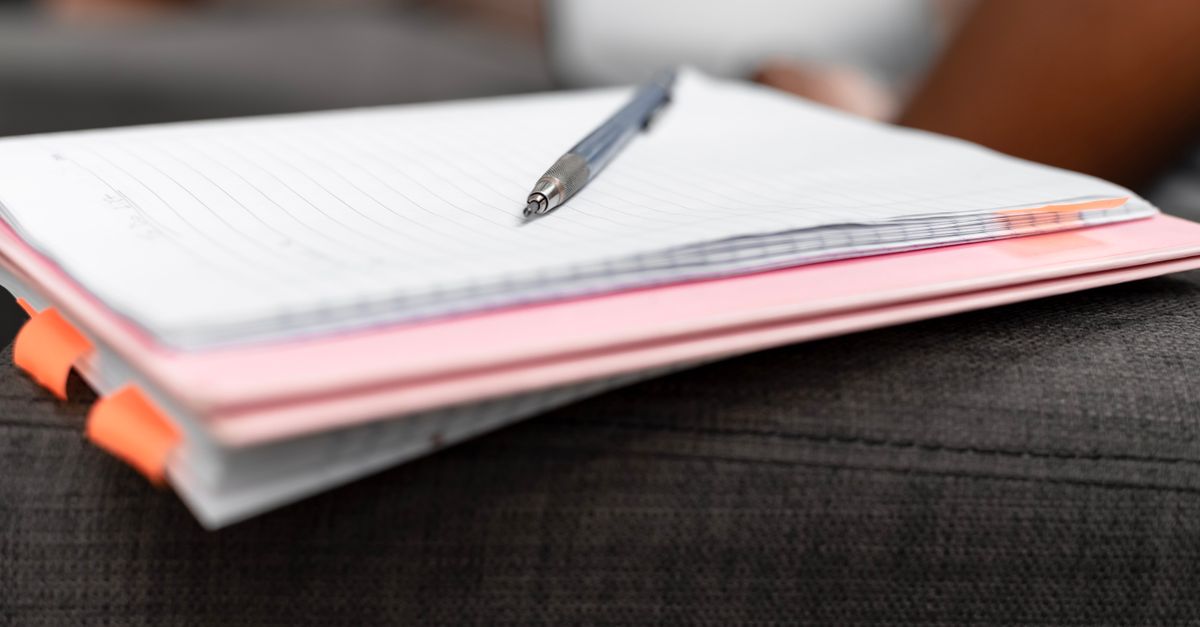
A writing note pad is basically a stack of sheets, glued or taped at the top, that you tear off when you’re done. Simple. No binding, no covers that flap around. Just paper and a hard backing. Some people call them memo pads, scratch pads, or jotter pads. The name doesn’t matter. What matters is that they work when you need them most.
I’ve seen procurement managers order these by the hundreds for office desks. Schools buy them for teachers. Distributors stack them in bulk because they know these pads move fast. If this sounds like something you need, take a look at what Sri Rama Notebooks offers in this space.
Why Writing Note Pads Are Different From Notebooks
People mix these up all the time. A notebook has pages sewn or spiraled together. It’s built to last. A writing note pad? It’s temporary. Here’s the thing — that’s not a weakness. It’s the whole point.
Three Key Differences
- Binding: Notebooks use stitched, spiral, or perfect binding. Note pads use padding glue. You tear off one sheet at a time.
- Longevity: A notebook stays on your shelf for years. A pad gets used up and thrown away in weeks.
- Cost: Writing note pads cost less per unit. That’s why bulk buyers prefer them for daily use.
When you order from a manufacturer, the difference matters because it changes how you budget. For a school ordering for an entire staff, pads are cheaper per person. For a corporate diary program? You want the notebook.
Earlier I said pads are temporary. That’s not quite fair — they’re more like disposable by design. And that’s exactly what makes them practical. You don’t feel guilty tossing a half-used pad. You just grab another one.
Where Writing Note Pads Get Used the Most
Let me tell you about someone. Ravi, 42, works as a store manager at a textile showroom in Kakinada. He keeps one writing note pad on his desk and two in his drawer. Every morning, he writes down delivery schedules. Every afternoon, he notes customer complaints. By Friday, the pad is empty. He throws it out. Starts fresh on Monday.
Ravi doesn’t think about paper quality. He doesn’t care about cover design. He cares about one thing: does the pen bleed through? If yes, he complains to his supplier. If no, he orders another box.
That’s the reality for most users. Pads end up in:
- Reception desks at hotels and clinics
- School staff rooms where teachers jot attendance
- Warehouses where inventory gets counted
- Government offices (I’ve seen piles of them in Rajahmundry’s municipal office)
And honestly? That’s a good thing. It means the product is fulfilling its job. The question isn’t whether you need them. It’s whether you’re buying from someone who knows how to make them right.
What to Look for in Bulk Writing Note Pads
If you’re ordering for a school, college, or office, you need to check three things. I’ve heard procurement managers complain about all of them.
Paper Quality
Standard is around 54 GSM writing paper. Lower than that, ink bleeds. Higher? You’re overpaying for something that gets thrown away. Stick to 54 GSM unless you have a specific reason not to.
Padding Strength
The glue at the top needs to hold. But it also needs to let go cleanly. Nothing worse than a pad where the first three sheets tear wrong. We use padding compound that dries flexible — it holds firm but peels off without ripping.
Size Consistency
Cut sizes matter more than you think. A5, A4, Long, Short — if your pad dimensions vary by even 2mm, it looks sloppy in a desk organizer. Manufacturers with die-cut precision don’t have this problem.
Comparison Table: Notebook vs. Writing Note Pad
| Feature | Notebook | Writing Note Pad |
|---|---|---|
| Binding type | Stitched / Spiral / Perfect | Glue padding |
| Page removal | Not designed for removal | Meant to be torn off |
| Ideal use | Long-term notes, journals, records | Daily jots, lists, quick notes |
| Typical GSM | 54–70 GSM | 50–54 GSM |
| Unit cost (bulk) | Higher | Lower |
| Shelf life | Years | Weeks to months |
I was talking to a distributor from Vijayawada last month. He said his customers used to order notebooks for every desk. Then they switched to writing note pads for general use and saved nearly 30% on their stationery budget. Makes you think, doesn’t it?
Expert Insight: What I’ve Learned About Pad Manufacturing
I remember visiting an office in the US where they had branded pads on every desk — company logo, phone number, everything. The procurement manager told me something I still think about. He said: “Nobody throws away a pad without seeing our name a hundred times.”
He was right. Custom-printed writing note pads are one of the cheapest advertising tools there is. A company prints 500 pads. Each pad has 50 sheets. That’s 25,000 impressions of your logo, sitting on desks for weeks. Compare that to a billboard that people walk past in five seconds.
At Sri Rama Notebooks, we do logo printing, foil stamping, embossing — whatever you need. If your brand is going to sit on someone’s desk, it should look good doing it. (And if it doesn’t, that’s a missed opportunity nobody talks about.)
Production wise, we run 30,000 to 40,000 units a day. That’s for notebooks and pads combined. For pads alone, the volume depends on the size and whether it’s custom printed. But even a small order of 1,000 pads is something we handle regularly for schools and small offices.
I think — and I could be wrong — that the real growth in this segment is from corporate gifting. Companies want something useful that people actually keep on their desk. A writing note pad with a decent cover? That stays.
Frequently Asked Questions
Frequently Asked Questions
What size writing note pad should I order for office use?
A5 or Long size works best for most desks. A5 fits in drawers. Long size (27.2cm x 17.1cm) gives more writing space without being too large. Avoid A4 for personal desks unless it’s for shared workstations.
Can I get custom printed writing note pads with my company logo?
Yes. We offer logo printing, foil stamping, and embossing on covers. Minimum order for custom printing is usually 500 units. Contact us at support@sriramanotebook.com with your design file for a quote.
What’s the difference between a writing note pad and a scribbling pad?
Nothing, really. The terms are interchangeable. Some people call them scratch pads, memo pads, or jotters. They all mean the same thing: a glued pad of paper meant for short-term notes. Stick with “writing note pad” for bulk orders to avoid confusion.
How many sheets should a good writing note pad have?
50 sheets is standard. 100 sheets if you want it to last longer. Thicker pads (200+ sheets) exist but the glue doesn’t hold as well at the bottom. Stick to 50 or 100 sheets for reliable tear-off performance.
Do you export writing note pads to international buyers?
Yes. We export to Gulf countries, Africa, USA, UK, Europe, and Australia. For international shipping, we use custom packaging and export-grade cartons. Email support@sriramanotebook.com with your quantity and destination for pricing.
Final Thoughts
Writing note pads aren’t glamorous. They’re not something you frame or keep. But they do one thing well: they catch the stuff that would otherwise slip through the cracks. For schools, offices, and distributors, that reliability matters more than anything fancy.
I don’t think there’s one perfect pad for everyone. Some need glued tops. Some prefer perforated. Some want custom branding. The best approach is to figure out what your people actually use — and then buy in bulk from someone who won’t mess up the basics.
If you’re ordering for an institution or business, Sri Rama Notebooks has been making these since 1985. We know what works and what doesn’t. One conversation could save you a lot of trial and error.