Why I Started Thinking About Antique Diaries
I was cleaning out my father’s old cupboard last year. Not the fancy one in the living room — the steel almirah in the corner that nobody opens. And there it was. A small brown diary from 1982. Leather cover. Yellow pages. Handwritten notes about things I cannot make sense of. Receipts. Phone numbers without area codes. A dried-up flower pressed between two pages.
I sat on the floor for twenty minutes just flipping through it. I didn’t know the person who wrote it. But I could feel them. That's the thing about an antique diary — it carries someone else’s life in a way a phone note never will.
It got me thinking. People actually look for these now. Not just collectors. But businesses. Schools. Corporates wanting that old-world feel. And finding a real one? Almost impossible. Most of what's sold as “vintage” is just paper treated to look old. Not the same thing.
So I started asking around. Talked to dealers. Talked to our team at Sri Rama Notebooks. I wanted to understand — what makes an antique diary special, and can we even make something like it today?
What Exactly Makes a Diary “Antique”?
Here’s where most people get it wrong. They think age is the only thing that matters. It’s not.
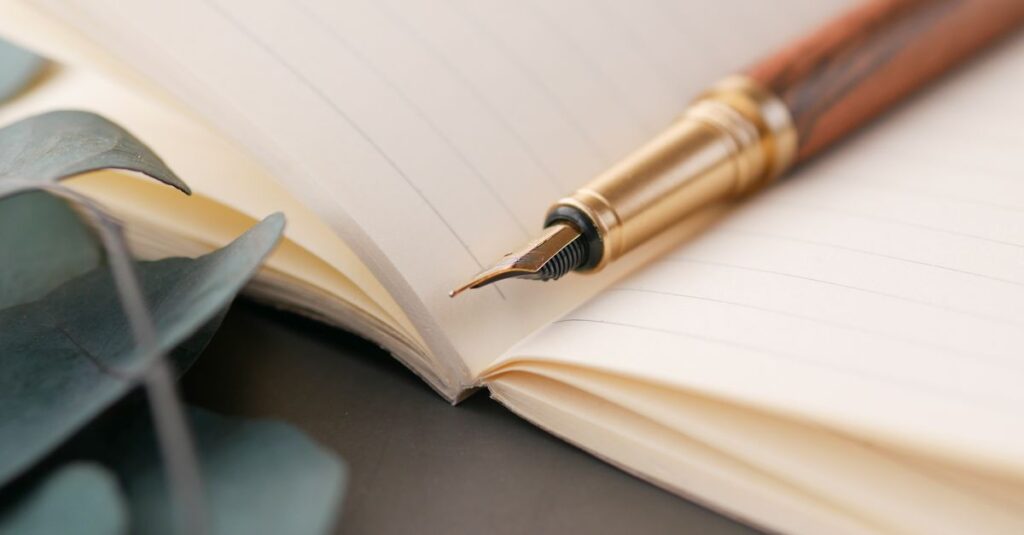
An antique diary usually has three things going on. First, the paper. Old paper was made differently. It had texture. It yellowed naturally. It absorbed ink in a way modern paper doesn’t. Think fountain pen on cotton rag paper. That soft spread of ink. The slight bleed-through on the other side. That’s not a defect. That’s character.
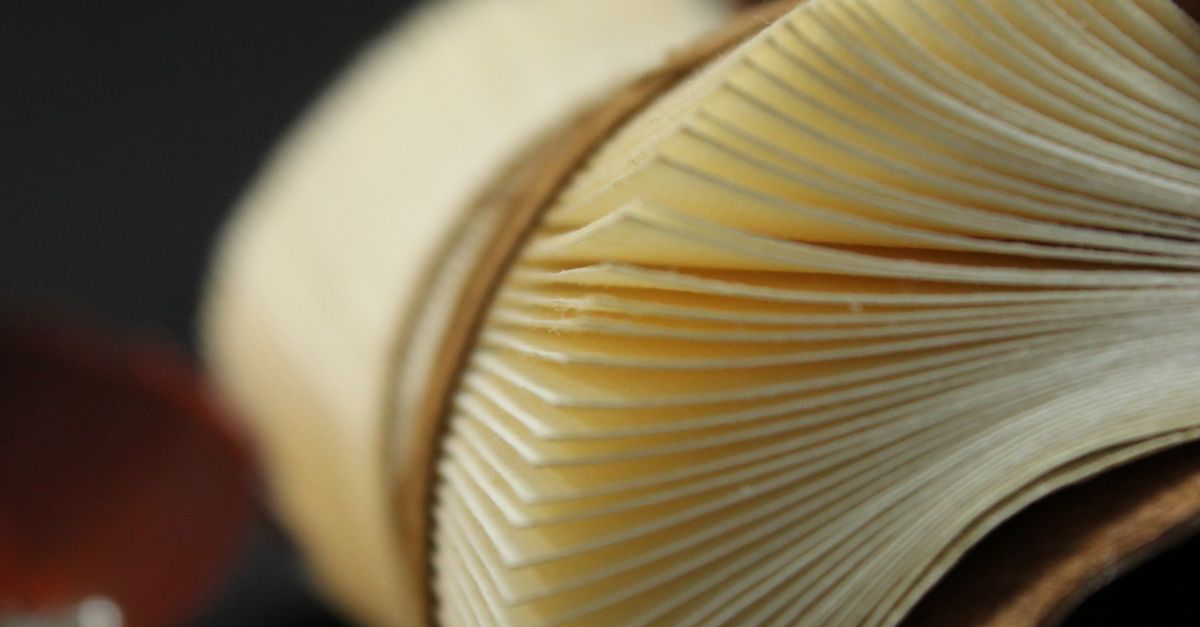
Second, the binding. Old diaries were stitched. Not glued. Not spiral-bound. Hand-stitched signatures held together with thread that’s still intact after sixty years. You don’t see that in a ₹50 notebook from the corner store. The spine cracks in a particular way. The pages lie flat when you open them. That’s craft, not manufacturing.
And third—the cover. Leather. Cloth. Sometimes a thin layer of board underneath. Embossed by hand. Gold foil stamped lettering. Every single one had slight imperfections. The title wasn’t perfectly centered. The foil had a tiny gap. Those aren’t mistakes. They’re proof a human made it.
- Paper: cotton rag, hand-laid, natural yellowing
- Binding: stitched signatures, no glue used
- Cover: real leather or cloth, hand-embossed
- Ink absorption: slow, soft, slightly unpredictable
I’m not saying modern diaries are bad. They serve a purpose. But calling something an antique diary just because it’s old? That’s like calling a rusty car a classic. Not everything old is worth keeping. Some things are old and poorly made. And some things are old and irreplaceable. The difference matters.
The Problem Nobody Talks About
Here’s the uncomfortable truth. Most “antique diaries” you see online are fake. Not fake as in scam. Fake as in manufactured to look old. Distressed leather. Tea-stained pages. That’s not vintage. That’s a costume.
I spoke to a dealer in Chennai — Ramesh, been doing this for twenty-two years. He told me something I can’t shake off. He said the real antique diaries that come from old estates or family auctions rarely make it to the internet. They get bought by private collectors before anyone lists them online. So what you see on Etsy or Amazon? Almost always reproduction.
Now, reproduction isn’t necessarily bad. But you should know what you’re paying for. A genuinely old diary from 1920s England can cost between ₹8,000 and ₹25,000 depending on condition and content. Meanwhile, a well-made reproduction costs maybe ₹1,500. The difference isn’t just price. It’s honesty.
Real micro-story.
Meera, 34, a teacher from a school in Mangalavaripeta, Rajahmundry, bought what she thought was a genuine antique diary online. Paid ₹4,200. When it arrived, the ink from the first page had smudged onto her hand. She smelled chemicals. Formalin, probably — used to accelerate the aging process. She never ordered one again. Now she gets custom-made diaries from local manufacturers. She says she’d rather have something new made well than something old made fake.
The thing is — people want the feeling of an antique diary. The weight. The texture. The permanence. But they don’t always want the reality. And that’s okay. But you should know the difference.
Can You Manufacture a New Diary That Feels Antique?
This is where my job gets interesting. People ask me — can we make diaries that look and feel old? And my answer is always: depends on what you mean by old.
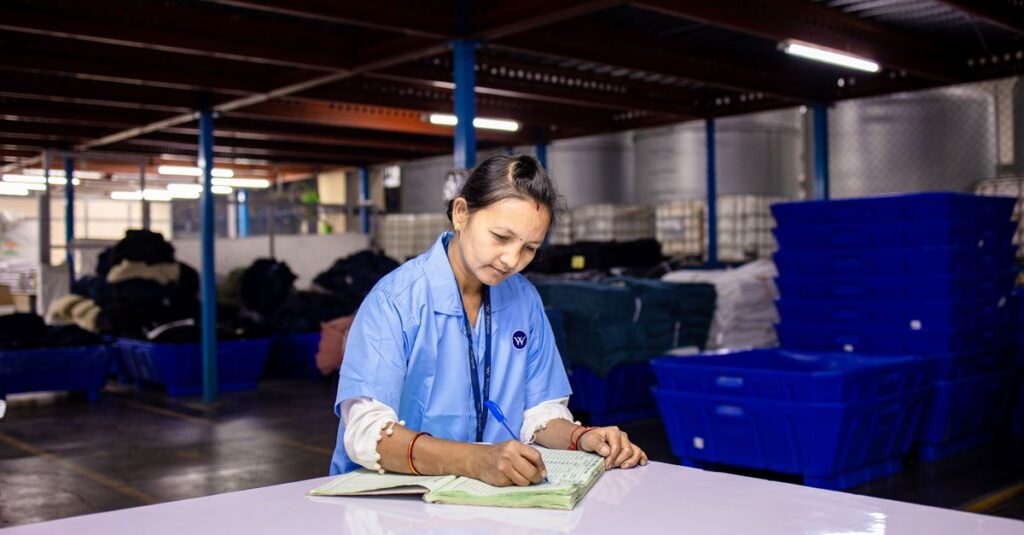
If you want paper that mimics the texture of 1950s handmade stock, yes. We can do that with specific pulp blends and uncoated paper. If you want stitched binding that lays flat and lasts decades, absolutely. That’s what we’ve been doing since 1985 at our factory in Rajahmundry. Stitched binding is not complicated. It just takes time. And most manufacturers skip it because it’s slower and costs more.
But if you want real leather and hand-embossed covers, that’s a different conversation. That’s not manufacturing anymore. That’s craftsmanship. And craftsmanship scales poorly.
| Feature | Genuine Antique Diary | Modern Reproduction |
|---|---|---|
| Paper type | Hand-laid cotton rag | Uncoated wood pulp |
| Binding | Hand-stitched signatures | Stitched or perfect binding |
| Cover material | Real leather or cloth | PU leather or textured paper |
| Aging method | Natural oxidation (50+ years) | Tea stain or chemical treatment |
| Ink behavior | Slow absorption, slight feathering | Fast drying, clean lines |
| Price range (bulk) | Not commercially available | ₹150-₹400 per piece (bulk) |
I’m not saying one is better than the other. They’re different products for different needs. If you’re a school ordering 5,000 diaries for a special edition, you don’t want handmade paper that costs ₹80 per sheet. You want something that feels premium but can be produced consistently.
But here’s what I’ve learned in thirty-nine years of making notebooks — people can tell when you’ve cut corners. They might not say it. They might not even know why they don’t like the diary. But they’ll feel it. And they won’t use it. It’ll sit in a drawer. Empty.
Expert Insight
I remember this one time, around 2006, a gentleman from Hyderabad came to our factory. He wanted 200 diaries for a banking conference. But he didn’t want them to look like corporate giveaways. He said — I want them to look like something people want to keep. We used unbleached paper. Stitched binding. Dark brown card cover with gold embossing. Simple. Honest. He came back the next year and ordered 800. He said people were actually using them. Not stacking them. Using them. That stuck with me. Not because it was a big order. But because he cared about the same things I do.
How to Source an Antique-Style Diary in Bulk
Let’s get practical. You’re a procurement manager. Or a school administrator. Or a distributor. You want diaries with that old-world feel. Here’s how not to mess it up.
First, decide what matters to you. Is it the paper texture? The binding? The cover design? Pick one thing and get that right. Trying to make every element look antique usually ends up looking like a prop from a low-budget period film.
Second, talk to the manufacturer about paper. Ask specifically about GSM and coating. Uncoated paper (around 60-80 GSM) will give you the closest feel to old diary paper. Coated paper feels modern. Smooth. Slippery. Correct for textbooks. Wrong for an antique-style diary.
Third, binding. Insist on stitched binding if you want the diary to last. Perfect binding will crack within a year if the book is thick. Spiral binding is functional but not antique. Stitched is the only honest option.
And fourth—customization. Can the manufacturer do foil stamping? Embossing? Debossing? These small finishing details are what separate a cheap notebook from something people keep for years.
Look, I’ll be honest with you. Not every manufacturer will do this properly. Some will say yes to everything and deliver something mediocre. That’s why you ask for samples first. Not digital proofs. Physical samples. Hold them. Write in them. See if they feel right. If they don’t, move on.
We do this at Sri Rama Notebooks. If you want to see how we handle custom diaries, it’s worth a quick look.
The One Question Nobody Asks
Everyone asks about price. Everyone asks about delivery time. But almost nobody asks — will people actually use this?
It seems obvious. But most bulk purchases of diaries end up in storage rooms. Brand new. Unopened. I’ve seen it happen dozens of times. A company orders 2,000 corporate diaries, embossed with their logo, distributed at a conference, and half of them end up in a cardboard box behind someone’s desk.
Why? Because the diary didn’t invite use. The paper was too glossy. The binding was too stiff. The cover looked corporate but felt cold. Nobody wanted to write in it.
An antique-style diary solves this. Not because it’s old. But because it feels human. It asks to be written in. It accepts mistakes. You can cross something out in a diary like that and it doesn’t ruin it. It adds to it.
I think — and I could be wrong — that people crave this kind of permanence. Something that doesn’t scream “I was mass-produced in a factory.” Something that feels like it was made by someone who cared. And maybe that’s the whole point.
Frequently Asked Questions
What is considered an antique diary?
Generally, a diary over 50 years old is considered antique. But age alone doesn’t define it. Antique diaries typically have hand-laid paper, stitched binding, and a leather or cloth cover. The content — handwritten entries, dates, personal notes — also adds historical value.
Can I buy an antique diary in bulk for corporate gifting?
Genuine antique diaries are individual items and can’t be sourced in bulk. However, you can order custom-made diaries that replicate the antique look and feel. Many manufacturers, including us at Sri Rama Notebooks, offer vintage-style diaries with uncoated paper, stitched binding, and embossed covers.
How can I tell if an antique diary is real or a reproduction?
Check the paper — real antique paper has uneven edges and natural yellowing. Smell it — chemical treatments used for aging have a distinct odor. Look at the binding — real antique diaries use hand-stitching, not glue. And check the content — handwritten dates and personal notes are hard to fake convincingly.
What paper is best for an antique-style diary?
Uncoated paper between 60-80 GSM works best. Avoid glossy or coated paper, which looks modern. Look for cream or off-white shades rather than pure white. Cotton rag paper is closest to what was used historically, but high-quality wood pulp paper with a matte finish is a practical alternative for bulk production.
Where can I get custom antique-style diaries manufactured?
Contact a notebook manufacturer that offers stitched binding and custom cover design. Sri Rama Notebooks in Rajahmundry, India, has been manufacturing custom diaries since 1985. We offer foil stamping, embossing, and private labeling for bulk orders. Call +91-8522818651 or email support@sriramanotebook.com for a quote.
Conclusion
I don’t think there’s one right way to think about an antique diary. Some people want the real thing — yellow pages and all. Some just want the feel of something that doesn’t look like it was assembled by a robot. Both are valid. The question is whether you’ll admit which one you actually want.
If you’re sourcing diaries — for your school, your company, your clients — start with what the user will feel when they open it. Everything else is secondary. And if you want to see how we approach this at our factory, take a look at Sri Rama Notebooks. We’ve been doing this since 1985. Not trying to be perfect. Just trying to be honest.