Wait — What Exactly Is Art Paper Printing?
I was on the phone with a buyer from Dubai a few months back. He kept asking about 'art paper' for his corporate diaries. And I realized something. Most people use this term without really knowing what it means. Including me, once.
So let's clear it up. Art paper printing refers to printing on a specific type of coated paper. That paper has a smooth, glossy — sometimes matte — finish. It looks premium. Feels expensive. And honestly, it holds ink better than your standard uncoated sheet.
You've seen it a thousand times. Magazine covers. Brochures. Those high-end diary pages that feel slick under your fingers. That's art paper.
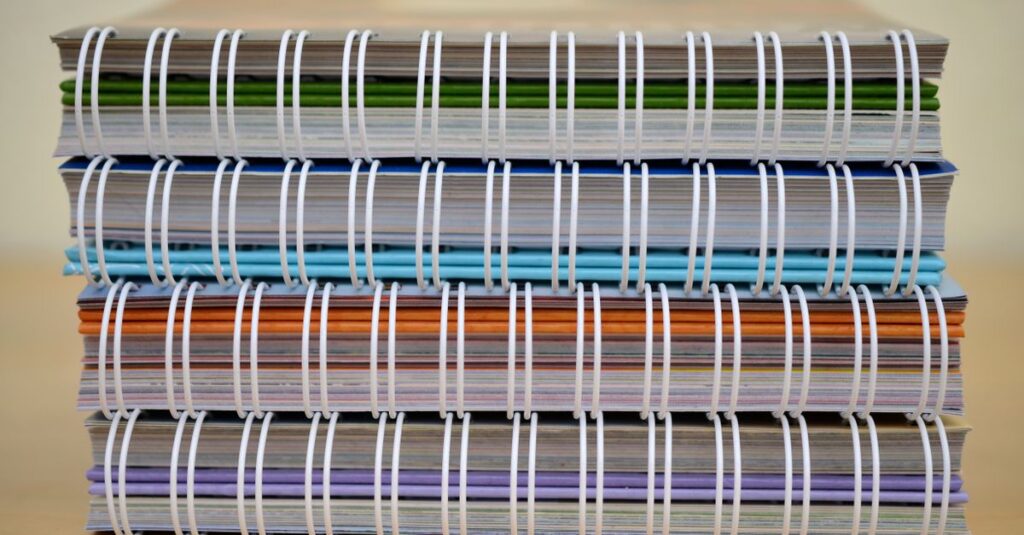
For someone ordering notebooks or diaries in bulk — for a school, a corporate event, or a client gift — this matters more than you think. Because the paper determines the first impression. And Sri Rama Notebooks has been using this stuff for decades.
How Art Paper Printing Differs From Regular Printing
Here's the part nobody tells you. Regular printing — on standard notebook paper — absorbs ink. The paper is porous. Think of it like a sponge. Ink sinks in. The result is fine for writing. But for images? It looks dull. Flat.
Art paper is coated. That coating sits on the surface like a barrier. Ink stays on top. Which means colors pop. Details stay sharp. Black looks deep black, not grayish.
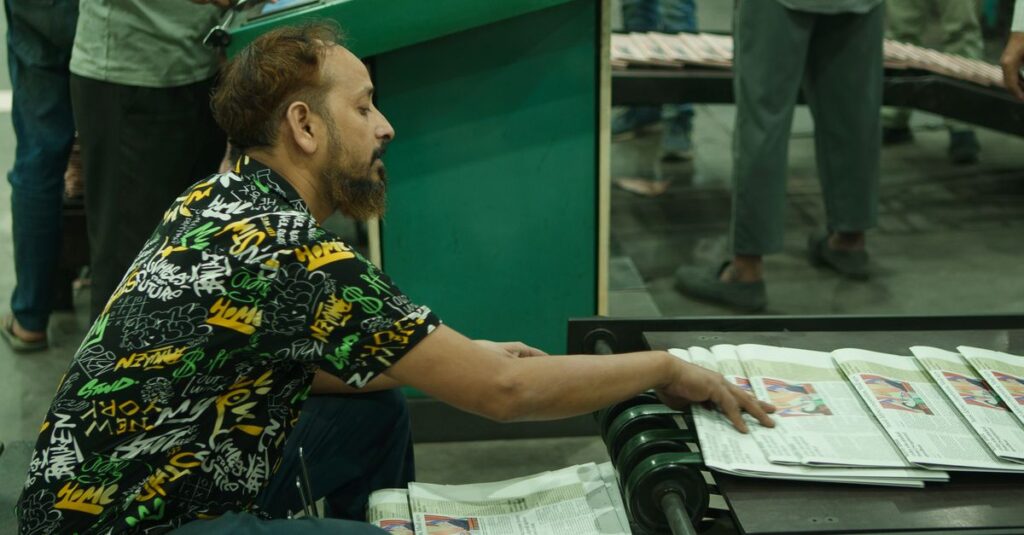
I remember walking through our press room last year. We were running a batch of covers for a client in the UK. The guy on the machine pointed at the sheet coming out and said, 'Look at that black. That's art paper. That's why they pay extra.'
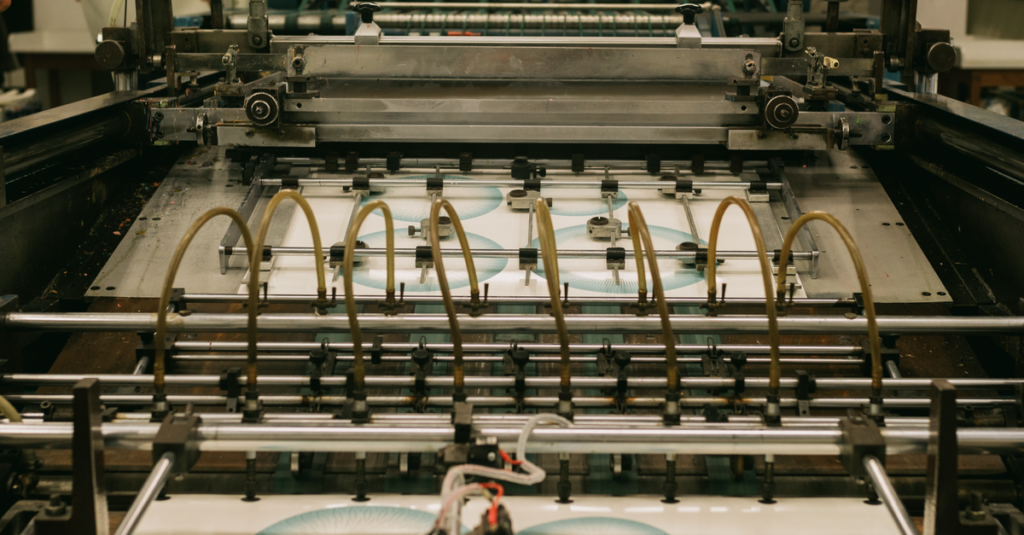
What Actually Happens During Printing
- The paper feeds through an offset or digital press
- Ink transfers from plates (offset) or toner (digital) to the coated surface
- Dryers or heat set the ink fast — because the coating doesn't absorb it
- The result is sharp, vibrant, and fingerprint-resistant
Regular printing on uncoated paper? That ink takes time to dry. It can smudge. The colors bleed a little. For a school notebook, that's fine. For a premium diary? It's not.
At least in my experience, the difference is night and day when you hold both side by side. You don't need to be a print expert. You just need to see it once.
Where Art Paper Is Used in Notebooks and Diaries
Not every page in a notebook uses art paper. That would be overkill — and expensive. But specific parts need it.
Common Uses in Stationery
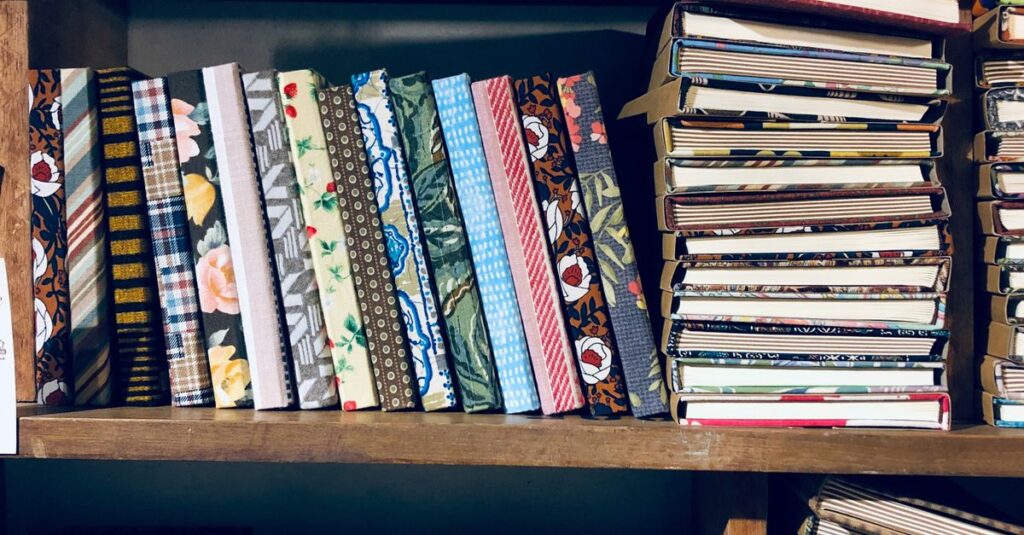
- Covers — This is the most common use. The cover of a premium diary or notebook is almost always art paper, laminated or coated.
- Inserts — Some diaries have a few glossy pages in the middle. City maps. Calendars. Info pages.
- Dividers — Those thick tabbed pages between sections? Often art paper.
- Inner lining — The page right inside the cover. Sometimes printed. Sometimes left blank but still glossy.
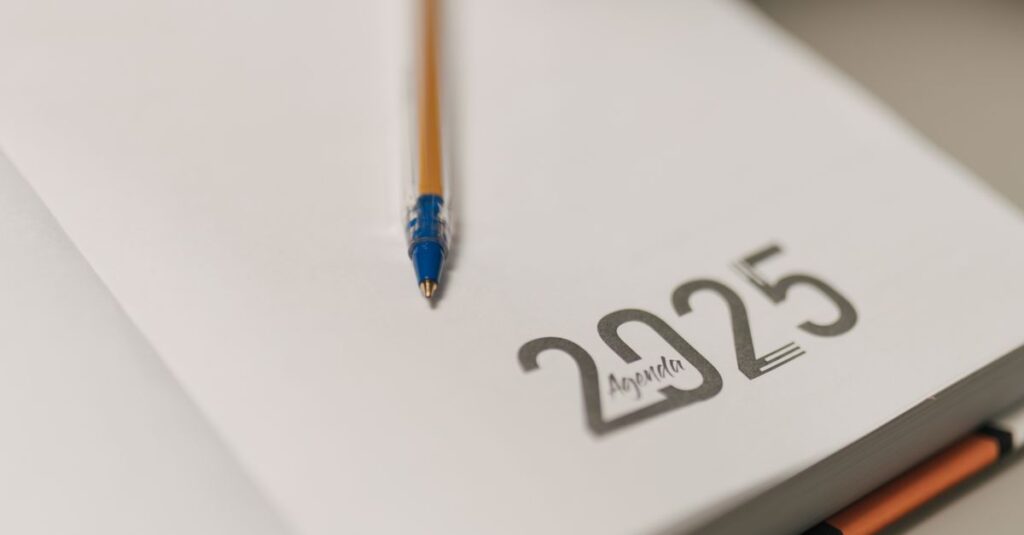
I had a client last year. Let me give you a real story. Ravi, 42, procurement manager for a tech company in Hyderabad. He ordered 5,000 custom diaries for a product launch. His feedback after delivery? 'The cover looks like a magazine. Our team fought over them.' That was art paper printing. He didn't even know to ask for it. We just recommended it.
The funny thing is — once you start looking, you notice it everywhere. That notebook on your desk right now? Check the cover. If it's smooth and slightly glossy, it's probably art paper.
Glossy vs Matte Art Paper Printing: A Comparison
This is where people get stuck. Glossy or matte? Both are art paper. Both are coated. The difference is the finish.
| Feature | Glossy Art Paper | Matte Art Paper |
|---|---|---|
| Shine level | High shine, reflective | No shine, flat look |
| Color pop | Colors look punchy, saturated | Colors look soft, muted |
| Fingerprint resistance | Low — shows smudges easily | High — hides fingerprints |
| Readability | Can have glare under lights | Easy to read, no glare |
| Best for | Photo-heavy covers, brochures | Text-heavy diaries, corporate gifts |
| Cost | Similar to matte (same base paper) | Similar to glossy (same base) |
Which one should you pick? If your diary will sit under office lights all day — go matte. Less glare. If you want the cover to grab attention from across the room — go glossy. Either way, you're getting art paper. The question is just how much shine you want.
Expert Insight: What I've Learned From 40+ Years in Printing
I don't have any fancy certification to share here. Just something I noticed over the years.
Back in the late 80s, when we started, art paper was hard to source in Rajahmundry. We had to bring it from Chennai. The coating wasn't as consistent either. Sometimes the ink would crack when you folded the cover. A real headache, honestly.
But the printers who figured out how to work with it — they survived. Everyone else kept printing on cheap paper and wondering why their clients weren't happy. The thing is: if you're making a product someone carries around every day, the paper quality is the only thing that matters here. Not the binding. Not the page count. The surface they touch first.
I think — and I could be wrong — that most people underestimate how much a good finish affects perception.
Frequently Asked Questions
Frequently Asked Questions
What is art paper printing exactly?
It's printing on coated paper that has a smooth, non-porous surface. The coating holds ink on top, giving sharper details and richer colors compared to uncoated paper. Common for diary covers, brochures, and premium stationery.
Is art paper printing more expensive than regular printing?
Yes, but not by a huge margin. The paper itself costs more. And the printing process requires more care — controlled drying, careful handling. For bulk orders, the price difference shrinks. Worth it for premium products.
Can you print on both sides of art paper?
Yes, but with a catch. If the paper is thin and fully coated, printing both sides can show show-through. For heavier art paper (200 GSM and above), two-sided printing works fine. Always test first with your printer.
What's the difference between art paper and gloss paper?
Art paper is a broad category. Gloss paper is a type of art paper with a shiny coating. There's also matte art paper (no shine), silk (mid-shine), and satin. All are considered art paper if they're coated.
Do you offer art paper printing for custom notebooks?
We do. We use art paper for covers, inserts, and dividers in our premium notebooks and corporate diaries. Contact us with your requirements. Phone: +91-8522818651 or email support@sriramanotebook.com.
So — Should You Bother With Art Paper Printing?
Here's my honest take. If you're making notebooks for school kids who will scribble math problems and toss the book in a bag — art paper is overkill. Use standard offset paper. Save the money.
But if you're ordering corporate diaries. Client gifts. Premium notebooks for executives. Or any product where the look and feel carry weight. Then art paper printing isn't optional. It's the whole point.
I don't think there's one perfect choice for everyone. But if you've read this far, you probably already know which category your product falls into. The question is whether the finish matters to your buyer.
It usually does. More than they say out loud.
If you want to explore options for your next order — covers, inserts, full notebooks — reach out. We've set up Sri Rama Notebooks for exactly this kind of work.