Why the Binding Shop Matters More Than You Think
Most people don't think about the binding shop when they order notebooks. They obsess over paper weight, cover design, the price per unit. And sure, those matter. But the binding — that's what holds the whole thing together. Literally.
If you're sourcing bulk notebooks for a school, a corporate order, or a distribution chain, the binding shop you work with decides whether those notebooks last a semester or fall apart in two weeks. I've seen it happen. A client from a school in Vizag once called me, frustrated. They'd ordered 5,000 notebooks from a different supplier — cheap, fast. By month two, pages were falling out. The binding shop had used poor adhesive, and the stitching was loose. They had to reorder everything.
That's the thing about binding — you don't notice it until it fails. And by then, it's too late. The Sri Rama Notebooks team has been in this business since 1985, and if there's one thing we've learned, it's that the binding shop is the backbone of any notebook. Not the cover, not the paper. The binding.
Here's a story. Ramesh, 45, procurement officer at a chain of schools in Rajahmundry. He told me once: "I used to think binding was just glue and thread. Now I check it first." He's right. But most buyers don't. They focus on price, then regret.
So what does a good binding shop actually do? It chooses the right method for your use case. It controls humidity during gluing. It uses thread that doesn't snap. It trims pages cleanly. That's not magic. That's craftsmanship. And it's rare.
What Makes a Good Binding Shop? The Checklist
Not all binding shops are the same. Some are set up for quick, low-quality runs. Others — like ours — have spent decades refining the process. Here's a comparison to help you spot the difference.
| Factor | Good Binding Shop | Bad Binding Shop |
|---|---|---|
| Binding strength | Pages stay intact after months of use | Pages loosen within weeks |
| Binding types offered | Stitched, spiral, perfect binding — with guidance | Only one method, no advice on suitability |
| Quality control | Random samples checked every batch | No inspection; assumes everything is fine |
| Turnaround time | Consistent, communicated upfront | Late deliveries, no updates |
| Customization | Can handle logo printing, embossing, foil stamping | Limited to standard covers, no branding |
I think — and I could be wrong — that many buyers settle for the bad shop because they don't know what to ask. So let me save you time: ask about the glue. Ask about the thread. Ask if they test for page pull-out. A good binding shop will answer without hesitation. A bad one will dodge.
Expert Insight
I was talking to our production manager last month — over chai, actually — and he mentioned something I keep thinking about. He said: "In 2002, we had a client from Ghana who needed notebooks that could survive humid storage. We tried three different adhesives before finding one that didn't soften. That experience taught us that binding isn't one-size-fits-all." I don't have a cleaner way to put it. The best binding shops learn from real-world failures. Not theory.
The Three Main Binding Types You Need to Know
If you walk into a binding shop and they only offer one type of binding, walk out. Seriously. A good shop will have options, and they'll explain why each one works for different notebooks.
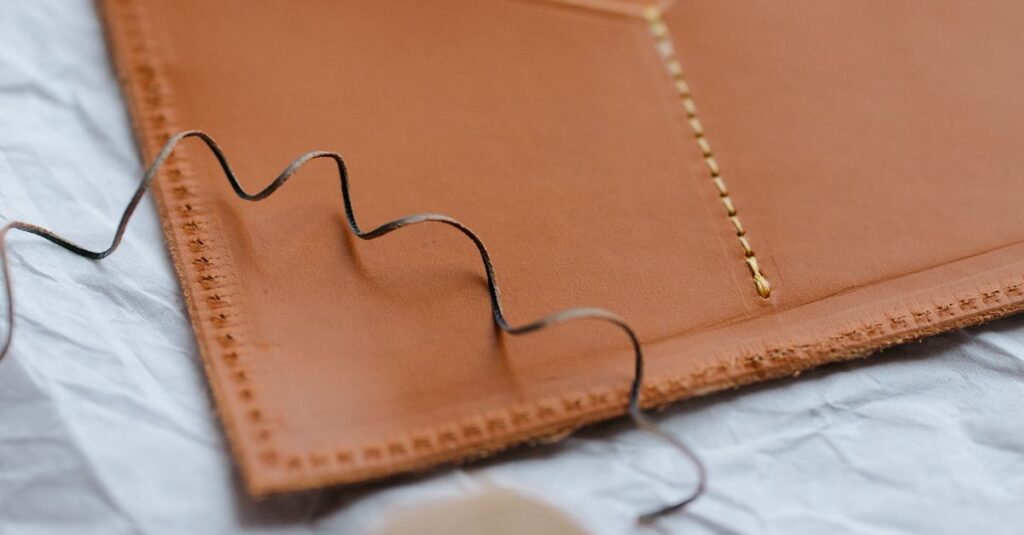
- Stitched binding: The old-school method. Thread sewn through the spine. Durable, lays flat. Best for school notebooks and diaries that get heavy use.
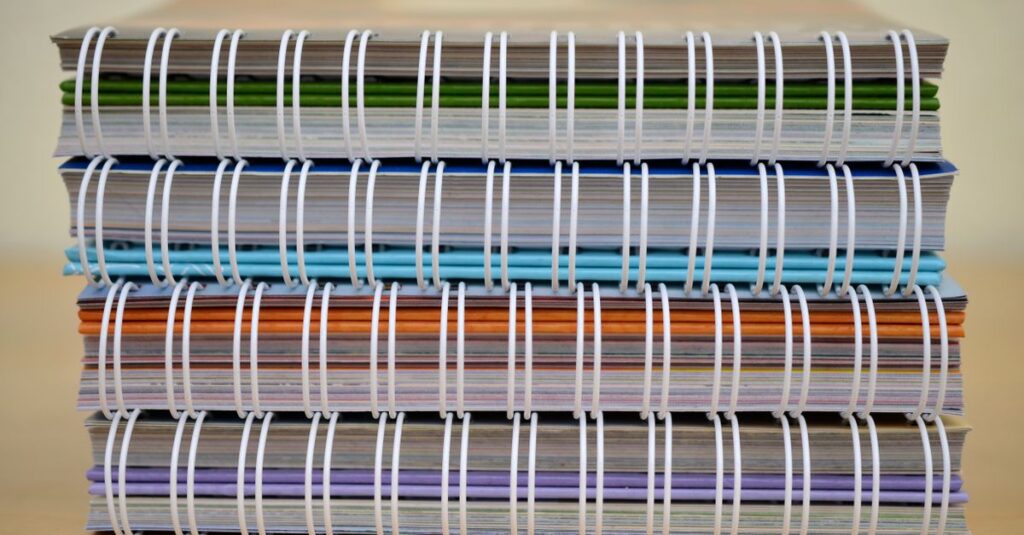
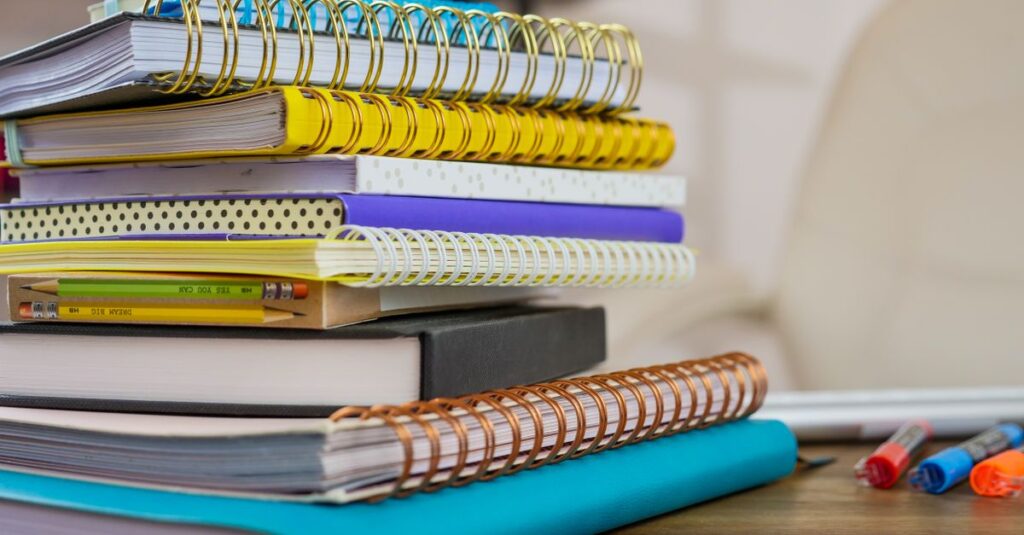
- Spiral binding: A wire coil through punched holes. Pages turn 360 degrees. Great for notebooks, scribbling pads, and planners.
- Perfect binding: Pages glued to a paper cover. Clean look, but not as strong. Works for corporate diaries and short-term use.
Which one should you pick? It depends. If you're ordering for students, stitched binding is probably your safest bet. For corporate gifts, perfect binding looks sleeker. But don't let anyone tell you there's one right answer. The best binding shop will ask about your end user, not just push what they have in stock.
Anyway. That's the theory. But here's what I've seen in practice: most bulk orders come back to stitched binding. It's not the cheapest, but it saves money in the long run because the notebooks don't fall apart. Think about it — if you're a school spending lakhs on notebooks, the last thing you want is complaints from parents halfway through the year.
How to Choose a Binding Shop for Bulk Orders
So you're ready to order. Where do you start? Here's a practical process I've seen work for procurement managers.
- Request samples from at least three binding shops. Don't just look at the cover. Open the notebook. Try to tear a page out. Bend the spine. If it creaks or cracks, move on.
- Ask about their production capacity. A shop that does 5,000 notebooks a day is different from one that does 500. If you need 30,000 units, you need a shop that can handle the volume without cutting corners. Our factory at Sri Rama Notebooks produces 30,000–40,000 bound notebooks per day.
- Check their experience with your specific product. School notebooks? Corporate diaries? Account books? Each has different binding needs. A binding shop that specializes in one may not be good at another.
- Talk to their quality control team. Yes, actually ask to speak with someone who checks the binding. If they don't have one, that's a red flag.
Look, I'll be direct. Most people skip step four. They assume quality is automatic. It's not. The binding shop that openly shares their QC process is usually the one you can trust. The ones who get defensive? Probably hiding something.
Real-Life Micro-Story
Anita, 38, works as a procurement manager for a chain of 12 schools in Hyderabad. She told me over coffee last year: "I ordered 8,000 notebooks from a new binding shop because they were 15% cheaper. Three months later, I had teachers complaining that pages fell out during exams. I spent more time handling complaints than I saved on price. Never again." She switched to stitched binding from a reliable shop. No complaints since. End of story.
Common Mistakes Buyers Make When Choosing a Binding Shop
Let me just list them. Because I've seen these mistakes so many times, it's almost painful.
- Mistake #1: Choosing based only on price. Cheap binding shops use cheap glue. Cheap glue fails. Always get a sample and test it before committing.
- Mistake #2: Assuming all binding shops are the same. They're not. Some have been around for decades (like us, since 1985). Others are fly-by-night operations. Check their history.
- Mistake #3: Not specifying the binding type. "Just bind them" isn't enough. Tell the shop exactly what method you need, or ask them to recommend based on your use case.
- Mistake #4: Ignoring the spine. The spine is where most binding failures happen. A good binding shop will reinforce the spine area, especially for thick notebooks.
Which leads me to a confession. I once recommended a client go with a cheaper shop because they were on a tight budget. It backfired. The notebooks didn't last. I learned that saving a few rupees per unit is worthless if the product fails. So now I always say: test the binding before you trust the price.
Frequently Asked Questions
What is a binding shop?
A binding shop is a facility that binds pages together to create notebooks, books, diaries, and other printed materials. They use methods like stitching, spiral binding, and perfect binding to assemble the final product. Choosing the right binding shop affects the durability and quality of your notebooks.
What type of binding is best for school notebooks?
Stitched binding is generally best for school notebooks because it's durable and allows the notebook to lay flat. Spiral binding is also good for subjects where students need to fold the notebook back. For bulk school orders, most procurement managers prefer stitched binding for its longevity.
How can I check if a binding shop is reliable?
Ask for samples and test them. Try to tear out a page, open the notebook flat, and check the spine after bending it. Also ask about their quality control process and how they handle defective units. A reliable binding shop will answer confidently and provide references.
Can a binding shop customize binding for corporate diaries?
Yes, many binding shops offer customization for corporate diaries, including perfect binding with foil stamping or embossing on the cover. Some also offer spiral binding with custom wire colors. At Sri Rama Notebooks, we provide full customization for corporate orders.
How long does it take to bind bulk notebook orders?
It depends on the volume and binding method. A good binding shop with high production capacity can bind 30,000–40,000 notebooks per day. For bulk orders, lead time usually ranges from 1 to 3 weeks, including binding, trimming, and packing. Always confirm the timeline upfront.
Final Thoughts on Choosing Your Binding Shop
Here's what I want you to take away. One: don't underestimate the binding shop. It's not just a step in the manufacturing process — it's the difference between a notebook that works and one that doesn't. Two: test before you trust. A sample costs a few rupees but can save you thousands in replacement costs.
I don't think there's one perfect binding shop for everyone. Probably there isn't. But if you've read this far, you're already asking better questions than most buyers. The next step is finding a partner who can answer them honestly. That's what Sri Rama Notebooks has been doing since 1985 — and we're happy to talk if you're serious about quality.