What Actually Determines Book Printing Prices?
Look, I'll be direct. When someone searches for "book printing prices," they're usually trying to figure out if they're getting ripped off. I get it. I've been in this industry since 1985, and the pricing confusion hasn't changed one bit.
The truth is, book printing prices aren't one number. They're a combination of at least five things, and if a supplier gives you a flat rate without asking questions first, run. Just run.
Here's what matters:
- Paper quality (GSM) – Heavier paper costs more. 54 GSM is standard for notebooks. Go above that and the price jumps.
- Number of pages – More pages = more paper + thicker binding. Simple math.
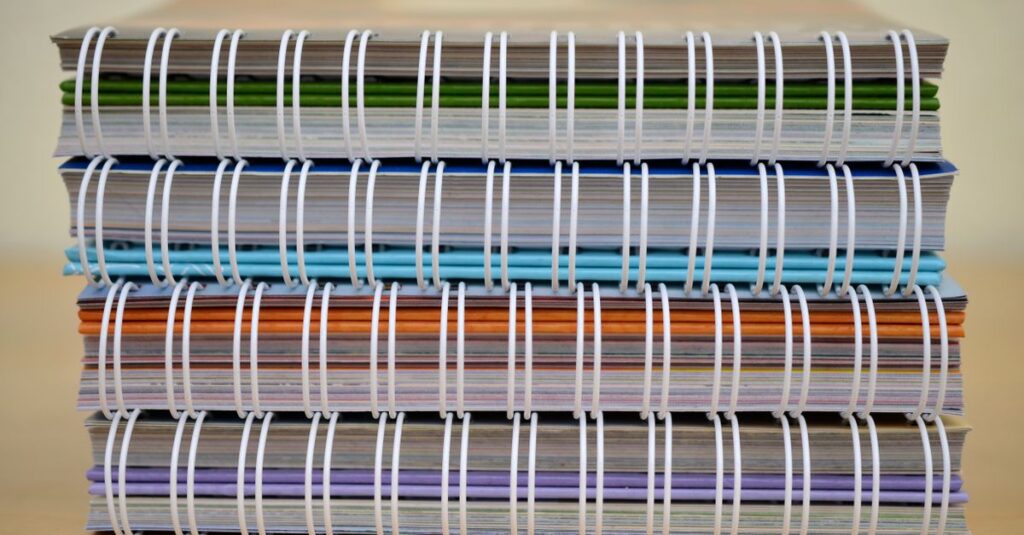
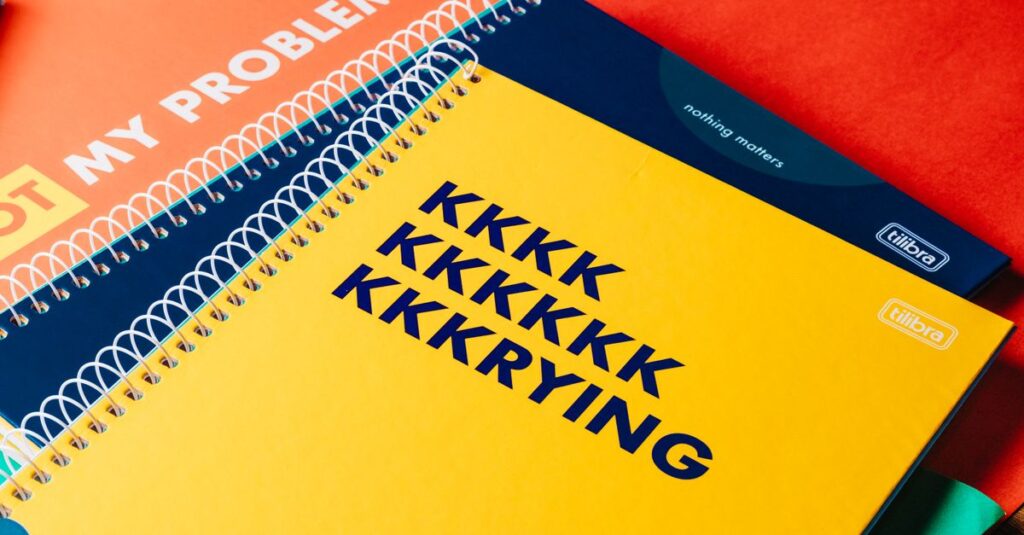
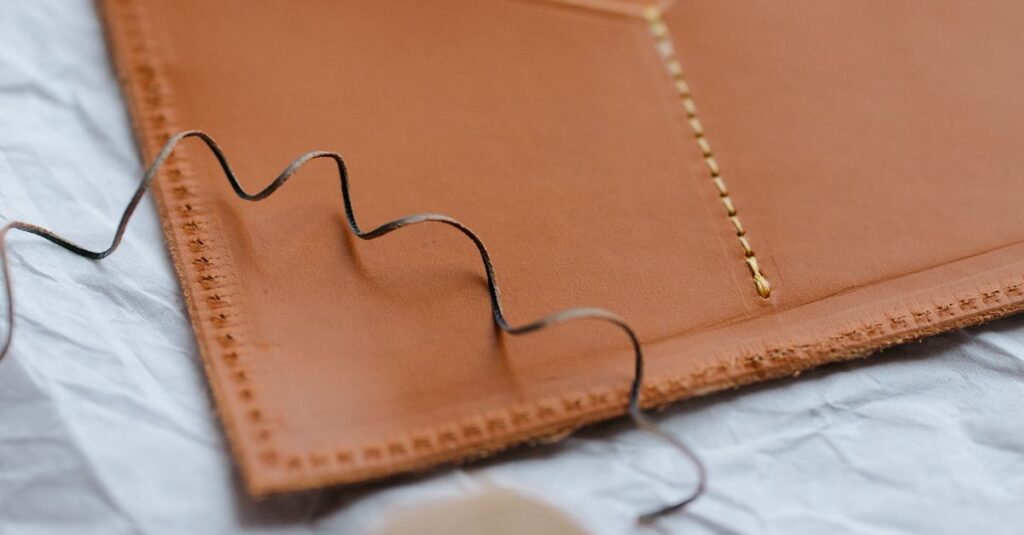
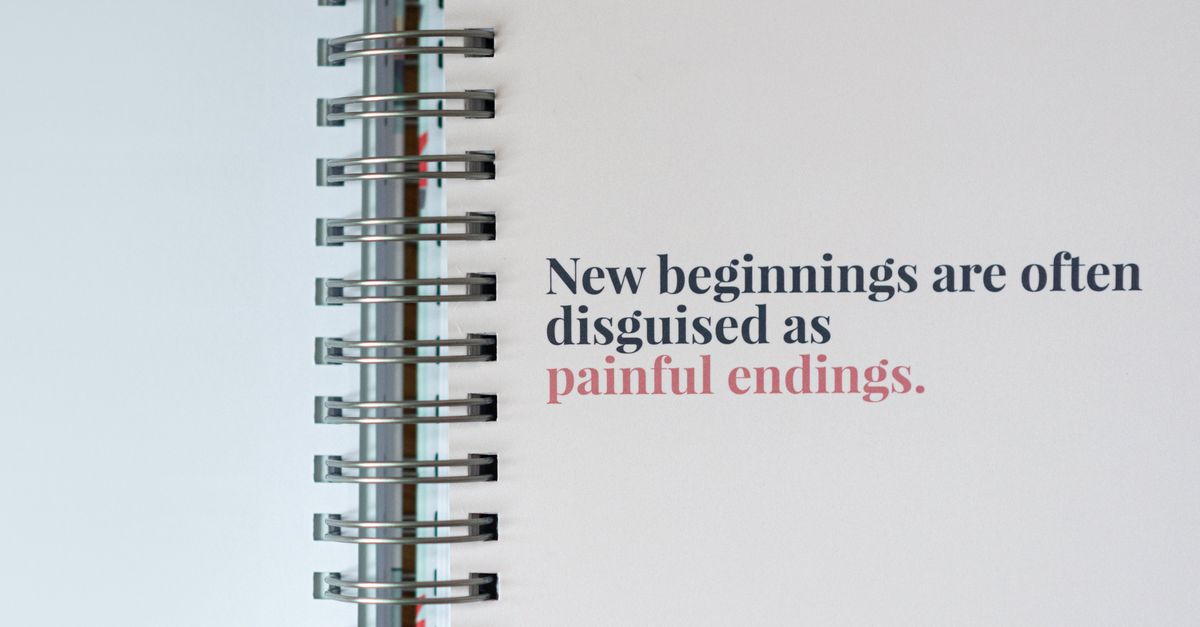
- Binding type – Stitched is cheapest. Spiral adds a bit. Perfect binding is the most expensive.
- Size – King, Long, A4, A5 – each has its own cutting waste and setup cost.
- Customization – Logo printing, foil stamping, embossing, custom covers – all add.
I remember one buyer from a college in Vizag called me. He said, "I got a quote for ₹12 per notebook, another for ₹18. Why?" I asked him what the ₹12 quote included. He didn't know. Turned out it was just plain paper, no cover art, no packaging. The ₹18 one had a laminated cover and shrink wrap. Different products. Same confusion.
If this sounds familiar, Sri Rama Notebooks can help you match the right spec to your budget.
How to Compare Book Printing Prices Without Getting Tricked
I've seen buyers compare two quotes like they're comparing apples and oranges. They're not. One quote includes designing, plate charges, and delivery. The other assumes you'll handle all that yourself.
So here's what I do when I get a quote request – and I think you should ask the same questions:
- Is this for single-color or full-color printing? (Single is cheaper.)
- What kind of binding? Stitched, spiral, or perfect?
- Are cover lamination and packaging included?
- What's the delivery timeline? Rush orders cost more.
- Is GST and transport extra?
Let me show you a quick comparison. This is based on actual orders we've done for schools and corporates in Rajahmundry and beyond.
| Binding Type | Typical Book Printing Prices (per unit for 5000+ quantity) | Best For |
|---|---|---|
| Stitched | ₹8 – ₹12 | School notebooks, budget diaries |
| Spiral | ₹12 – ₹18 | Corporate diaries, notepads |
| Perfect | ₹15 – ₹25 | Premium account books, gift diaries |
Notice the range. Stitched is cheap but not durable for heavy use. Spiral is mid-range. Perfect binding looks elegant but costs more because the glue and cover setup are pricier.
Expert Insight
I was talking to a procurement manager from a pharmaceutical company in Hyderabad last month. He told me, "I used to just choose the cheapest option. Then the covers fell off after three months. I ended up spending more on reorders." That stuck with me. Book printing prices aren't just about the upfront cost. They're about value over time. The cheapest quote often means the thinnest paper, the weakest binding. You get what you pay for – you've heard that a thousand times. I'm saying it because it's true.
The question isn't which quote is lower. It's which one will actually survive a school year.
The Hidden Costs That Spike Your Book Printing Prices
Here's the part nobody says out loud: setup charges. If you order a completely custom design – new cover art, custom inside page layout, maybe a foil stamp – the first few hundred units are going to cost more. Those setup fees get spread across the run, so the per-unit price drops as the quantity goes up.
Let me give you a real example. Ramesh (name changed, but the story is real) runs a chain of tuition centers in Vijayawada. He needed 10,000 notebooks with his logo and a custom 92-page layout. He got a quote that seemed high – ₹22 per book. He called me frustrated. I explained that the plate charges for his custom ruling and the logo embossing added about ₹4 per book for the first 2,000 units. If he ordered 20,000, the price would drop to ₹16. He went with 15,000. Paid ₹18 each. That's how book printing prices work.
Other hidden costs:
- Color printing – full-color inside adds 30-50%.
- Special finishes – embossing, foil stamping, UV coating.
- Packaging – shrink-wrapped in sets, custom cartons.
- Delivery distance – local vs interstate vs export.
Here's a thought: don't ask for a price before you know exactly what you want. The clearer you are, the less you pay. And honestly? That applies to most things in life.
Why Going for the Lowest Book Printing Prices Can Cost You More
I'll say something uncomfortable: some manufacturers quote low to get your order, then cut corners. They use cheaper paper, less glue, thinner covers. Your notebooks arrive and they feel flimsy. By the second month, pages start falling out.
I've seen it happen with a school in Kakinada. They ordered 5,000 notebooks from a new supplier at ₹8 each. Three months later, they ordered another 3,000 replacements. Their effective price was ₹10.80 per usable notebook. They could have bought quality ones at ₹10 straight.
This is why I always tell my customers: don't compare book printing prices on the number alone. Compare the spec sheet. Paper GSM, binding type, cover weight. If two quotes are very different, something's missing. Usually it's quality.
I'm not saying you should overpay. I'm saying cheap can be expensive. I don't have a cleaner way to put it than that.
Book Printing Prices for Indian Manufacturers vs International Suppliers
If you're reading this outside India, you might be comparing quotes from local Indian manufacturers like us and suppliers in China or elsewhere. In my experience – and I've been exporting notebooks to Gulf, Africa, USA, UK, Europe for years – Indian manufacturers often win on price when you factor in shipping time and MOQ.
Chinese factories might give you a lower per-unit price for huge quantities (50,000+). But the shipping takes weeks, and if something is wrong, you can't just call them. Indian manufacturers usually have lower MOQs (our minimum is 500-1000), faster turnaround (2-4 weeks), and easier communication.
So when you're looking at book printing prices for, say, 10,000 copies of a school notebook, the Indian quote might be ₹10 vs Chinese ₹8.5. But after shipping, customs, and the risk of rejects, the Indian supplier often comes out ahead. I might be biased, but I've seen enough buyers come back after trying the cheaper route to know I'm not wrong.
Anyway. That's a separate topic. Let me get back to the core question.
Frequently Asked Questions
Frequently Asked Questions
What is the average book printing price per notebook in India?
For bulk orders of 5,000+ units, prices range from ₹8 to ₹25 per notebook depending on size, binding, and customization. A standard A4 stitched notebook with 92 pages of 54 GSM paper usually costs around ₹10-₹12 per piece. Always ask for a detailed breakdown.
Does a higher page count always increase book printing prices?
Yes, but not linearly. Doubling the pages from 92 to 200 adds about 30-40% to the price, not 100%. That's because the cover and binding cost remains similar. The paper cost is the main variable. So ordering thick notebooks can be surprisingly affordable in bulk.
How much extra does custom logo printing add to book printing prices?
Single-color logo printing on the cover typically adds ₹0.50 to ₹1.50 per book in large quantities. Foil stamping or embossing can add ₹2-₹5 per book. Setup/plate charges (₹500-₹1,500) are one-time. The per-unit cost drops significantly as order size increases.
Why are spiral-bound notebooks more expensive than stitched ones?
Spiral binding requires a separate hole-punching and wire insertion step, plus the metal or plastic spiral coil material. Stitched binding uses thread and glue, which is faster and cheaper. Spiral allows the notebook to lie flat, so the extra cost is usually worth it for corporate diaries and meeting notebooks.
Can I get a discount on book printing prices if I order very large quantities?
Absolutely. The per-unit price drops as quantity increases because fixed costs (setup, plate charges, design) get spread out. We see the biggest price breaks at 5,000, 10,000, and 25,000+ units. For orders above 50,000, you can expect up to 20-30% lower per-unit cost compared to 1,000 units.
Conclusion
If you're reading this, you probably want to know one thing: am I paying too much? I don't know your quote, but I can tell you this — the right price depends on the right spec. Don't chase the lowest number; chase the clearest breakdown. Ask questions. Get samples. And remember: a good printer won't hide costs.
I don't think there's one answer for every buyer. Probably there isn't. But if you've read this far, you already know what you need — you're just figuring out if the supplier can deliver it at a fair price. We've been doing this since 1985. Talk to Sri Rama Notebooks and get a quote that actually makes sense.