Why Choosing the Right Colouring Book Printer Actually Matters
You’ve got the artwork ready. The pages are designed. You think you just need to find a printer and hit go. But here’s the thing — not all colouring book printers are the same. I’ve seen people get burned on paper quality, binding that falls apart, colours that bleed. It’s frustrating because you don’t know what you’re looking for until you’ve made the mistake.
I remember talking to a guy who ordered 500 colouring books for a school fundraiser. The printer he chose used cheap paper — markers bled right through. Every single page was ruined. He wished he’d asked more questions upfront.
That’s why I’m writing this. To help you avoid that headache. If you’re on the hunt for colouring book printers, you need to know what separates a good one from a disaster. And honestly? Most people don’t think about it until it’s too late.
So let’s break it down. Sri Rama Notebooks has been in the printing game for decades — not for colouring books specifically, but the principles of paper, ink, and binding are the same. I’ll share what I’ve learned.
What Makes a Good Colouring Book Printer? (The Basics)
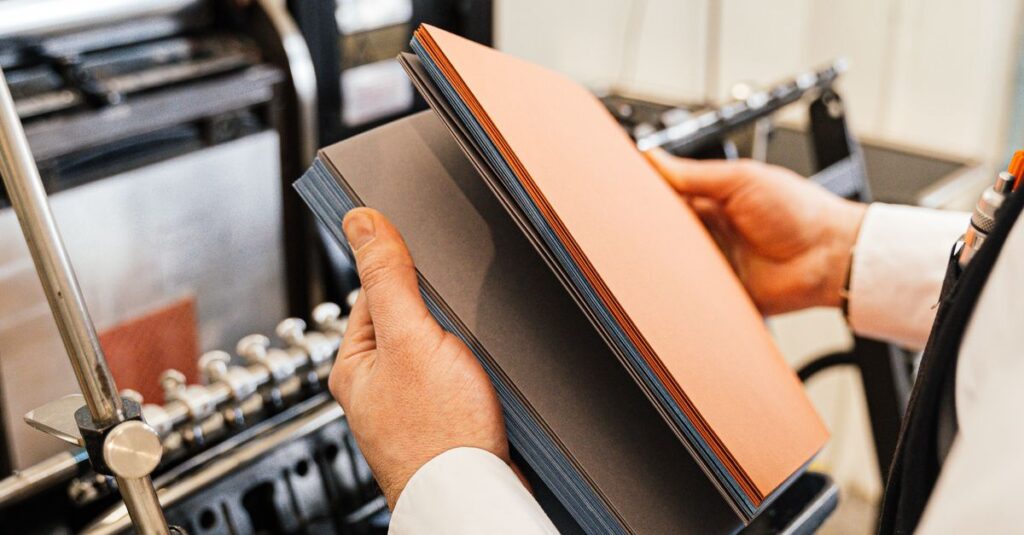
First off, not every printer can handle colouring books. You need someone who understands paper weight, ink absorption, and how the final product will be used. Colouring books are different from regular books. They get heavy use. Kids press hard with crayons, markers, pencils. The paper needs to hold up.
Here are the non-negotiables:
- Paper GSM: Look for at least 100 GSM. Thinner paper will bleed. I’d say 120 GSM is the sweet spot for most colouring books.
- Ink type: Soy-based or vegetable-based inks are better for colouring books — they don’t smudge as easily when coloured over.
- Binding: Spiral binding lets the book lay flat. Saddle-stitch is cheaper but pages can fall out.
- Cover stock: A thicker cover (300 GSM or more) protects the pages.
I think — and I could be wrong — that most people assume any printer can do this. But no. You need a specialist. Or at least someone who’s done it before.
Expert Insight
I was in a meeting last year with a printer who’d been in business since 1986. He told me about a job he’d done for a children’s author — 2000 colouring books. The author insisted on using 80 GSM paper to save money. The printer warned him. He said no. Three months later, the author called back, angry. The markers bled through every page. The printer had to reprint the whole batch at cost. He told me, “I should have refused the job.” That stuck with me. Sometimes the customer doesn’t know what they need, and it’s your job to guide them.
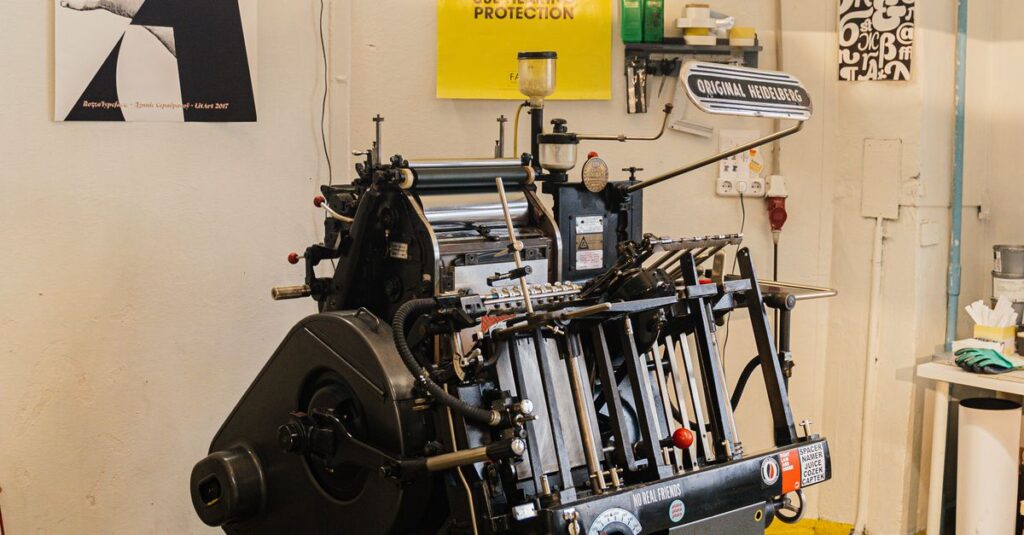
Offset vs Digital: Which Printing Method Is Better for Colouring Books?
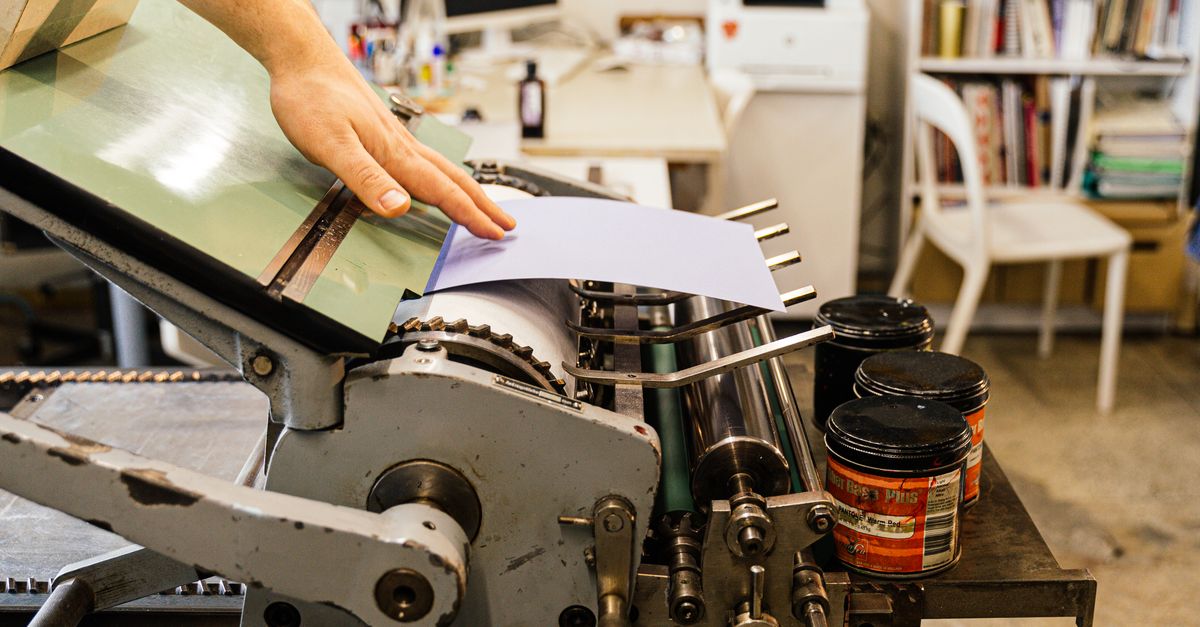
This is the big question. Offset printing is traditional — plates, big machines, high quality. Digital is faster, cheaper for small runs, but sometimes lower quality. Which one works for colouring books?
Let’s compare:
| Feature | Offset Printing | Digital Printing |
|---|---|---|
| Best for run size | 500+ copies | Under 500 copies |
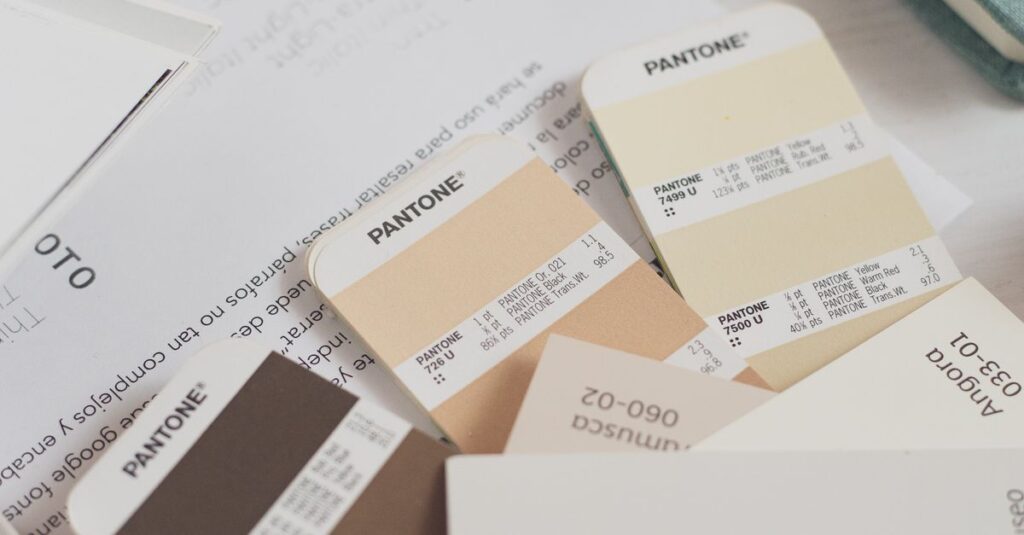
| Colour accuracy | Excellent (Pantone matching) | Good, but can vary |
| Paper options | Wide range, including heavy stock | Limited to what the machine handles |
| Cost per unit | Lower for large runs | Higher per unit, but no setup fees |
| Turnaround time | Longer (setup, drying) | Fast (same day possible) |
| Best for colouring books? | Yes, if you want durability and colour fidelity | Okay for short runs, but paper may be thinner |
Personally, I lean towards offset for colouring books. The paper quality is better, the colours are more consistent. But if you’re only printing 100 copies, you can’t justify the setup cost. Digital is fine. Just make sure the printer uses good paper.
A Real Story: How Priya Found Her Printer
Priya, 34, runs a small publishing house in Hyderabad. She wanted to print a colouring book about Indian birds. She contacted three colouring book printers. The first one quoted cheap but didn’t answer her questions about paper. The second one was too expensive. The third one — a small press in Rajahmundry — took the time to explain the process. They sent her samples of different paper weights. She said, “I felt like they actually cared about the book, not just the order.” She went with them. The book came out beautiful. She told me, “It’s the only printer I’ll work with now.” That’s what you’re looking for — someone who treats your project like their own.
Common Mistakes When Choosing Colouring Book Printers
I’ve seen these mistakes over and over. Let me save you the trouble:
- Not ordering a proof first. Always, always ask for a physical proof. Digital proofs can lie. You need to see the paper, the colour, the binding.
- Ignoring the binding type. Perfect binding looks nice but doesn’t lay flat. Spiral or saddle-stitch is better for colouring books.
- Forgetting about bleed. Colouring books often have artwork that goes to the edge. Make sure the printer allows for full bleed — otherwise you’ll have white borders.
- Choosing price over quality. Cheap colouring book printers will use thin paper and poor ink. You’ll regret it.
- Not checking the turnaround time. Some printers take weeks. If you’re on a deadline, ask upfront.
I think the biggest mistake is not asking enough questions. You’re paying for a product. You deserve to know what you’re getting.
Frequently Asked Questions
Frequently Asked Questions
What is the best paper weight for colouring books?
At least 100 GSM, but 120 GSM is ideal. Heavier paper prevents bleeding from markers and holds up to erasing. Avoid anything below 80 GSM.
Can I print a colouring book with a digital printer?
Yes, for short runs (under 500). Digital printers are fast and cost-effective. But check the paper thickness — many digital machines are limited to 80-100 GSM. Ask for a sample first.
How long does it take to print colouring books?
Depending on the printer and quantity. For offset, expect 2-4 weeks. Digital can be as fast as a week. Always ask for a clear timeline before ordering.
What binding is best for a colouring book that lays flat?
Spiral binding or wire-o binding. They allow the book to open completely flat. Saddle-stitch (stapled) is cheaper but the pages won’t stay open.
Do colouring book printers offer custom sizes?
Most do. Standard sizes like A4, A5, or 8.5×11 inches are common. But if you want a square or unique shape, ask the printer — they may have to cut it manually, which costs extra.
Choosing a Partner, Not Just a Vendor
Look, I don’t think there’s a perfect colouring book printer out there. But there are good ones. The difference is how they communicate. If they answer your questions clearly, send samples, and don’t rush you — that’s a good sign.
Two things to remember: paper quality is everything, and proof before you print. Don’t skip either.
I’m not going to tell you this is easy. It’s not. But if you take the time to find the right printer, your colouring book will be something you’re proud of. And that’s worth the effort.
If you’re looking for a reliable printing partner with decades of experience, Sri Rama Notebooks might be worth a call. We don’t just print notebooks — we know paper, binding, and what makes a printed product last.