What Does It Take to Create a Notebook?
You’re probably here because you need to order notebooks — maybe for your school, your company, or a client. And you want to understand what goes into making one. I get it. It’s not as simple as picking a size and slapping a logo on it. There’s paper weight, binding style, ruling, cover material — a dozen decisions that affect cost and quality. To create a notebook that actually works for your users, you need to know a few things first. Let me walk you through it.
If this sounds like the kind of clarity you need, Sri Rama Notebooks has been doing this since 1985. We know what we’re talking about.
Step 1: Paper Selection — The Backbone of Your Notebook
Paper is where most people mess up. They think all paper is the same. It’s not. You need to decide on GSM (grams per square meter). For writing notebooks, 54 GSM is standard — smooth enough for a pen, thin enough to keep the notebook light. But if you’re making a premium diary, you might want 70 GSM or higher. Thicker paper means less show-through, but also more cost.
I remember a client last year — a corporate buyer — who insisted on 80 GSM for a school notebook. I told him straight: it’s overkill. Students don’t need that. He didn’t listen. Ended up spending 30% more. The notebooks were heavy. Kids complained. He came back to us later and admitted we were right. Sometimes you just have to see it for yourself.
Here’s a quick list of things to check when choosing paper:
- GSM — 54 for standard, 70+ for premium
- Opacity — how much ink shows through the other side
- Whiteness — brightness affects readability
- Texture — smooth or slightly textured? Most prefer smooth.
And honestly? The paper you choose will define 80% of the notebook experience. Don’t cheap out on this one.
Step 2: Printing and Ruling — Getting the Lines Right
Now you have your paper. Next step: print the ruling. This is where the phrase “create a notebook” becomes real. You need to decide what kind of lines: single ruled, double ruled, four ruled (for kids learning to write), or unruled. Most schools want single ruled. Corporate diaries often use unruled or dot grid.
We use offset printing for most runs — it’s the most cost-effective for bulk orders. Digital printing is only for very small batches or proofing. The ink has to be non-smudge, especially for left-handed writers. I know, small detail. But it matters.
I had a conversation with a distributor from Vizag last month. He said his customers always ask for “that notebook that doesn’t bleed.” He was talking about the paper quality, but I think it’s also about the printing. If the ink isn’t set properly, the lines look fuzzy. No one wants that.
So here’s the rule: always ask for a sample before you place a bulk order. We send samples to everyone. It’s the only way to be sure.
Step 3: Binding — The Part That Holds It All Together
Binding is where most notebooks fail. You’ve seen those notebooks where pages fall out after a month? That’s bad binding. We offer three types:
| Binding Type | Best For | Durability | Cost |
|---|---|---|---|
| Stitched (thread/sewn) | Long-lasting notebooks, diaries | High — pages stay put | Medium |
| Spiral (wire-o) | Students, notebooks that need to lie flat | Medium — can get bent | Low |
| Perfect (glue) | Budget notebooks, notepads | Low — pages can fall out | Lowest |
I’ll be honest: for anything you expect to last more than a few months, go with stitched. It’s more expensive, but it’s worth it. One of our clients in the Gulf ordered 50,000 diaries with perfect binding. We advised against it. They went ahead. Six months later, they got complaints. They paid for a reprint. Sometimes the cheapest option is the most expensive.
Step 4: Customization — Making It Your Own
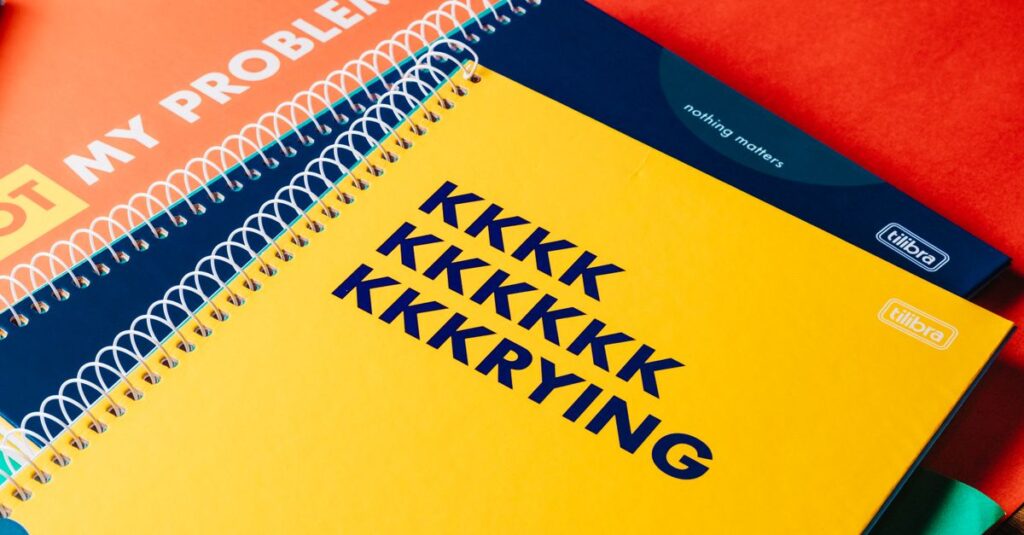
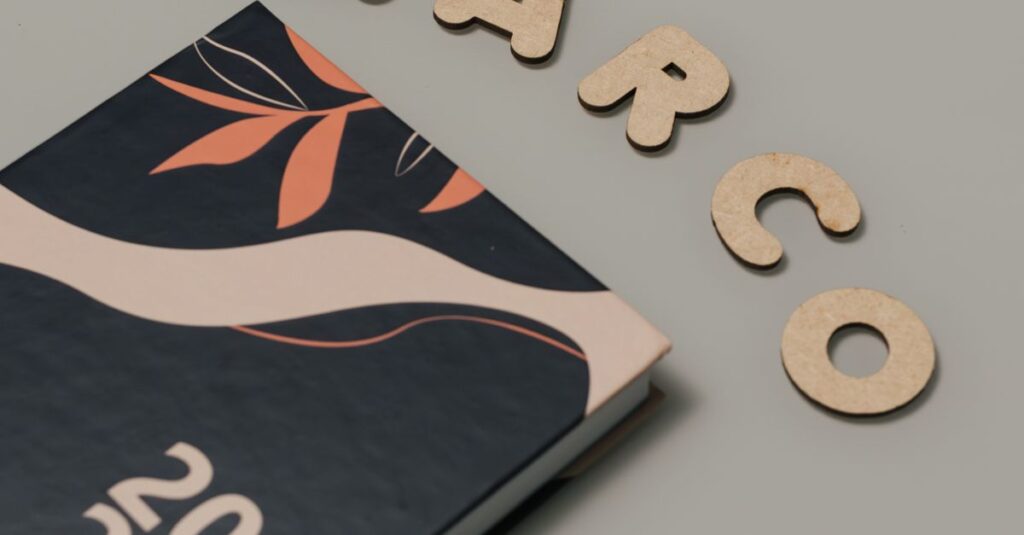
Here’s where the fun starts. You can create a notebook that looks exactly like you want. Logo printing, embossing, foil stamping, custom cover design. The options are endless. But here’s the thing: not every customization is right for every budget.
For example, foil stamping (gold or silver) looks premium but adds cost. Embossing (raised design) is subtle but classy. Logo printing is the most common — you can do one color or full color. Private label is also huge: your brand name on the cover, no mention of the manufacturer.
I remember a client from a university in Hyderabad. They wanted a custom cover with a complex artwork. We told them the setup cost would be high. They said go ahead. After the first run, they loved it. Now they order every year. Good customization builds loyalty.
But here’s a warning: don’t over-design. A simple logo on a clean cover often looks better than a busy print. Less is more, especially for corporate gifts.
Expert Insight: A Memory from the Factory Floor
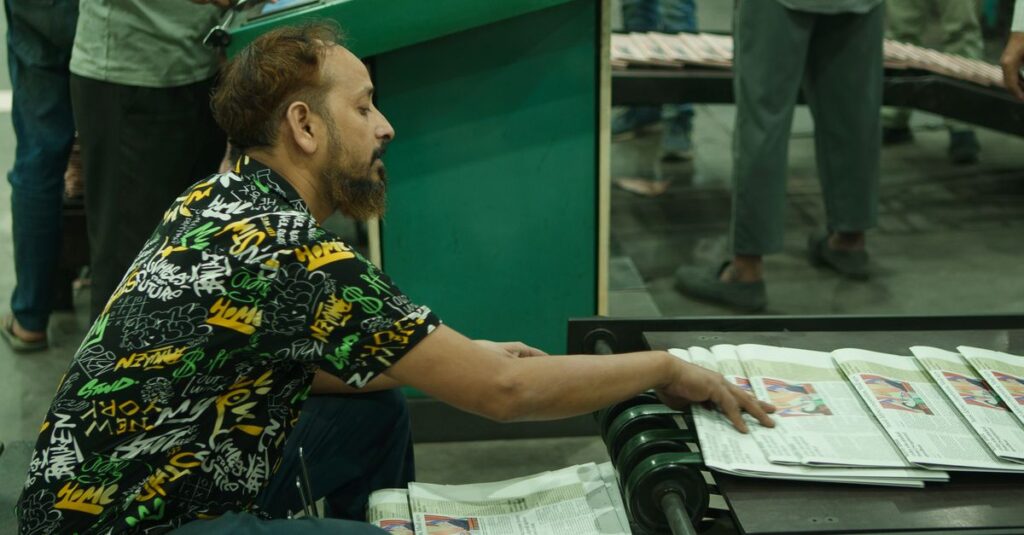
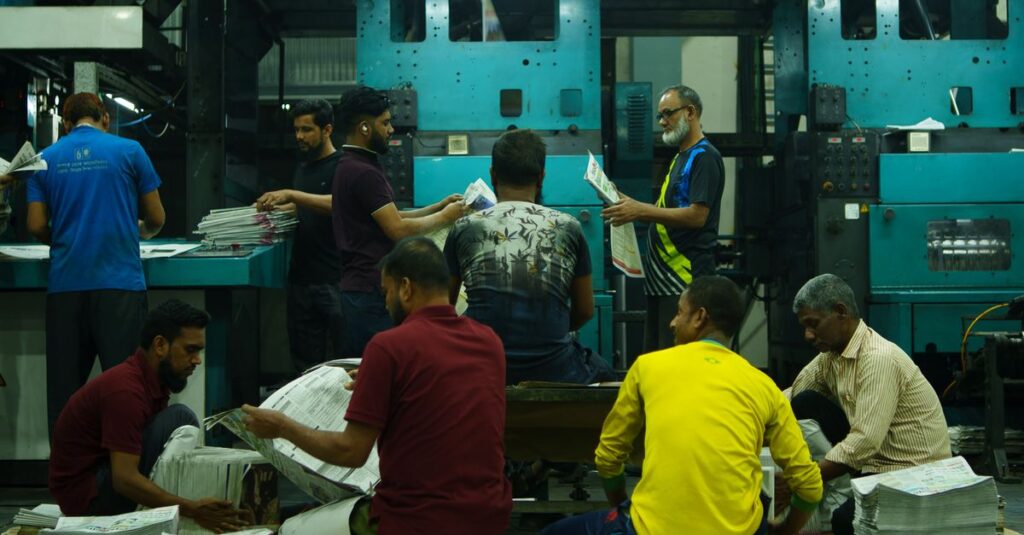
I was walking through the binding section one afternoon — it’s loud, smells of glue and paper — and I saw a stack of notebooks that had been rejected. The binding was loose. The supervisor was furious. He said, “These are going to the scrap pile.” I asked why. He said, “Because if we let these go, the customer will never come back.”
That stuck with me. Not because it’s profound, but because it’s true. Every notebook that leaves our factory carries our name. One bad batch can ruin a relationship. So we check. And double-check. And sometimes triple-check. Quality control isn’t a department — it’s a mindset.
Real-Life Micro-Story: A School Principal’s Custom Notebook Order
Mrs. Savita, 52, runs a private school in Rajahmundry. She needed 5,000 notebooks for the new academic year — all with the school logo, in four colours, with a spiral binding so the kids could fold them back. She called us in April, panicked. The previous supplier had backed out. We had three weeks.
I told her we could do it, but she’d have to choose from our standard paper stock. She agreed. We printed, bound, and delivered on time. She called me after the first day of school. “The kids love them,” she said. “Thank you.” That’s the part of the job I don’t get tired of.
Common Mistakes to Avoid When You Create a Notebook
Let me save you some headaches. Here are the top mistakes I see from buyers:
- Choosing the wrong paper GSM. Too thin and ink bleeds. Too thick and the notebook is heavy.
- Skipping the sample. Always order a physical sample. Digital proofs lie.
- Ignoring binding quality. Cheap glue binding will fall apart. Invest in stitched binding for any long-term use.
- Over-customizing. Too many colors or complex designs increase cost and risk of errors.
- Not planning for lead time. Manufacturing takes 2-4 weeks for bulk orders. Don’t wait until the last minute.
I’ve seen all of these. Nine times out of ten, the buyer who cuts corners regrets it. Take the time to do it right.
Frequently Asked Questions
How long does it take to create a notebook?
Typically 2–4 weeks for bulk orders, depending on quantity and customization. Express orders can be done in 7–10 days if paper stock is available.
What is the minimum order quantity for a custom notebook?
We usually require a minimum of 500 notebooks for custom printing. For simpler designs, we can do 200 units. Smaller quantities may be possible with standard covers.
Can I create a notebook with my own logo?
Yes, we offer logo printing in one or more colors, as well as embossing and foil stamping. Send us your artwork, and we’ll provide a proof before production.
What sizes are available for notebooks?
We make King (23.6×17.3 cm), Long (27.2×17.1 cm), Short (19.5×15.5 cm), and also A4 and A5 sizes. Custom sizes are possible for large orders.
Do you ship internationally?
Yes, we export to Gulf countries, Africa, USA, UK, Europe, and Australia. We handle all logistics. Contact us for a shipping quote.
Conclusion
When you create a notebook, you’re not just buying paper and binding. You’re making a tool that someone will use every day — to study, to plan, to remember. Getting it wrong means wasted money and disappointed users. Getting it right builds trust.
I don’t think there’s a single perfect formula. The best notebook depends on who’s using it. But if you choose good paper, strong binding, and simple customization, you’re already ahead of most. The rest is just details.
If you’re ready to start, Sri Rama Notebooks can help you through the entire process. We’ve been doing this since 1985. We know what works.