

Let’s Get Straight to It: The Spiral Isn’t Just a Feature
You know the sound. That tiny metallic crunch when you fold back the cover of a spiral notebook. It’s the sound of practicality, of a page lying flat. Here’s the thing — everyone thinks they know what a spiral notebook is. You’ve used one. But when you’re the one responsible for ordering 10,000 of them for a school district or branding them for your company, the story changes. Suddenly it’s not just stationery; it’s a supply chain decision. It’s durability versus cost. It’s how your brand looks to an employee on their first day. The notebook with the spiral becomes a piece of infrastructure. And most people, honestly, don’t think about it until they have to. Right? If that’s where you are, trying to figure out if spiral binding is the right call for your bulk order, then this is where you need to start.
What Actually IS a Spiral Bound Notebook?
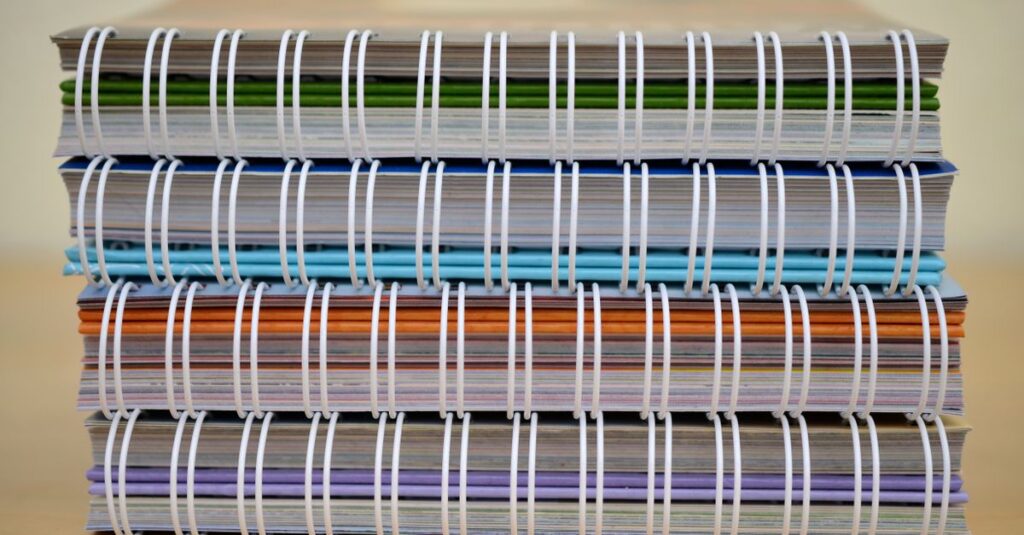
Let’s clear this up first, because even in the industry we get sloppy. A ‘spiral notebook’ technically uses a continuous *wire coil* that’s looped through punched holes. That’s the classic metal spiral. You also have ‘comb binding’ or ‘plastic coil,’ which uses a plastic spine with teeth. For most buyers, it all gets lumped together. I’ll do it too sometimes. But the core principle is the same: pages are individually punched and held by a continuous, flexible spine that allows the book to open 360 degrees and lie completely flat.
Think about it this way. A stitched notebook is like a paperback book—it has a spine that cracks. A perfect-bound notebook is glued. A spiral-bound notebook? It’s more like a portfolio. Every page is free to move. This isn’t just a minor detail. For students taking notes, artists sketching, or employees logging data, that flat lay is the only thing that matters.
The Real-World Difference It Makes
I was talking to a procurement manager at a technical college last month. Over a terrible cup of office coffee, he told me they switched from stitched to spiral for their engineering pads. The reason was simple, but something I’d never considered. “The students,” he said, “they rip pages out of stitched books to put in their project folios. It destroys the rest of the book. With a spiral, they just twist the coil open, take the page out cleanly, and twist it shut. The pad lasts the whole semester.”
It was a Tuesday, I think. But that stuck with me. It’s not about the notebook. It’s about the user’s behavior that the notebook enables or prevents.
Why a Spiral? The Unsexy, Practical Benefits
Look, I’ll be direct. Spiral binding isn’t always the cheapest option. So why does anyone bother? Because the benefits solve real, expensive problems for bulk buyers.
- Lies Flat, Always: This is the big one. No wrestling with the spine. For left-handers, for forms that need filling across the gutter, for trainers demonstrating something—it changes everything.
- Durability in Disguise: A good spiral coil is tough. It can get tossed in a bag, dropped, and generally abused far more than a glued spine. The pages are the weak point, not the binding.
- Full Customization: This is where it gets interesting for brands. Because the cover is a single sheet, it’s a canvas. Full-bleed printing, thick card stock, laminated finishes—your logo or design can look premium without the cost of a hardcover.
- Reconfigurable: Pages can be added or removed. For custom manuals or training workbooks where content might change, this is a lifesaver.
And honestly? The biggest benefit is psychological. A spiral notebook feels active. It feels like a tool for work, not just for storage. A stitched notebook sits on a shelf. A spiral notebook gets opened.
A Quick Look at the Other Guys: Spiral vs. Everything Else
You’re probably comparing options. Let’s make it simple. Here’s what you’re really deciding between.
| Feature | Spiral Binding | Stitched/Saddle-Stitch Binding | Perfect Binding (Glued) |
|---|---|---|---|
| Lies Flat | Yes, 360 degrees | No, cracks at spine | No, must be forced |
| Durability | Very High (spiral is tough) | Medium (spine can crack) | Low (glue can fail) |
| Page Count Range | Best for 20-200 pages | Best for 8-64 pages | Best for 48-500+ pages |
| Customization | High (full cover print) | Medium (cover & spine print) | High (printed spine possible) |
| Cost (Bulk) | Medium | Lowest | Low to Medium |
| Ideal For | Notepads, workbooks, art pads, manuals | Standard school notebooks, magazines | Corporate diaries, journals, thick catalogues |
See, it’s not about ‘better.’ It’s about ‘right for the job.’ Ordering spiral notebooks for a primary school where kids just need to write? Probably overkill. Ordering stitched books for a corporate training workbook? That’s a fast track to pages falling out and looking unprofessional.
How They’re Actually Made (And What Can Go Wrong)
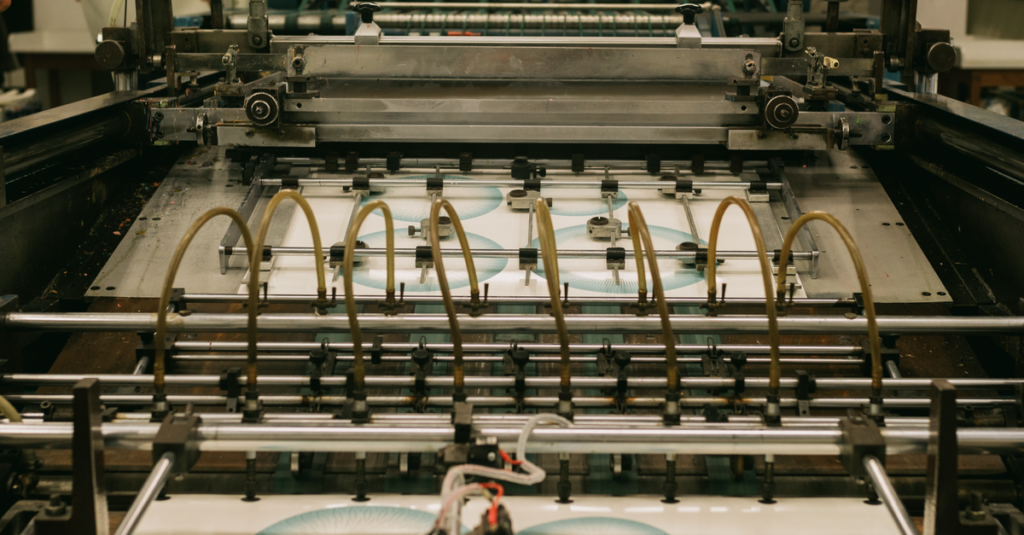
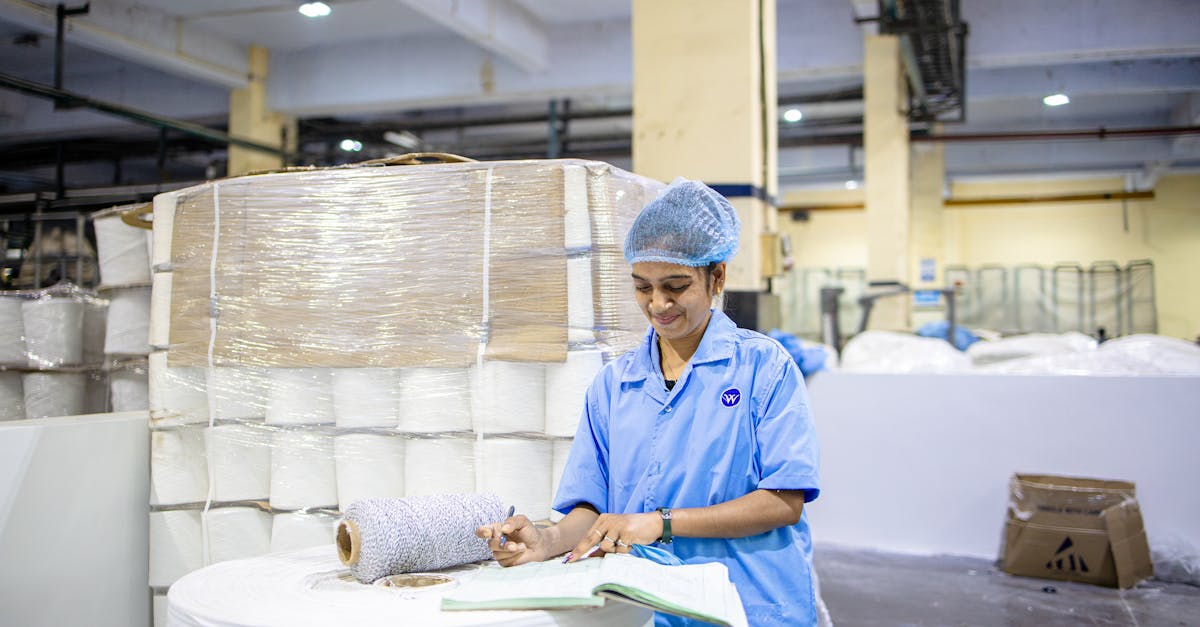
Okay, let’s get into the weeds a little. I’ve been on the factory floor for longer than I care to admit, and the process is simple in theory, but the devil’s in the execution.
- Printing & Collating: All the inner pages are printed in ‘sheets’ or ‘signatures,’ then stacked in the exact right order. Get this wrong and your page 15 comes after page 30.
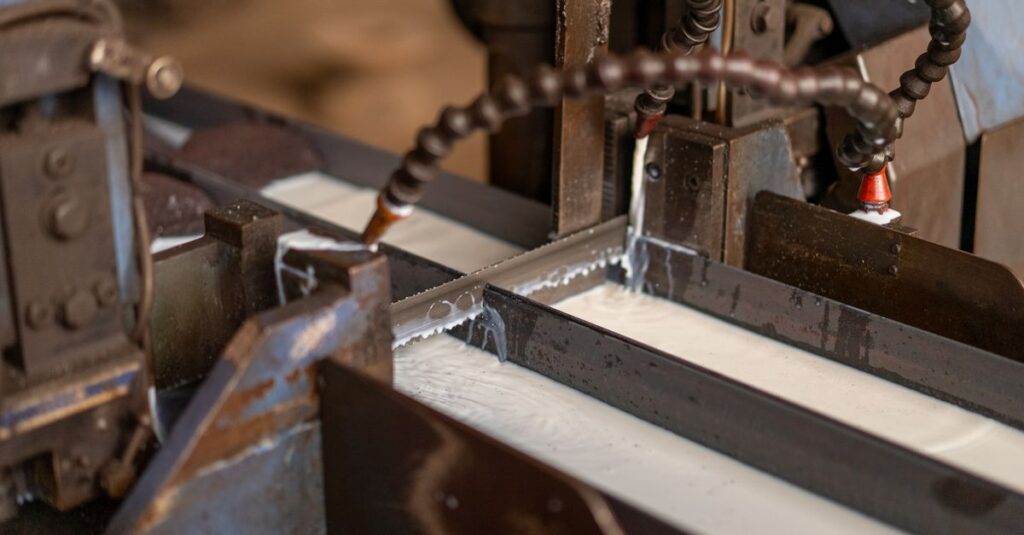
- Punching: This is the critical step. A machine punches a line of square or round holes along the binding edge. The hole pattern must match the coil pitch exactly. Even a 1mm misalignment means the coil won’t thread.
- Coil Insertion: The wire or plastic coil is fed through the holes. For metal, it’s like a giant stapler that twists the coil shut. For plastic, the ends are heat-sealed.
- Trimming: The final three-side trim gives the book its clean edges.
Expert Insight
The part most buyers never see is the coil itself. I was reading a supplier spec sheet last month and one line stuck with me. The gauge of the wire—its thickness—matters more than anything. A thin, cheap coil will kink and bend if you so much as look at it wrong. A heavy-duty coil will survive a backpack for a full school year. The difference in cost is tiny per unit, but the difference in perception is massive. A client once told me a flimsy coil feels like a ‘disposable’ product. A robust coil feels like an ‘investment.’ I don’t have a cleaner way to put it than that.
When You Should (And Shouldn’t) Order Spiral Notebooks
This is where my opinion gets specific. Based on watching thousands of orders go out the door, here’s who should be looking at spiral binding, and who should probably look elsewhere.
YES, Choose Spiral For:
- Corporate Branding: You want your logo or brand message on a premium-feeling product. A thick, laminated cover on a spiral pad looks and feels expensive. It’s a walking billboard that says you pay attention to detail.
- Training & Workbooks: Any situation where the user is actively writing, referring back, and needs the book to stay open. Think onboarding kits, workshop materials, fitness logs.
- Technical/Specialized Use: Graph paper for engineers, music sheets, art sketchbooks. The flat lay is non-negotiable.
- High-Use Environments: Where the notebook will be opened and closed dozens of times a day. Reception logs, laboratory notebooks, maintenance reports.
NO, Maybe Look Elsewhere For:
- Budget-focused school orders for very young children (stitched is fine).
- Very high page counts (over 250 pages). The coil gets unwieldy.
- When you need a printed spine for shelf organization (like a library).
The question isn’t whether spiral binding is good. It’s whether your specific use case needs what it offers badly enough to justify the slight premium. Nine times out of ten, for corporate and institutional use, the answer is yes. Seeing the options in front of you usually makes the decision obvious.
The Real Cost of a Spiral Notebook (It’s Not Just the Price)
Let’s talk money, but not in the way you think. The unit cost from the manufacturer is one line item. The total cost of ownership is another. A cheap notebook that falls apart in a month means re-ordering sooner, frustrated users, and a brand that looks… cheap.
I think about Priya, a stationery distributor in Hyderabad we’ve worked with for years. She told me a story about a client—a small chain of coaching institutes. They bought the absolute cheapest spiral notebooks they could find. The coils kinked, pages tore at the holes, and the covers curled after a week. The institute’s owner called her, annoyed. “The parents are complaining,” he said. “They think we’re cutting corners on everything.”
He wasn’t wrong. The notebook had become a symbol. They saved 3 rupees per book. They paid for it in reputation.
Your spiral notebook isn’t an expense. It’s a communication tool. What does yours say?
Frequently Asked Questions
Frequently Asked Questions
Are spiral notebooks more expensive than regular notebooks?
Usually, yes, but not by as much as you might think in bulk. The binding process has more steps (punching, coil insertion). For a standard 92-page book, a spiral binding might cost 10-15% more than a simple stitched binding. The value comes from the durability and functionality, which often means you buy fewer replacements.
Can pages be added or removed from a spiral notebook?
Yes, that’s a key advantage. With the right tools (or carefully by hand), you can open the coil, add or remove pages, and re-close it. This is perfect for custom manuals, portfolios, or project logs where content evolves. You can’t do this with glued or stitched books.
What’s the difference between metal and plastic spiral binding?
Metal coils (wire) are classic, very durable, and have a professional look. Plastic coils (comb binding) are more flexible, come in colors, and are often slightly cheaper. Metal is generally preferred for heavy-use or professional environments, while plastic is great for presentations or where color-coding is useful.
What’s the maximum number of pages for a spiral notebook?
It depends on the paper thickness (GSM) and coil diameter. Realistically, for standard 70-80 GSM paper, you can comfortably go up to 200-250 pages. Beyond that, the book becomes very thick and the coil can struggle to hold all the pages securely. For really thick books, perfect binding is usually better.
Can you print on the covers of spiral notebooks?
Absolutely. In fact, that’s one of the best parts. Because the cover is a single, thick sheet, it’s perfect for high-quality, full-color printing. You can do full-bleed designs, laminate it for protection, and create a truly custom, branded product. It’s one of the most cost-effective ways to get a premium-looking item. This is what we specialize in.
So, Is a Spiral Notebook Right for You?
I don’t think there’s one universal answer. Probably there isn’t. But if you’ve read this far, you’re not just buying paper. You’re solving a problem for a classroom, a workforce, or a brand.
The spiral notebook is a specific tool for a specific job. It’s for when lying flat matters more than fitting neatly on a shelf. It’s for when durability matters more than the absolute lowest price point. It’s for when the object itself needs to communicate quality and intention.
Most people just see the coil. You now see the engineering, the decision-making, and the long-term value. That’s the real shift. The question isn’t “spiral or not?” It’s “what are we actually trying to accomplish here?” And the notebook, surprisingly, holds a lot of the answer.
If figuring out that answer feels like the next logical step, then maybe it’s time to talk to someone who’s been doing this for four decades. We might be able to help you figure it out.