You’ve written 40,000 words. Now what?
Right. The thing nobody tells you about finishing a dissertation is this moment. You’ve spent years on the research, months on the writing. You hit print. And suddenly you’re holding a stack of paper that feels like it weighs more than you do. You’ve got this massive, important document — this physical proof of all your work — and you need to turn it into something that looks… official. Something that can be submitted, archived, presented. And the question hits you: where do I even get this thing bound? I was talking to a university admin last week — not a student, but the person who actually processes the final submissions — and she said the single most common last-minute panic she hears is, “I need dissertation binding and I need it tomorrow.” It’s this weird gap in the whole process. We prepare for everything except the final, physical act of making it real. If this sounds like where you’re at, understanding the binding part is probably your next move.
Dissertation Binding Isn’t Just “Stapling”
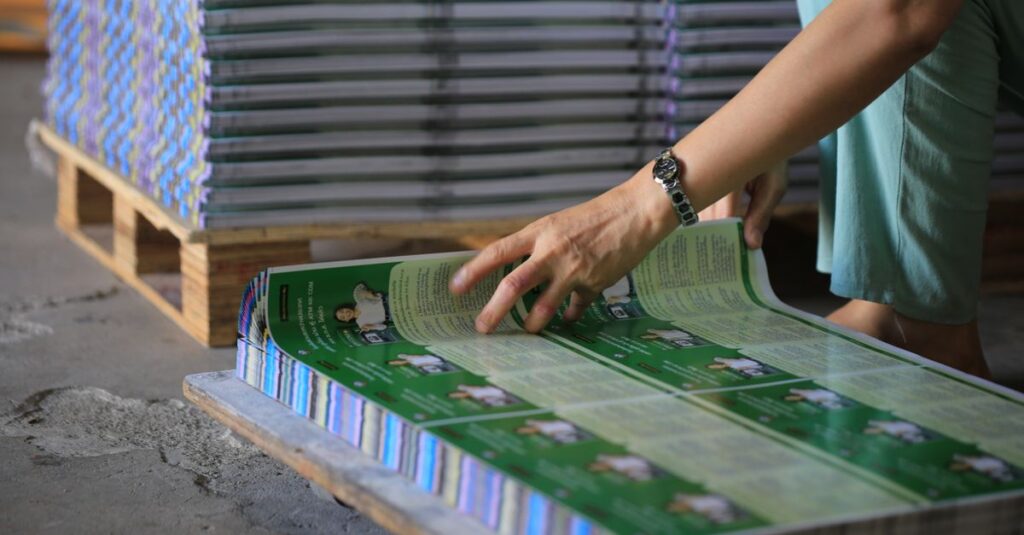
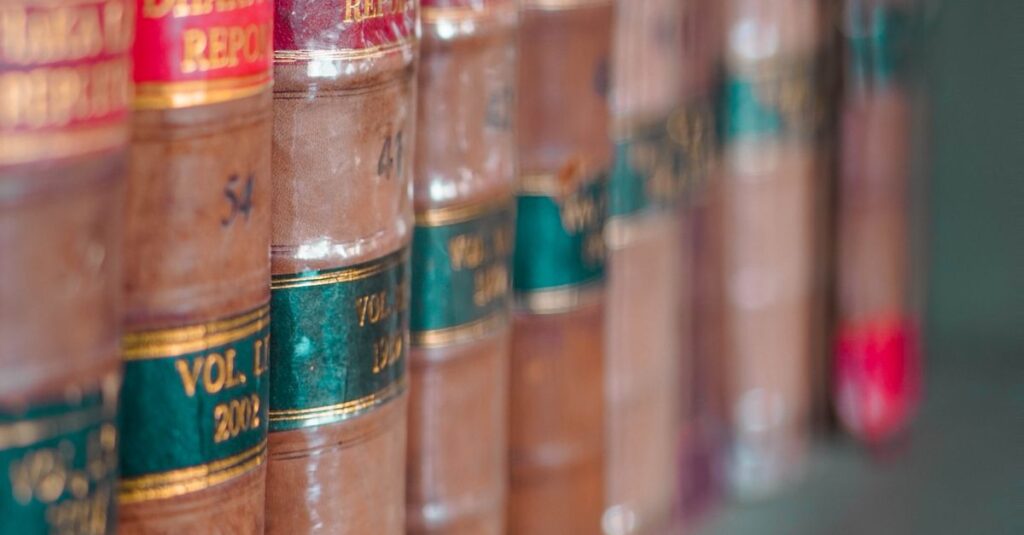
Let’s clear this up first. When you search “dissertation binding near me,” you’re not looking for a stationery shop that does a quick staple job. You’re looking for a specific service. Think about what that document represents. It’s got to survive being handled by examiners, stored on library shelves for decades, maybe even shipped. It needs to open flat for easy reading. The pages can’t fall out. The cover needs to look professional — often with specific lettering (gold foil, embossing) that matches your university’s submission guidelines. This is commercial-grade binding. It’s the same category of work that goes into producing high-quality corporate reports, archival documents, and yes, the notebooks and account books we’ve been making for institutions for 40 years. The intent behind the search is deeply practical, but it’s laced with anxiety. You’ve poured everything into the content; the last thing you want is for the container to let it down.
Real-Life Micro-Story
Anita, 28, was finishing her PhD in public policy at a university in Hyderabad. She’d defended successfully. The digital copy was approved. All she needed was two hardbound copies for the library. She went to a local print shop that advertised “binding.” They put a plastic comb spine on it. It looked like a school project. The department rejected it outright — their guidelines specified “thermal adhesive perfect binding.” She had three days before the final submission deadline. She spent one of them just calling around, trying to explain the difference between comb binding and perfect binding to confused shopkeepers. The panic was real. She found a place eventually, but it cost triple because it was a rush job. Her takeaway? “I knew every theoretical model in my thesis, but I didn’t know the first thing about how to physically build the book.”
The Three Main Types You’ll Actually Encounter
Okay, so what are your options when you walk into a place or get a quote online? You’ll generally hear three terms. And they’re not created equal.
- Perfect Binding: This is what most modern paperbacks and many professional theses use. The pages are gathered, the spine edge is roughened and glued with a strong, flexible thermal adhesive. Then a cover is wrapped around it. It looks clean, professional, and it opens relatively flat. This is often the standard for university submissions. It feels substantial.
- Spiral Binding (or Wire-O): Here, holes are punched along the side and a plastic coil or metal wire is threaded through. The huge advantage? It opens completely flat, 360 degrees. Fantastic for referencing charts or writing notes in the margin while it’s open. The downside? Some universities see it as less “formal” or “archival” for a final dissertation. Always check your guidelines. It also doesn’t have a printed spine for shelf identification.
- Stitched Binding (Saddle Stitching or Side Stitching): This is the old-school, ultra-durable method. For thinner documents, staples through the spine fold (saddle stitch). For thicker ones like dissertations, staples or thread through the side (side stitch). This is incredibly strong — pages will not come out. But it doesn’t open as flat as spiral, and for very thick volumes, it can make the book bulge. This is the classic method for high-page-count account books and record books meant for daily, heavy use.
The question isn’t which is “best.” It’s which one your institution requires, and which one fits the actual use of your document. Is it for a library archive (probably perfect bound)? Or is it a working copy you’ll constantly reference (maybe spiral)?
The Comparison: What You’re Really Choosing Between
| Factor | Perfect Binding | Spiral / Wire-O Binding |
|---|---|---|
| Primary Use | Formal submission, archival copies, library storage. | Personal reference copies, working documents, portfolios. |
| Durability | High for shelf life; spine glue can crack if forced flat. | Very high for frequent handling; coil can snag/bend. |
| Lay-Flat Ability | Good, but not completely flat. | Excellent. Opens 360 degrees. |
| Professional Appearance | Most formal; allows for spine printing. | Modern & functional; no spine print. |
| Page Limit | Best for higher page counts (150+). | Great for any count, but very thick coils look bulky. |
| Typical Turnaround | Longer (requires glue drying/curing). | Faster (mechanical process). |
| Cost Implication | Often higher due to materials & process. | Often lower, but premium metal Wire-O costs more. |
How to Actually Find a Reliable “Near Me” Service
This is the practical part. You google it and get ten listings. How do you pick? From the bindery side of things — we see the orders come in — here’s what separates a good service from a last-minute nightmare.
First, call them. Don’t just email. Explain exactly what you have: “I have a PhD dissertation, it’s 280 pages single-sided on 100 GSM paper, and I need two copies perfect bound with hard covers and gold foil title on the spine.” Listen. If they ask smart follow-up questions — about paper weight, grain direction, margin size for binding — you’re in good hands. If they just say “yeah we can bind it,” be wary. Second, ask if they can do a sample. A reputable place should be able to show you examples of similar work, or even bind a few sample pages of your paper so you can feel the quality. Third, turnaround time. Good binding isn’t instant. Glue needs to set. Foil stamping needs precision. If they promise it in 2 hours, question what corners they’re cutting. A realistic timeline for a proper job is 24-48 hours, sometimes more if it’s complex.
Expert Insight
I was reading an industry journal last month — it was about archival standards — and one line stuck with me. A conservation specialist said the lifespan of a bound document has less to do with the paper and more to do with the quality of the adhesive and the alignment of the paper grain. If the grain of all the pages runs parallel to the spine, the book opens easily and the glue holds for decades. If it’s perpendicular, the pages fight the binding, the glue strains, and it fails faster. I don’t have a cleaner way to put it than that. When you’re handing over your life’s work, you’re not just paying for glue and card. You’re paying for that knowledge. The question is whether your local bindery has it.
Why Local Still Matters (And When It Doesn’t)
Look, the obvious advantage of “near me” is you can walk in, see the operation, and get it fast. You can have a conversation. For something as specific as a dissertation, that human interaction matters. You can point to a line on your title page and say “this font here, in this size.” But. And this is a big but. Local doesn’t always mean capable. A small print shop might outsource the actual binding, adding time and cost. Their paper stock for covers might be limited. Here’s what I’ve seen work: find a local partner who is transparent. If they say “we send the foiling out, it comes back tomorrow,” that’s fine — you know the timeline. The red flag is vagueness. The other option, of course, is using a specialized online thesis binding service. They have the systems down, but you lose the face-to-face assurance and shipping adds risk. Anyway. The choice depends on your priority: speed and control (local) or potentially specialized consistency (online).
I think — and I could be wrong — that most people just want the certainty. You want to know your document is being handled by someone who understands its importance, not just as another job in the queue. That’s the real thing you’re searching for.
Beyond the Dissertation: What You’re Really Learning
This whole process feels like a weird, stressful hurdle. But it’s teaching you something practical about the world of physical documents. The principles are the same whether it’s your thesis, a corporate proposal, a training manual, or a custom ledger for a business. How do you make information durable, accessible, and professional in print? Understanding binding types, paper specs, and finish options is a tangible skill. It’s the bridge between digital work and physical artifact. The next time you need to produce a report that matters, you won’t start from zero. You’ll know to ask about spine width, and whether the binding allows for lay-flat viewing. That’s not nothing.
Frequently Asked Questions
What is the most professional binding for a dissertation?
For most universities, thermal adhesive perfect binding with a hardcover (case binding) is the standard for final, archival submission. It looks formal, allows for spine titling, and is designed for long-term shelf storage. Always double-check your institution’s specific guidelines first, as they can be very precise.
How much does dissertation binding cost near me?
Costs vary wildly based on page count, paper quality, cover material, and extras like foil stamping. For a standard 300-page perfect-bound hardcover, you might see prices from ₹800 to ₹2500 per copy. Spiral binding is usually cheaper. Get a few quotes and ask what’s included — sometimes extra covers or rush fees sneak in.
Can I bind my dissertation myself?
You can for a personal copy, using thermal binding machines or report covers. But for the official submission? I wouldn’t risk it. University standards are strict about durability and appearance. Professional binding uses industrial adhesives and precision equipment that’s hard to replicate. This is one area where DIY often looks… DIY.
How long does dissertation binding take?
A proper job isn’t instant. For perfect binding, the glue alone needs time to cure properly. A realistic turnaround from a good bindery is 24 to 48 hours after they receive your print-ready pages. If you need foil stamping or special covers, add more time. Never leave it until the absolute last day.
What should I ask a local binding service before giving them my work?
Ask to see samples of similar work. Ask about their process for perfect binding (what adhesive, do they clamp it while drying?). Ask about paper grain alignment. Ask exactly what happens if there’s an error in foiling or if a page is misaligned. Their answers will tell you if they’re technicians or just operators.
Wrapping This Up
The main takeaway is simple: dissertation binding is a specialized craft. It’s the final, physical signature on your academic work. The search for “dissertation binding near me” is really a search for a craftsman who gets that. Look for the place that asks questions, shows samples, and doesn’t promise the impossible. Understand the difference between perfect, spiral, and stitched binding so you can match their service to your university’s rules. Plan for more time than you think you need. I don’t think there’s one perfect answer for everyone. Probably there isn’t. But if you’ve read this far, you’re past the panic and into the planning — and that’s the whole battle. You’re just figuring out how to make the thing in your hand match the work in your head. And sometimes, talking to people who handle important documents every day can give you the clarity you need.