Here we go.
Let’s be real. When you’re buying notebooks in bulk for a school, an office, or as a distributor, you’re not usually thinking about dots. You’re thinking about single-ruled, maybe double-ruled. Unruled for drawing books. The usual suspects.
And then someone asks you for a dotted notebook. Not a graph notebook. Not a quad-rule. Dotted.
You might nod, but inside you’re thinking: “Why?” It seems like a niche thing. A specialty notebook for planners and artists. Why would you ever need to stock thousands of them?
But here’s what nine times out of ten happens. One department orders them. Then a manager sees it. Then the idea spreads. And before you know it, you’ve got a supply gap for a product that’s quietly becoming a staple. It’s not just about artists anymore. I’ve watched this happen for years.
If you’re looking at your inventory and wondering if you should be offering dotted notebooks, this is probably a sign you should.
What a dotted notebook actually is (it’s not what you think)
Most people hear “dotted” and think of tiny, almost invisible dots. Like a printer running low on toner. But that’s not it.
Think of a grid. Now, take away all the horizontal and vertical lines. Just leave the points where they would have intersected. What you’re left with is a field of tiny, evenly spaced dots—usually 5mm apart. It creates a non-intrusive guide. Not a cage of lines, but a subtle suggestion of structure.
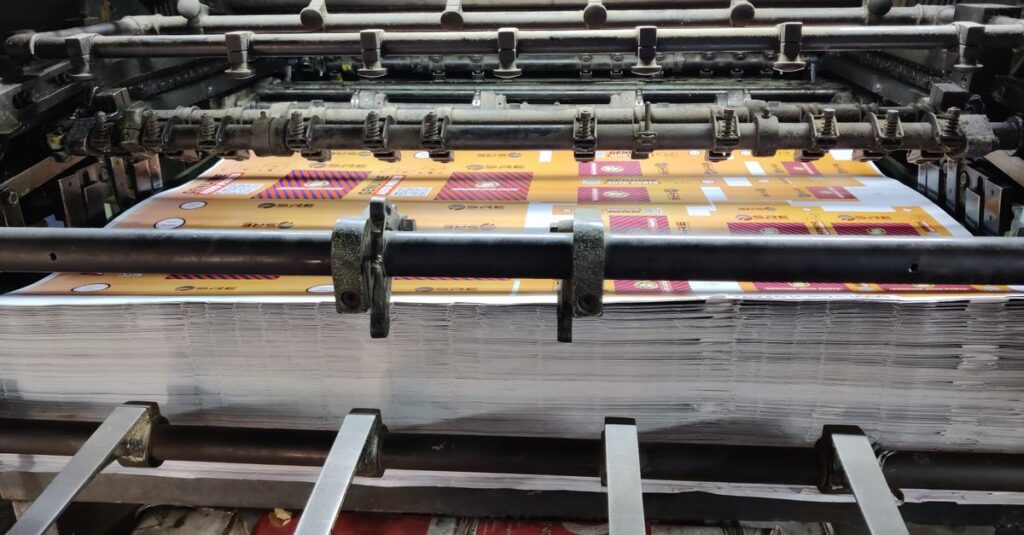
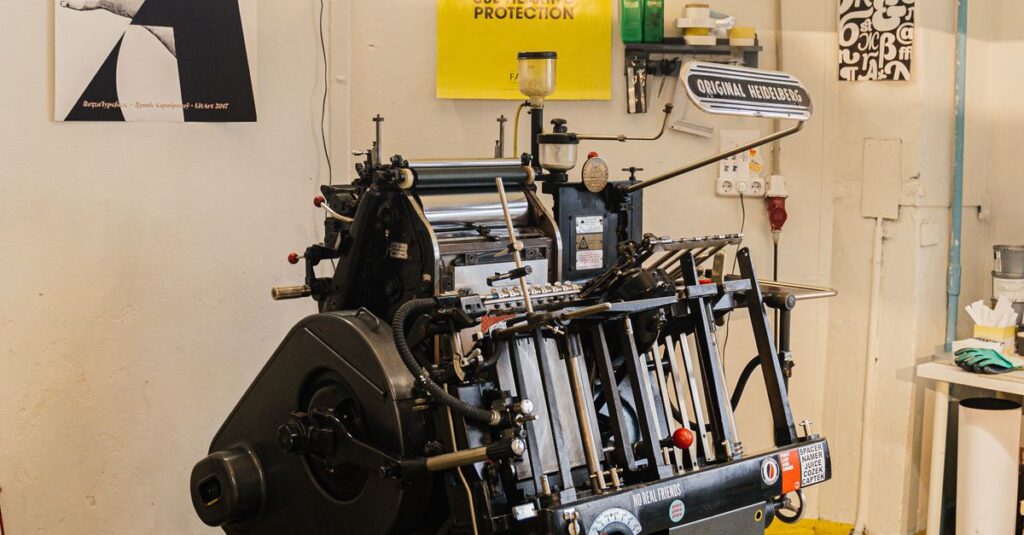
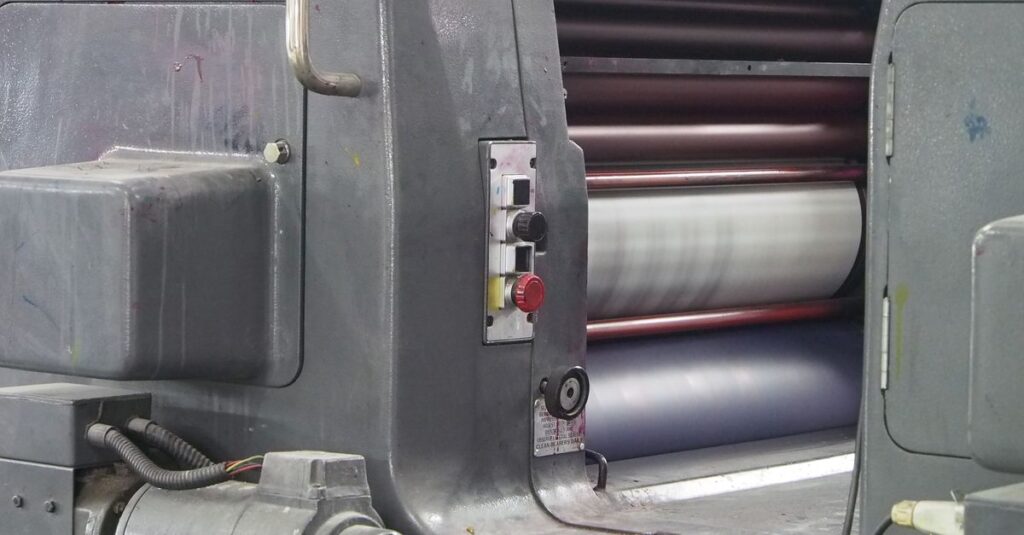
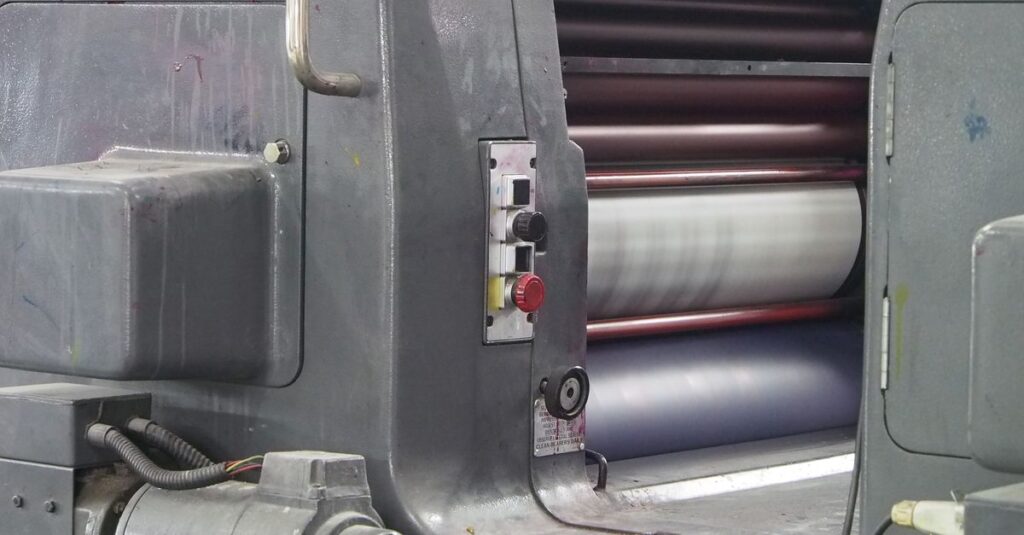
It’s not a ruling pattern you find at your local stationery shop. It’s a specific manufacturing spec, usually called something like 5mm dot grid. You need the right cylinders on the printing press to lay that pattern down perfectly. If the dots are off by even half a millimeter, the whole thing feels wrong. The user—the one who specifically wants a dotted notebook—will notice. I’ve seen it.
It’s a headache, honestly, to get it right. But that’s also why finding a manufacturer who already has the capability is the only thing that matters here.
The unexpected people who buy them by the truckload
Right. So who actually uses these things?
Your brain goes to bullet journalists and sketch artists. And you’re not wrong. That’s the entry point. But the real volume? It’s not from them.
Corporate offices. I’m talking about engineering firms, software companies, startups. Think about it. You need to sketch a quick flowchart. A wireframe for an app. A project timeline. Lined paper feels restrictive. Blank paper feels chaotic. A dot grid gives you just enough anchor to keep things aligned without boxing you in. Project managers love them. Design teams hoard them.
Educational institutions, especially tertiary. Architecture students. Product design classes. Mathematics departments where students need to draw precise diagrams or graphs without the mess of a full graph paper. They order them in bulk for entire cohorts.
Government and research institutions. This one surprised me at first. But lab notebooks? Field notes for surveys? Dotted pages are perfect for annotating diagrams, drawing schematics, and making notes that aren’t just linear text.
I was talking to a procurement manager for a tech park last month. He said they started with a trial order of 500 dotted notebooks for their innovation lab. Within a quarter, they’d re-ordered 5,000 for the entire campus. The demand, he said, just appeared. It was already there, waiting for the right tool.
Which is… a lot to sit with.
Dotted vs. The World: A quick comparison
| Feature | Dotted Notebook | Lined (Single Ruled) Notebook | Graph (Grid) Notebook |
|---|---|---|---|
| Primary Use | Flexible layouts, sketching, diagrams, bullet journaling | Linear note-taking, writing, lists | Technical drawing, precise charts, data tables |
| Visual Guide | Subtle dots for alignment only | Prominent horizontal lines for text | Bold grid lines creating “cells” |
| Freedom vs. Structure | High freedom with invisible structure | High structure, low freedom for drawing | Rigid structure, can feel “boxy” |
| Bulk Order Demand | Growing fast in corporate & higher education | Staple, universal demand (schools, offices) | Stable demand from engineering, science |
| Customization Complexity | Higher (needs precise dot printing cylinders) | Standard (ruling cylinders are common) | Standard (grid cylinders are common) |
| Paper Quality Need | Higher (dots show through on cheap paper) | Standard 54-70 GSM works fine | Standard to Higher |
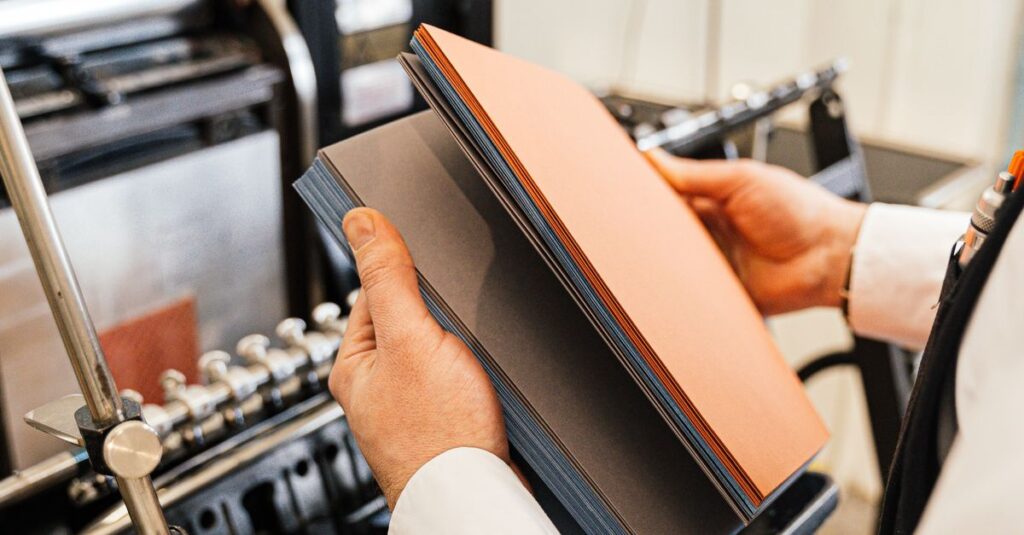
Look at that last row. This is the part NOBODY SAYS OUT LOUD. A dotted pattern, because it’s just little dots, needs a decent paper weight. If the paper is too thin or too rough, the dots look muddy. They bleed. The whole premium feel—which is why people pay a bit more for these—goes out the window. You can’t cut corners on the paper. Not with this.
How to get them made (without the headache)
So you’re convinced. Maybe you’ve had a request. Now you need to source them. Here’s what to look for, beyond just the price per unit.
Binding: Dotted notebooks get used hard. They’re flipped, folded, carried around. Spiral binding is great because they lie flat. Perfect binding (glued spine) looks more polished for corporate gifts. But the binding has to be tough. A flimsy spine on a dotted notebook is a tragedy.
Paper, again: I’ll harp on this. Don’t settle for less than 80 GSM for a premium dotted notebook. 70 GSM is the absolute bare minimum for bulk institutional orders where budget is tight. The dots need a smooth, opaque surface. Ask for a sample. Write on it with a gel pen. Hold it up to the light.
Dot color: It’s usually a light grey. Not black. Black is too harsh. It should be visible enough to guide you, but fade into the background when you’re looking at your own work. If the dots are competing with your writing, the manufacturer got it wrong.
Expert Insight
I was reading something last month and one line stuck with me. A product designer said the shift to dotted notebooks in her field wasn’t about aesthetics. It was about cognitive load. A blank page is intimidating—your brain works to create order. A lined page imposes an order that might be wrong for the task. The dots, she said, offer a “scaffolding you can ignore.” Your brain doesn’t fight it. I don’t have a cleaner way to put it than that. The demand isn’t for a pattern. It’s for a tool that gets out of the way.
Anyway. Where was I.
Customization is where it gets interesting. This is the real opportunity. A plain dotted notebook is a commodity. A dotted notebook with your company logo embossed on a thick, textured cover? That’s a branded utility. A training manual for new hires. A sketchbook for your design think-tank. Schools put their crest on them. The dots inside signal quality and thoughtful provision.
It sounds simple. But getting it right means finding a partner who understands that the dots aren’t an afterthought—they’re the main feature. That’s where specialized printing services really prove their worth.
A real-life snippet (because abstracts don’t help)
Meena, 34, is a procurement lead for a chain of architecture colleges in South India. She used to order only plain and graph notebooks. Then, three years ago, a faculty head brought her a personal dotted notebook from abroad and asked if they could get something similar for the first-year studio. She found a manufacturer (took a while). The first batch of 2,000 was hesitant. Now, it’s a standard part of the freshman kit across 12 campuses. 15,000 units a year. Minimum. She told me the feedback was simple: “The students finally have a place for messy ideas that still need a bit of order.” She never saw that comment on a feedback form for a lined notebook.
Not quite.
The bottom line for buyers
Look. You’re not just buying paper with dots. You’re enabling a different kind of work. For a student, a planner, an engineer, a manager. The ask is growing. The people ordering office supplies are getting younger. They know what a dotted notebook is. They expect it as an option.
From a pure procurement standpoint, adding a dotted notebook to your catalog or your corporate supply room does two things. First, it modernizes your offering. It says you pay attention to how work actually gets done now, not ten years ago. Second, it often commands a slightly better margin, because it’s perceived as a specialized, higher-quality product.
The question isn’t whether you need to stock them.
It’s whether you want to be the one who has them when the request hits the purchasing department. Or lose that order to someone who does.
Frequently Asked Questions
What is the main use of a dotted notebook?
Its superpower is flexibility. It’s not just for drawing. People use it for bullet journaling (organizing tasks and goals), sketching diagrams, taking notes that mix text and drawings, drafting layouts, and even practicing handwriting. The dots guide alignment without being as visually loud as full lines or a grid.
Are dotted notebooks more expensive to manufacture?
They can be, yes. The dot pattern requires specific printing cylinders, and as I said, they usually need better quality, slightly heavier paper to look good. So the raw material and setup cost is a bit higher than a standard lined notebook. But for bulk orders, the cost difference per unit becomes very small.
Can I get dotted notebooks customized with my logo?
Absolutely. In fact, that’s where they shine for corporate gifts or institutional use. You can customize the cover (print or emboss your logo), choose the paper weight, select the binding (spiral or perfect bound), and even decide on the dot spacing and color. It’s a great way to create a unique, functional branded product.
What paper weight (GSM) is best for a dotted notebook?
Don’t go below 70 GSM. Seriously. 80 GSM is the sweet spot—it prevents ink bleed-through and makes the dots look crisp. For a premium feel, 90-100 GSM is fantastic. Lighter paper makes the dots look cheap and the notebook feel flimsy, which defeats the purpose.
Who are the biggest bulk buyers of dotted notebooks?
It’s shifted. While artists and stationery enthusiasts started it, the bulk demand now comes from corporate offices (tech, design, engineering), universities (especially design, architecture, and business schools), and research institutions. They order them in hundreds or thousands for teams, students, or as part of a welcome kit.
Wrapping this up
I don’t think there’s one answer here. Probably there isn’t. If you’re reading this, you’re either curious or you’ve already had the request land on your desk. The dotted notebook isn’t a fad. It’s a tool that found its moment because the way we work and think has gotten more visual, more hybrid.
It’s okay to start small. A trial order. But start. The demand is real, and it’s not going away. You’re just figuring out how to meet it.
If you need to talk specs, paper, or just want to see a sample of what a well-made dotted notebook looks and feels like, that’s a good place to start the conversation.