You’re Looking For The Wrong Thing
Right. So you’ve typed ‘colour print out near me’ into your phone. You need 500 branded diaries for your corporate event. Or maybe it’s 5000 notebooks for the new school term, all with your logo in bright red and blue.
You’re picturing a local print shop, a nice person who can run a few pages. That’s the instinct. But here’s the thing — it’s not about a copy. It’s about a production line. And most people only realize the difference after they’ve wasted two weeks getting quotes from the wrong places.
Look, I’m not saying this to be harsh. I’ve had this exact conversation, I don’t know, maybe a hundred times. A procurement manager calls me, frustrated. They’ve been to three local print shops. The quotes are insane. The paper quality is an afterthought. And the binding? They don’t even ask about it. That’s when they end up here. Let me explain what’s actually happening.
Why ‘Print Shop’ Is The Wrong Search Term
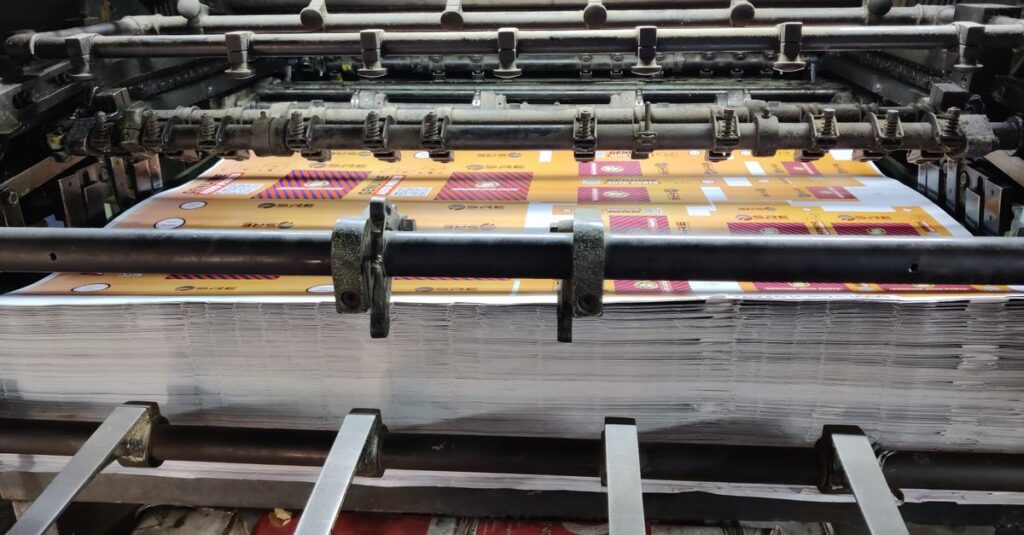
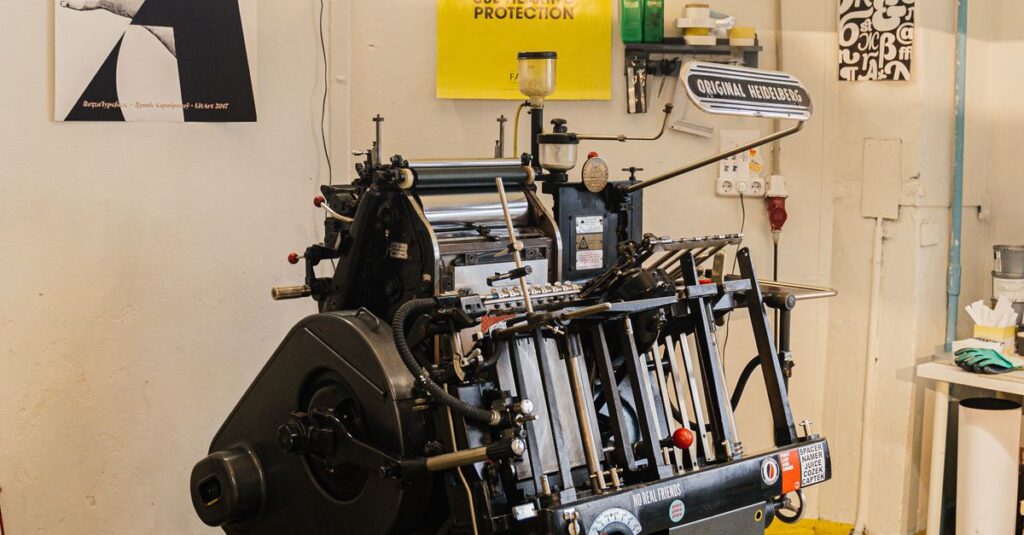
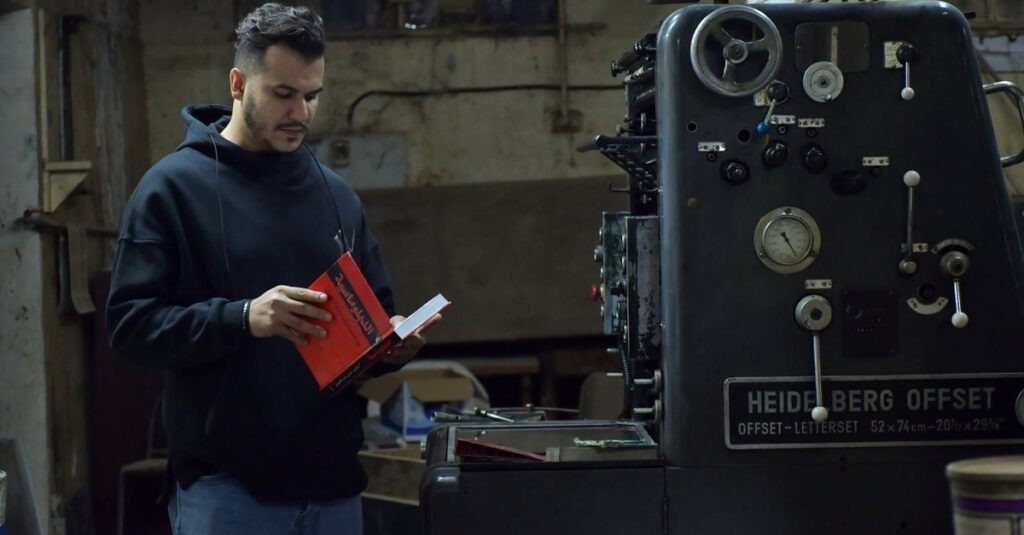
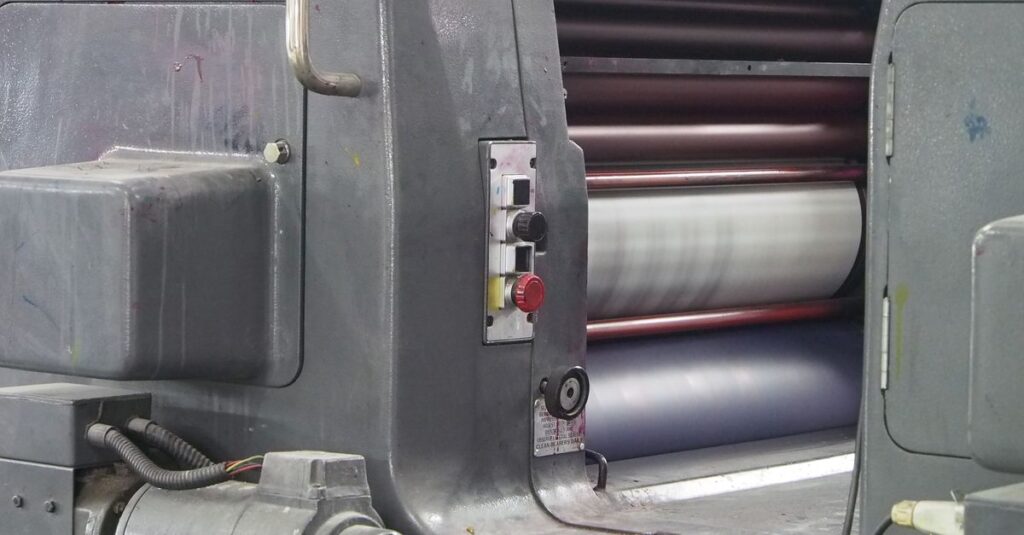
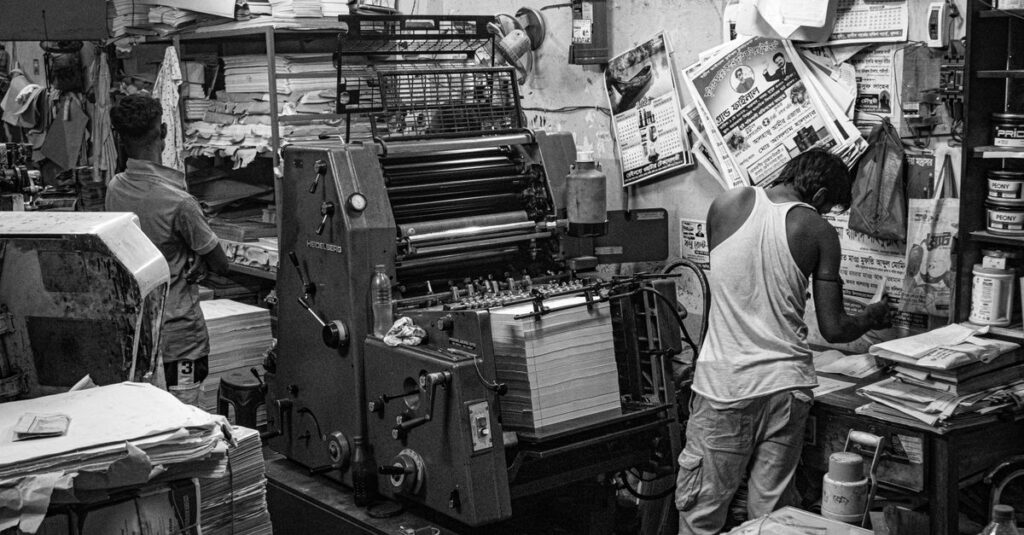
When you search ‘colour print out near me’, Google shows you places that print flyers. Wedding invitations. Maybe a few brochures. Their world is digital printing — small batches, variable data, quick turnarounds. Your world is offset printing — massive sheets of paper, colour plates, perfect binding machines that sound like factory equipment.
Three things happen when you go to a print shop for bulk notebooks:
- The price per unit is a shock. They’re calculating per sheet, per click. For a 200-page notebook? Astronomical.
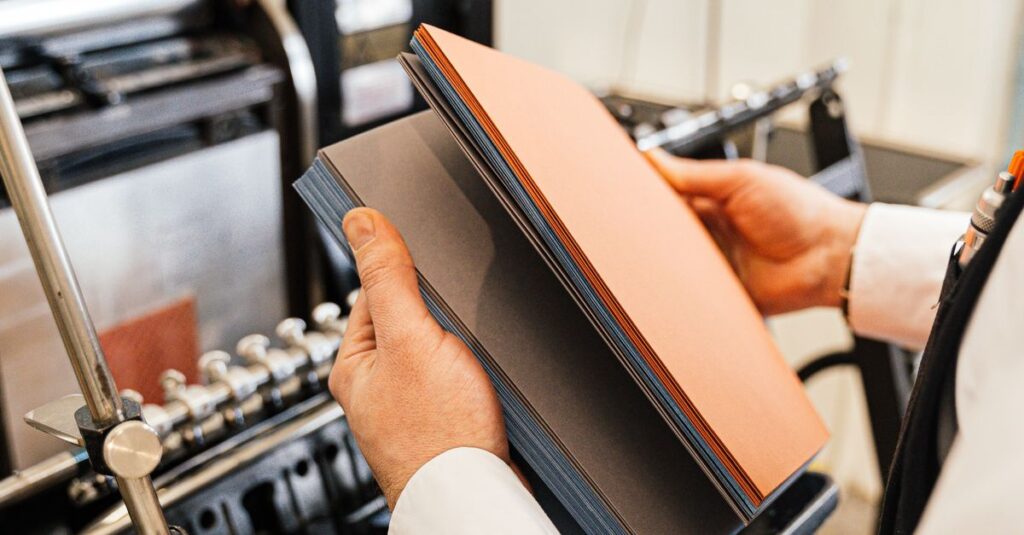
- The paper is wrong. It’s usually 80 or 100 GSM glossy stock — great for a brochure, terrible for writing on with a pen.
- Binding is an extra. And ‘extra’ means they outsource it, which adds another week and another layer of cost.
You’re not buying printing. You’re buying manufacturing. The question isn’t whether you need colour. It’s whether your supplier knows how to put that colour onto 54 GSM writing paper that won’t bleed, then stitch 240 pages together, then pack it all for shipping to 50 different schools. You know?
The Real Process: It’s Not Just Pressing ‘Print’
I want you to picture something. A school principal in Hyderabad. Let’s call him Ravi. He’s 52, been at St. Mary’s for twenty years. He needs 3000 drawing books for the art department, with the school crest in green and gold on the cover. He gets a quote from a local printer. It’s high, but he thinks that’s just how it is.
Then his distributor mentions us. The quote is half. He’s suspicious. What’s the catch? The catch is we own the machine that makes the paper into a book. We don’t rent time on it. That’s the whole game.
Here’s how it actually works when you find the right place:
- Design & Plates: Your logo or artwork gets turned into metal plates. One for cyan, one for magenta, one for yellow, one for black. This is a fixed cost, whether you print 100 books or 10,000.
- Paper Run: Massive rolls of 54 GSM paper — the good stuff, smooth but not slick — fly through an offset press. Each colour gets laid down in one pass. The alignment has to be perfect.
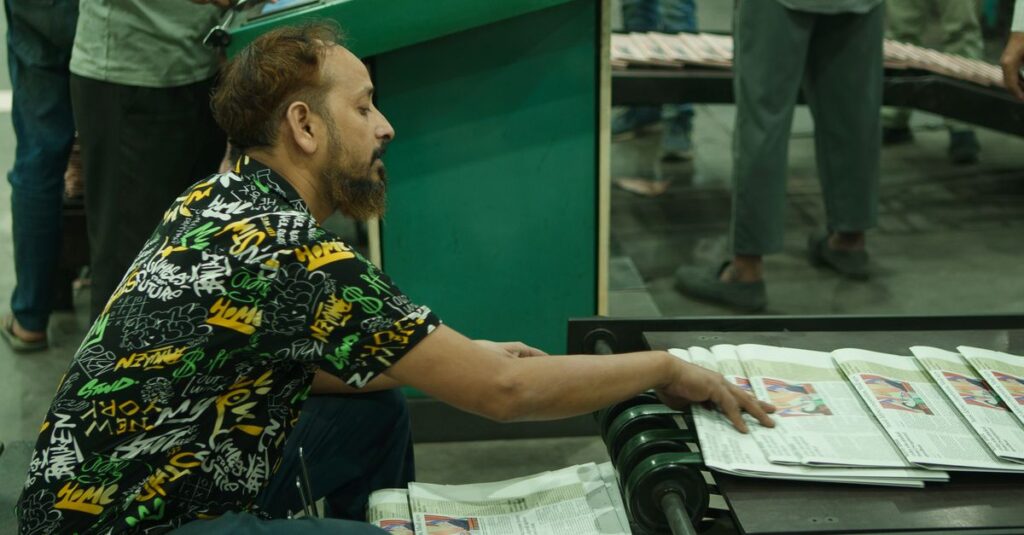
- Cutting & Collating: The big printed sheets are guillotined into notebook pages, then gathered into sets. 52 pages. 92. 200. This is where the rhythm of a factory matters.
- Binding & Finishing: This is the magic. Stitched binding for a school notebook that needs to survive a backpack. Perfect binding for a corporate diary that needs to lie flat on a desk. The cover — with your beautiful colour print — gets wrapped on.
It’s a ballet of machinery. A local print shop has the first act. Maybe. They almost never have the rest.
Expert Insight
I was talking to a buyer from a big Gulf distributor last month — over a truly terrible Zoom connection — and he said something that stuck. He said, “The moment I know I’m talking to a real manufacturer and not a reseller is when they start asking me about the ruling before they ask about the logo.” He’s right. The priority is backwards for most people. The colour print is what you see. The paper quality, the ruling, the binding — that’s what you use. Every single day. If that’s wrong, the prettiest logo in the world won’t save you. I don’t have a cleaner way to put it than that.
A Comparison You Won’t Find On Google
Alright, let’s make this concrete. Say you need 1000 A4 notebooks, 200 pages, full-colour logo on the cover. Here’s what you’re actually comparing when you search ‘colour print out near me’ versus looking for a manufacturer.
| Factor | Local Print / Copy Shop | Notebook Manufacturer |
|---|---|---|
| Primary Service | Digital printing, photocopies, small batches | Offset printing & full book manufacturing |
| Cost Structure | Per page / per click model; binding is extra | Per unit cost includes paper, print, binding, finish |
| Paper Options | Limited, often heavier (80-100 GSM) gloss stock | Specialized writing papers (54-70 GSM), various rulings |
| Binding Knowledge | Basic, often outsourced | Core expertise (stitched, spiral, perfect) |
| Scale Efficiency | Gets more expensive as quantity goes up | Gets significantly cheaper per unit with volume |
| Lead Time for 1000 units | 2-3 weeks (due to outsourcing) | 7-10 days (integrated process) |
| Realistic Max Order | Maybe a few hundred books | Tens of thousands per day is standard |
The difference isn’t subtle. It’s the difference between buying a sandwich and owning the deli.
So, What Should You Actually Search For?
Forget ‘colour print out near me’. It’s leading you down a garden path to a shed, when you need a warehouse. The phrases that will actually get you to a solution sound different. More specific. Less about the single action and more about the final product.
Try these instead:
- Bulk notebook manufacturer
- Custom diary printing supplier
- Private label notebook company
- School notebook bulk order
See the shift? You’re searching for the creator of the thing, not the service of putting ink on paper. This one change in your search terms filters out 90% of the wrong-fit suppliers immediately. It saves you time, which — if you’re a procurement manager with fifty other things on your list — is the only thing that matters here.
And honestly? Most people know this already on some level. They feel the friction when they’re talking to a print shop about 5000 units. The person on the other end gets quiet. The quote takes three days. The specifications are vague. That’s your signal. You’ve hit the ceiling of their capability. What you need is a different floor plan entirely.
The Unspoken Question About Location
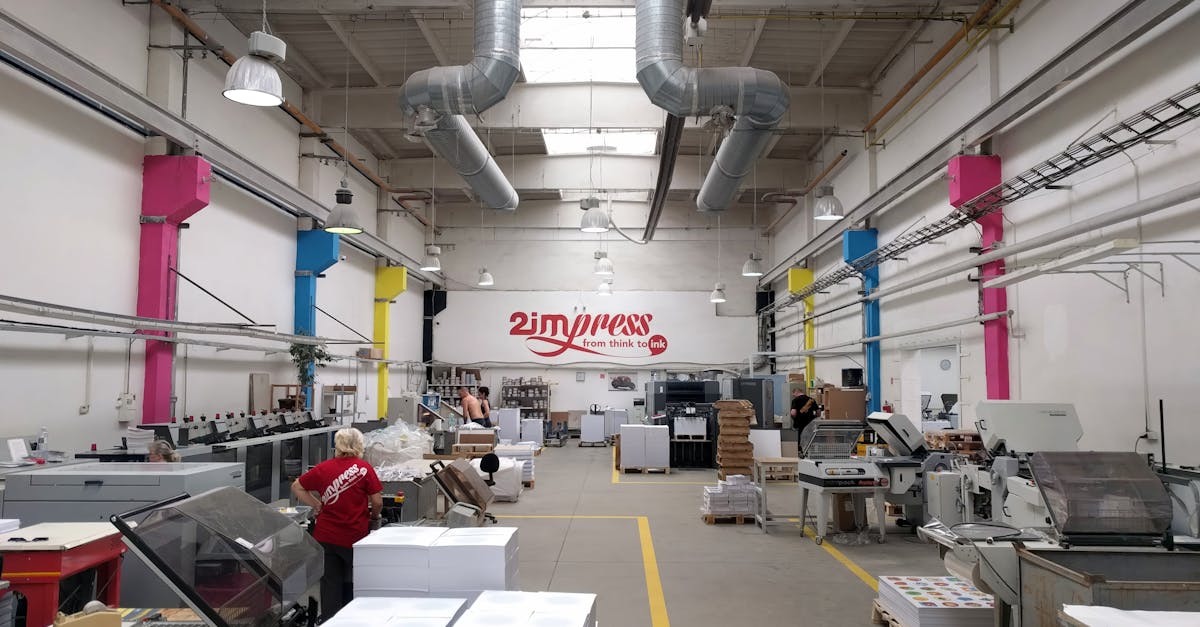
‘Near me’ implies proximity. And look, I get it. You want to be able to drive over, check on things, feel the paper. The instinct for local control is strong. But here’s the contradiction — the best supplier for your bulk colour notebooks might be 500 miles away. In our case, in Rajahmundry.
Does that matter? For the actual manufacturing, no. Not in 2025. Proofs are digital. Shipping is a solved problem. Quality checks happen with photos and video calls. The relationship happens over the phone and email, same as it would if they were in your city.
What proximity does give you is a higher cost. Land, labour, overheads in a metro? They all get baked into your per-unit price. A factory in an industrial cluster? That’s built for scale. For output. That’s where your 40,000 notebooks per day capacity lives. Not in a retail unit next to a coffee shop.
So the real question becomes: do you need them to be near your office, or near their machines? Because you can only pick one.
How to Vet a Supplier When You Find Them
Okay, let’s say you take this advice. You search for ‘custom notebook manufacturer’. A few websites come up. How do you tell who’s real and who’s just a fancy website reselling someone else’s work? This is where my experience comes in. Nine times out of ten, you can spot it in the first conversation.
Ask these questions:
- “Can I see your factory floor?” Not a stock photo. A live video walkthrough. A real manufacturer will do this at 10 AM on a Tuesday without blinking.
- “What’s your daily output capacity on spiral-bound notebooks?” A specific number. If they hesitate or give a vague ‘we can handle your order’, be wary.
- “What paper mill do you source your 54 GSM from?” They should have an answer. It might be Ballarpur or JK or TNPL. But they should know.
- “What’s the lead time for 5000 A4 200-page books, from approved artwork to packed pallets?” The answer should include details about plate making, paper sourcing, drying time.
Their answers tell you everything. The silence has weight. The confidence comes from having done this ten thousand times before. I think — and I could be wrong — that most buyers are scared to ask these questions. They feel too technical. But they’re the only things that separate a real partner from a expensive middleman.
Frequently Asked Questions
I only need 100 custom diaries. Should I still look for a manufacturer?
Probably not. That’s a small batch job, and the setup costs for a manufacturer (like making printing plates) would make it expensive. For 100 pieces, a good local digital print shop that offers binding might be your best bet. The tipping point is usually around 250-500 units, where manufacturer pricing starts to beat retail printing.
What’s the minimum order quantity for colour printed notebooks?
It varies, but for a proper manufacturer using offset printing, the MOQ is often 500 pieces per design. This is because creating the colour plates has a fixed cost that needs to be spread across enough units to make sense. For larger manufacturers focused on bulk school and corporate orders, the practical MOQ might be 1000+.
How long does it take to get colour printed notebooks?
For a bulk order, expect 10-15 business days from final artwork approval. This includes 2-3 days for plate making, 5-7 days for printing and binding, and a few days for quality check and packing. Rush jobs are possible but cost more. A local print shop might promise faster, but for 1000+ books, their timeline often slips because they’re outsourcing the binding.
Can you match a specific brand colour for my logo?
Yes, but there’s a process. You provide a Pantone colour code (like PMS 185 C for Coca-Cola red). The factory mixes the ink to that exact formula. This is standard for professional printing. If you just send a JPEG, the colour might shift slightly. Always ask for a physical colour proof on the actual paper stock before full production runs.
Is it cheaper to print colour on just the cover or on all pages?
Printing colour on all pages is significantly more expensive. It uses more ink, requires more precision, and slows the press down. For most corporate diaries or school notebooks, full-colour printing on the cover and a single colour (like black or blue) for the internal ruling is the standard, cost-effective approach. Full-colour internals are usually for premium art books or marketing materials.
The Bottom Line
Searching for ‘colour print out near me’ when you need bulk notebooks is like searching for ‘oven for hire’ when you need to open a bakery. The tool isn’t the business. The click isn’t the product.
You’re not buying a print. You’re commissioning a manufactured good. That means paper sourcing, grain direction, stitching thread count, packing for pallets. The logo is the last 10%. The other 90% is engineering.
I don’t think there’s one answer for every order. A small batch for a local event? Sure, use the local guy. But for the institutional order, for the corporate giveaway, for the school term — you need the factory. Not the shop.
The hard part is admitting the local solution isn’t the right one. Once you do that, the rest is just logistics. And honestly, we’re pretty good at those. If you’re ready to talk about what you actually need, not just what you first searched for, that’s where we start.