You Need Notebooks. Right Now.
It hits on a Tuesday morning. Or maybe a Friday afternoon. The new school year is two months out, and you need to place the order. The last quarter’s corporate diaries have to be shipped. You have a budget, a deadline, and a list of specs that feels longer than your arm. So you do what everyone does: you type ‘book stationery shop near me’ into your phone, hoping for a list of local heroes.
And you get a list of stationery shops. The kind with pens and a single wall of notebooks. Or maybe a fancy arts store. But you’re not buying a single journal. You’re sourcing 5,000 custom notebooks, or 10,000 student books. That’s the disconnect. The term ‘shop’ implies retail, a place to walk into. But your need is wholesale. It’s manufacturing. It’s logistics. If this is the exact problem you’re facing right now, and you’re looking for a direct manufacturer instead of a middleman, what we do might make more sense.
The ‘Near Me’ Search Is Asking the Wrong Question
Here’s the thing — that search is perfectly logical. You want someone local. Reliable. Someone you can visit, maybe. But the industry has quietly split. Most local ‘shops’ are resellers. They buy from a big manufacturer somewhere else (often from a cluster of factories in places like Rajahmundry, where we are), mark it up, and stock it. They can’t customize deeply. Their bulk pricing isn’t really bulk pricing.
So when you search ‘near me,’ you’re often just finding the last link in a very long chain. The real question isn’t ‘Who’s nearby?’ It’s ‘Who makes this, and can they ship it to me reliably?’ Proximity matters for speed, sure. But for quality, customization, and actual cost? The factory floor matters more than the storefront.
What Bulk Buyers Are Actually Looking For
Let me talk to procurement managers for a second. I’ve done this for forty years. You’re not just ticking a box. You’re evaluated on: Cost per unit. Quality consistency. On-time delivery. And the headache factor. If the cover glue fails on 10% of the batch, that’s your problem. If the ruling is faint, the teachers complain. To you.
So the checklist isn’t about a shop’s Yelp reviews. It’s:
- Can they make exactly what I specify? (Paper GSM, ruling type, binding, cover stock)
- What’s their actual production capacity? (30,000 notebooks a day is very different from 3,000)
- Do they handle the whole process? (Printing, binding, packaging — or do they outsource parts of it?)
- What’s the real lead time? (Including production, not just shipping from a warehouse)
The shop is just the point of sale. You need to find the point of creation.
Meet Ravi. He’s In The Same Boat.
Ravi, 38, procurement manager for a chain of private schools in Hyderabad. His office is in Banjara Hills, but his supplier problem is nationwide. Last year, he went with a ‘local supplier’ who promised the world. The notebooks arrived a week late. The paper quality was inconsistent — some sections felt rough, others weirdly glossy. The principal noticed. Ravi spent two months fielding emails, offering replacements, managing the fallout. He told me over the phone, ‘The local guy was friendly. He had a nice shop. But he was just a guy with a warehouse. He didn’t know what went into the books. When I asked why the paper felt different, he blamed the mill. That’s not an answer.’
He’s looking again now. His search history probably looks a lot like yours.
From ‘Shop’ to ‘Source’: How to Reframe Your Search
So, what do you do? You shift your keywords. You start thinking like a supply chain manager, not a retail customer.
Instead of just ‘book stationery shop near me,’ layer in searches that hit the manufacturing layer:
- ‘notebook manufacturers in [your state]’
- ‘bulk diary supplier for corporations’
- ‘custom printed notebooks wholesale’
- ‘school notebook manufacturing’
These terms pull up different results. You’ll start seeing factory websites, not e-commerce stores. You’ll see ‘established 1985’ instead of ‘free delivery over ₹500.’ The conversation changes. You can ask about cylinder board machines, stitching thread count, and whether they do UV coating on covers. A shop can’t answer that.
I think — and I could be wrong — that most of the friction happens right here. The buyer knows they need a professional solution, but they start with a consumer search habit. It’s a mismatch. And it costs time.
Expert Insight
I was reading an industry report last month, and one line stuck with me. It said that for bulk stationery, the average buyer contacts 2.3 retail shops before finding a real manufacturer. The wasted time in that process is enormous — days of calls, emails, sample requests. The researcher called it the ‘retail illusion.’ We assume what we need is sold in a store. But complex, custom, bulk goods aren’t. They’re made in a factory and shipped directly. Once you see that distinction, the whole search gets easier. I don’t have a cleaner way to put it than that.
The Local vs. National Supplier Trade-Off
Let’s be direct. There is a trade-off. A truly local shop might get you a sample faster. You can drive over. But their range and capability are limited. A national manufacturer might be a state away, but they have the machinery and the paper sourcing to do the job right, at scale.
For most institutional buyers — schools, corporations, government bodies — the scale and quality demands tilt the balance. You’re not buying 100 items. You’re buying 100,000. The ‘near me’ becomes less about geography and more about supply chain reliability. Can they get it to your doorstep, on time, in perfect condition? That’s the new ‘near.’
| Consideration | Local Stationery Shop (Reseller) | Direct Notebook Manufacturer |
|---|---|---|
| Pricing for 10,000 units | Marked up; limited room for negotiation. | Factory price; based on raw material + production cost. |
| Customization | Often limited to logo stamping on existing stock. | Full control: paper, ruling, binding, cover design, packaging. |
| Lead Time | Dependent on their supplier’s stock. | Based on production schedule. Transparent. |
| Quality Control | They inspect received goods; don’t control production. | Quality is built in at every stage: paper testing, binding checks. |
| Problem Resolution | They mediate with their supplier. Adds a layer. | You speak directly to the production manager. Faster. |
| Best For | Small, urgent top-up orders, standard items. | Large annual contracts, branded items, custom specifications. |
After looking at that, the question isn’t which is better. It’s which one matches your actual order.
What To Do When You Find a Potential Source
Okay, you’ve reframed the search. You’ve found a few manufacturers’ websites. Now what? Don’t just ask for a price list. That’s step five.
Start with capability. Ask these questions first:
- ‘Can I see examples of custom work you’ve done for a similar-sized order?’ (Not just stock photos)
- ‘What is your binding process for a 200-page account book?’ (The answer should be specific — stitched, Smyth sewn, etc.)
- ‘Where do you source your paper from, and what GSM do you recommend for daily student use?’
- ‘Walk me through your timeline from approved design to shipment.’
Their answers tell you everything. A real manufacturer loves these questions. A reseller gets nervous. This is how you cut through the noise. And honestly? Most buyers skip this. They go straight to price. But price without understanding capability is just a number that will change when the problems start.
In my experience, the buyers who have the smoothest orders are the ones who treat the first contact like a technical interview, not a sales inquiry. It sets the tone. It filters out the players who can’t deliver. If you’re evaluating options and want to see how a manufacturer that’s been doing this since 1985 handles these questions, our process is pretty transparent.
The Reality of ‘Near Me’ in a Global Supply Chain
Look, I’ll just say it. We’re in Rajahmundry. We ship to the Gulf, Africa, the US. Most of our corporate clients have never visited our factory. They found us online, not from a ‘near me’ search. The relationship is built on samples, video calls, and track records.
The ‘local’ advantage isn’t dead. But its definition has changed. It’s not about driving distance. It’s about communication proximity. Does your supplier answer the phone? Do they send production updates without you chasing? Can you get the production manager on a call if there’s a color mismatch? That’s the new local. That’s what builds trust when you’re managing a budget for 5,000 employees’ diaries.
Anyway. The point is, your initial search isn’t wrong. It’s just the first step in a longer, more important journey to find the right source, not just the closest shop.
Frequently Asked Questions
What is the difference between a stationery shop and a notebook manufacturer?
A stationery shop is a retailer that sells finished products. A notebook manufacturer is the factory that actually makes the notebooks from raw paper. If you need bulk, custom, or branded items, you want the manufacturer. The shop is a middleman.
Can I get custom-branded notebooks from a local shop?
Sometimes, but with big limitations. Most shops only offer simple logo stamping on notebooks they already stock. For full customization — like your own cover design, specific page rulings, or special paper — you need to go directly to a manufacturer with in-house printing and binding capabilities.
How do I verify if a ‘supplier’ is a real manufacturer?
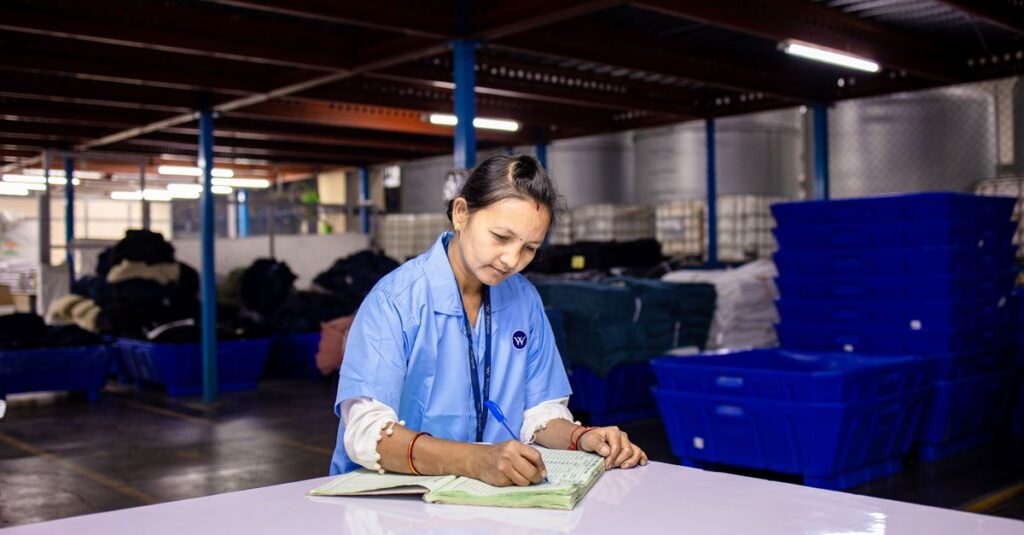
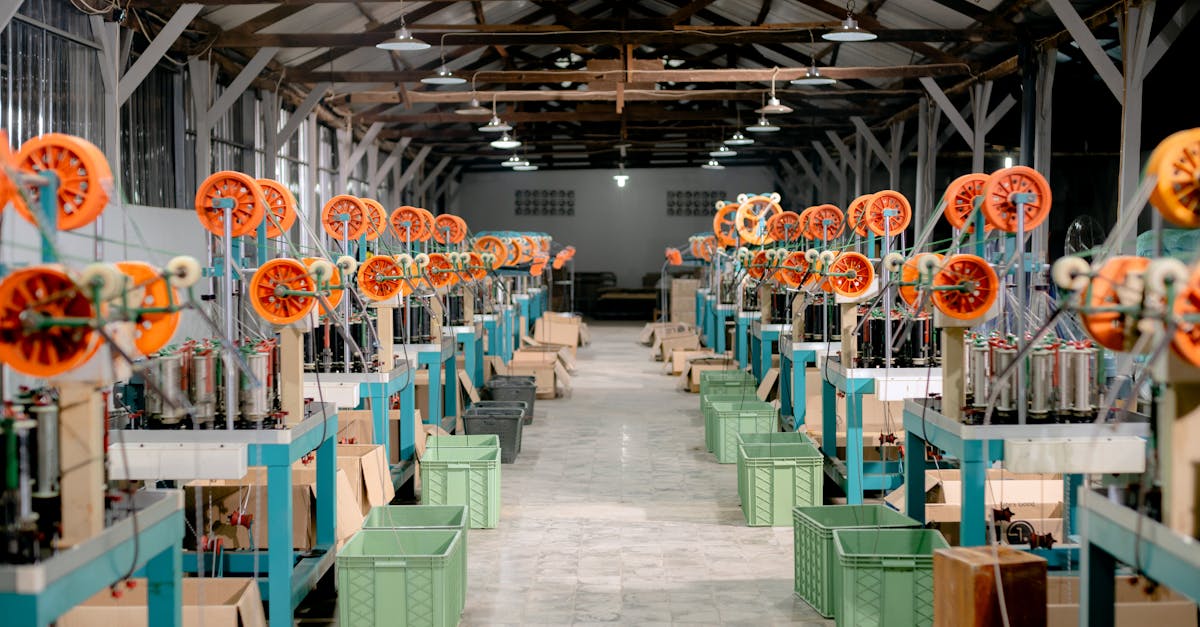
Ask for a factory address, not a warehouse. Ask about their in-house machinery (printing presses, binding lines). Request a video call or photos from the production floor. A real manufacturer will have this. A trader will hesitate or give you stock images.
Is importing notebooks cheaper than buying from a local book stationery shop?
For very large orders (like 50,000+ units), direct manufacturing from a country like India can be significantly cheaper, even with shipping. For smaller orders, shipping and import duties might erase the savings. It’s a math problem based on your quantity.
What should I ask for when requesting a sample notebook?
Don’t just ask for ‘a sample.’ Ask for a sample made to your exact specs: paper GSM, ruling type, binding, and cover finish. This tests their ability to follow instructions and shows the real quality you’ll get. A generic sample is useless.
Look, It’s About The Right Fit
Searching for a ‘book stationery shop near me’ gets you started. It’s a natural first move. But the goal isn’t to find a shop. It’s to find a partner who can turn your specification sheet into a pallet of perfect notebooks, delivered on time. That partner might be in the next city, or it might be in a manufacturing hub a thousand miles away. The ‘near’ is about responsiveness and reliability, not just mileage.
I don’t think there’s one perfect answer for every buyer. Probably there isn’t. But if you’ve read this far, you’re already thinking beyond the retail search. You’re thinking like a procurement pro. And that’s the only shift that really matters. The rest is just finding the right factory to have the conversation with. When you’re ready to have that conversation with a team that’s been doing this since 1985, we’re always here to talk specs, not just sales.