The First Search You Make (& Why It's Usually Wrong)
Right. So you need branded notebooks. Or maybe custom-printed diaries for the whole sales team. Or special colour covers for the school's annual prize-giving. Your first instinct? Google 'colour printout near me'. That's what I would do. And honestly, nine times out of ten, you're going to end up frustrated, overpaying, and stuck with a product that feels… cheap.
The problem isn't you. It's the search. You're looking for a service when you need a manufacturer. There's a world of difference between getting a few colour pages printed at a shop and getting 5,000 custom notebooks made properly. I was talking to a procurement manager from a university last week — over coffee, actually — and she described ordering from a local printer. The covers bled. The binding fell apart in a month. The 'corporate gift' looked like a last-minute afterthought. It happens more than you think.
If you're searching for a colour printout near me for something like bulk notebooks, you're probably looking in the wrong place. Here's why.
Print Shop vs. Notebook Factory: It's Not Just About Ink
Okay. Let's break this down.
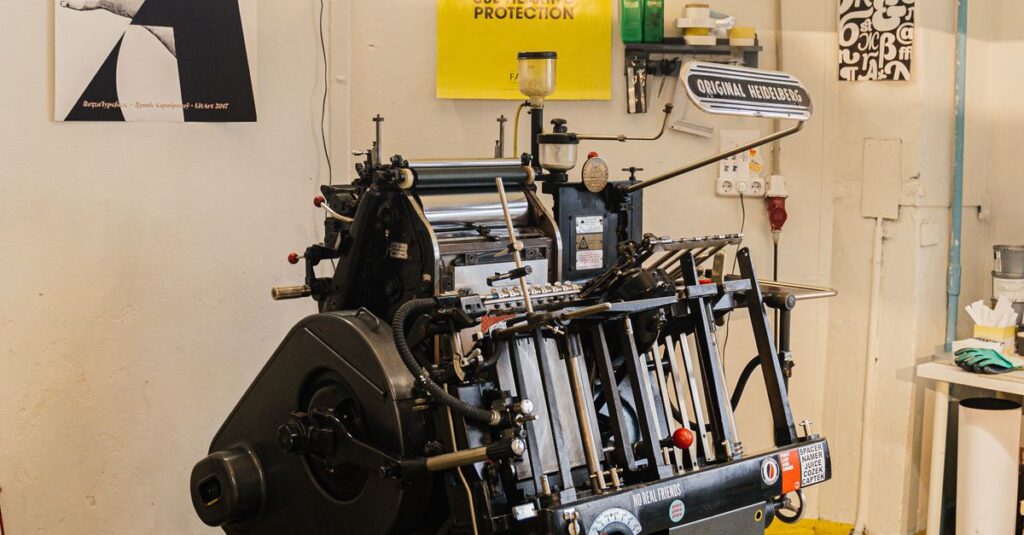
A local print shop is built for speed and small runs. A brochure. A flyer. A poster. Their machines are designed for single sheets, often digital printers that are fantastic for on-demand colour but terrible for the wear and tear a notebook endures. They'll glue or staple your pages, slap on a printed cover, and call it a day. The paper? Whatever they have in stock — usually thin, meant for reading, not for daily writing.
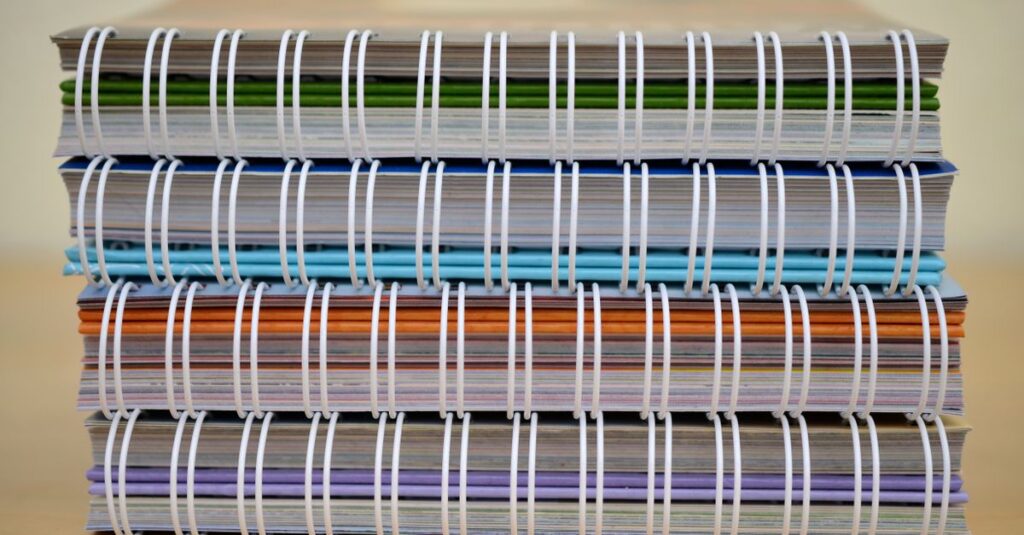
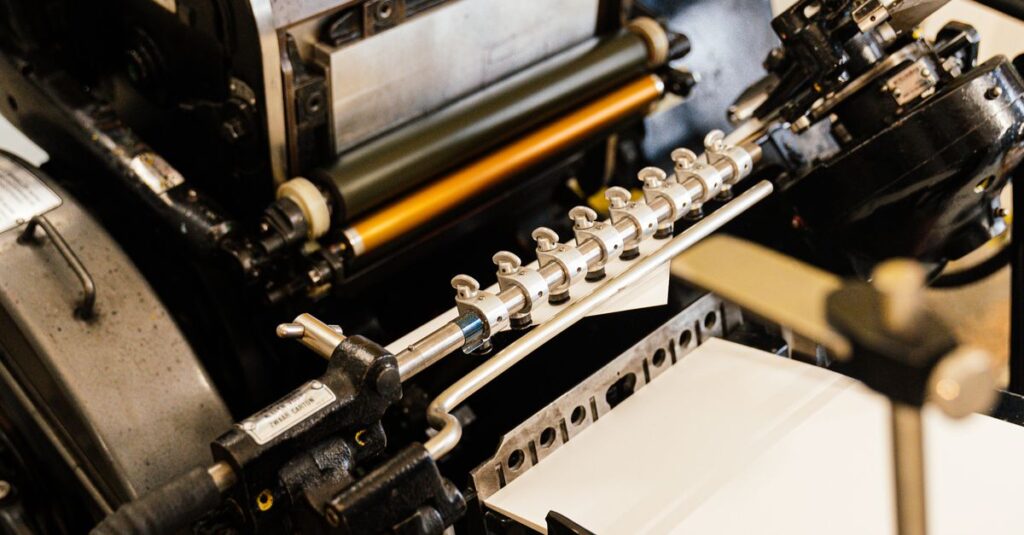
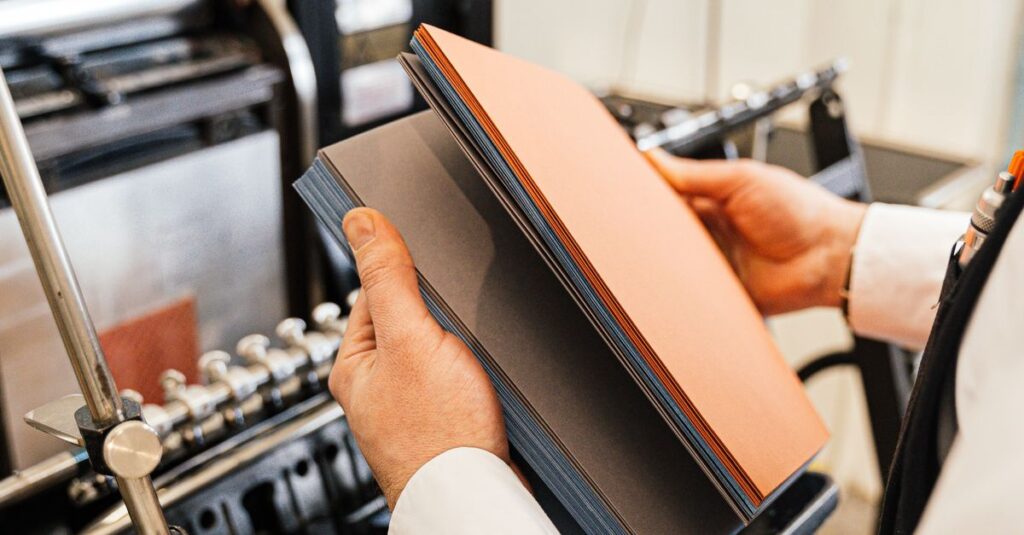
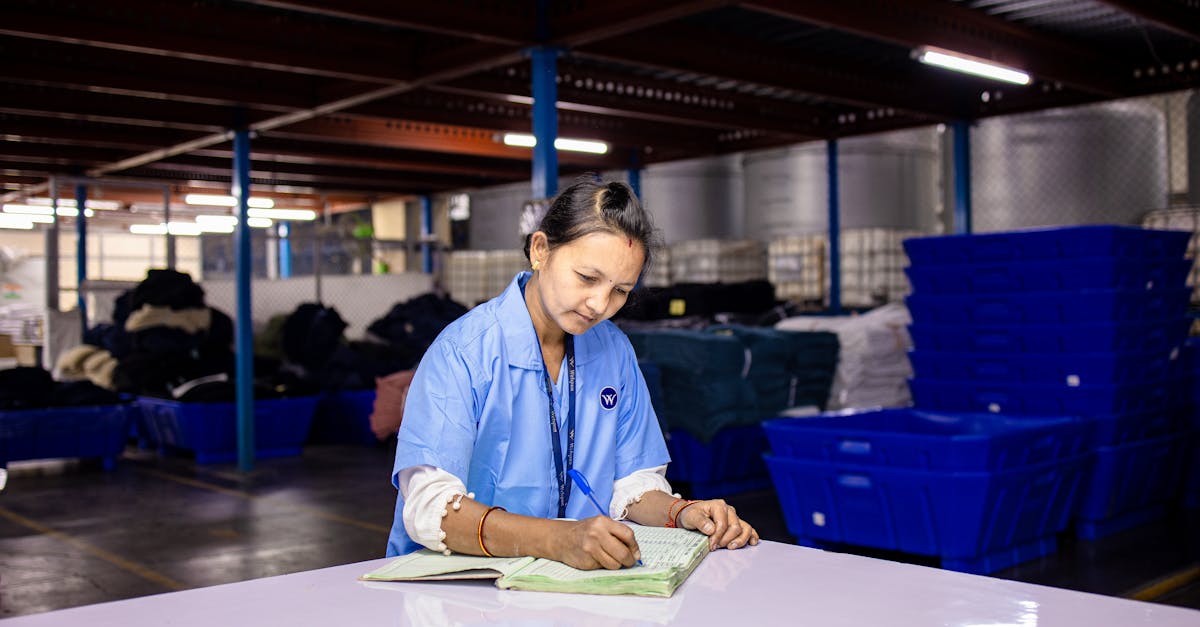
A notebook factory, like ours, is a different animal entirely. We start with the paper roll — 54 GSM writing paper, smooth, meant to take ink without feathering. We print the inside pages (the ruling, the margins, the headers) and the covers on large offset presses. This isn't a colour printout; it's a production line. Then we stitch, or spiral-bind, or perfect-bind. We're talking about machinery that only makes notebooks. The difference in durability isn't slight; it's the difference between something that lasts a quarter and something that lasts the whole year.
Think about it this way: you wouldn't go to a tailor who only makes T-shirts to get a three-piece suit. Same principle.
Expert Insight
I was reading an industry report last month — one of those dry, technical ones — and one line stuck with me. It said something like: the perceived value of a corporate gift is directly tied to its perceived permanence. A flimsy notebook feels disposable. A well-made one feels like a tool. I don't have a cleaner way to put it than that. When you give a client or an employee something that feels substantial, it changes the message. It's not a freebie. It's an asset.
The Real-Life Cost of the 'Near Me' Shortcut
Let me give you a picture. Not a metaphor. A real picture.
Meet Anil. He's 42, a procurement manager for a mid-sized tech firm in Hyderabad. They needed 2,000 branded notebooks for a conference. He Googled 'colour printout near me', found a reputable local printer, got a decent quote. The samples looked fine. They delivered. Fast forward three months. The support team is complaining. The covers are peeling at the corners. The spiral binding is snagging on bags. The paper inside is so thin you can see through to the next page. Anil's now dealing with internal complaints, a wasted budget, and the quiet embarrassment of a gift that backfired. He told me this on a call, his tone equal parts frustrated and resigned. "We saved a few rupees per unit," he said. "And lost a lot more in perception."
That's the cost. It's not just the product failing. It's what the product says about your brand. A school handing out notebooks that fall apart tells parents you cut corners. A company giving flimsy diaries tells employees you don't value their work. It's subtle. It's also incredibly real.
The thing about — okay, let me rephrase that. The real issue isn't finding colour printing. It's finding colour printing on the right material, with the right binding, at a scale that makes sense. A local printer can't compete on that. They shouldn't. It's not their business.
What You Should Be Searching For Instead
So if 'colour printout near me' leads you astray, what should you type into that search bar?
Start with intent. You need bulk custom notebooks. Or corporate diary manufacturer. Or private label notebook supplier. These phrases connect you to factories, not retail shops. They signal you're looking for production, not just printing.
Then, your checklist changes. You're not asking about print resolution alone. You're asking about:
- Paper GSM & Quality: Is it writing paper or printing paper? 54 GSM for writing is standard; anything less feels cheap.
- Binding Method: Stitched, spiral, or perfect bound? For heavy-use notebooks, stitching is king. For lay-flat functionality, spiral wins.
- Cover Material: Art card? Laminated? What weight? A floppy cover is a dead giveaway.
- Production Capacity: Can they handle 10,000 units in three weeks? A print shop will panic; a factory will schedule it.
- Customization Depth: Can you change the ruling inside? Add your logo to every page? A factory's entire process is built for this.
Your conversation shifts from "Can you print this?" to "How do we build this?" That's the shift. That's where you start getting value, not just colour.
If you're exploring this path, looking at what a dedicated manufacturer offers can be a good reality check for what's possible.
Print Shop vs. Notebook Factory: A Side-by-Side Look
| Feature | Local Print Shop | Notebook Manufacturer |
|---|---|---|
| Core Business | Short-run printing (flyers, brochures) | Notebook & stationery production |
| Best For | Prototypes, tiny batches (<100) | Bulk orders (500+ units) |
| Paper Quality | Standard printing stock (often lighter) | Dedicated writing paper (54 GSM+) |
| Binding | Simple glue or staples | Industrial stitching, spiral, perfect binding |
| Customization | Print on provided stock | Full control: paper, ruling, cover, binding |
| Cost per Unit (Bulk) | Higher (not optimized for scale) | Significantly lower |
| Durability | Low to moderate | Built for daily, long-term use |
| Lead Time (for 5000 pcs) | Longer, outsourced | Faster, in-house production line |
Look at that table. It makes the choice pretty obvious for anything beyond a tiny, test batch.
When 'Near Me' Actually Makes Sense (And When It Doesn't)
I'm not saying never use a local printer. There are times 'colour printout near me' is the perfect search.
Use a local print shop when: You need 50 custom notebooks for a board meeting next week. You need a single, fancy presentation folder. You're printing a one-off design proof to feel the paper. It's about speed and convenience for a small, immediate need.
Use a notebook manufacturer when: You're ordering for an entire school grade. You're sourcing corporate gifts for the year. You're a distributor stocking inventory. You need consistency across 10,000 units. You care about how the product holds up over six months of use. It's about value, durability, and brand perception at scale.
The line is quantity and purpose. Under 100, urgent? Print shop. Over 500, for sustained use? Factory. Every time.
And honestly? Most people I've spoken to who've made the switch say the same thing: they wish they'd done it sooner. The upfront conversation is longer. You're discussing paper mills and stitch counts instead of Pantone colours. But the result — the actual box of notebooks that arrives — it's a different product altogether. It feels professional. Which, if you're putting your logo on it, is the only thing that matters here.
So You've Decided on a Factory. What Now?
Here's the thing — the hunt isn't over. You've just changed the playing field. Now you're looking for a manufacturing partner, not a service provider.
Ask for physical samples. Not just a cover mockup. A full notebook. Write in it. Throw it in your bag for a week. Try to rip a page out. Does the binding hold? Does the paper take fountain pen ink without bleeding? This is the test no print shop can pass because they aren't making the whole product.
Ask about their standard specs. What's the default paper? What's the default binding? Their defaults tell you what they're good at. Our default is 54 GSM writing paper and stitched binding. Because that's what lasts.
Be clear about your timeline. Factories work on schedules, not "as soon as possible." A good one will tell you straight: "For 5,000 units, we need 21 days." That predictability is worth more than a vague promise of "next week."
I think the stat was — I can't remember exactly — something like 70% of businesses re-order from the same notebook manufacturer if the first batch goes well. Don't quote me on that. But it was high. Because once you find a process that works, you stick with it. It becomes part of your own supply chain.
Frequently Asked Questions
I only need 100 custom notebooks. Should I still look for a manufacturer?
Probably not. The economies of scale for a factory kick in around 500 units. For 100 pieces, a good local print shop with digital printing capabilities is your best bet. You'll pay more per notebook, but the setup costs at a factory for such a small run often don't make financial sense. It's the classic trade-off: small quantity = print shop; large quantity = manufacturer.
What's the biggest quality difference between a print shop notebook and a factory-made one?
The binding and the paper. Print shops often use lighter paper (good for reading, bad for writing) and simple glue binding. A factory uses heavier, smoother writing paper and industrial stitching or spiral binding. The factory notebook won't fall apart in your bag. The pages won't ghost with ink. It's built to be used, not just to look good on day one.
Can a notebook manufacturer do complex colour designs on the cover?
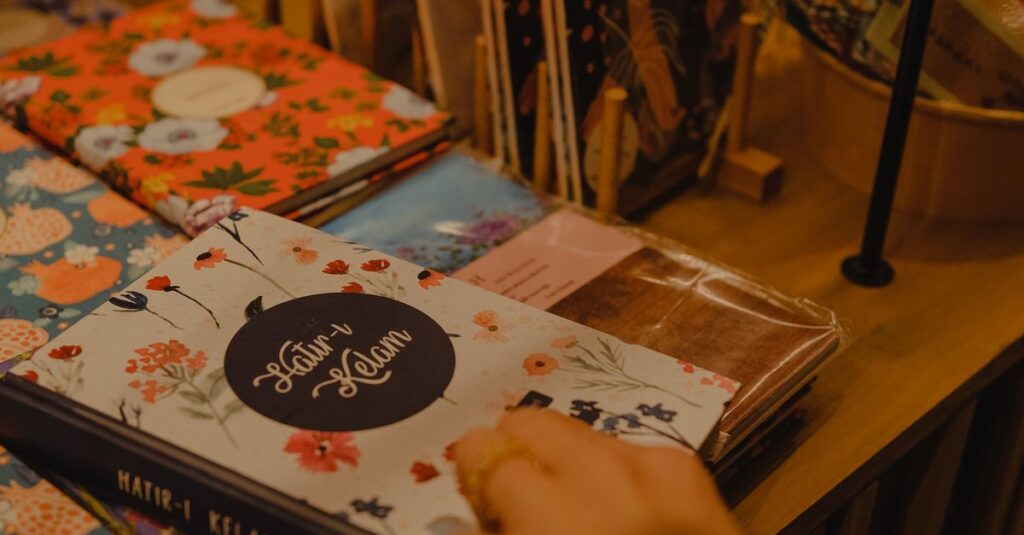
Absolutely. In fact, that's a core strength. Factories use offset printing presses which are fantastic for vibrant, consistent colour reproduction at high speed. The key advantage is they print the cover as part of the whole manufacturing process, often on thicker, more durable card stock, and then laminate it for protection. Your design isn't just printed on; it's integrated.
How long does it typically take to get bulk custom notebooks from a manufacturer?
For an order of, say, 5,000-10,000 notebooks, you should plan for a 3-4 week production timeline from final approval of design. This includes printing, binding, quality check, and packing. It's longer than a print shop turnaround, but you're not just waiting for print — you're waiting for a complete, durable product to be built from the paper up.
Is it more expensive to go directly to a manufacturer?
For bulk orders, it's almost always less expensive per unit. The setup cost is higher, but once that's amortized over thousands of units, the price drops significantly. You're also getting a far more durable product for your money. For small batches, a manufacturer will be cost-prohibitive. But for schools, corporates, or distributors, the factory route is the clear cost-effective choice.
Look, It Comes Down to This
Searching for a 'colour printout near me' when you need custom notebooks is like searching for a 'screwdriver' when you need to build a house. The tool isn't wrong, but the scope of the job completely changes what you actually need.
It's about shifting your thinking from a print job to a manufacturing project. One gives you a decorated object. The other gives you a tool, a gift, a branded asset that works as hard as the people using it.
I don't think there's one answer here. Probably there isn't. But if you've read this far, you already know if your project is a print job or a production run. The next step is just deciding which path to take.
If the factory route sounds like what you've been missing, talking to someone who's been doing it for forty years is a decent place to start. You can see how we approach it here.