Look, nobody really thinks about the cover.
Until it starts falling apart. I’ve seen it a hundred times – the procurement manager holding a notebook, its cover peeling off after a month of classroom use. Or the brand manager looking at custom diaries where the logo on the cover looks washed out. They didn’t think about it when they ordered 10,000 units. But suddenly, the cover of a notebook is the only thing that matters.
It’s the first thing people see. It’s the part they touch. It has to open and close. Day after day. It’s a promise of durability. Or it’s a warning of cheapness. And most people ordering in bulk don’t know what questions to ask. They see a picture, a price, and a page count. That’s it.
Here’s the thing – that thin piece of card or plastic is where the entire manufacturing process gets tested. The paper quality, the binding, the printing, the glue. All of it comes together in the cover. And if it’s done wrong, everything else is wasted. I don’t have a cleaner way to put it than that. If you’re looking for a reliable manufacturer, the difference often starts right there – at the cover.
Seeing the nuts and bolts of how we build them might clear things up.
It’s not just “the front.” So what exactly is it?
Most people would call it the outside layer. That’s technically true. But from where I stand – in a factory that’s been running for nearly 40 years – it’s the structural skin of the whole product. Think of it like the chassis of a car. It holds the internal components (the pages) together and protects them from the environment (bags, desks, rain).
But a good cover does three specific jobs:
- Protection: This is the obvious one. It keeps the pages from bending, tearing, or getting dirty. The strength of the card stock or the flexibility of the plastic defines this.
- Information Hub: Your logo. The notebook’s title. The ruling type (SR, UR, DR). The page count. Maybe a barcode for inventory. All of that lives on the cover. It’s the product’s label.
- User Experience: The feel of the cover. Does it have a matte finish that’s easy to grip? A glossy laminate that wipes clean? Is it too stiff to fold back? This dictates how the notebook is actually used.
And honestly? The choice of material changes everything. A standard school notebook might use 250-300 GSM art card. It’s cost-effective and does the job for a year of school. A corporate diary meant to last all year, or a heavy-duty account book, might need 350 GSM or even a synthetic leather or PU cover. It’s not about being fancy. It’s about matching the cover to the life you expect the notebook to have.
The reality of a bad cover. A micro-story.
Let me tell you about Ravi. He’s a procurement officer for a chain of coaching institutes in Hyderabad. He ordered 50,000 short notebooks last year from a new supplier. Price was fantastic. The pages inside were fine. But the cover? A flimsy 200 GSM card with a low-quality laminate.
Two months into the academic session, his phone starts ringing. Teachers are complaining. The covers are tearing at the spine. The lamination is bubbling in the monsoon humidity. Students’ names written on them are smudging. He’s got a warehouse half-full of notebooks nobody wants to use, and a reputation problem with the principals.
He wasn’t being cheap. He just didn’t know what to check. He looked at the picture in the catalog and assumed “notebook cover” was a standard thing. It’s not.
How a cover gets made (and where it goes wrong)
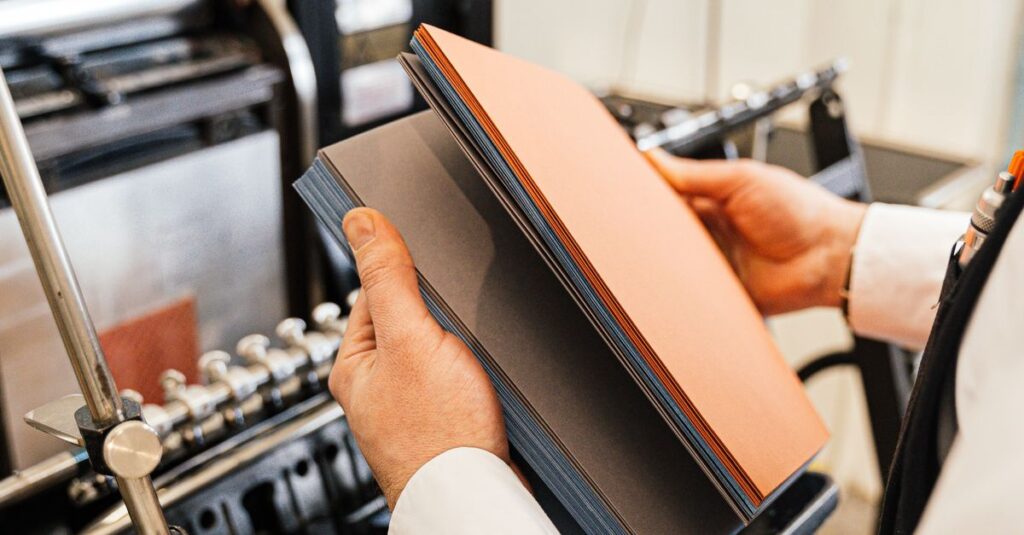
I want to walk you through how we do it at our unit in Rajahmundry. Because the process explains why quality varies so wildly. It starts with the board. We source specific paperboard – the GSM (grams per square meter) determines the thickness and rigidity. Too low, and it feels flimsy. Too high, and it becomes stiff and hard to handle.
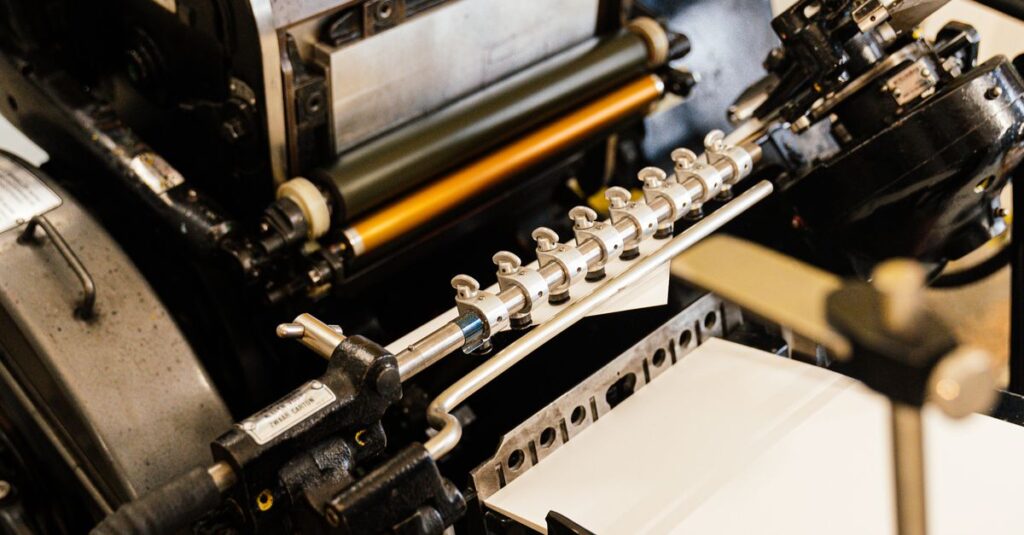
Then comes printing. This is where most customization happens. For corporate orders, we use offset printing. It gives crisp, vibrant colours for logos and brand elements. The design is transferred onto the board in large sheets. After printing, we often apply a coating. A matte or glossy laminate isn’t just for looks – it adds a protective layer against moisture and scuffs. A UV coating can make certain colours pop.
The binding is the make-or-break moment. This is where the cover gets married to the inner pages (the “book block”).
- Perfect Binding: The pages are glued directly to the spine of the cover. It gives a clean, square look. Great for premium diaries. But the glue quality is everything. Bad glue equals pages falling out.
- Spiral Binding: A metal or plastic coil is punched through the cover and pages. The cover needs to be pre-punched and reinforced at the holes so it doesn’t tear. This allows the book to lay flat – a huge plus for artists or students.
- Stitched Binding: The pages are stitched together with thread, and then the cover is glued on. This is the classic, most durable method for school and long notebooks. The cover spine needs to be flexible enough to bend with the stitching.
Where do most factories cut corners? The glue. The thickness of the board. The quality of the laminate. You can’t see it in a product photo. You only feel it – and see it fail – in the hands of the end user.
If you’re thinking about custom printing, understanding this binding choice is the first step.
Expert Insight
I was talking to a stationery distributor from Chennai last month. He’s been in the trade for thirty years. He said something that stuck with me. He told me that for bulk institutional buyers – schools, government offices – the single biggest complaint isn’t about the paper. It’s about the cover detaching. The spine splitting. The lamination peeling off within weeks.
His theory? It’s because the cover is the stress point. It’s the part that gets flexed, grabbed, shoved, and scraped constantly. A manufacturer who invests in a robust binding process and quality adhesive is betting on the notebook’s entire lifespan. One who doesn’t is just betting you won’t notice until after you’ve paid.
Custom covers: What you’re actually paying for
Okay. Let’s say you’re a business wanting custom diaries for your clients. Or a school wanting your emblem on every notebook. The cover is where your brand lives. Here’s what you need to think about beyond just slapping a logo on the front.
Finish: Glossy, matte, or soft-touch? Glossy looks premium but shows fingerprints. Matte is professional and feels great. Soft-touch is a more expensive, velvet-like coating that feels incredible.
Spot UV: This is a trick. You can apply a shiny, raised UV coating only on your logo or specific text. It makes those elements stand out against a matte background. It costs more, but the visual impact is huge.
Foil Stamping: Gold, silver, or coloured foil pressed into the cover. The ultimate in premium feel. Ideal for luxury corporate gifts.
Embossing/Debossing: Creating a raised (embossed) or indented (debossed) pattern or text. It’s a tactile experience. People touch it. It adds a dimension that print alone can’t.
The real cost in custom covers isn’t the paper. It’s the setup for these special printing and finishing techniques. For a run of 500 diaries, the per-unit cost for foil stamping is high. For a run of 10,000, it becomes very reasonable. That’s why understanding your volume is key when you’re discussing options with a manufacturer like us.
Cover Options Compared: School vs. Corporate
It’s easier to see the difference side-by-side. Here’s a breakdown of what typically goes into covers for two main bulk buyers.
| Feature | Standard School Notebook Cover | Premium Corporate Diary Cover |
|---|---|---|
| Primary Material | 250-300 GSM Art Card | 350+ GSM Card or Synthetic Leather (PU) |
| Printing Method | Basic Offset Print (standard colours) | High-Fidelity Offset or Digital Print (vibrant branding) |
| Surface Finish | Standard Gloss or Matte Lamination | Choice of Matte, Soft-Touch, or Premium Textured Lamination |
| Special Effects | Usually none, to keep cost low. | Common use of Spot UV, Foil Stamping, or Embossing. |
| Durability Focus | Spine strength for bag storage; tear resistance. | Scuff resistance, lay-flat ability, premium feel over 12 months. |
| Key Consideration | Cost-per-unit is critical for large volume education tenders. | Brand perception and gift-value outweigh pure unit cost. |
The goal isn’t to say one is better. It’s to match the tool to the job. Sending a student home with a foil-stamped leather diary is a waste. Giving a CEO a flimsy laminated card notebook is an insult. The cover sets that tone instantly.
Three questions to ask your notebook supplier
If you take nothing else from this, ask these questions. They cut through the sales talk and get to the heart of cover quality.
1. “What GSM is the cover board, and is it from a mill or a local sheet cutter?” The GSM number gives you thickness. Knowing if they use mill-direct board (more consistent) versus re-cut local sheets (can vary) tells you about their raw material control.
2. “What type of adhesive do you use for perfect binding, and what’s the open-time tolerance?” This sounds technical, but it’s crucial. It shows they understand binding science. “Open-time” is how long the glue stays workable. A good factory monitors this for consistency.
3. “Can you provide a dummy or sample with the exact cover specification before bulk production?” Any reputable manufacturer will do this. It lets you feel the weight, test the fold, see the print colour under your office lights. Never approve a bulk order based on a generic sample.
Look, I’ll be direct. A supplier who hesitates on these answers is likely assembling notebooks, not engineering them. There’s a difference.
Wrapping this up
I think about this a lot. The cover of a notebook seems like such a small thing. It’s just the wrapper. But in manufacturing, it’s the focal point of material science, printing technology, and structural design. It’s where your brand makes its first impression on a student, an employee, or a client.
The problem most bulk buyers face isn’t that they don’t care. It’s that they don’t have the language to specify what they need. They end up judging by price and a photo, which tells you almost nothing about how the product will perform. You’re not buying a picture. You’re buying thousands of physical objects that need to survive daily use.
I don’t think there’s one perfect cover for every situation. Probably there isn’t. But if you’ve read this far, you already know the cover matters – you’re just figuring out how to make sure you get one that does its job.
Frequently Asked Questions
What is the best material for a notebook cover?
There’s no single “best” material. For high-volume school notebooks, 250-300 GSM art card with lamination is the standard for balancing cost and durability. For corporate diaries, thicker 350+ GSM board, synthetic leather (PU), or even hardcover options provide a premium feel and longer lifespan. The best material is the one that matches the notebook’s intended use and budget.
How can I make my custom notebook cover look more premium?
Beyond just printing your logo, ask your manufacturer about special finishes. A matte or soft-touch lamination feels more expensive than glossy. Techniques like Spot UV (making your logo shiny), foil stamping (adding metallic foil), or embossing (creating a raised texture) add tactile, high-end details that a flat print can’t achieve. These add cost but significantly boost perceived value.
Why do some notebook covers peel or come apart quickly?
Usually, it’s a combination of three things: using a cover board that’s too thin or of poor quality, applying a weak or inappropriate laminate, and most commonly, using low-grade adhesive in the binding process. The glue must be flexible and strong enough to withstand the constant flexing of the spine. Cutting corners on any of these three points leads to early failure.
What is the difference between paperback and hardcover notebook covers?
A paperback cover is a single, thick sheet of card stock wrapped around the book block. It’s lightweight and cost-effective. A hardcover (or case-bound) notebook has a rigid board core wrapped in paper, cloth, or leather. It’s far more durable, lies flat more easily, and is used for high-end journals, master account books, or premium corporate gifts. It’s also significantly more expensive to produce.
Can you print on both the front and back cover of a notebook?
Absolutely. Most manufacturers, including us, print on the front, back, and spine of the cover as standard for custom orders. The front typically has the main logo/title, the spine can have it for shelf visibility, and the back is great for additional information, barcodes, care instructions, or secondary branding. There’s no extra cost for utilizing the full printable area.