You’ve probably seen a hundred of them.
Sitting on desks. Handed out at conferences. Stacked in reception areas. Those leather-bound notebooks with a company logo stamped on the front. The cover diary.
Most people treat them like a corporate afterthought. A branded freebie. A place to write meeting notes.
And honestly? That’s the biggest mistake I see procurement managers and business owners make. You’re not ordering stationery. You’re ordering a piece of your brand that lives on someone’s desk, day in and day out. Right where they make their decisions. If this sounds familiar, the way you think about custom diaries might need a reset.
The cover diary isn’t a notebook. It’s an ambassador.
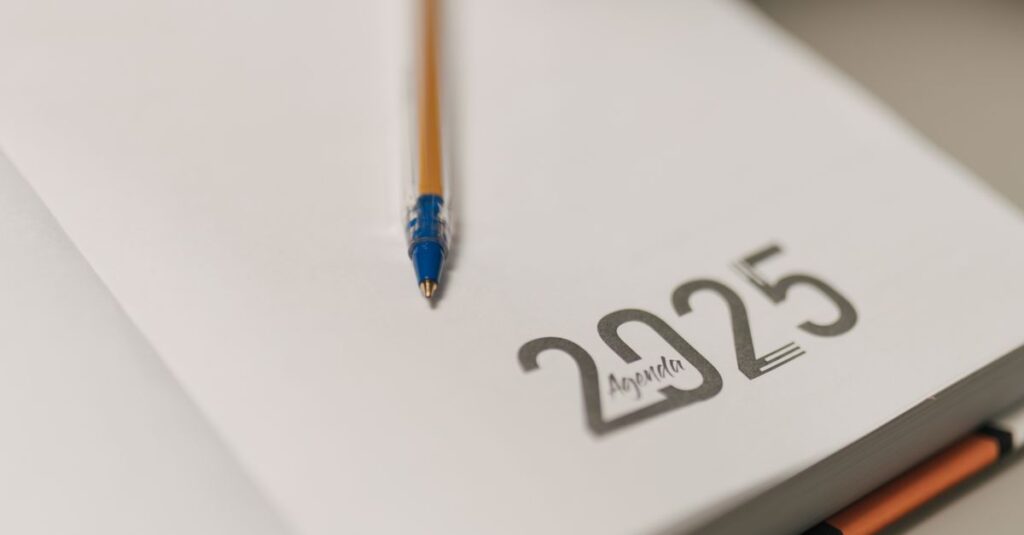
Think about it. What do you do when you need a quiet moment to think? You open your diary. What sits open in front of you during your most important calls? Your diary. The thing you reach for first when a new idea hits? Probably that diary.
Now imagine that daily ritual being connected to a brand. Not a logo on a pen that gets lost, or a mug that stays in the kitchen. But the actual tool of thought. That’s the power of a well-made cover diary. It goes beyond gifting. It becomes part of the workflow.
I was talking to a client last week — a finance firm in Hyderabad — and the procurement head said something that stuck. He said, “We give them to our top clients. Not as a gift. As a tool. It signals we’re part of their process.” That’s it. It’s not a gift; it’s an invitation into their professional world.
So what actually goes into a cover diary?
Okay, let’s get practical. Because if you’re going to order 500 of these things, you should know what you’re buying. I’ll be direct — most people think it’s just a nice cover and some paper. It’s not.
A cover diary is a complete package, and every part sends a message.
The Cover
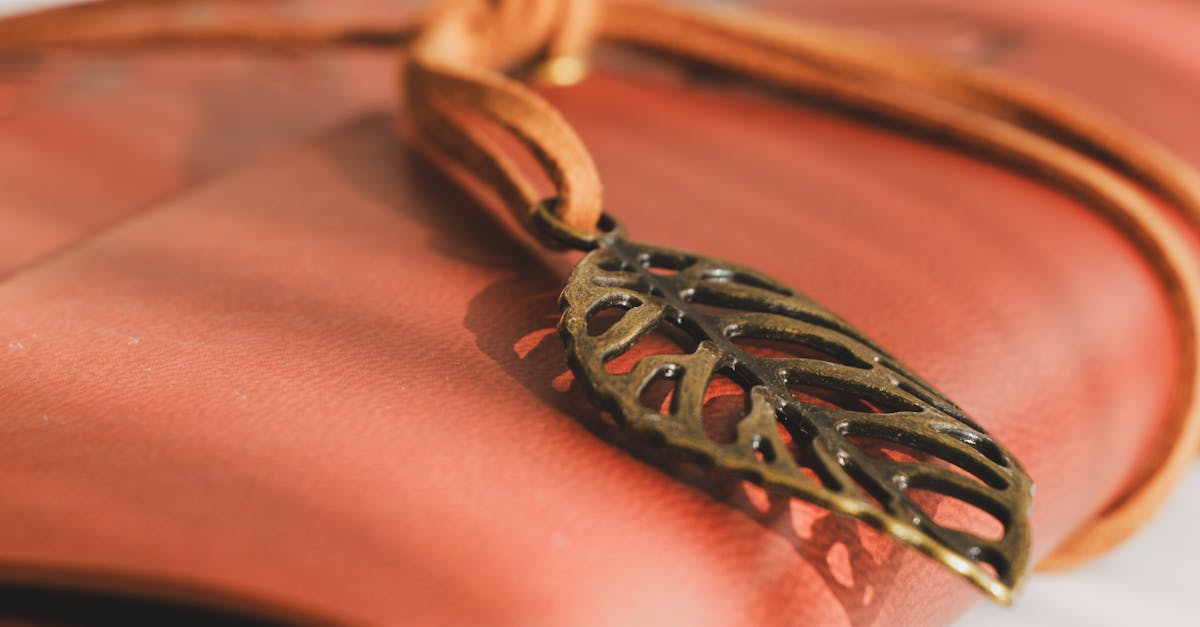
This is the first impression. The feel, the weight, the texture. It tells someone how seriously you take your own brand before they’ve even opened it. You’ve got options:
- Leatherette / Synthetic: Durable, cost-effective, looks professional. The workhorse. Perfect for bulk corporate orders where you need consistency.
- Genuine Leather: The premium touch. It ages, develops a patina. It says “long-term relationship.” I think — and I could be wrong — that for high-value clients or executive gifts, nothing beats it.
- Hardbound Card: Custom printed, full-color, glossy or matte. This is where your brand artwork can shine. Ideal for product launches or event-specific diaries.
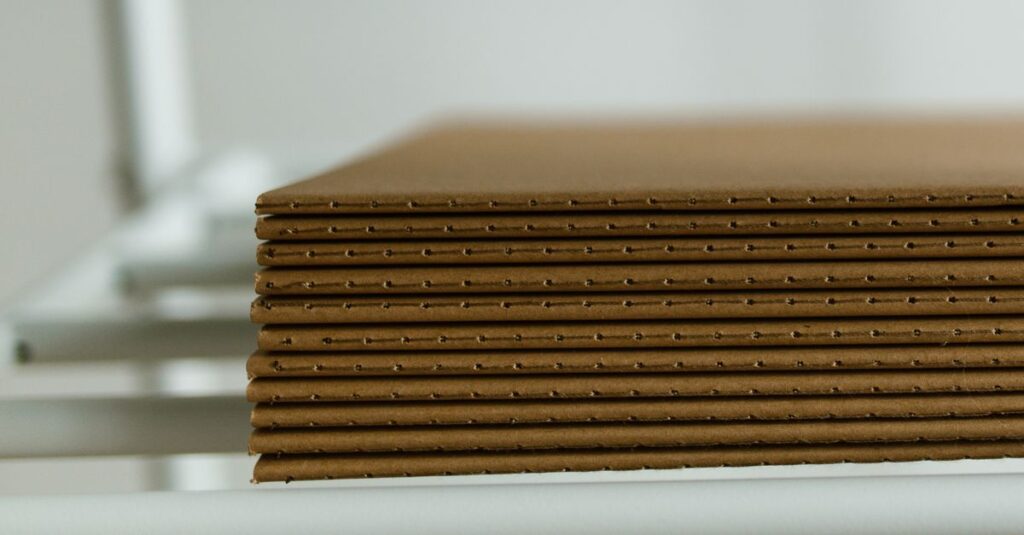
The binding matters just as much. A perfect binding lays flat. A spiral binding is practical but feels less formal. A stitched binding? That’s the old-school, built-to-last signal.
Nine times out of ten, the cover choice is where companies cheap out. And it’s the part everyone touches first.
The guts of the thing: paper, layout, and the silent agreement.
Right. You’ve got the cover. Now, what’s inside? This is the silent agreement between you and the person using it. You’re providing the space for their thoughts. If that space is trash, what does that say about you?
Paper quality is the whole game here. 54 GSM writing paper is standard for a reason — it’s smooth, doesn’t bleed, and has that satisfying texture. Thinner paper feels cheap, like you’re cutting corners. Thicker paper can be overkill and make the diary bulky.
Then there’s the ruling. This isn’t just lines on a page. It’s about how people think.
- Single Ruled (SR): For the note-takers, the list-makers.
- Unruled (UR): For the sketchers, the mind-mappers, the creatives.
- Cross Ruled (CR): For the analysts, the accountants, the people who love grids.
- One Side Ruled (OSR): My personal favorite for corporate diaries. One side for structured notes, the other blank side for diagrams, doodles, ideas that don’t fit in lines.
You’re not just picking a ruling. You’re picking a thinking style for your brand to endorse.
Getting the inside right is where a real printing partner makes all the difference.
Expert Insight
I was reading an article on corporate psychology last month. One line stuck with me. The researcher said something like — the most effective brand reminders aren’t advertisements. They’re useful artifacts integrated into daily ritual. A diary isn’t an ad you see. It’s a tool you use. I don’t have a cleaner way to put it than that. When your logo is on the cover of something someone uses to build their own success, that association isn’t just positive. It’s foundational.
A story from the ground.
Let me tell you about Priya. She’s 38, runs procurement for a chain of private schools in Chennai. She ordered 2000 custom cover diaries for her principals and senior teachers last year. Standard leatherette, school crest on the front, OSR ruling inside.
She called me six months later. Not about a reorder. She said three principals had separately mentioned how much they liked the diaries. That they’d started using them for planning meetings with parents. That the school crest on the desk “made things feel more official.” Priya hadn’t thought of it as a branding tool. She thought she was just buying nice notebooks. But the diary had become part of the school’s professional identity. A quiet, daily reinforcement. She got quiet for a second. “I guess we’re not just giving them a notebook, are we?”
No. You’re not.
The brutal comparison: Cheap Diary vs. Cover Diary
Look, budgets are tight. I get it. The temptation is to find the lowest per-unit cost. But let’s be clear about what you’re actually comparing. It’s not two versions of the same thing.
| Feature | Mass-Produced ‘Cheap’ Diary | Custom Cover Diary |
|---|---|---|
| Cover Material | Thin, printed card. Feels flimsy. | Leatherette, genuine leather, or thick custom-printed board. Has weight and substance. |
| Branding | Logo stamped as an afterthought. Often misaligned. | Logo/design is central to the cover aesthetic. Embossed, foiled, or precision-printed. |
| Paper Quality | Low GSM (often below 50). Ink bleeds, texture is rough. | 54 GSM+ writing paper. Smooth finish, minimal bleed, pleasant to write on. |
| Binding | Glued spine that cracks. Pages fall out. | Stitched or perfect binding. Lies flat, lasts the full year. |
| Perceived Value | Disposable. Goes into a drawer. | A keeper. Stays on the desk. A reflection of the giver’s quality. |
| Message It Sends | “We had to give you something.” | “We value this relationship and provide quality.” |
THIS IS THE PART NOBODY SAYS OUT LOUD. The cheap diary might save you 50 rupees per unit. And cost you 5000 rupees in perceived brand value.
How to actually order one without getting it wrong.
So you’re convinced. Or at least curious. Here’s the practical part — how do you navigate this? The jargon, the specs, the lead times.
First, know your purpose. Is this for employee onboarding? A client New Year gift? A conference giveaway? The purpose dictates everything. A gift for a top-tier partner needs a different touch than a diary for every employee.
Second, find a manufacturer who asks you questions. If they just take your logo and send a quote, walk away. They should ask: Who is it for? How will they use it? What’s the budget range? What’s the ruling? What page count makes sense? A 700-page monster diary is intimidating. A slim 92-page diary feels insubstantial. 240 pages is the sweet spot for most.
Third, get physical samples. Don’t ever, ever approve a design based on a JPEG. Feel the paper. Test a pen on it. Open and close it. Check the foil stamping under light. A good manufacturer will send you a dummy or a sample from a previous job. This step alone will save you from 90% of post-delivery headaches.
The process needs — and needs badly — a partner, not just a vendor. Because you’re not buying a product off a shelf. You’re co-creating a brand asset.
Frequently Asked Questions
What is the difference between a diary and a cover diary?
All cover diaries are diaries, but not all diaries have a proper “cover.” A standard diary might have a soft, flexible cover. A cover diary specifically refers to one with a hard, durable, and often branded cover made from materials like leatherette, leather, or thick card. It’s designed for longevity and to make a statement.
How long does it take to produce custom cover diaries?
It depends on the complexity and order size. For a standard order of 500-1000 units, you should plan for 4-6 weeks from final design approval to delivery. This includes time for material sourcing, printing, binding, and quality checks. Always build in a buffer for your timeline, especially for year-end orders.
What is the minimum order quantity (MOQ) for custom cover diaries?
Most reputable manufacturers have an MOQ, typically around 100-200 pieces. This is because setting up the printing plates, foil stamps, and binding for a custom job has fixed costs. Smaller runs aren’t cost-effective. For truly bespoke, low-volume gifts, you might look at a different product like a journal.
Can I put my company information inside the cover diary?
Absolutely. In fact, you should. The inside front cover or first few pages are prime real estate for your company message, contact details, a yearly calendar, or even motivational quotes. It turns the diary into a complete brand package, not just a blank book with your logo on the front.
What is the best time of year to order cover diaries?
If you want them for the New Year (the most common time), you need to start the process by September or early October at the latest. Factories get slammed in November and December. Ordering mid-year for corporate anniversaries or onboarding can be smoother and sometimes get you better attention from the manufacturer.
So what’s the point?
It’s not about the notebook. It never was.
It’s about the silent, daily reminder of who you are as a company. It’s about providing something of genuine value that integrates into someone’s world. The return on investment isn’t just in the unit price. It’s in the subtle brand reinforcement, the goodwill, the professional image that sits open on a desk.
I don’t think there’s one perfect cover diary for everyone. Probably there isn’t. But if you’ve read this far, you already know the potential — you’re just figuring out if it’s worth the shift from thinking like a buyer to thinking like a brand builder. And maybe that’s the point.
If you’re ready to move past the generic freebie and see what a purpose-built cover diary could do for your team or clients, it might be time to start a conversation with someone who’s been making them for 40 years.