Let’s get straight to it. Spiral binding is more expensive than stitched binding.
Right. I see the confusion all the time. A procurement manager gets two quotes: one for stitched notebooks, one for spiral-bound. The difference makes them pause. Is the manufacturer overcharging? Is it just a fancy add-on?
It’s neither. Here’s the thing — the cost of spiral binding a book isn’t just about slapping a coil on paper. It’s about a whole different machine, a slower process, more handwork, and frankly, a more durable product. If you’re ordering corporate diaries, school notebooks, or custom project books in bulk, that price difference tells a story about what you’re actually getting. And it’s a story you need to know before you place a 10,000-unit order.
We’ve been making notebooks since 1985, and I can tell you, nine times out of ten, people who push back on the spiral binding cost are comparing it to the wrong thing. It’s like comparing a bicycle to a motorbike. They both have wheels, but the build is completely different. If you’re planning a custom print run, understanding this breakdown isn’t just helpful — it stops you from making a costly mistake.
What you’re really paying for when you choose spiral binding
Most people think it’s just the plastic or metal coil. That’s maybe 15% of the story. The real cost is in the labor and the machine time. A perfect binding or stitched binding line is fast — it’s almost fully automated. You feed in covers and pages, and out come finished notebooks at a clip of thousands per hour.
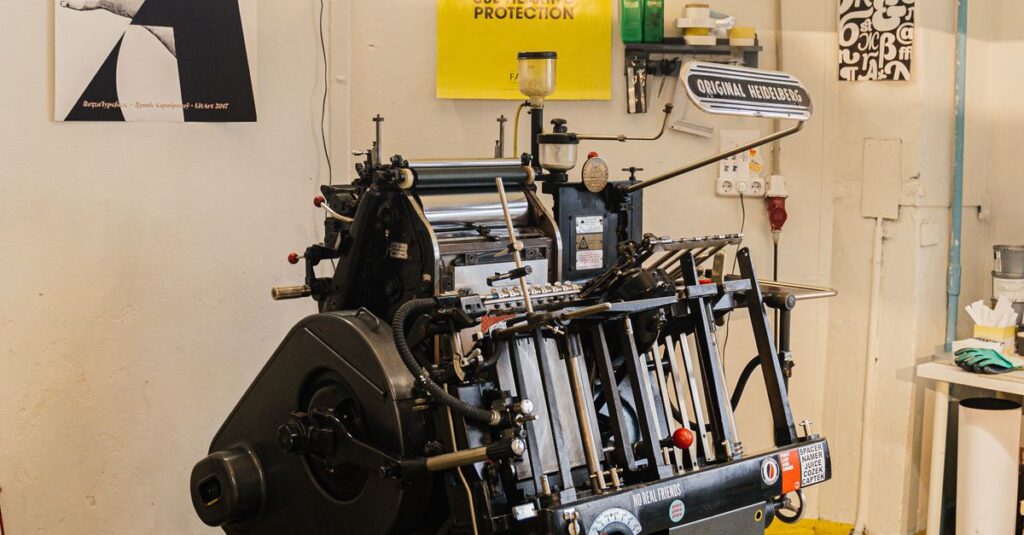
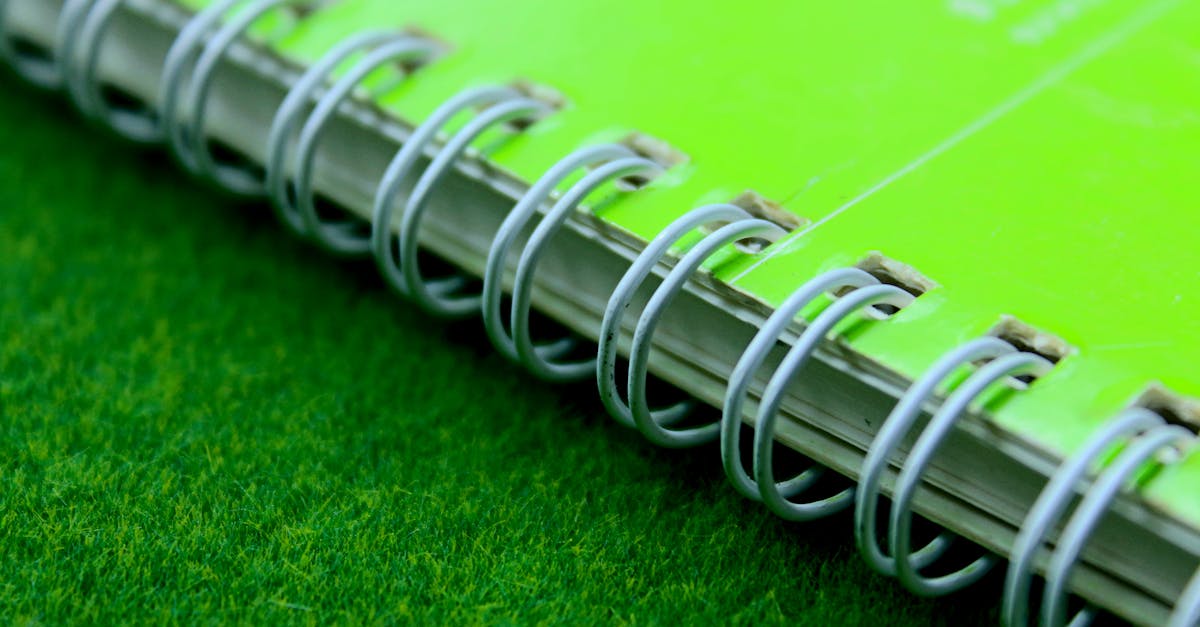
Spiral binding is different. It’s a beast of a machine, but it’s a slower, more meticulous beast. The pages have to be punched with a perfect line of tiny holes along the edge. The coil has to be fed through by hand or with a semi-automatic feeder. Then the ends are crimped. Every single step requires more attention. More attention means more time. More time, in a factory, is literal money.
And that’s before we talk about waste. The punching isn’t always perfect. A misaligned hole means the entire set of pages for that book might be scrapped. With stitched binding, that’s almost never an issue. So the cost of spiral binding a book has this hidden buffer — a tolerance for error that you just don’t have with cheaper methods. You’re paying for precision.
The breakdown: Where every rupee goes
Let’s talk specifics. I’ll give you the categories, not exact numbers — because paper prices swing like a pendulum and your page count changes everything. But this is the framework. Every quote you get is built on these pillars.
First, the paper and interior printing. This is your base cost, same as any notebook. 70gsm, 92 pages, single-ruled? That’s cost X.
Then, the cover. A thick, laminated 250gsm cover costs more than a thin one. Custom printing and branding on it? That’s cost Y.
Now, the binding process itself. This is where the split happens.
- Punching: Running the stacked pages through the punching die. Machine wear, electricity, operator time.
- The Coil: The raw material. Plastic (PVC) is standard. Metal wire costs more. Colored vs. clear can change the price.
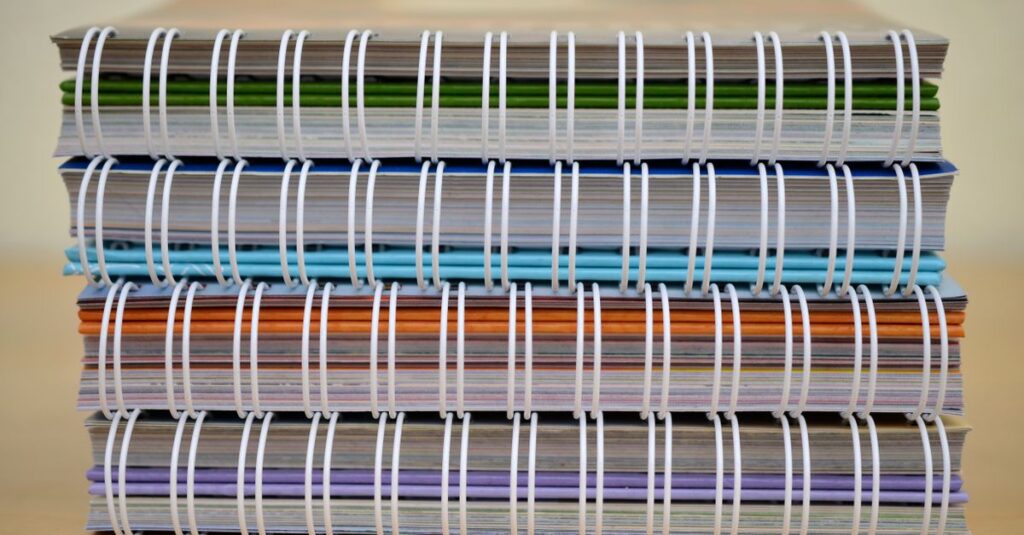
- Insertion & Crimping: This is almost all labor. Feeding the coil through hundreds of holes, then cutting and bending the ends so it doesn’t unravel. This step is why automation is limited.
- Quality Check: Every single spiral-bound book gets a flip-through. Does it lay flat? Does the coil catch on anything? This is manual. Every. Single. Book.
Finally, packaging and shipping. Spiral-bound books are bulkier. They don’t stack as neatly. That means bigger cartons, possibly higher shipping volume costs.
See? The coil itself is just a piece of plastic. The cost is in the transformation. It’s the difference between buying lumber and buying a finished table.
Expert Insight
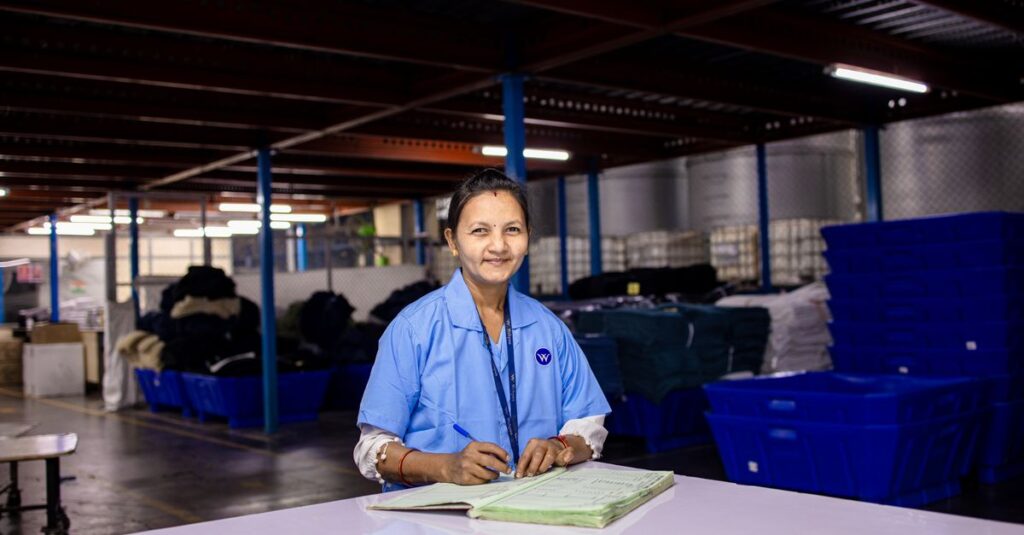
I was on the factory floor last week, watching the spiral binding line. The supervisor, Ravi, who’s been there 20 years, said something that stuck with me. He said, “Sir, stitching is for reading. Spiral is for using.” He meant that a stitched book you open, you write in, you close. A spiral-bound book you crack open, fold back on itself, leave lying flat, toss in a bag, and it survives. You’re not paying for binding. You’re paying for the freedom to abuse the thing and have it still work. I don’t have a cleaner way to put it than that.
A real-life scenario: Why a school almost ordered the wrong thing
Let me tell you about Priya. She’s the procurement head for a chain of schools in Hyderabad, ordering 15,000 custom lab notebooks. She wanted them durable—kids are rough. She got a quote from us for spiral binding and one from another supplier for “reinforced stitching.” The stitched quote was 18% cheaper.
She called me, hesitant. The price difference was significant for her budget. We talked for 30 minutes. Not about sales, but about use. A lab book is opened and laid flat on a bench 50 times a day. Liquid spills on it. Pages are torn out for reports. Stitching, even reinforced, will eventually crack the spine under that stress. The paper will tear at the hinge. A spiral coil? It doesn’t have a spine to crack. The page just turns.
She went with the spiral. The initial cost was higher. But she’s re-ordering the same design this year — not because they ran out, but because the books lasted the whole academic year without falling apart. The cheaper option would have been a recurring annual cost. The spiral was a one-time, higher investment. Sometimes the math isn’t in the per-unit price. It’s in the lifespan.
Spiral vs. Perfect Binding: It’s not even a fair fight
People mix these up. Perfect binding is what you see on paperback novels — glued spine. It looks clean. It’s cheap for high volume. But for a notebook? It’s a terrible choice for anything that needs to lay flat. The glue dries out, pages fall out. Yet, I still see quotes for “perfect bound corporate diaries.” It makes me wince.
Let’s compare them head-to-head, because this is where the cost of spiral binding a book starts to make visceral sense.
| Feature | Spiral / Coil Binding | Perfect Binding (Glued) |
|---|---|---|
| Lay-Flat Ability | Lays perfectly flat, 360-degree rotation. | Does not lay flat without breaking the spine. |
| Durability | Extremely high. Coil withstands repeated opening. | Low. Glue fails with heavy use, pages detach. |
| Page Security | Each page is physically held by the coil. | Pages are only held by adhesive edge glue. |
| Cost for Bulk (e.g., 10k units) | Higher per unit due to manual steps. | Lower per unit, highly automated. |
| Best For | Workbooks, lab books, manuals, diaries used daily. | Novels, one-read magazines, promotional booklets. |
| Replacement Risk | Very low. Almost no failures in use. | High. Expect a percentage to fail quickly. |
After seeing that, the question changes. It’s not “Why is spiral more expensive?” It’s “Can I afford to use the cheaper binding for this job?” For a corporate diary that sits on a desk? Maybe. For a technician’s field manual that gets battered in a toolbox? Never.
How to think about your next bulk order (and not get shocked)
Okay, so you’re convinced spiral is the right choice for your project books or training manuals. How do you budget for it? Don’t just ask for “a quote.” Give the manufacturer the right information. The more vague you are, the more padded the quote will be to cover unknowns.
Here’s what you need to specify:
- Exact Page Count: Not a range. 92 pages. 240 pages. This determines coil length and punching time.
- Paper GSM: 70gsm writing paper is standard. Heavier paper (like for drawing) is harder to punch cleanly.
- Cover Specs: Single-page laminated? Hardcover? Printed on both sides?
- Coil Type & Color: Standard black PVC coil is the baseline. Want metal? Colored plastic? That’s an upgrade.
- Quantity: The real number you expect to order. A 5,000-unit run has a different per-unit cost than a 50,000-unit run.
When you provide this, you’re not just getting a price. You’re starting a conversation with a manufacturer who can see you know what you’re doing. It builds trust. And in bulk manufacturing, trust is what gets you the best service and the most honest cost of spiral binding a book. We see it all the time — the clear, detailed inquiries are the ones we prioritize.
Anyway. The bottom line is this: if you need a book to be used hard and survive, the coil is worth every extra rupee. If it’s going to sit on a shelf, maybe it’s not. Your use case dictates the cost, not the other way around.
Frequently Asked Questions
What is the main factor that makes spiral binding more expensive?
Labor. It’s that simple. Spiral binding requires precise punching and manual coil insertion/crimping for each book. Stitched or perfect binding is heavily automated, making it faster and cheaper per unit. You’re paying for human hands to ensure durability.
Can I get a cheaper price for a very large order of spiral bound notebooks?
Yes, but with diminishing returns. The material cost (coils, paper) will drop. But the labor cost per book remains relatively fixed. So a 100,000-unit order will be cheaper per book than 5,000 units, but not half the price. The binding process itself has a minimum cost floor.
Is metal spiral binding much more costly than plastic?
It is, usually by 10-25% depending on the order. Metal wire is a more expensive raw material than PVC plastic, and it’s slightly harder to work with. It offers a more premium feel and is extremely durable, but for most uses, high-quality plastic coil is perfectly sufficient.
Does the number of pages significantly affect the binding cost?
Absolutely. More pages mean a thicker book, which requires a longer coil. It also means more paper to punch through, which can slow down the machine and requires more powerful punching dies. A 300-page book costs more to bind than a 100-page one, even with the same cover.
We want a custom-sized notebook. Will spiral binding still work?
It will, but it adds to the cost. Non-standard sizes need a custom punching die to be made. That’s a one-time tooling cost that gets amortized over your order. For standard sizes (A4, A5, etc.), the dies already exist, so there’s no extra charge.
Wrapping this up
Look, I’ll be direct. The cost of spiral binding a book is higher. There’s no magic trick to make it as cheap as stitching. Anyone who promises that is cutting corners somewhere — on paper quality, coil thickness, or labor.
But think about what you’re buying. You’re buying a product that won’t come back to you as a complaint. You’re buying the silence of a notebook that just works, meeting after meeting, semester after semester. That has a value, even if it doesn’t have a line item on the invoice. For procurement managers, that value is fewer headaches. For schools and corporates, it’s a better user experience.
So when you evaluate the quote, don’t just look at the bottom line. Look at what that line includes. Durability, function, longevity. Sometimes the more expensive option is, in the long run, the only one that actually saves you money. And honestly? Most of our long-term clients figured that out after their first order. If you want to talk specifics for your project, that’s where we can help turn a cost into an investment.