The Day You Realize You Need More Than Copies
It's usually at the worst possible moment. You're standing at a local copy shop counter, holding up the line. You need 200 custom-branded notebooks for a training program next week. The person behind the counter looks at your file, then looks at you, and you just know. Their face says, "We can't do this." That feeling — the panic mixed with frustration — is what this is about. It's not about a copy shop being bad. It's about a copy shop being the wrong tool for a very specific job.
Most businesses, especially schools, procurement officers, and wholesalers, hit this wall. They start with a copy shop for small things — flyers, a few stapled booklets. And it works. Right up until the moment you need 5,000 notebooks for a new school term, or 500 identical corporate diaries with a stitched binding that won't fall apart. That's when the "copy shop model" cracks. It's designed for one-offs. You're asking for mass production.
I've been on the other side of this for decades. People come to us, a notebook manufacturer, after that exact copy shop moment. They're not angry. They're just relieved someone finally gets it.
What a Copy Shop Actually Does (And Doesn't Do)
Let's be clear. A copy shop is a lifesaver. Need 50 copies of a contract? Go there. Need a single poster printed by tomorrow? They're your people. Their world is digital printing, quick turnaround, and serving one customer at a time. Think photocopies, laminating, maybe some basic binding like spiral or comb. It's transactional.
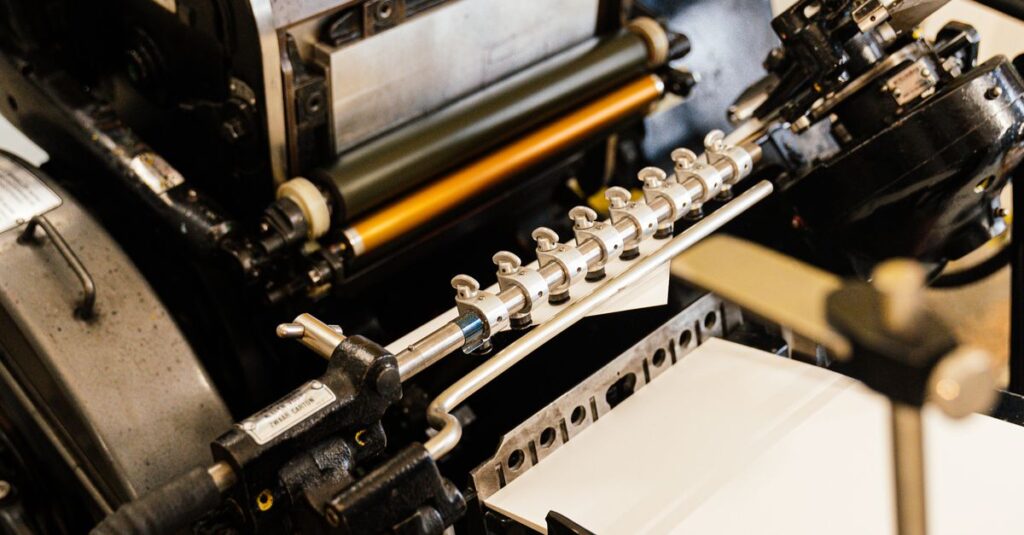
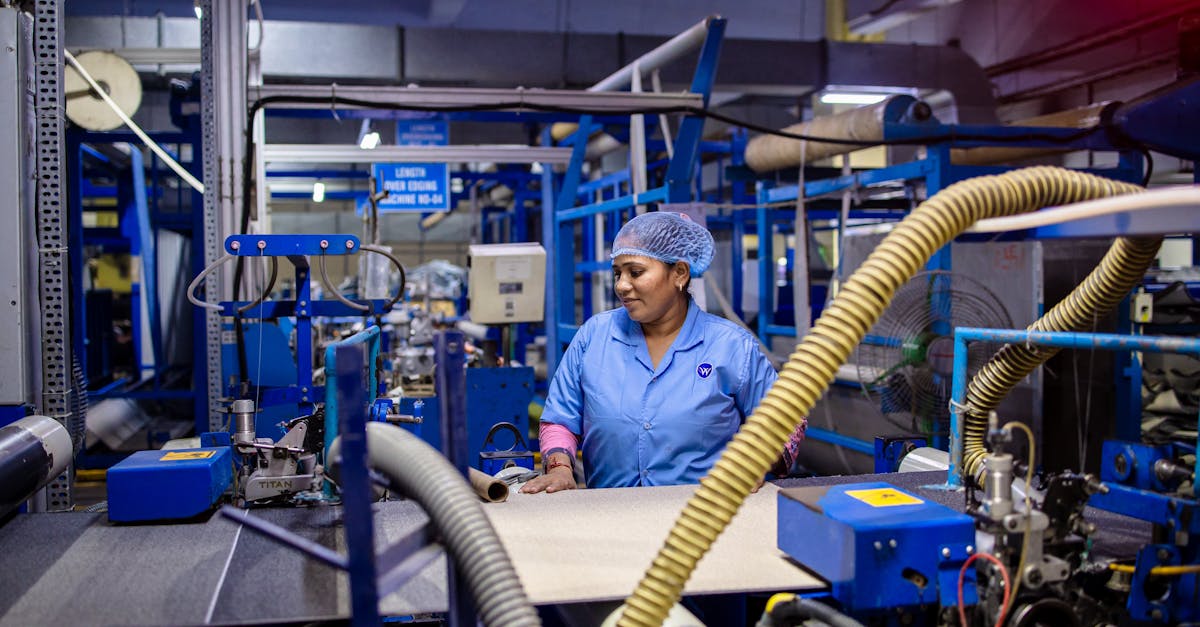
The problem starts when you confuse that service with manufacturing. Manufacturing is a different beast. It's about bulk, consistency, and specialized machinery. A copy shop printer is like a high-end kitchen blender. A notebook manufacturing line is an industrial food processing plant. Both involve "making," but the scale, input, and output are worlds apart.
Here's a quick, real-world breakdown:
- A Copy Shop's Jam: Short runs. Personal projects. Immediate needs. Variable paper stocks they have on hand.
- A Manufacturer's Game: Long runs. Uniform products. Planned bulk orders. Sourcing specific paper (like 54 GSM writing paper) by the tonne. Dedicated binding lines for stitching, perfect binding, or spiral.
I was talking to a college procurement manager last month — over a truly terrible cup of machine coffee — and she put it perfectly. "The copy shop gave me 200 notebooks that all looked slightly different. The blues didn't match. For a university crest, that's a non-starter." It wasn't the shop's fault. Their machine isn't calibrated for that level of color consistency across thousands of sheets.
The Manufacturing Side: Where Bulk Notebooks Are Born
Okay, so if a copy shop isn't the answer for your 5,000-notebook order, what is? You step into manufacturing. This is where things like page count, ruling type, paper weight, and binding method aren't afterthoughts — they're the blueprint.
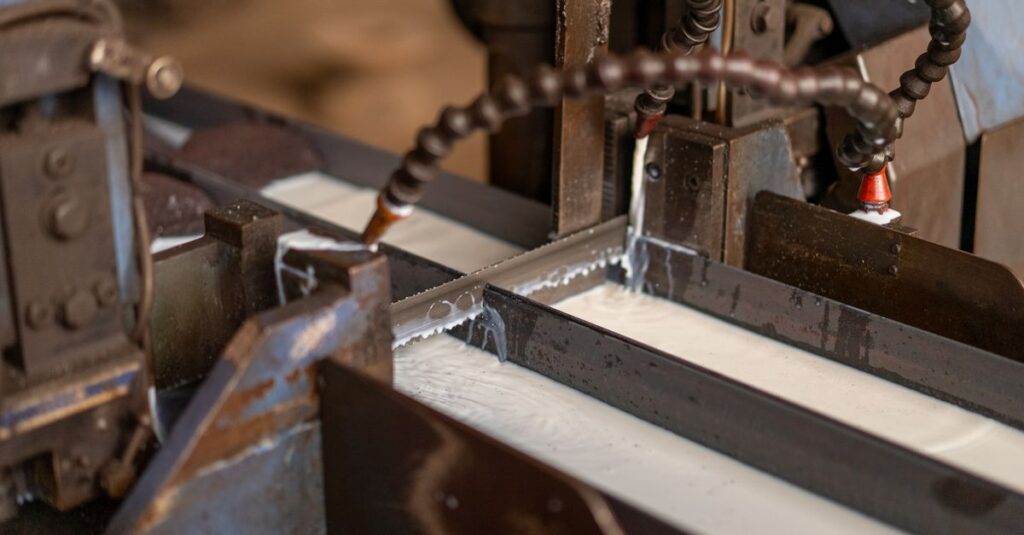
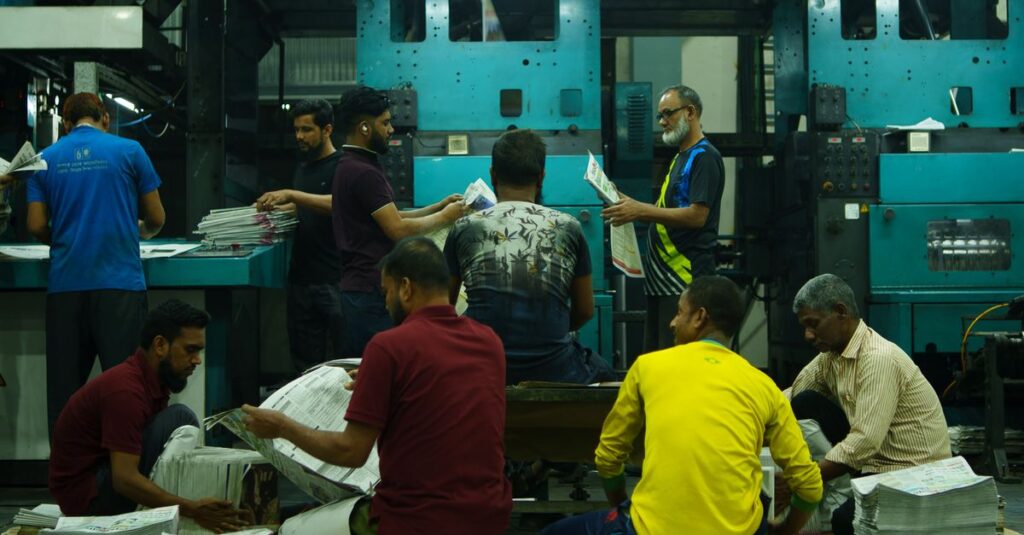
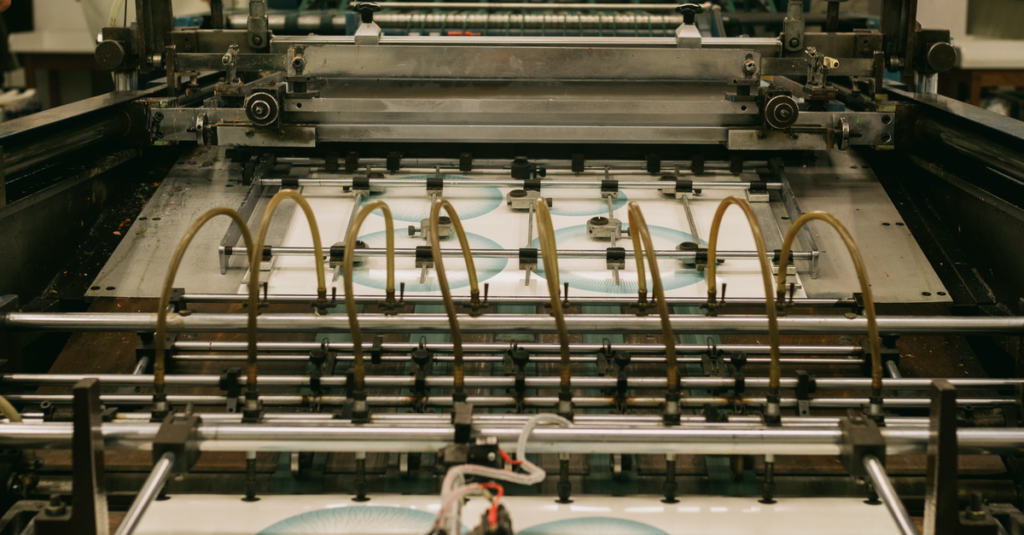
Think about a standard school notebook. A manufacturer isn't printing one sheet at a time. We're talking about large sheets of paper, printed in signatures (groups of pages), folded, gathered, bound, and then cut to final size. The cover isn't an afterthought; it's offset-printed on card stock, often with a laminate for durability. The binding — whether it's stitched, perfect-bound, or spiral — is a whole separate machine line.
The real difference? Predictability. When you order 10,000 A4 200-page single-ruled notebooks, every single one will be identical. The paper feel, the print quality, the binding strength — it's all standardized. That consistency is what institutions buy. A school can't have one batch of notebooks with paper that bleeds ink and the next batch that doesn't.
I think — and I could be wrong — that most people don't realize the engineering that goes into a "simple" notebook. The spine alignment, the glue formulation for perfect binding, the tensile strength of the wire in spiral binding. It's not magic. It's a process.
Expert Insight
I was reading an old trade journal once, something from the 90s. One line from a binder stuck with me. He said, "Anyone can stick pages together. Making them stay together through a year of being shoved in a bag, dropped, and written in — that's the job." He was talking about the difference between a temporary document and a product meant to last. A copy shop makes the former. A manufacturer builds the latter. That distinction, simple as it sounds, is the entire game.
The Comparison: Copy Shop vs. Notebook Manufacturer
Let's make this painfully clear. Here's what you're really choosing between.
| Factor | Copy Shop / Quick Print Center | Notebook Manufacturer |
|---|---|---|
| Core Service | Digital printing, copying, small-scale finishing | Mass production, binding, full product manufacturing |
| Ideal Order Size | 1 – 500 units | 500 – 50,000+ units |
| Customization Depth | Basic logo placement, limited paper choices | Full custom: cover design, page layout, ruling, paper GSM, binding type |
| Paper & Materials | Pre-stocked retail sheets | Bulk sourcing of specific papers (e.g., 54 GSM writing), card stock, binding materials |
| Binding Methods | Spiral, comb, stapling (saddle stitch) | Stitched binding, perfect binding, wire-o, specialized school binding |
| Turnaround Time | Hours to days | Weeks (for production, finishing, quality check) |
| Cost Model | High per-unit cost | Low per-unit cost (bulk economies) |
| Consistency | Can vary between runs | High (industrial calibration) |
See? It's not about good vs. bad. It's about right tool, right job.
When Do You Actually Need a Manufacturer?
So, when does the scale tip? When do you stop thinking "copy shop" and start looking for a manufacturer? Three things happen.
First, your quantity crosses a threshold. It's not a hard number, but if you're thinking in thousands, not hundreds, you're in manufacturing territory. The per-unit price at a copy shop for 3,000 notebooks would be astronomical. A manufacturer's whole setup is designed to drive that cost down through volume.
Second, you need true customization. Not just a logo slapped on a template. I mean choosing the paper weight (that 54 GSM writing paper makes a difference for pencil and ink), the ruling (single, double, broad, four-ruled for accounts), the page count (92, 200, 240 pages), and the binding method that suits the use. Will these notebooks be thrown in backpacks daily? Stitched binding. Will they lay flat on a desk? Spiral binding.
Third — and this is the big one for corporate and institutional buyers — you need reliability and a single point of contact. You need someone who understands this is a supply chain item, not a one-time print job. You need consistency across batches, year after year. A procurement manager for a chain of schools can't renegotiate and re-approve a vendor every time they need notebooks. They need a partner.
Anyway. The shift happens when your need stops being "prints" and starts being "product."
A Real Story (Because This Isn't Theoretical)
Let me tell you about Priya. She runs procurement for a mid-sized tech firm in Hyderabad. Last year, for their annual conference, they wanted branded notebooks for 800 attendees. Their usual stationery guy said he'd "get it printed." He took it to a local copy shop. The result? The covers were flimsy, the spiral binding snagged on bags, and the blue of their logo was a different shade on every third notebook. It looked cheap. She was embarrassed.
This year, she called us. We talked about paper, about a slightly thicker cover stock, about using perfect binding for a cleaner look, and about color matching their Pantone. The order arrived, all 800 units identical, packed in boxes ready for distribution. She sent a photo of the stack with one word: "Perfect." The relief in that text was palpable. It wasn't just about notebooks. It was about not having to worry.
That's the shift. From a task to check off, to a problem that's solved.
Making the Decision: A Quick Checklist
Stuck deciding? Run through this.
- Quantity: Are you ordering more than 500 of the same item?
- Customization: Do you need control over materials (paper type, cover stock) and construction (binding type)?
- Long-Term Need: Is this a recurring order (e.g., every school year, every corporate event)?
- Brand Image: Does the quality and consistency of the final product directly reflect on your organization?
If you answered "yes" to even two of these, you've probably outgrown the copy shop model. You need a manufacturer. The conversation changes from "Can you print this?" to "Can we build this product?"
And honestly? That's a better conversation to have. It's about partnership, not a transaction.
Frequently Asked Questions
Can a copy shop make custom notebooks?
Technically, some might offer very basic versions, like stapled booklets with a printed cover. But for true custom notebooks — with specific paper, durable binding (like stitched or perfect binding), and consistent bulk quality — you need a notebook manufacturer. A copy shop lacks the industrial equipment and bulk material sourcing.
What's the minimum order quantity for a notebook manufacturer?
It varies, but for a dedicated manufacturer, the minimum is usually in the hundreds, not the tens. For example, at Sri Rama Notebooks, we can start custom orders around 500 units. This is because setting up the printing plates, binding lines, and quality checks for a unique product needs a certain volume to be efficient.
I need notebooks fast. Isn't a copy shop quicker?
For a handful of items, absolutely. For hundreds or thousands? Not necessarily. A manufacturer has a planned production schedule. If you have a regular need (like school notebooks every June), you plan with your manufacturer months ahead. The "speed" comes from reliability, not last-minute rush jobs that compromise on quality.
How much cheaper is manufacturing in bulk?
Significantly. The per-notebook cost in a batch of 5,000 can be less than half the per-unit cost of getting 100 made at a copy shop. Economies of scale in paper purchasing, automated binding, and streamlined labor make the bulk price point completely different.
What file format do I need for custom notebook printing?
For a manufacturer, you'd provide print-ready, high-resolution PDFs with proper bleed and trim marks. They'll handle separating the files for cover and inner pages, color matching, and imposition (arranging pages for printing on large sheets). A copy shop might just ask for a Word doc or a JPEG, which highlights the difference in process.
Look, Here's The Thing
This isn't a sales pitch against copy shops. I use them all the time. Need a quick poster? Brilliant. But I know what they are. A service for immediate, small-scale, often personal needs.
The moment your need becomes institutional — when it's for a school, a corporation, a distributor moving volume — you're in a different world. You're not buying printing. You're buying a manufactured product. The questions change, the process changes, and the relationship with the supplier changes. It becomes less about a quick fix and more about building a reliable supply chain.
I don't think there's one perfect line where this happens. But if you're reading this, you're probably already feeling the friction of using a copy shop solution for a manufacturer-scale problem. That feeling is the best guide you've got.
If you're sourcing notebooks in bulk for your institution or business, seeing how a manufacturer approaches the problem might just save you that next moment of panic at the print counter.