Let’s be honest about “creative printing”
You’ve probably heard the term thrown around. Creative printing. Sounds fancy, right? Like something you’d see on a boutique greeting card. But when you’re ordering 5,000 custom diaries for your sales team or notebooks for an entire school district, you need to know what you’re actually buying. Is it just a marketing buzzword? Or is there something real here that can actually help your business? I’ve been in this game for decades — I’ve seen what works and what ends up in a storeroom, forgotten. Most of the time, the difference between a notebook that gets used and one that collects dust isn’t the paper quality. It’s the printing.
It’s about the feeling a notebook gives someone before they even write a word. That first impression — thick, glossy, vibrant cover art. A clean, custom layout inside. It sends a message. And that message is what you’re really paying for. If that sounds like what you’re trying to figure out, how we handle creative printing might be worth a look.
It’s not just ink on paper. It’s communication.
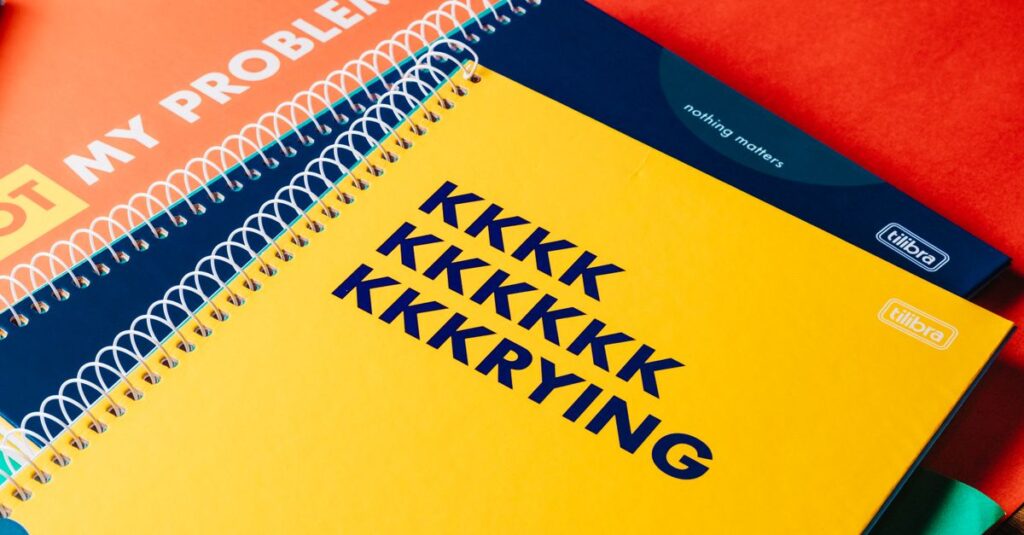
Right. So what is it? Creative printing, in our world, is the whole process of taking your brand or idea and turning it into a physical notebook that means something. It’s moving past the standard single-colour logo stamp. Think about a corporate diary. You could just slap a logo on the cover. Job done. But why would you? A diary sits on someone’s desk for a year. It’s a constant, daily reminder of your company. If it’s bland, what does that say?
The creative part is the strategy — deciding how to use colour, texture, and layout to tell your story. It’s choosing a spot UV coating to make your logo pop. It’s designing a custom page header for each month. It’s picking the perfect shade of blue that matches your brand guide, not just the closest blue the printer has. This is where manufacturing becomes more than production. It becomes a partnership.
Expert Insight
I was talking to a procurement manager from a tech firm last year — over a very rushed phone call, actually — and she said something that stuck. She told me they used to buy the cheapest possible notebooks for their developers. They’d get these plain, sad-looking things. Then they switched to custom-printed notebooks with a sleek, minimalist design and their code of conduct printed subtly on the inside cover. She said internal surveys showed a 30% higher retention rate for the notebooks. People actually wanted them. They kept them. The cost per unit was higher, but the cost per impression
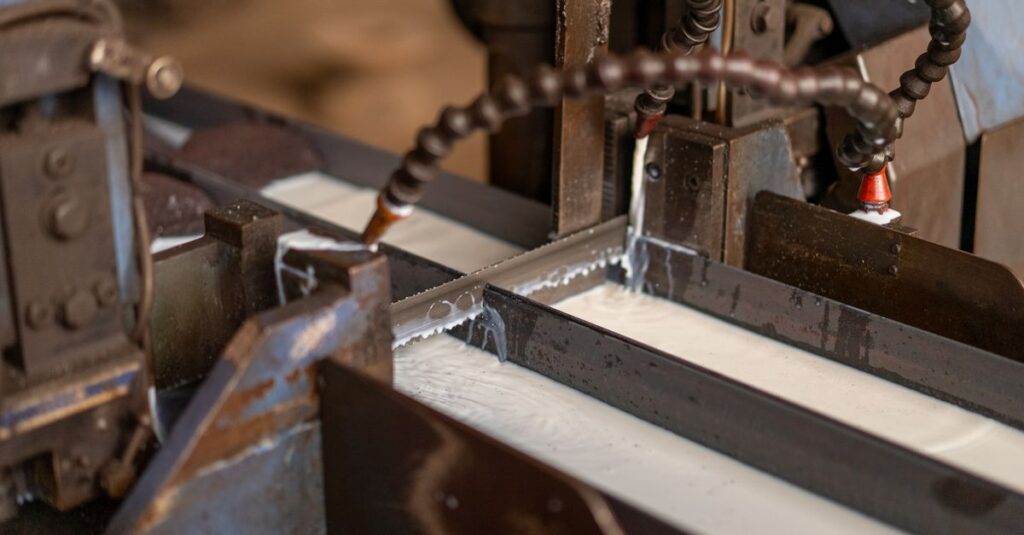
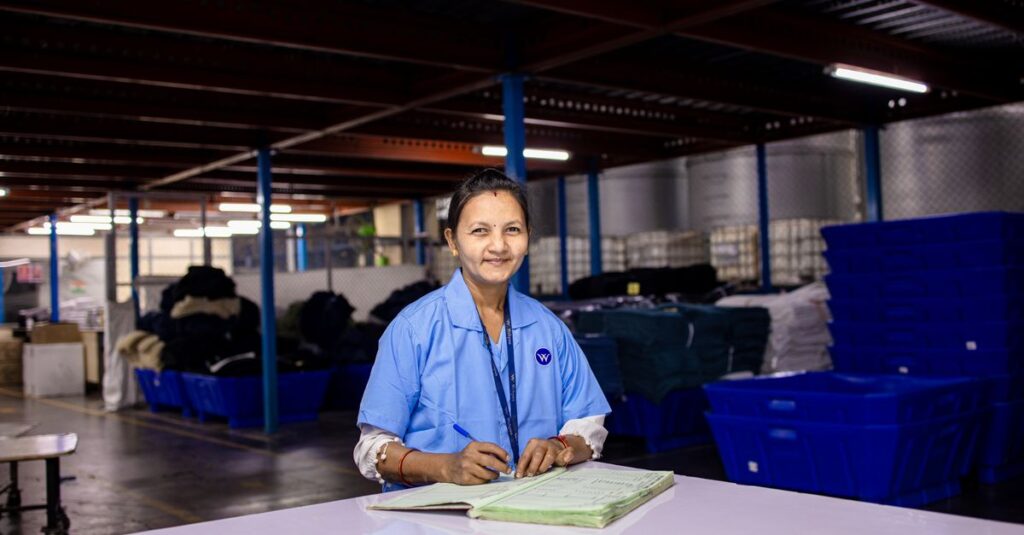
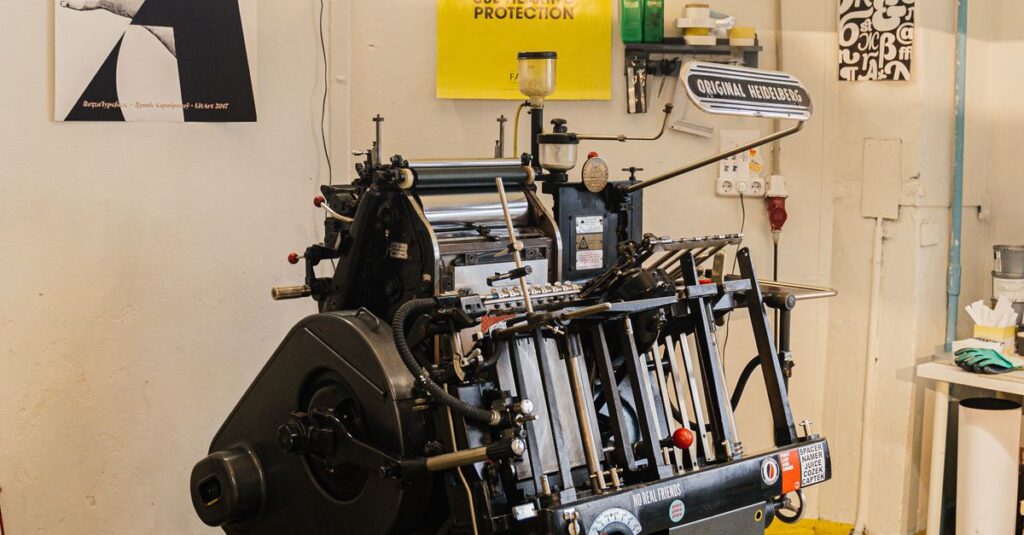
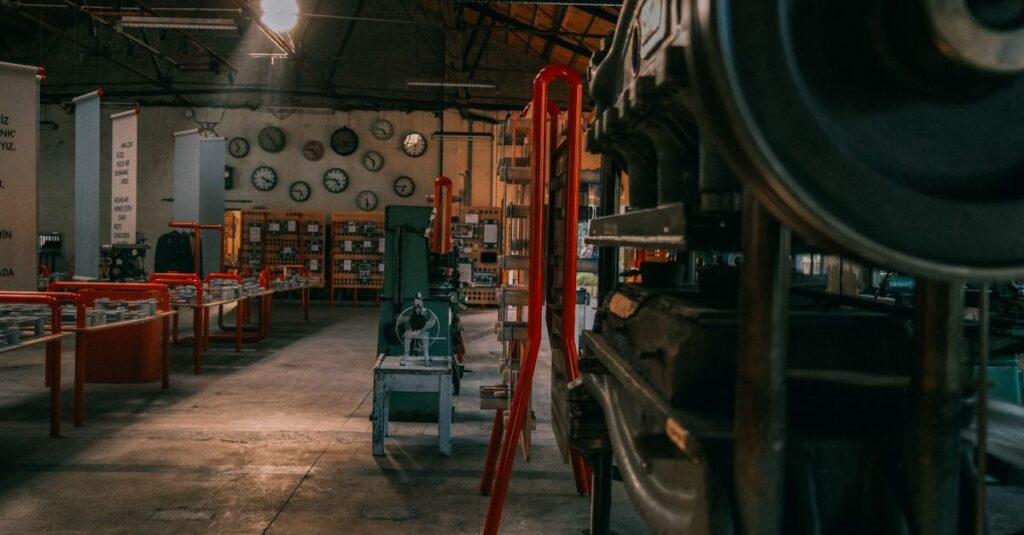
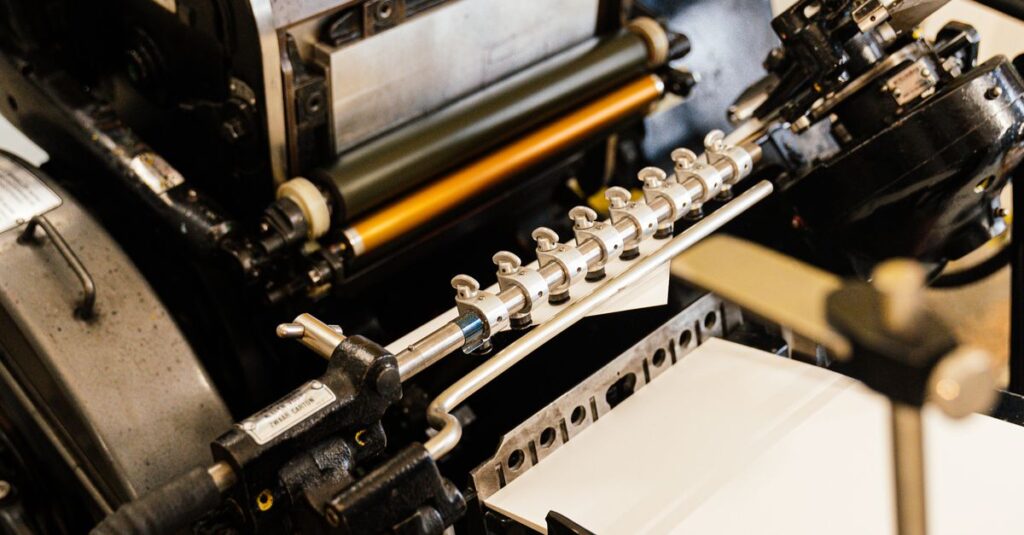
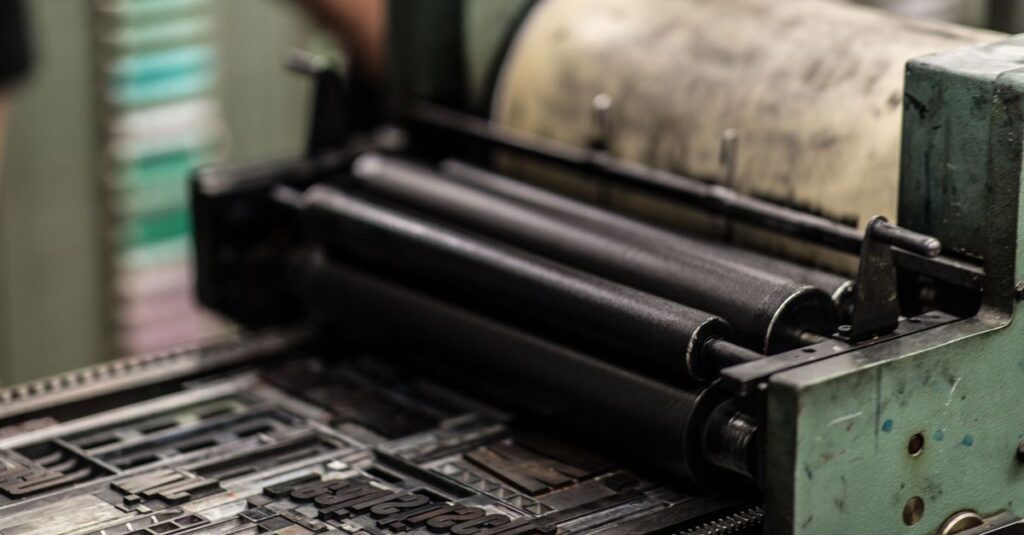
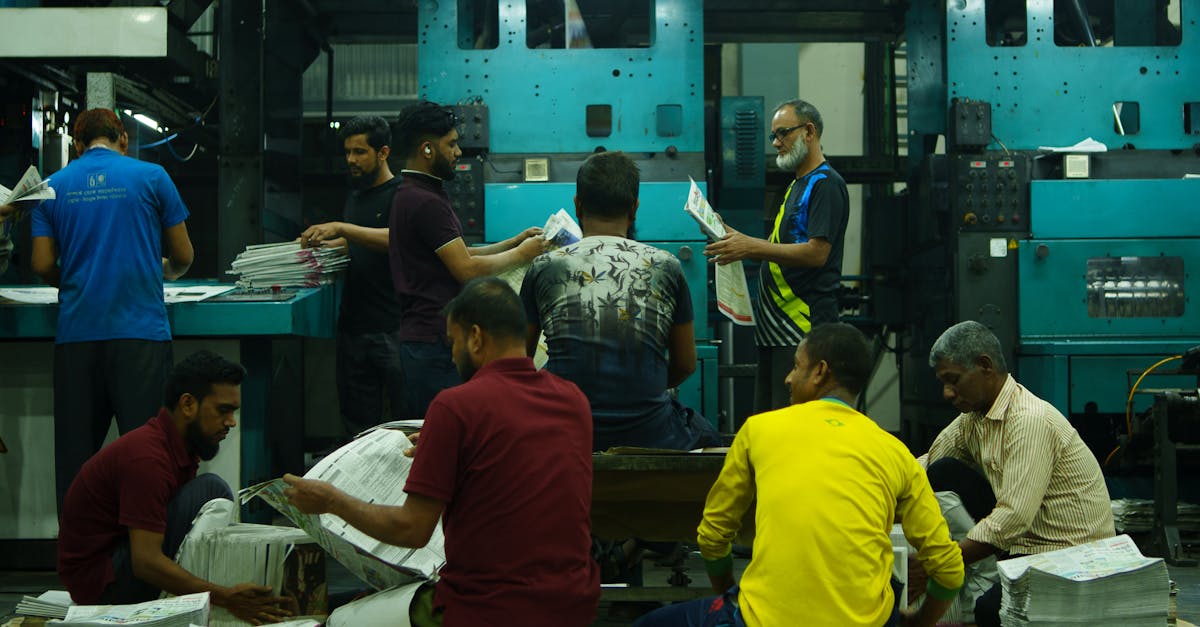
Let me walk you through it, because the magic isn’t really magic. It’s a lot of very precise, slightly boring machinery operated by people who know it inside out. First, there’s the cover. This is where you get creative with materials. Laminated card, leatherette, textured paper. Then the printing — usually offset printing for bulk runs. This gives you the sharpest detail and the truest colours. We’re talking about printing intricate patterns, full-bleed photographs, gradient logos. Anything you can put in a digital file, we can put on a cover. Then there’s the inside. This is the part most people forget. Creative printing isn’t just for the cover. You can customize every page. Custom headers, footers, page numbers. You can have motivational quotes at the bottom of each page. You can have different ruling patterns in different sections — graph paper for sketches, lined paper for notes, blank pages for mind maps. The binding itself can be a creative choice. A brightly coloured spiral coil. A perfect-bound spine with the company name stamped in foil. Every single element is a chance to reinforce the brand. Real-life micro-story: Rohan, 42, runs a chain of yoga studios in Hyderabad. He needed notebooks for his teacher training programs. He didn’t just want a logo. He sent us a watercolour painting of a lotus. We worked it into a soft, muted cover design. Inside, we used a very light grey ruling (instead of harsh blue) and placed a small, simple mantra at the top of each right-hand page. The notebooks became part of the studio’s identity. Teachers bought them for personal use. He told me later it was the best marketing spend he’d made that year — because it wasn’t seen as marketing at all. Everyone looks at price per unit. I get it. Budgets are tight. But you have to look at value per impression. Let’s break it down. See the difference? It’s not about which one is “better.” It’s about which one solves your actual problem. If you need 10,000 exercise books for a government school scheme, standard is perfect. If you’re a startup giving notebooks to potential investors, creative printing is the only thing that makes sense. Okay, let’s talk about the messy part. The biggest mistake I see? Companies coming to us with a beautiful digital design made by their graphic designer… on a screen. Screens use RGB light. Printers use CMYK ink. Sometimes a vibrant neon green on your monitor turns into a dull olive on paper. It’s a heartbreak waiting to happen. The other thing is file resolution. That tiny logo from your website header will look pixelated and terrible when blown up to cover size. You need vector files (.ai, .eps, .pdf). And you need to think about “bleed.” That’s the extra margin around your design that gets trimmed off. If you don’t account for it, you get thin white borders where there shouldn’t be. It looks amateurish. These are the tiny, technical details that separate a good supplier from a great one. A great manufacturer will guide you through this, not just take your file and hope for the best. We ask a lot of questions upfront. It saves everyone time, money, and disappointment later. Anyway. Where was I. Right — the process. Once the files are perfect, we make a proof. This is non-negotiable. You must approve a physical proof or a high-quality digital mockup before we run 40,000 copies. This is your last chance to catch errors. I’ve seen commas in the wrong place, typos in the company motto, colours that are just… off. Check it. Then check it again. Look, we live in a digital world. Everything is emails and Slack and cloud storage. Precisely because of that, a physical, well-made notebook has more impact than it did twenty years ago. It’s a tangible piece of your brand in a world of pixels. It has weight. Texture. It doesn’t disappear with a swipe. For businesses, it’s a loyalty tool. For schools, it’s a point of pride. For a distributor, it’s a product that sells itself off the shelf because it looks different. Creative printing is what makes that possible. It’s the bridge between your idea and an object people want to hold onto. And honestly? Most people know this already — they just don’t know how to get from A to B without the process feeling like a black box. That’s the part I care about. Demystifying it. If you’re thinking about a custom order, the first step isn’t picking a paper GSM. It’s being clear about what you want that notebook to do. Is it a gift? A training tool? A retail product? Start there. The rest — the sizes, pages, rulings — falls into place after. It varies, but for truly custom work (unique cover and interior design), most serious manufacturers will have an MOQ. For us, it’s usually around 500 pieces. This is because setting up the printing plates and doing test runs has a fixed cost. Below that, it’s often not economical for either of us. For simpler logo imprints on standard notebooks, quantities can be lower. Longer than a standard order. Always. Once you approve the final design and proof, production might take 2-3 weeks for a run of several thousand. But the design and proofing stage can add another 1-2 weeks. Don’t leave it to the last minute. A good rule of thumb is to start the conversation at least 6-8 weeks before you need the notebooks in hand. Mostly, yes. Standard 54-70 GSM writing paper takes print well for interiors. Covers are a different story — we use thicker, coated card stock that’s specifically made for high-quality printing. If you want printing on special paper like handmade or textured stock, we need to test it first. Some papers absorb ink differently. You do. Always. If you provide the design files, they’re yours. If we create a design for you based on your brief, we typically transfer ownership to you upon final payment. This should be clear in your agreement. Never work with a supplier who claims rights to your brand’s design. It is more expensive per unit than bulk standard notebooks. But — and this is the key — you’re not buying the same product. You’re buying a marketing asset, a brand builder, a premium gift. The cost is higher, but the value is exponentially higher. The real question is: what’s the cost of handing out something forgettable? So here’s what I think. Creative printing isn’t a luxury. It’s a tool. A very specific, very powerful tool for when you need a notebook to be more than just paper. It’s for when you need it to carry a feeling, represent a brand, or start a conversation. The process has its complexities — colour matching, file formats, lead times. But that’s what a good manufacturer is for: to handle those complexities so you don’t have to. I don’t think there’s one answer here. Probably there isn’t. But if you’ve read this far, you already know what you’re looking for — you’re just figuring out if the process is straightforward enough to be worth it. It is. You just need the right partner. If you want to talk specifics about a project, reach out. We can look at your ideas and give you a real picture of what’s possible.Here’s what it actually looks like in the factory
The comparison most buyers don’t make (but should)
Consideration
Standard Notebook Printing
Creative / Custom Printing
Primary Goal
Utility. Basic note-taking.
Branding & Experience. Making a statement.
Cover Design
1-2 colour imprint, simple logo.
Full-colour process, graphics, special finishes (foil, UV spot).
Page Customization
Standard ruled/unruled pages.
Fully custom layouts, headers, graphics, mixed paper types.
Perceived Value
Low. Disposable.
High. A keeper, a gift, a tool.
Best Use Case
Internal memos, rough work.
Corporate gifting, client presentations, training materials, retail products.
Emotional Impact
Minimal. It’s a notebook.
Significant. It feels considered, premium, intentional.
The hidden headache (and how to avoid it)
Why this matters more now than ever
Frequently Asked Questions
What’s the minimum order quantity for creative printing?
How long does the creative printing process take?
Can you print on any type of notebook paper?
Who owns the design after printing?
Is creative printing much more expensive?
Wrapping this up