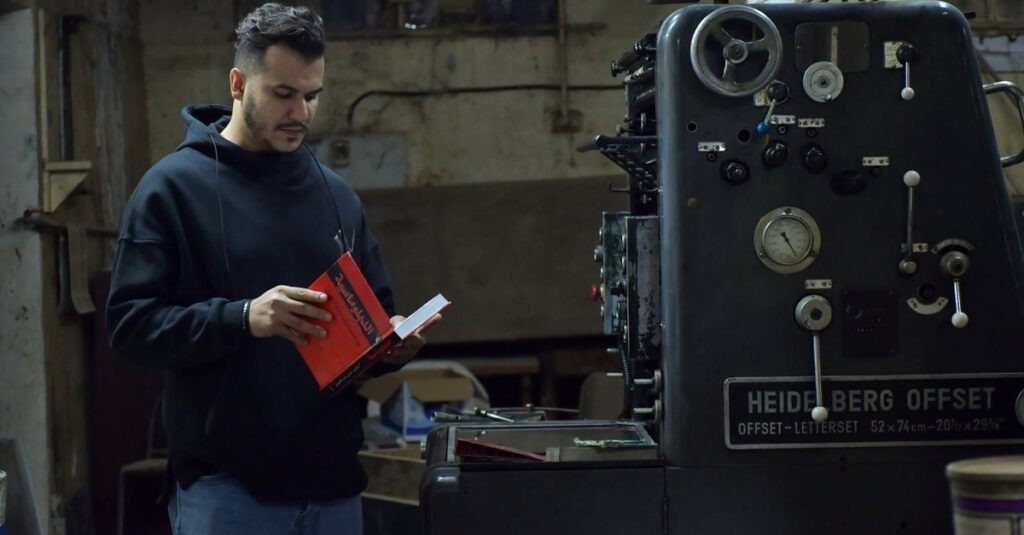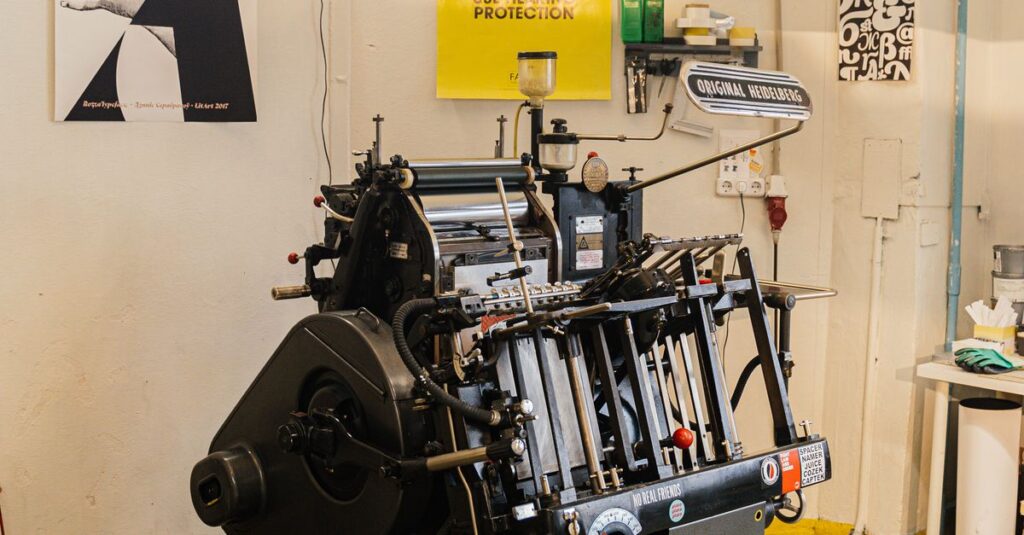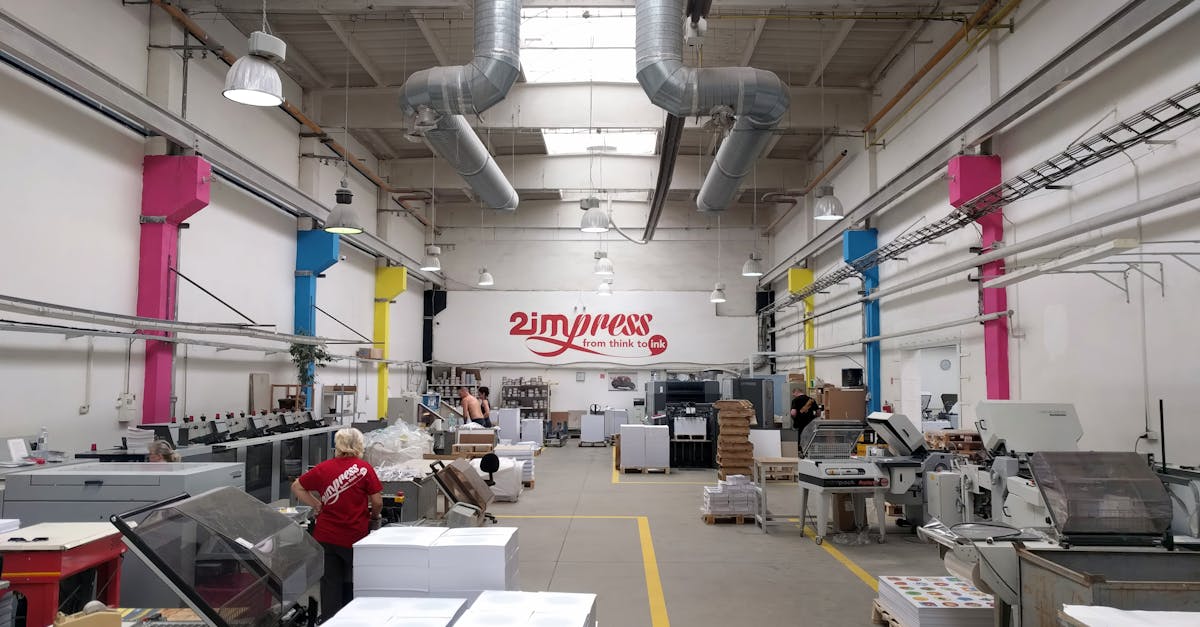
Let's be honest about that logo on the cover
You're not buying a thousand notebooks because you just like notebooks. Let me guess: you're the person responsible for getting them. The procurement manager, the school admin, the guy who has to make sure the whole department gets branded stuff before the conference. You need something specific, on time, and you don't want it to fall apart when someone actually uses it. That's the real job.
And that's what custom and print actually means. It's taking that idea — a logo, a brand, a specific layout for accounting — and making it real, in bulk, without the headache. If that sounds like your current problem, looking at how a manufacturer actually does it might be the first step.
The part everyone gets wrong (and wastes money on)
Most people think custom printing is just about slapping a logo on a cover. That's the surface. The part that actually matters happens before the printer even starts. It's the paper choice, the binding type, the ruling on the pages. Get that wrong, and you've got a warehouse full of beautiful, useless notebooks.
I was talking to a college administrator last week — over a very rushed coffee — and she described ordering 5000 notebooks for freshman orientation. Gorgeous covers. Spiral binding. The spirals all snapped within a month because they were meant for light note-taking, not the heavy-duty scribbling of engineering students. A headache, honestly. And a waste of budget.
A real moment that's probably familiar
Rohit, 42, handles procurement for a chain of coaching centers in Hyderabad. His job is to source materials that don't fail. Last quarter, he ordered 15,000 custom notebooks. The sample was perfect. The bulk shipment? The pages were thinner than promised. The ink smudged. He spent three weeks on the phone, trying to get a partial credit, while dealing with complaints from center managers. He didn't sleep much. He ate lunch at his desk. The stress was a low-grade hum in the back of his skull, every single day.
Which brings me to the only thing that matters here: knowing what you're buying.
Your custom notebook is a stack of tiny decisions
Look, I'll just say it. When you order custom, you're not ordering a product. You're ordering a process. And you need to know the steps.
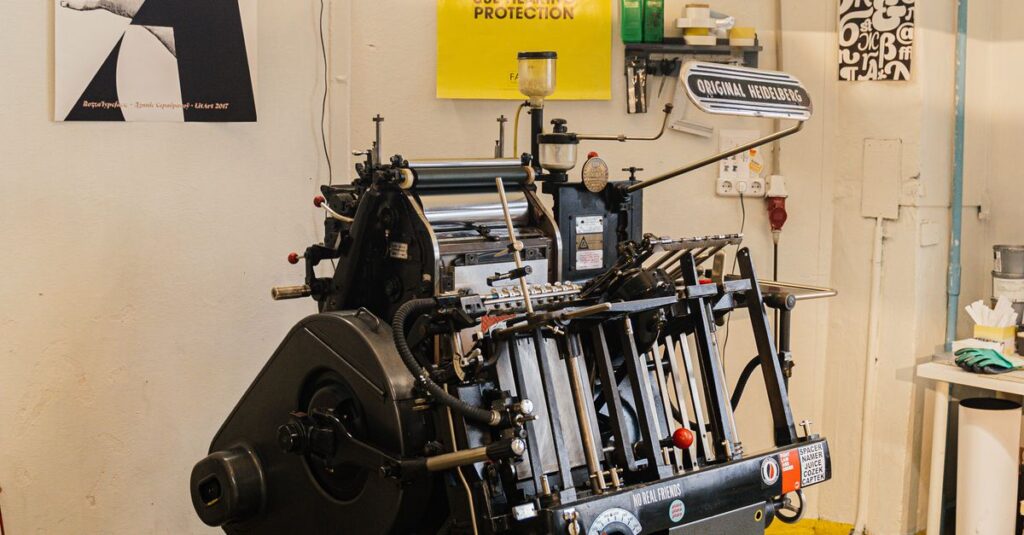
First, the cover. Offset printing for large, solid logo areas. Digital for smaller, variable batches. Then the paper inside — that 54 GSM writing paper we use? It's not the fanciest, but it's the workhorse. It means the ink from a cheap ballpoint won't bleed through to the other side, and a student can erase without tearing the page. Small thing. Big difference in daily use.
Then the binding. This is where people trip up.
- Stitched Binding: The classic. Durable, lies flat. For standard school notebooks, corporate diaries you want to last a year.
- Spiral Binding: Lies completely flat. Great for art books, manuals. But — and this is the key — the spiral wire needs to be thick enough for the page count. A 700-page book with a flimsy wire is a disaster waiting to happen.
- Perfect Binding: That glued, clean edge like a paperback. Looks premium for corporate gifts. Not made for being thrown in a bag every day.
You match the binding to the abuse it'll take. Not to the prettiest picture in the catalog.
And honestly? Most people don't think about this until they're holding a broken notebook. Starting with a supplier who explains this stuff upfront takes the edge off.
Custom vs. Stock: It's not just about the logo
Let's clear this up. You can buy notebooks off the shelf. They're cheaper per unit. The turn-around is fast. But you get what everyone else gets.
Custom means control. It means the school crest is on the cover in the right shade of blue. It means the first ten pages are pre-printed with the company code of conduct for the new hire diaries. It means the graph paper has a specific grid size for the architects in the firm.
But — okay, let me rephrase that. Custom *should* mean control. Sometimes it means delays, miscommunication, and a final product that's "close enough." Nine times out of ten, that comes down to the manufacturer's process. Do they have in-house design checks? A physical proof stage? A single point of contact?
In my experience working with corporate buyers, the ones who get good results are the ones who ask about the process first, and the price second. The question isn't whether you need custom. It's whether your supplier can actually deliver what you're picturing.
Expert Insight
I was reading an industry report last month and one line stuck with me. It said that for bulk institutional buyers, the primary cost isn't the unit price of the notebook. It's the total cost of ownership — which includes the time spent managing the order, the cost of replacements for defective units, and the reputational hit if the product fails. I don't have a cleaner way to put it than that. A cheap notebook that breaks costs you more than a reliable one. Every single time.
The comparison that actually helps you decide
Alright. Let's get practical. You're trying to choose a path. Here's a breakdown that makes it obvious.
| Decision Point | Going with a Stock Notebook | Investing in Custom & Print |
|---|---|---|
| Lead Time | Fast. Maybe a week. | Longer. 4-6 weeks for design, proofing, production. |
| Cost Per Unit | Lower upfront. | Higher. You're paying for setup, plates, specific materials. |
| Branding Impact | Zero. It's a generic product. | High. Your logo, your colors, your message. |
| Function Fit | You adapt to the notebook. | The notebook is built for your exact need. |
| Long-term Value | Disposable. Replaced often. | Builds brand recognition every time it's used. |
| Order Complexity | Simple. Pick a size, add to cart. | Needs clear specs, a proof, and a good partner. |
The table shows one thing pretty clear: if you need branding, or a specific function, stock won't cut it. But you need the bandwidth to manage the custom process. You can't rush it.
How to not get lost in the print run (a practical list)
So you've decided to go custom. Good. Here's what you do next, in order. Think of it as a checklist that prevents night-before-the-conference panic.
- Define the "Why" First: Is this for brand visibility? A specific function (like accounting sheets)? Employee morale? Nail this before you talk to anyone.
- Gather Your Assets: Have your high-resolution logo. Know your brand colors (Pantone codes, if you have them). Have any mandatory text (disclaimers, codes) ready in a Word doc.
- Spec Out the Guts: Not just the cover. Page count? 92 pages or 240? Ruling? Single ruled for notes, or four-ruled for younger kids? Paper weight? This is the part most people skip.
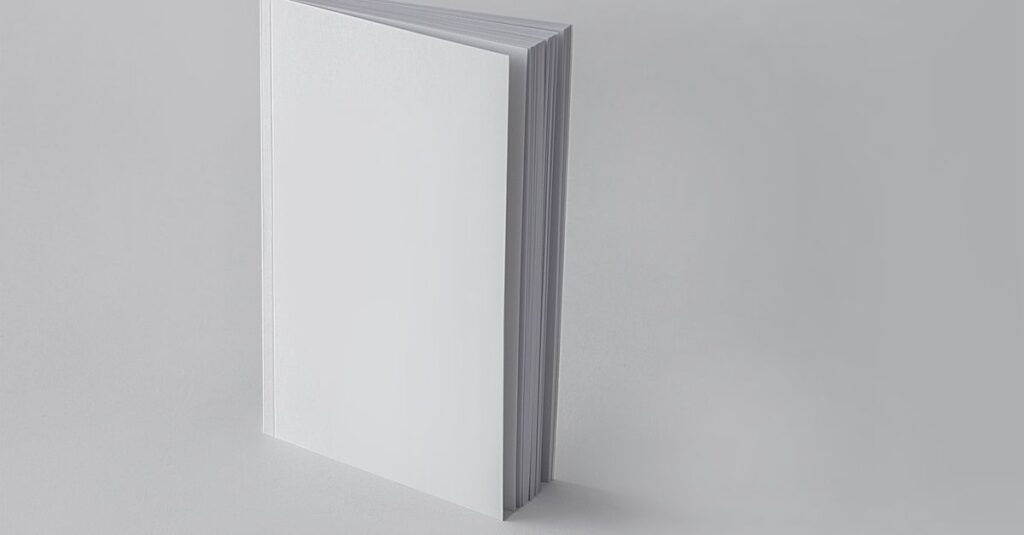
- Ask for a Physical Dummy: Any decent manufacturer can make a blank dummy — the actual size, binding, and paper — before printing. Insist on it. Feel it.
- Get a Printed Proof: Before they run 10,000 units, they should send you one printed copy. Check color, alignment, spelling. Under a bright light.
This isn't about being difficult. It's about being clear. A manufacturer worth their salt will guide you through this. If they try to skip steps to go faster, that's a red flag.
Which is… a lot to sit with. But it's better than the alternative.
Frequently Asked Questions
What is the minimum order quantity for custom printed notebooks?
It varies, but for it to be cost-effective for the setup (plates, design time), most serious manufacturers need at least 500-1000 units. For simpler, single-color prints on standard stock, you might find lower MOQs. Always ask.
How long does the custom and print process take from start to finish?
Don't expect miracles. A proper job needs 4 to 6 weeks. That includes design, proofing (where you approve it), production, and shipping. Rushing it usually means compromising on quality or accuracy.
Can I print full color on the notebook covers?
Absolutely. Offset printing handles full-color, photorealistic images beautifully. It's standard practice. The real question is the paper quality of the cover — a thicker, coated stock will make those colors pop more than a thin matte sheet.
What file formats do you need for my logo or design?
Vector files are king. Send .AI, .EPS, or .PDF files. These can be scaled infinitely without getting fuzzy. If you only have a .JPG or .PNG, make sure it's very high resolution (at least 300 DPI at the print size).
Do you handle shipping for large bulk orders?
Yes. Any manufacturer supplying institutions or doing export will have logistics partners. They should quote you a landed cost — price of the notebooks plus packing and shipping to your location. This is crucial for budgeting.
The short version
Custom notebook printing turns your idea into a physical tool. It's a process, not a product. The value isn't just in the logo — it's in the fit, the durability, and the silent brand message it sends every day.
I don't think there's one perfect way to do it. Probably there isn't. But if you've read this far, you already know what you need — you're just figuring out how to get it done right. If you want to talk specs with someone who's been doing this since 1985, that's a conversation worth having.