Look, let's start with the obvious question.
When someone searches for a “blank page notebook,” what are they actually looking for? Because it sounds so simple. A notebook with blank pages. Right? But after 40 years in this business, I can tell you — nobody calls us up just to talk about blank paper. The call comes when they need to order five thousand of them for a school district. Or when a corporate branding team needs a specific size, weight, and feel for a client gift. The blank page is just the starting point. The real conversation is about everything that surrounds it.
And honestly? That makes complete sense. If you're a procurement manager, a school administrator, or a distributor, you're not buying a feeling. You're buying a physical product that needs to arrive on time, fit a budget, and not fall apart when a student shoves it in a backpack. The blank page is the promise. The notebook is the delivery. And that gap between promise and delivery? That's where most of the headaches happen. If you've been there before, you know exactly what I mean.
So, what is a blank page notebook, really?
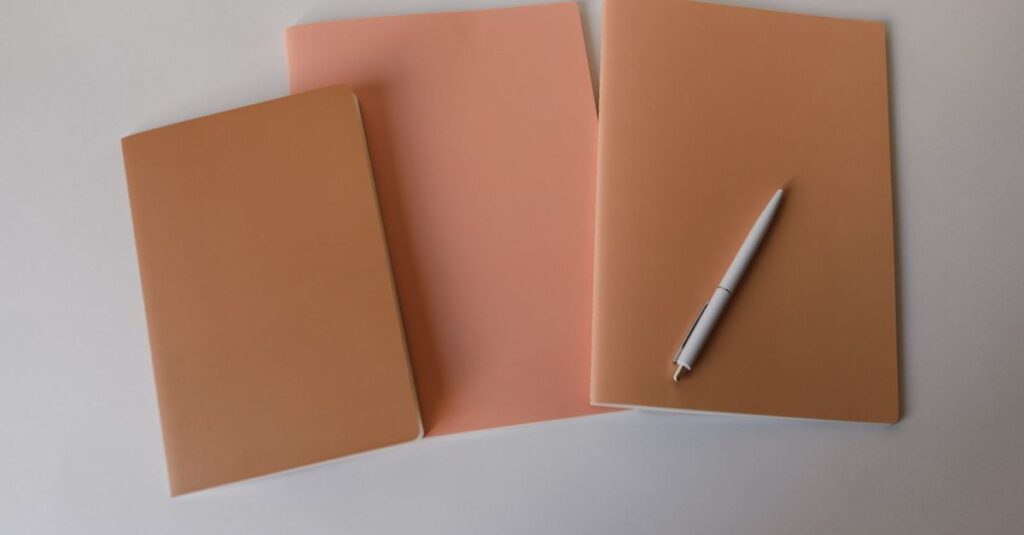
It's not just “unruled.” That's the first thing. In our factory, we call them UR notebooks — Unruled. But that single term covers a huge range. Is it for sketching? Then you need heavier paper, maybe 70-80 GSM, something that won't bleed with ink. Is it for meeting notes in a corporate boardroom? Then the cover matters. The binding matters. The feel of the paper matters — that slight tooth, that smoothness. It sends a message before anyone writes a word.
Most people don't realize how much goes into a simple blank book. The paper weight. The binding type — will it lie flat? The cover material. The page count. I've seen companies order beautiful, thick-paged blank notebooks as executive diaries, only to find the binding cracks after a month because it wasn't meant for that many pages. The blank page is passive. It's everything holding it together that does the actual work.
Here's the thing — when you're ordering in bulk, you can't afford to get this wrong. A thousand notebooks with paper that's too thin feels cheap. A thousand with paper that's too thick blows your budget and your shipping costs. You need to know what you're asking for. Or better yet, you need to work with someone who can translate your need into the right specs.
The real-world use cases (it's never just one thing)
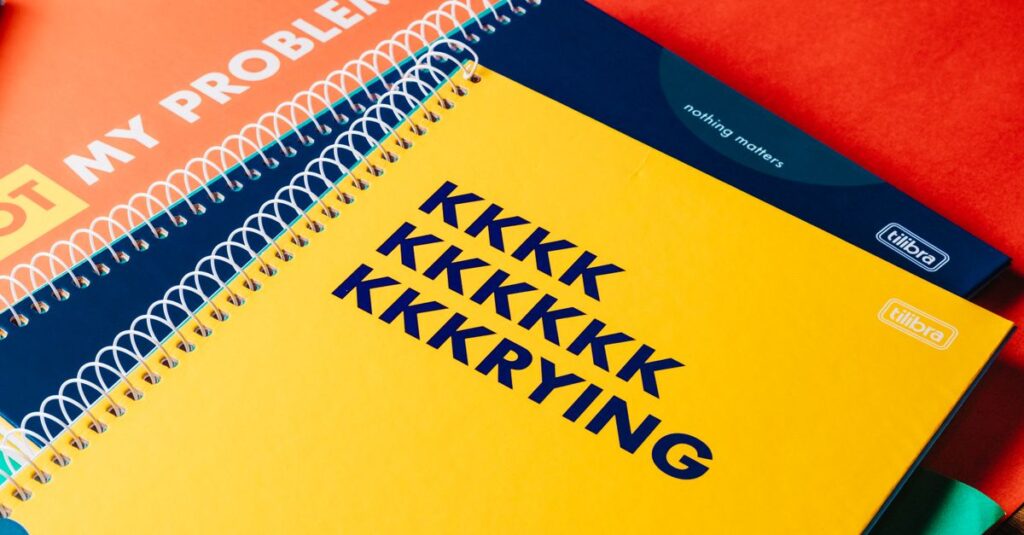
I was talking to a procurement guy from a big international school in Hyderabad last month. Over chai, actually. He said their art department wanted “blank page sketchbooks.” Standard request. But then he explained: the students used everything from pencil to heavy acrylics. The notebooks needed to handle that. They also needed to be affordable enough for every kid in the class. And durable enough to survive a term. One product. Three completely different demands from paper quality, cost, and binding.
That's the norm, not the exception. Let me break down who actually buys these in bulk and why:
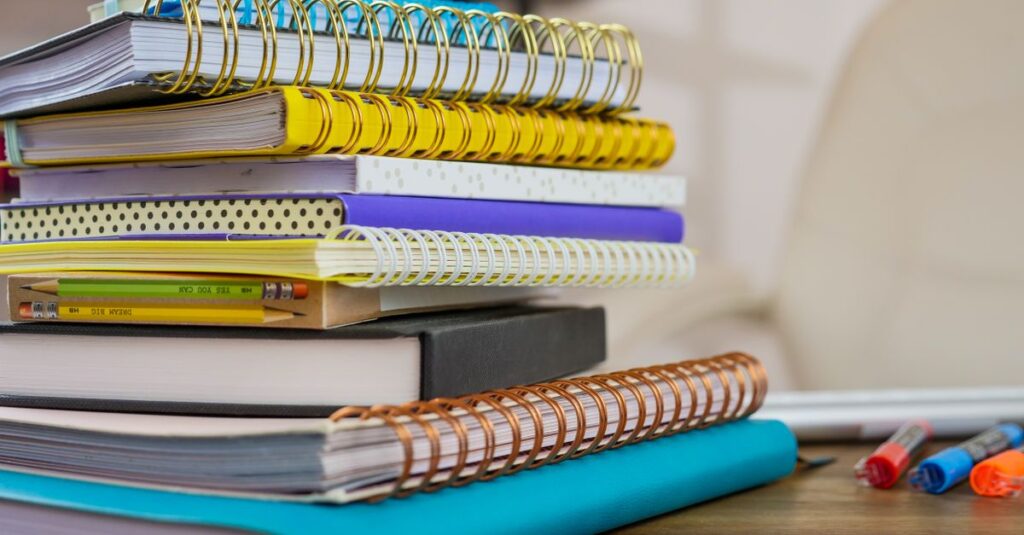
- Schools & Colleges: For art classes, diagramming in science, rough work. They need cost-effective, durable notebooks. Often in the Short or Long size. The binding has to survive a backpack. This is probably the biggest volume.
- Corporate Offices: Brainstorming sessions, client meetings, design thinking workshops. Here, the notebook is a tool, but also a brand piece. They often want logo printing, nicer covers (maybe leatherette), premium paper. It's about perception.
- Stationery Distributors & Wholesalers: They stock the range. They need to know which blank page notebook sells in which market. A distributor in Dubai might want A4-size, thick-paged books for offices. A wholesaler in a smaller Indian town needs the affordable, 52-page crown size for schools.
- Creative Agencies & Design Firms: They want the paper to feel a certain way. They talk about “tooth” and “show-through.” This is where GSM (grams per square meter) becomes the only thing that matters. They'll pay more for the right feel.
Anyway. The point is, “blank page” means something different to each of them. The mistake is thinking it's a single product. It's a category. And your job is to find the right version inside that category.
A quick story that stuck with me
Rohan, 38, procurement lead for a tech startup in Bangalore. They ordered 500 custom blank notebooks as swag for a developer conference. Wanted them to feel “premium and minimalist.” They got them. Beautiful, hardcover, thick ivory paper. Feedback after the conference? The developers loved them… but they didn't use them. The binding was too tight. The book wouldn't lay flat on a small desk. They were designed to look at, not to write in. A tiny spec error — the binding tension — completely changed the product's function. He told me this over email, and I could feel the frustration. A good idea, sunk by a detail nobody thought to ask about.
Choosing the right blank page notebook: A spec breakdown
Okay, so how do you pick? Let's get practical. You're looking at a supplier's list. It's a table of sizes, page counts, GSM. Here's what those numbers actually mean for a blank page book.
Size Matters (More Than You Think):
King Size (23.6×17.3 cm) is your standard school notebook size. Familiar, easy to source. Long Size (27.2×17.1 cm) gives more horizontal space for diagrams, timelines. Account Size (33.9×21 cm) is for big, sprawling ideas — think architects, project planners. The size dictates the use case before the first page is filled.
The Paper Weight (GSM):
This is the heart of it. 54 GSM is our standard writing paper. It's fine for pencil, ballpoint pen. It's affordable. For sketching with charcoal or light ink? Go 70-80 GSM. For heavy marker or paint that might bleed? You're looking at 100+ GSM, and the price jumps. For corporate gifts where you want a luxurious, thick feel? 90-100 GSM ivory paper. Don't just ask for “good paper.” Name the weight. It's the only way to be sure.
Binding – The Make or Break:
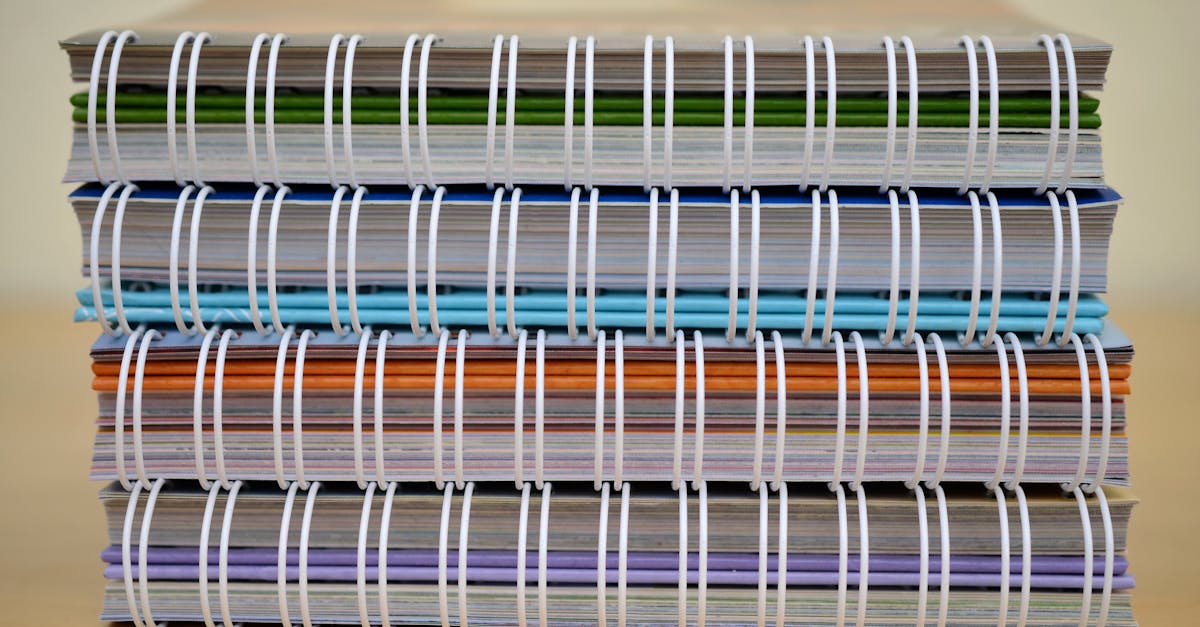
Perfect binding (glued spine) looks clean, professional. But it might not lay perfectly flat. Spiral binding (wire-o) lays absolutely flat, 360 degrees. Essential for artists. But it costs more and can snag. Stitched binding (saddle-stitched or section-sewn) is durable and lays relatively flat. For a school notebook that gets abused, stitched is robust. For a designer's sketchpad, spiral is king. This is probably the most overlooked spec.
Expert Insight
I was reading an industry report last year — one line stuck with me. It said that in bulk notebook manufacturing, the biggest cost driver isn't the paper or the labour. It's the misalignment between spec and use. Over-specifying adds 20-30% to cost for no benefit. Under-specifying leads to rejected shipments and lost contracts. The expert called it “the specification gap.” I don't have a cleaner way to put it than that. The real skill in this job is closing that gap. Knowing that a school doesn't need 90 GSM paper, and a corporate client shouldn't settle for 52 pages. It sounds basic. It's where most deals go sideways.
Blank Page vs. Ruled: Not just a line difference
Earlier I said a blank page notebook isn't just an unruled version of a ruled one. That's not quite fair — technically, it often is. But the manufacturing intent shifts. With ruled notebooks, the printing of the lines is a major step. Alignment, ink consistency, no smudging. With blank page, that step is gone. You'd think that makes it simpler and cheaper.
Sometimes.
But the focus shifts entirely to paper quality and binding. Any imperfection in the paper — a slight discoloration, a rough edge — is visible immediately. There's no grid to hide it. The binding has to be neater. The cover often needs to be stronger, because the notebook's identity comes from the cover, not the internal pattern. So while you save on ruling, you might spend more on paper inspection and binding precision. It balances out. The table below shows where the priorities really land.
| Consideration | Blank Page Notebook | Standard Ruled Notebook |
|---|---|---|
| Primary Focus | Paper quality & feel, Binding durability | Line printing accuracy, Consistency of ruling |
| Common Paper GSM | 70-100+ GSM (for premium feel) | 54-70 GSM (standard writing) |
| Cover Importance | High – Defines the product | Medium – Often standardized |
| Ideal Binding | Spiral (lay-flat), Premium stitching | Stitched, Perfect binding |
| Bulk Order Driver | Specific use-case (art, design, meetings) | General academic/administrative use |
| Customization Point | Cover design, Paper type, Binding color | Cover design, Rule type (SR, DR, etc.) |
See? Different products. Different thought processes. Ordering one like the other is where you waste money.
Private label and custom manufacturing: Your brand on a blank slate
This is where it gets interesting. Maybe you're not just buying blank notebooks. Maybe you're putting your logo on them. Your company name. Your school crest. A custom cover design. Now the blank page becomes a canvas in two ways — for the user, and for your brand.
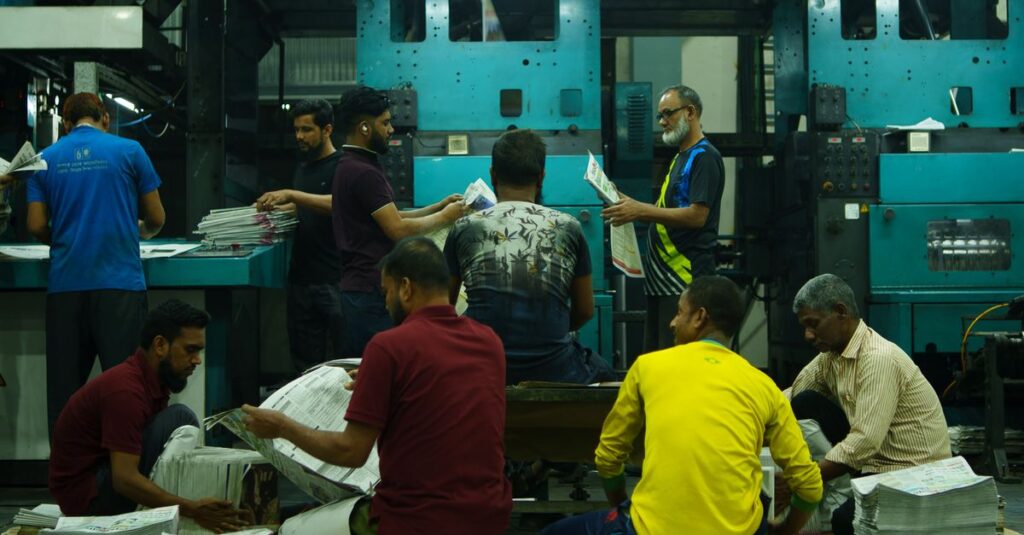
The process is straightforward, but the details… they matter. You send a design. We work on the cover printing — offset for large runs, digital for smaller, flexible batches. We choose the paper that matches your brand voice (is it eco-friendly recycled? Is it sleek and premium?). We decide on the binding. We produce samples. You approve. Then we run your 5,000 or 50,000 units. It sounds linear, but the back-and-forth on that sample stage is everything. Getting the color right. The embossing depth. The feel of the cover material.
I think the most common feedback we get is — “The sample looked darker on my screen.” Which is true. Screen vs. print is a whole world of difference. That's why physical samples aren't a luxury. They're a necessity. Don't skip that step, even if you're in a hurry. Rushing a custom print job is a guaranteed way to end up with a box of notebooks you can't use.
And look, if you're an international buyer, this is your playground. Finding a manufacturer who can handle the export paperwork, the quality consistency, and the communication is the real trick. The notebook itself is almost the easy part.
So, what should you do next?
If you're sourcing blank page notebooks in bulk, start with the use case. Not the product. Who is using it? How? Where? Answer that, and the specs — size, GSM, binding, page count — start to write themselves.
Then, find a manufacturer who asks those questions with you. Someone who doesn't just send a price list, but who understands that a notebook for a first-grade art class is a different machine from a notebook for a corporate retreat. The right partner saves you money by preventing over-engineering. They save you headaches by getting the specs right the first time.
I don't think there's one perfect blank notebook. Probably there isn't. But if you've read this far, you already know what you need it to do — you're just figuring out how to translate that into an order that makes sense. Sometimes, that starts with a conversation about the details you might have missed.
Frequently Asked Questions
What is the most common paper weight (GSM) for a blank page notebook?
It depends entirely on use. For standard school or office notes with ballpoint pens, 54-70 GSM is common and cost-effective. For sketching, diagramming, or a premium feel, 80-100 GSM is better. Higher GSM means thicker, more opaque paper that resists bleed-through, but it also increases cost and weight for shipping.
Can I get custom-sized blank page notebooks manufactured?
Yes, absolutely. While standard sizes (King, Long, Short, Account) are most efficient and affordable for bulk orders, many manufacturers offer custom sizing. Be prepared for slightly higher costs due to custom cutting setups and potential minimum order quantities. Always request a physical dummy sample before confirming a custom size run.
What is the best binding for a sketchbook or art notebook?
For any blank page book meant for drawing or painting, spiral binding (wire-o) is usually best. It allows the book to lay completely flat, making it easier to work across the entire page, especially near the spine. Stitched binding can also work well if done for lay-flat, but spiral is the most reliable choice for artists.
How many pages should a bulk blank notebook have?
Standard options are 52, 92, 200, 240, or 320 pages. For students, 92-200 pages is typical for a term. For corporate notepads, 52-92 pages is common. For serious sketchbooks or project notebooks, 200+ pages. More pages mean a thicker spine and potentially a need for heavier-duty binding. Match the page count to the intended lifespan of the book.
What are the key things to check in a blank page notebook sample?
First, the paper: feel it, write on it with the pen you intend to use, check for show-through on the back. Second, the binding: open it to the middle, does it lay flat? Is it secure? Third, the cover: check print quality, color accuracy, and material durability. Fourth, the edges: are they cleanly cut? This tells you about manufacturing quality control.