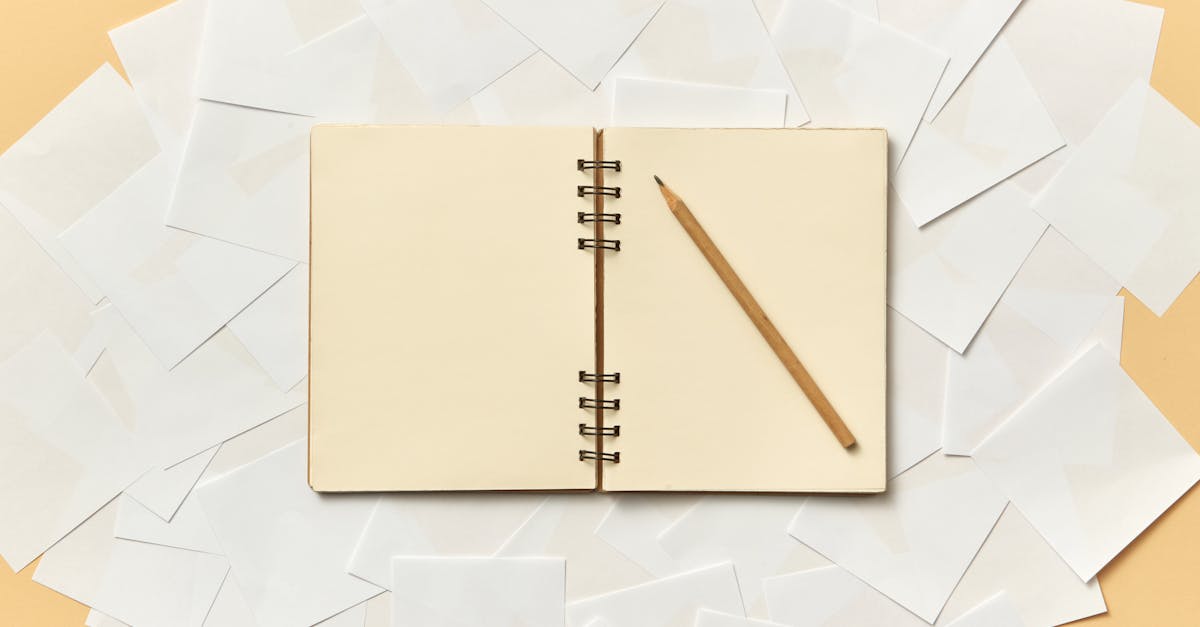
Okay, let’s talk about blank notebooks
You order notebooks all the time. School supply lists, corporate gift packs, branded merchandise for your team. You check the specs: 52 pages, spiral binding, A5 size, single ruled. Done. It’s a habit. But every now and then, someone asks for a blank notebook — an unruled one — and it throws you off. Why would anyone want that? Isn’t it… less useful?
Here’s the thing. The blank notebook is the quiet rebel in the stationery aisle. It’s not a mistake, or a lack of design, or a cheaper option. It’s a deliberate choice. And it’s a choice that a lot of companies, schools, and creative teams are making more often than you’d think. If you’re managing procurement and this request keeps popping up, it might be worth understanding why.
What is a blank notebook, really?
Technically, it’s a notebook with unruled pages — no lines, no grids, just plain, smooth paper. In our manufacturing world, we call it UR (Unruled). But it’s more than just a ruling type. It’s a canvas. Think about the last time you doodled a quick idea on a scrap piece of paper during a meeting. That’s the space a blank notebook gives you, intentionally.
I was talking to a procurement manager from a tech startup in Hyderabad last week — over a slightly frantic WhatsApp call — and she said something I keep thinking about. She’d ordered a batch of custom notebooks for her design team. Half were ruled, half were blank. The blank ones were gone from the supply closet in two days. The ruled ones sat there for weeks. “They didn’t want structure,” she said. “They wanted a place where their ideas weren’t already shaped by lines.”
It makes sense, right? A ruled page tells you what to do: write in lines, stay organized, be linear. A blank page asks you what you want to do.
The manufacturing side of “blank”
From our factory floor perspective, making a blank notebook isn’t simpler. It’s the same process. We’re still sourcing the 54 GSM writing paper that feels smooth but doesn’t bleed ink. We’re still stitching or binding it with the same machines that run 30,000 notebooks a day. The only difference is skipping the ruling printing pass. But that skip changes everything for the person who ends up using it.
Three things happen when you switch to blank:
- Your brain stops trying to fit things into boxes.
- You start connecting ideas with arrows, sketches, circles — things lines would interrupt.
- The notebook stops being a record and starts being a tool.
Which is… a lot to sit with if you’re just used to ordering the standard stuff.
Who actually uses blank notebooks? (It’s not just artists)
Look, I’ll be direct. Most procurement folks assume blank notebooks are for artists or school drawing classes. That’s true, but it’s a tiny slice of the demand. The real bulk orders come from places you wouldn’t expect.
Corporate teams and strategy sessions
I’ve seen it enough times now. A company orders 500 custom logo notebooks for a big quarterly planning meeting. They specify 80% blank, 20% ruled. The blank ones go to the breakout sessions — the brainstorming rooms. The ruled ones go to the people taking minutes. The blank page becomes a shared thinking space. Mind maps get drawn. Prototypes get sketched. It’s collaborative in a way a ruled notebook can’t be, because there’s no preset format arguing with you.
Schools and universities (beyond drawing)
Yes, drawing books are blank. But more schools are asking for blank notebooks for science labs and math classes now. Why? For diagrams. For graphing freehand before they learn the formal grid. For geometry sketches. A student trying to draw a chloroplast structure on a ruled page is fighting the paper. On a blank page, they’re just drawing. The request often comes bundled with a bulk order of regular notebooks — a 10% mix of blank ones. It’s a small change that teachers keep asking for.
International buyers and private label
This one surprised me at first. We export notebooks to the UK, Australia, parts of Europe. The requests for blank, unruled notebooks from these markets are higher. Maybe it’s a different approach to note-taking. Maybe it’s the rise of bullet journaling (which often starts on blank paper). But when an international buyer asks for a private label run, they frequently ask about the option of unruled pages. They see it as a premium, creative option — not a basic one.
Anyway. Where was I.
Blank vs. Ruled: A procurement comparison
When you’re evaluating a bulk order, you’re comparing cost, utility, and user satisfaction. Here’s how blank and ruled notebooks stack up on the factory and user side.
| Factor | Blank Notebook (Unruled) | Ruled Notebook (Single Ruled) |
|---|---|---|
| Primary Use Case | Brainstorming, sketching, mind mapping, freeform notes. | Structured writing, lecture notes, official records, linear lists. |
| Perceived Value | Often seen as a premium, creative tool in corporate settings. | Viewed as the standard, functional workhorse. |
| Custom Printing Flexibility | Higher. Logo or branding on cover stands out as the only design element. | Logo shares space with printed lines, can feel cluttered. |
| Manufacturing Cost | Slightly lower (no ruling print pass). Same paper, binding, cover cost. | Slightly higher (extra printing step for lines). |
| Bulk Order Mix | Often ordered as a 10-30% mix within larger ruled orders. | Typically the 70-90% majority of any bulk school/corporate order. |
| User Feedback (from our clients) | “Teams fought over them.” “Wanted more next time.” | “Expected. Satisfied. No complaints.” |
| Binding Preference | Spiral binding often preferred for flat, open sketching. | Stitched or perfect binding works fine for writing. |
The takeaway? Blank isn’t the alternative. It’s the complement.
Why businesses order custom blank notebooks
Most people don’t realize this, but when a company invests in custom printed notebooks — with their logo, their colors, their slogan on the cover — they’re not just buying stationery. They’re buying a culture tool. And a blank notebook, in that context, sends a specific message.
It says: “Think outside the lines.” Literally.
A corporate diary with ruled pages says “record your meetings.” A custom blank notebook says “create what’s next.” That’s a subtle but powerful shift in internal messaging. I’ve seen companies use them for innovation workshops, hackathons, new product brainstorming. The notebook itself becomes part of the experience.
And from a pure procurement standpoint, custom printing a blank notebook is often cleaner. The cover design doesn’t compete with internal ruling. The brand feels more prominent. The notebook looks more like a deliberate gift, not just a supplied item.
Expert Insight
I was reading something last month about how physical tools shape thought. One line stuck with me. The researcher said something like — the medium you choose to capture an idea can either expand it or constrain it, before you even start. A blank page is a medium of expansion. A ruled page is a medium of constraint. Both are useful. But you have to know which one you need.
I don’t have a cleaner way to put it than that. In our forty years of making notebooks, the shift towards more blank notebook requests isn’t about fashion. It’s about how work is changing. Less linear reporting, more visual thinking.
How to specify a blank notebook for bulk order
Right. If you’re ready to add blank notebooks to your next order, here’s what you need to know. It’s not complicated, but a few specifics save time.
- Call it “UR” or “Unruled”: In manufacturing specs, that’s the standard code. Just ask for UR pages.
- Choose the right paper weight: For sketching or marker use, you might want a heavier GSM paper (like 70-80 GSM) to prevent bleed. For standard writing, our 54 GSM writing paper is perfect.
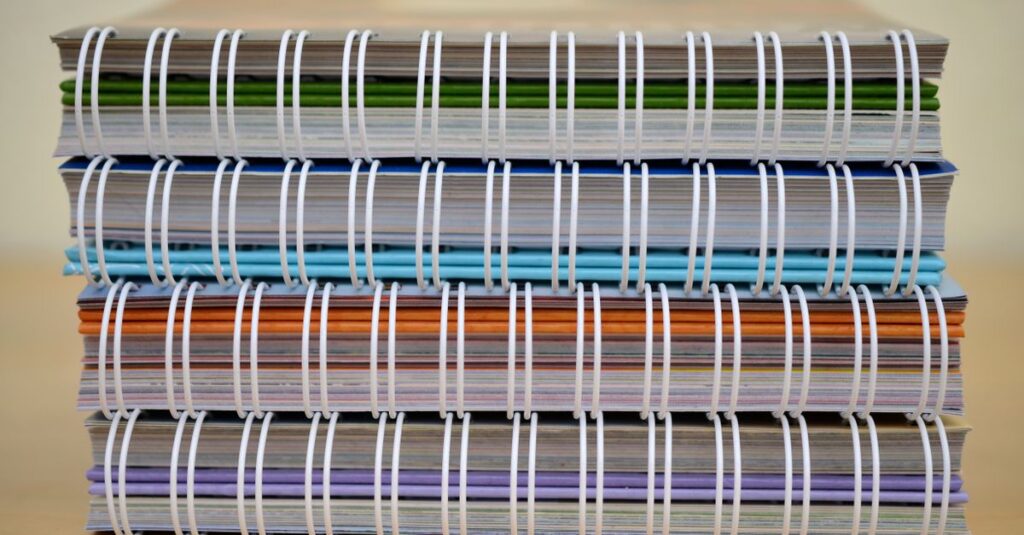
- Consider binding: For a notebook that will be opened flat on a table for group sketching, spiral binding is best. For individual use, stitched binding is fine.
- Cover design matters more: Since the inside is blank, the cover becomes the sole branded element. Invest a bit more thought here.
- Mix them: Don’t switch your entire order to blank. Start with a mix. Maybe 20%. See how they’re used.
And honestly? That’s it. The manufacturing process is identical. The cost is similar. The only real difference is what happens after they leave our factory in Rajahmundry.
Frequently Asked Questions
Is a blank notebook cheaper to manufacture than a ruled one?
Yes, slightly. Because we skip one printing pass for the ruling lines. The paper, binding, cover, and labor costs are the same. So the per-unit price is often a bit lower, which can make a difference in large bulk orders.
Can we get a mix of blank and ruled pages in the same notebook?
Absolutely. It’s called a “mixed ruling” notebook. You can specify, for example, 50% blank pages and 50% single-ruled pages in the same binding. This is popular for student notebooks or corporate diaries where users want both options.
What paper GSM is best for a blank notebook?
For general writing and doodling with pens, our standard 54 GSM writing paper is smooth and doesn’t bleed. If you know the notebooks will be used with heavy markers or paints, ask for a thicker paper, like 70 GSM or above. We can do that.
Are blank notebooks only for drawing?
Not at all. That’s the most common misconception. Businesses use them for brainstorming, mind mapping, and strategy sessions. Schools use them for science diagrams and geometry. They’re for any thinking that isn’t linear.
Can we print our logo on a blank notebook?
Of course. Custom printing on blank notebooks is very effective because the cover branding isn’t competing with printed lines inside. The logo becomes the sole design focus, making your brand look more prominent and deliberate.
The bottom line on blank pages
So here’s what I think. The blank notebook isn’t a niche product. It’s a different tool. If you’re ordering for a creative team, a school that wants to encourage diagramming, or a company that holds a lot of brainstorming workshops, including a percentage of blank notebooks in your bulk order isn’t an extra — it’s smart procurement.
It signals trust. It gives space. And sometimes, the most important ideas happen outside the lines.
I don’t think there’s one answer here. Probably there isn’t. But if you’ve read this far, you already know whether blank notebooks might fit into your next order — you’re just figuring out if it’s worth the spec change. If you want to talk specs or get a sample, that’s what we’re here for.