The Myth of “Perfect” Binding
Right. You’ve probably heard the term. “Perfect binding.” Sounds flawless, right? Like some magic process that makes notebooks bulletproof. But here’s the thing — it’s not magic. It’s just a specific, incredibly reliable way to glue pages together so they don’t fall out on you. And that matters more than you think. Schools, colleges, businesses ordering diaries in bulk — they aren’t looking for fancy. They’re looking for something that won’t fail. The last thing a procurement manager wants is a call from a department saying “half the diaries are splitting.“ That’s a headache, honestly. So let’s talk about what “perfect” actually means in notebook binding, and why it’s probably the only thing that matters for institutional orders. If you’re sourcing notebooks, this might be worth a look.
What It Is: No Staples, Just Glue
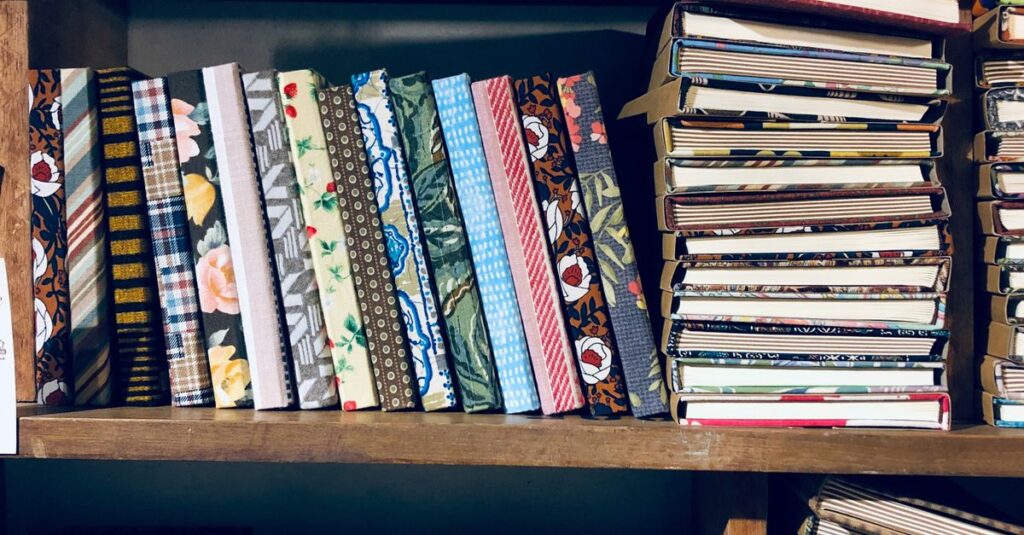
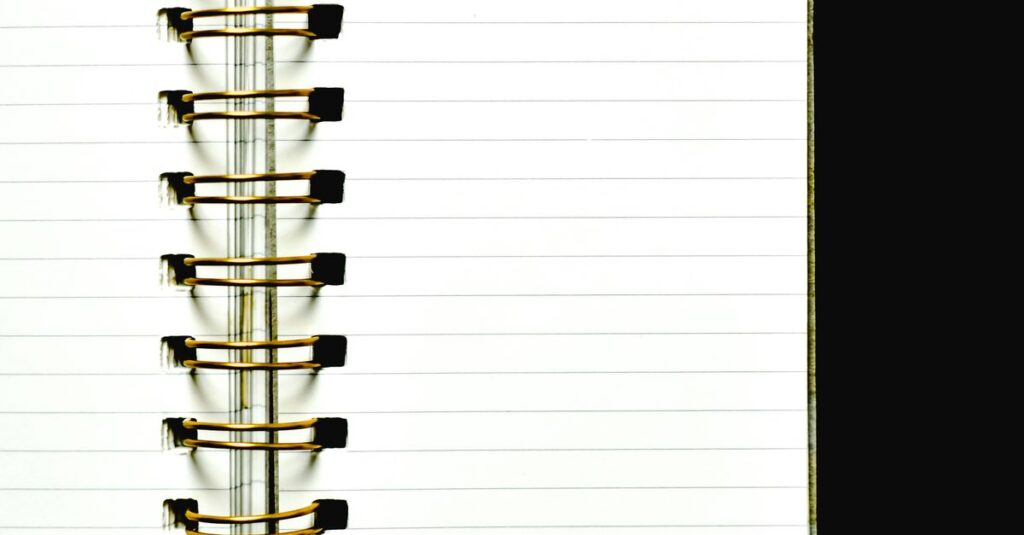
Think about a standard notebook. Spiral binding has metal coils. Stitched binding uses thread. Perfect binding? It uses glue — a strong, flexible adhesive — to hold the entire stack of pages together along one edge. The pages are trimmed flush, creating that smooth, clean spine you see on corporate diaries and premium notebooks. There’s no hardware. Nothing to snag or bend. It just looks… solid. And it feels solid too. Which is the point. For a business giving out branded diaries to employees, or a school distributing notebooks, that solid feel translates to perceived quality. It makes the product feel like a proper tool, not a disposable item. And nine times out of ten, that’s exactly what you want.
How It Actually Works (The Factory View)
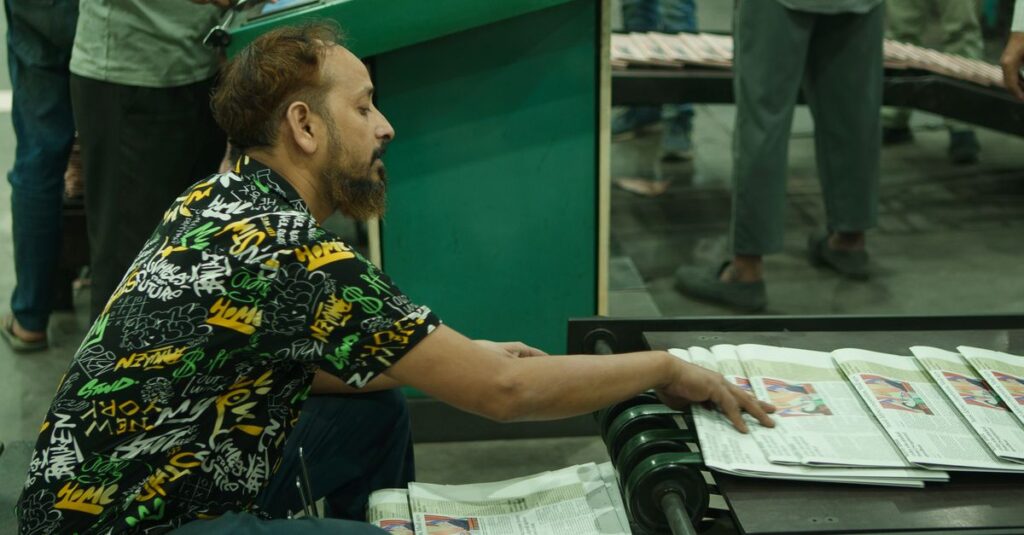
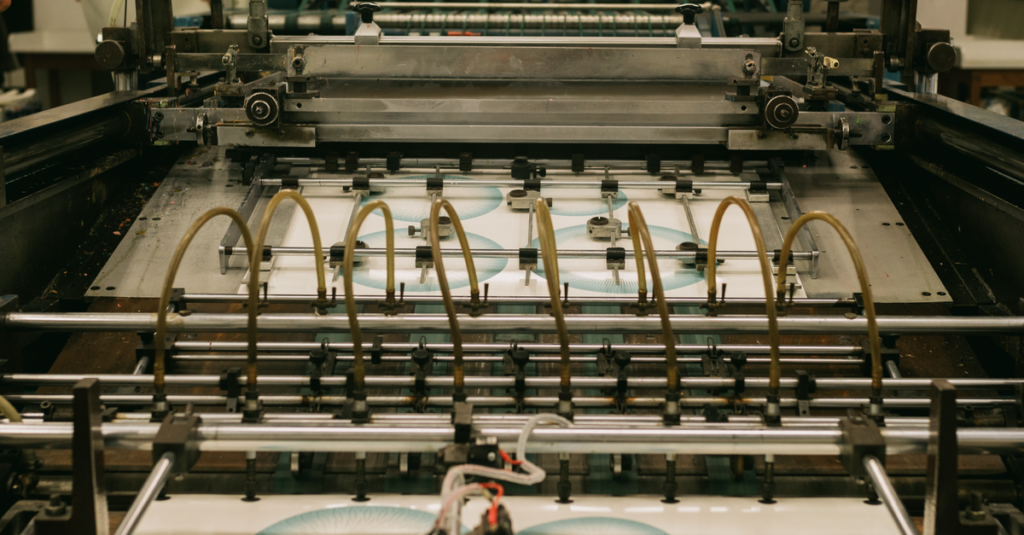
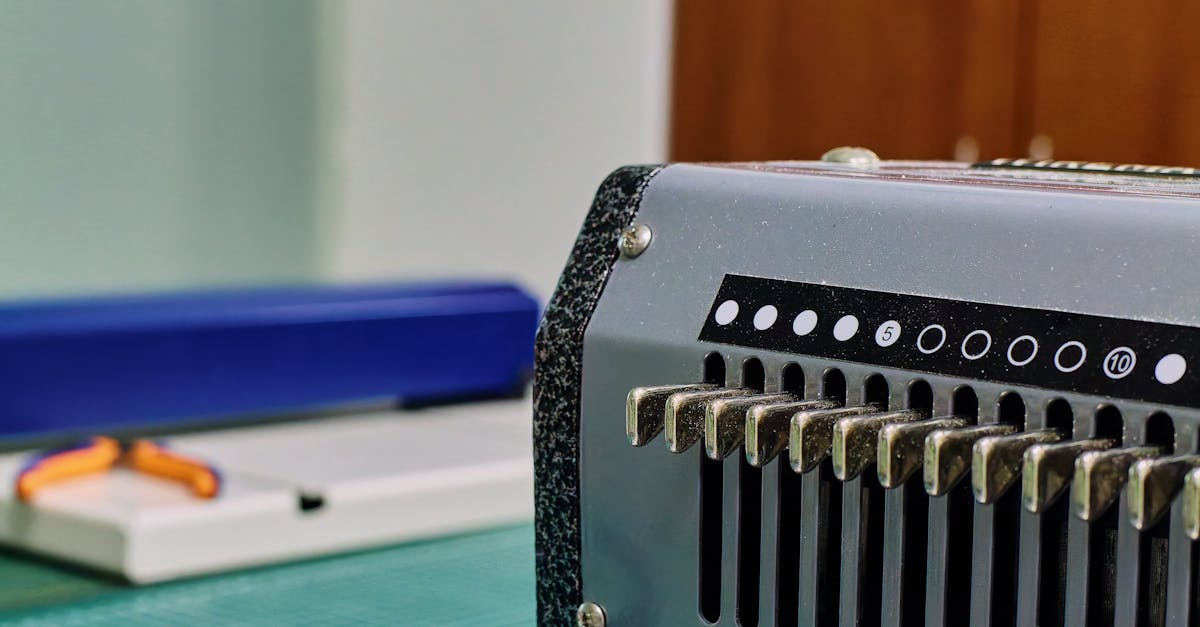
I was in our factory last week watching this process. It’s not complicated, but it’s precise. First, the stacked pages — say, 240 sheets of 54 GSM paper — are clamped together tightly. Then, the edge that will become the spine is roughed up a bit. This isn’t damage; it’s to create a better surface for the glue to grab onto. After that, a layer of hot melt adhesive is applied. It’s not just a dab; it’s a controlled, even coat. Then the cover is wrapped around that glued edge and pressed until it sets. The whole thing cools, and the bond becomes permanent. The precision is in the temperature of the glue, the pressure of the clamp, and the timing. If one of those is off, the bond is weak. We run checks on batches constantly because, in my experience working with government institutions, they will notice a weak spine immediately. They’ll notice because pages will start to detach after a month of use.
Why It’s The Go-To for Bulk & Corporate Orders
Most people don’t realize this: the binding type directly affects how you can print on the cover. With perfect binding, the entire front cover is one smooth, unbroken surface. No spiral holes. No stitching bumps. That means you can print a full-bleed logo, a complex design, or a clean corporate masthead without any obstructions. For a company ordering 5,000 custom diaries, that’s a real benefit. The branding looks professional. Finished. And because the spine is also flat, you can print information there too — the year, the company name, whatever. It’s a packaging advantage, honestly.
A Real-Life Scenario
Let’s talk about Priya. She’s 38, a procurement officer for a mid-sized IT firm in Hyderabad. Last year, she ordered 3,000 diaries for the new fiscal year. They were spiral-bound. Feedback was… mixed. People said the coils snagged on bags, got bent in transport, and the covers curled at the edges. This year, she switched to perfect-bound diaries. The delivery arrived. She opened one. Flipped through it. Held it. The difference was immediate — it felt substantial. Like a reference book, not a notepad. The team feedback was simple: “These look better.” Which, for a corporate order, is the whole point.
And durability? That’s the other half. A perfectly bound notebook, when done right, can handle being thrown in a backpack, stacked on a shelf, and used daily for a year without the spine failing. The pages might wear, but they won’t detach. THAT’s what makes it “perfect” for bulk orders. The risk of failure drops way down.
The Comparison: Binding Types Side-by-Side
When you’re evaluating notebooks for a large order, you’re really choosing between durability, cost, and look. Here’s how the common types stack up.
| Feature | Perfect Binding | Spiral Binding | Stitched Binding |
|---|---|---|---|
| Primary Strength | Gluing along spine | Metal/plastic coil through holes | Thread stitching through fold |
| Durability (Daily Use) | High spine strength; pages won’t detach | Moderate; coils can bend/deform | Very high; traditional & robust |
| Cover Printing Potential | Full, unbroken surface for full-bleed designs | Limited by coil holes | Good, but stitching may interrupt design |
| Cost for Bulk Orders | Generally mid-range; efficient at scale | Often lower per unit | Can be higher due to manual steps |
| Common Use Cases | Corporate diaries, premium notebooks, thick account books | Student notebooks, sketchbooks, notepads | Long notebooks, record books, high-page-count products |
| Page Flatness When Open | Pages don’t lay completely flat | Lays perfectly flat | Lays fairly flat |
| Risk of Failure | Low (if glue quality high) | Medium (coil damage) | Very low |
The table makes it obvious: if your priority is a clean, branded look and reliable spine integrity over hundreds of pages, perfect binding is probably your answer. If you need the notebook to lay flat completely (for drawing, for example), then spiral wins. But for most institutional orders — schools, offices, government — the trade-off leans toward perfect binding. It just works.
Not Just Any Glue: The Quality That Matters
Earlier I said it’s just glue. That’s not quite fair — it’s more that the glue’s formulation and application are the whole game. A weak adhesive, or one applied unevenly, will crack. Especially in varying climates. We’ve had notebooks shipped to the Gulf, where temperatures swing, and to cooler European offices. The adhesive needs to stay flexible but strong. It’s a specific type of hot melt adhesive designed for paper bonding. And the application isn’t a manual splash; it’s a machine-controlled layer. The difference between a notebook that lasts a year and one that starts shedding pages in three months is literally in that glue line. When you’re talking to a manufacturer, ask about the adhesive they use. It’s a technical question, but it shows you know what you’re looking for. And honestly, that helps. A good manufacturer will have that info ready.
Expert Insight
I was reading something last month from an old industry manual, and one line stuck with me. It said that in binding, “perfection” isn’t about zero defects. It’s about predictability. A perfectly bound notebook should perform exactly the same as every other notebook in the batch, under the same conditions. That reliability — that predictability — is what bulk buyers actually purchase. They’re not buying a single beautiful notebook. They’re buying 10,000 identical, reliably functional ones. The more capable a manufacturer is, the tighter that predictability gets. I don’t have a cleaner way to put it than that.
The Limits: What Perfect Binding Can’t Do
Look, I’ll be direct. Perfect binding isn’t the answer for everything. It has a couple of real limitations. First, because the pages are glued at the spine, they don’t lay completely flat when open. There’s always a slight curve. For writing, it’s fine. For drawing or drafting where you need the entire page surface flat, it’s not ideal. Second, it’s generally not suited for very low page counts — like 40-page notepads. The glue needs a certain thickness of paper stack to create a strong bond. And third, if the glue fails, the whole notebook fails. There’s no secondary hold (like stitches). So the quality of that one step is everything. Which is why, at our scale, we test batches relentlessly. It’s the only part of the process where a single error can ruin the entire product.
That said, for the classic use cases — corporate diaries (200+ pages), school account books, premium branded notebooks — these limits don’t really matter. The book doesn’t need to lay flat. The page count is high. And the glue, if done right, won’t fail.
Making The Choice for Your Order
So how do you decide? Think about three things: the user, the environment, and the brand. If the user is an employee who needs a durable, professional-looking diary for daily notes and meetings, perfect binding fits. If the environment is a school where notebooks get thrown around, stuffed in bags, and need to survive a full academic year, perfect binding fits. If the brand image requires a clean, high-quality cover print for logos and messaging, perfect binding fits. If any of those three points shift — say, the user is an artist needing flat pages, or the budget is extremely tight — then maybe spiral or stitching becomes the better pick. The question isn’t which binding is objectively best. It’s which one matches your specific need without introducing risk. And for bulk orders, risk is the real cost.
Frequently Asked Questions
What is perfect binding in notebook manufacturing?
It’s a method where the pages of a notebook are held together by a strong adhesive applied to the spine, rather than by staples, stitches, or coils. The edge of the page stack is roughened, glue is applied, and the cover is wrapped around. It creates a clean, flat spine ideal for printing and gives the notebook a substantial, durable feel.
Is perfect binding more expensive than spiral binding?
For bulk orders, the cost difference isn’t usually huge. Perfect binding can be more efficient at very high volumes because it’s a largely automated process. Spiral binding requires inserting coils, which can be slower. Often, the price per unit is comparable, with perfect binding sometimes being slightly higher due to adhesive costs, but offering better branding potential.
Can perfect-bound notebooks lay flat when open?
Not completely. Because the pages are glued at the spine, they retain a slight curve when opened. They lay open nicely, but not 100% flat like a spiral-bound notebook. For writing and general note-taking, this is fine. For tasks requiring the entire page to be perfectly flat (like drafting), spiral binding might be a better choice.
How many pages are ideal for perfect binding?
Perfect binding works best with thicker notebooks. Generally, 92 pages and above is a good starting point. It’s excellent for 200-page, 240-page, or 320-page notebooks and diaries. For very thin notebooks (like 52 pages), the glue bond isn’t as strong, and other binding methods might be more suitable.
Is perfect binding durable for daily use over a year?
Yes, if done correctly with high-quality adhesive and proper application. It’s specifically chosen for corporate diaries and school notebooks because it can withstand daily handling, being carried in bags, and shelf storage without the pages detaching. The durability depends entirely on the quality of the glue and the manufacturing precision.
Final Thought
Perfect binding isn’t some revolutionary tech. It’s a reliable, decades-old method that solves a specific problem: making a thick stack of pages stay together under pressure, while looking clean and professional. For the people who order notebooks in bulk “ procurement managers, school administrators, corporate buyers “ that reliability is the only thing that matters. The rest is just details. I don’t think there’s one perfect binding for every scenario. Probably there isn’t. But if you’ve read this far, you already know what you’re looking for — you’re just figuring out if it’s okay to want it. And it is. Seeing how it’s done might help you decide.