

Let’s get real about “binding near me” searches
Here’s what you’re actually looking for when you type that in. It’s not about finding just anyone with a binding machine. It’s about finding someone who won’t mess up your 5,000 notebooks for the school year. It’s about your corporate diaries showing up for the board meeting looking like they were assembled by professionals, not someone’s first day on the job.
You need binding done right. And you need to trust that the person doing it understands what “right” even means. The silence that follows a messed-up bulk order has weight. I’ve seen it. It’s a specific kind of professional panic.
Anyway. Let’s talk about what you’re really searching for. If this sounds familiar, our printing and binding setup might be worth a look, if only to see what a proper operation looks like.
What does “binding” actually mean here?
Look, I’ll just say it. Most people think it’s just glue or staples. It’s not. In notebook manufacturing, binding is what keeps your project from falling apart. Literally. It’s the backbone. The thing that determines whether a student uses a notebook for a whole term or throws it out after two weeks because the pages are loose.
There are three main types you’ll run into when you search:
- Stitched Binding: This is the classic. Think your standard school exercise book. Pages are folded into signatures, sewn together with thread, then glued at the spine. Durable. Meant to last.
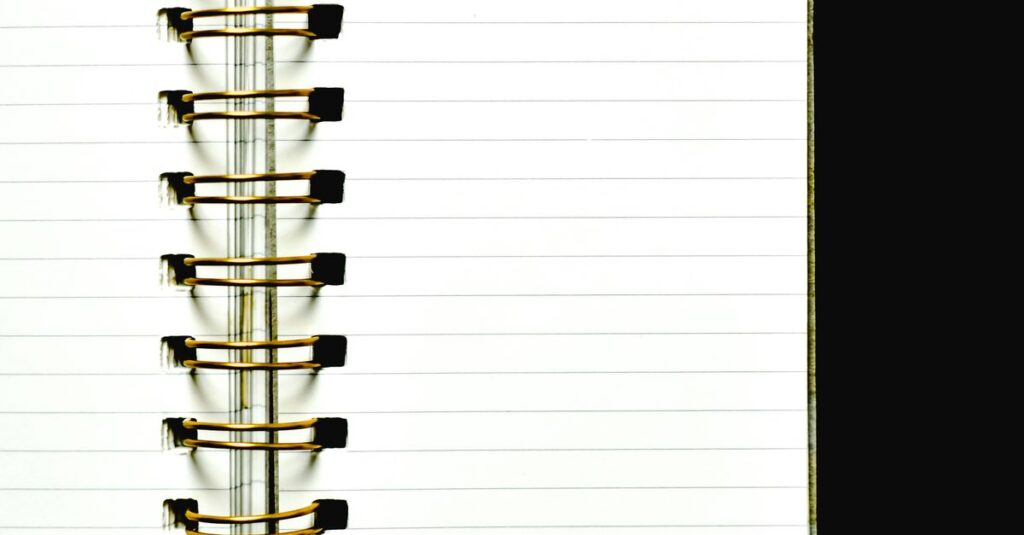
- Spiral Binding: That plastic or wire coil running through holes. Great for things that need to lie flat — like training manuals, cookbooks. Easy to flip. Easy to tear pages out of, too, which is good or bad depending on what you want.
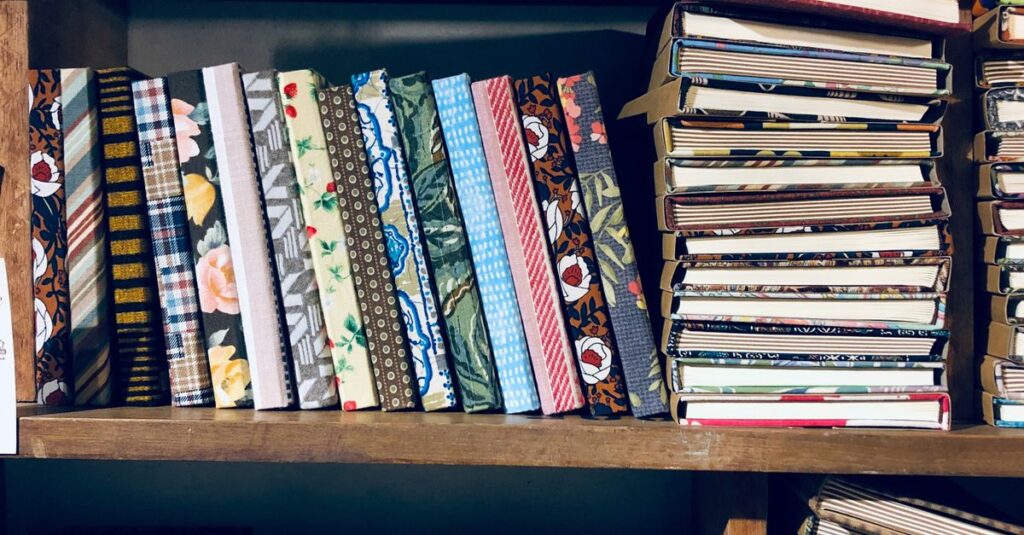
- Perfect Binding: This is what most corporate diaries and high-end notebooks use. The pages are stacked, the edge is ground down a bit, then glued with a strong flexible adhesive. It gives you that clean, square spine. Looks professional.
And honestly? Choosing wrong is the biggest mistake I see. People order spiral for a hardcover account book. It’s a headache. It just doesn’t work.
The micro-story you don’t want to be in
Anita. 38. Procurement manager for a network of private schools in Hyderabad. She needed 15,000 notebooks for the new academic year. Found a “binding service” through a Google search. The quote was 15% cheaper than her usual supplier. They promised fast delivery.
The notebooks arrived. Two weeks before term started. The stitching was loose on about 30% of them. The covers weren’t aligned properly. It looked sloppy. She had to approve them anyway because there was no time to reorder. For the next six months, she got emails from teachers about pages falling out. She still gets a tight feeling in her chest when she thinks about it. Third coffee of the day. No lunch.
The question isn’t whether you need binding. It’s whether you’re ready to trust someone with your name on the product.
How to actually evaluate a “binding near me” result
Here’s the thing — most listings won’t tell you what you need to know. You have to ask. And you have to know what to ask for.
Three things happen when you find a good one. First, they ask you questions about usage. Not just “how many?” but “who’s using them?” and “for how long?” Second, they can show you samples of previous work. Not just photos. Actual physical samples you can feel and test. Third — and this is the real tell — they talk about paper weight (GSM) in relation to binding. They get that 70 GSM paper needs a different binding approach than 54 GSM paper.
Most people I’ve spoken to say they just look at the price and the turnaround time. That’s the first mistake. The binding is what makes your notebook a tool, not just paper. You need to think about it as an engineering decision, not a line item.
I think about this a lot. The number of times a school principal has called me, frustrated, because the “economy” notebooks they bought are disintegrating in kids’ bags. It’s never about saving 50 paise per book. It’s about wasting the whole book.
Stitched vs. Spiral vs. Perfect: A real comparison
Okay. Let’s put this side by side so you can see what you’re actually choosing between.
| Feature | Stitched Binding | Spiral Binding |
|---|---|---|
| Best For | School notebooks, daily-use books, long-term writing | Training manuals, sketchbooks, books that need to lie flat |
| Durability | High. Sewn thread holds up to frequent opening/closing. | Medium. The coil can bend; pages can tear at holes. |
| Page Count | Works best for standard counts (92, 200 pages). Very thick books get bulky. | Can handle very thick stacks. No spine bulk. |
| Lay-Flat Ability | Good, but not perfect. Has a natural spine curve. | Excellent. Lies completely flat, 360-degree fold. |
| Professional Look | Classic, tidy, traditional. | Functional, modern. Can look less formal. |
| Cost (Bulk) | Usually most cost-effective for high-volume school books. | Slightly higher due to coil and hole-punching step. |
Perfect binding is its own beast. It’s for when appearance is non-negotiable. Corporate diaries, premium journals, presentation materials. It gives you a clean, printable spine. But it needs good, flexible glue and proper clamping time. Get a cheap version and the pages will start detaching as a block. I’ve seen it happen by December in a diary meant to last the year.
Expert Insight
I was reading an industry report last month — from a paper manufacturers’ association, I think — and one line stuck with me. It said the binding choice accounts for over 70% of a notebook’s perceived quality. Not the cover design. Not the paper color. The binding. The thing most buyers spend the least time thinking about.
The researcher said something like — the more capable a manufacturer is, the more they’ll want to talk about binding specifics with you. I don’t have a cleaner way to put it than that. If they gloss over it, they’re glossing over the most important part.
What bulk buyers get wrong (and how to get it right)
Look. I’ve been in this business for decades. The single most common error? Ordering based on a sample of one. A single notebook, perfectly bound, tells you nothing about consistency across 10,000 units. The real test is in the middle of the run. Is the hundredth notebook as tight as the first? Is the thousandth?
You need to ask for a mid-run sample. Any decent manufacturer should be able to pull a book off the line after a few thousand have been done and send it to you. That’s where you see the truth. That’s where you see if their machine calibration drifts, if their quality control is watching.
The other thing — and I could be wrong — but I think most institutional buyers underestimate the importance of grain direction in paper. Paper has a grain, like wood. For a stitched or perfect bound book to open nicely, the grain needs to run parallel to the spine. If it doesn’t, the pages fight the binding. They want to curl. The book never sits right. Ask your supplier about it. If they don’t know what you’re talking about, you have your answer. Proper paper sourcing isn’t just about weight, it’s about how the paper behaves.
Nine times out of ten, a “binding problem” is actually a paper problem.
The local angle: Why “near me” matters less than you think
Right. This is the part nobody says out loud. Searching for “binding near me” implies proximity equals control. It doesn’t. Not anymore. With logistics being what they are, a manufacturer three states away with a proper QC process is a better partner than the local guy who cuts corners to save cost.
I’m in Rajahmundry. We ship to the Gulf, to Africa, to Europe. The distance isn’t the issue. The process is. What you want is transparency. Can you see the factory floor via a video call? Can you get daily production updates? Can they explain, in simple terms, exactly how your notebooks are being held together?
Proximity gives you a false sense of security. You think you can just drive over if there’s a problem. But if there’s a problem with 20,000 notebooks, driving over just means you get to see the disaster in person.
Focus on the capability, not the kilometers.
Your checklist before you place a bulk binding order
Let’s make this simple. Copy this down.
- Ask for three physical samples: The first off the line, one from the middle of a previous run, and one from the end.
- Test the open-flat ability: Open the book to the middle. Does it stay open without you holding it? Does it snap shut? That’s a binding tension issue.
- Check the margin near the spine: Is it consistent? Or does the printing disappear into the gutter? That’s a trimming and binding alignment issue.
- Ask about their waste rate: A good bindery has a reject pile. If they say they have zero waste, they’re not checking. Simple as that.
- Get a breakdown of the quote: How much is for paper, how much for printing, how much for the actual binding? If binding is less than 15% of the cost, they’re probably using the cheapest glue or thread they can find.
That’s it. Not ten pages of specifications. Five practical tests that tell you everything.
Frequently Asked Questions
What’s the most durable binding for school notebooks?
For daily, rough use by students, stitched binding is the workhorse. The sewn thread holds up to being shoved in bags, dropped, and used on laps far better than glue or spiral coils. It’s why most government textbook tenders specify stitching. It’s proven.
Can you do custom binding for a special corporate diary?
Absolutely. This is where it gets interesting. Beyond the standard three types, you can look at things like lay-flat binding (where pages are actually glued to a ribbon in the spine) or even hybrid methods. The real question is your budget and the impression you want the diary to make. We do a lot of custom corporate work where the binding is part of the brand experience.
How long does bulk notebook binding take?
It depends entirely on the complexity and the order size. A straightforward run of 10,000 stitched notebooks? Maybe 3-4 working days once the printed sheets are ready. A complex perfect-bound diary with foil stamping on the spine? Add a week. Always ask for the production schedule, not just the delivery date. The schedule shows you where the time is actually going.
Is spiral binding cheaper than stitching?
Usually, no. It often costs more. You have the extra step of punching precise holes, then inserting the coil. The material (plastic or wire) is an added cost. The perceived savings sometimes come from using lighter paper or fewer pages. Compare the total package, not just the binding method line item.
What if I need a mix of binding types in one order?
Most larger manufacturers can handle this, but it affects pricing. Switching a binding line from stitching to spiral takes time (machine changeover). It breaks the production flow. So you might pay a small premium for the flexibility. It’s always better to consolidate into as few binding types as possible for bulk efficiency.
Wrapping this up
So, when you search “binding near me,” you’re not really looking for a location. You’re looking for competence. For someone who understands that a notebook is more than its cover. The binding is the silent promise that the product will perform.
Earlier I said it’s an engineering decision. That’s not quite fair — it’s more that it’s a partnership decision. You’re trusting someone to execute on a detail that makes or breaks the user’s experience.
I don’t think there’s one perfect binding for every job. Probably there isn’t. But if you’ve read this far, you already know what you need your notebooks to do — you’re just figuring out who you can trust to make it happen.
If you’re trying to nail down the specifics for an upcoming bulk order, talking to someone who lives this stuff daily might save you a few headaches. No pressure. Just an option.