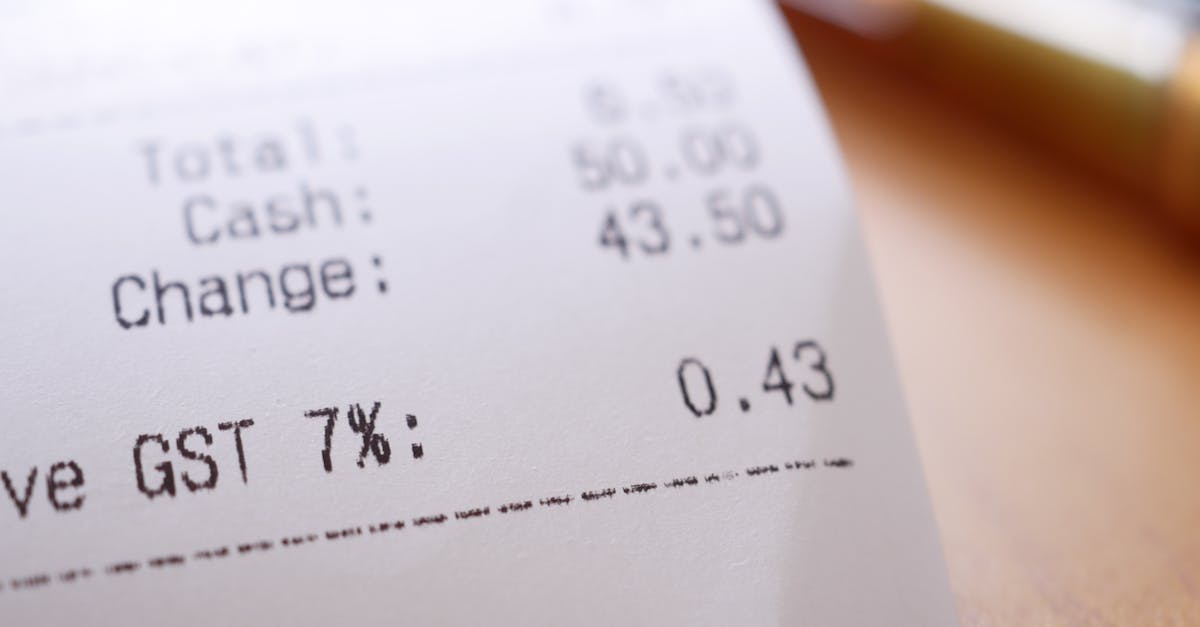
The Business of Bill Book Printing: It’s Not Just a Ledger
You know that stack of old receipt books in your storeroom? The ones with faded carbon copies and a rubber band holding them together? Let me ask you something. When a client hands you one of those, what does it say about your business? The truth is, your bill book is often the last physical thing your customer touches after a transaction. It’s the receipt, the record, the proof. And most of the ones out there look like they were printed in 1982. Which, frankly, some of them were. I’ve been in this game long enough to see the panic in a procurement manager’s eyes when they realize they’ve run out of account books for the financial year — and the supplier needs eight weeks. It’s a specific kind of headache. If you’re ordering for a school, a corporate office, or as a distributor, you’re not just buying paper. You’re buying a system. You need durability, clarity, and a process that doesn’t let you down. That’s where real bill book printing comes in — and why getting it wrong costs you more than just money.
What Actually Is a “Bill Book” in Manufacturing Terms?
Right. Let’s clear this up first. When you say “bill book,” you might mean a receipt book, a cash memo book, a duplicate account book, or a voucher book. In the factory, we break it down by function. It’s a bound set of sequentially numbered forms, usually with carbonless copy paper (that NCR paper — no carbon required) or sometimes old-school carbon sheets. The top copy goes to the customer, the duplicate stays in the book. Seems simple. But the details? That’s where the whole thing lives or dies.
Think about the paper. It’s not notebook paper. It needs to be smooth enough for a pen or printer, but strong enough that the perforated edge tears cleanly — not in a jagged mess that looks unprofessional. The binding has to allow the book to lie flat on a counter, but also survive being tossed in a drawer or a bag for years. And the numbering. My god, the numbering. If the sequence is off by even one digit, the entire batch is practically useless for audit purposes. I’ve seen it happen. A whole shipment rejected because the client found a skipped number on page 47. The cost isn’t just in paper; it’s in trust.
Real-Life Story: The Hotel Manager in Vizag
I was visiting a client in Visakhapatnam last year — a mid-sized hotel. The manager, Ravi, showed me their current bill book. The cover was stained from coffee spills. The pages were curling at the edges. Every time a guest asked for a receipt, his staff would struggle to tear it neatly, often ripping the duplicate copy underneath. “It looks cheap,” he said. “And we are not a cheap hotel.” That’s the thing nobody says out loud. Your billing stationery is a direct reflection of your operational quality. A flimsy bill book suggests flimsy attention to detail. We worked on a custom set for him: thicker, cream-colored paper, a leatherette hardcover, and crisp, clean perforations. Small thing. Huge difference in perception.
From Paper to Proof: The Bill Book Printing Process
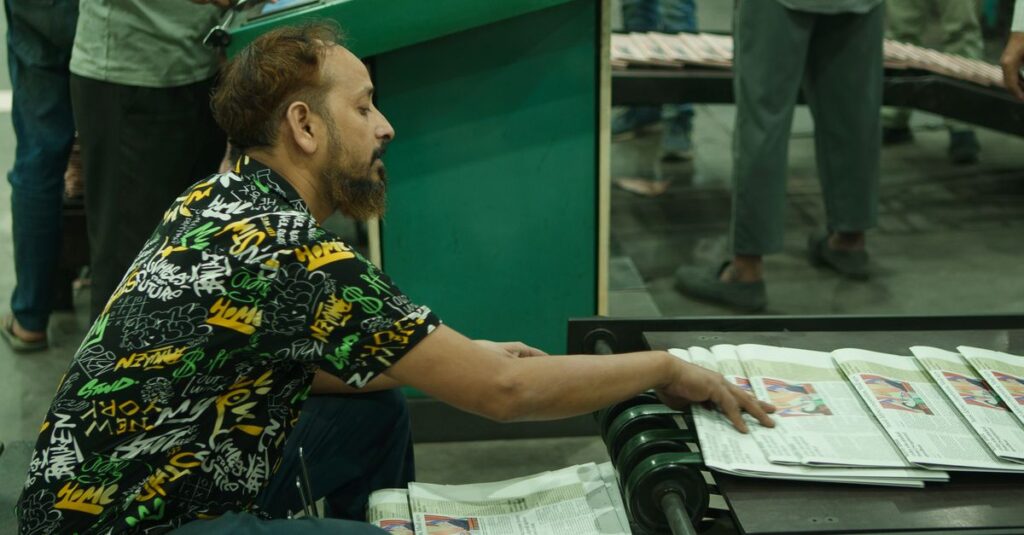
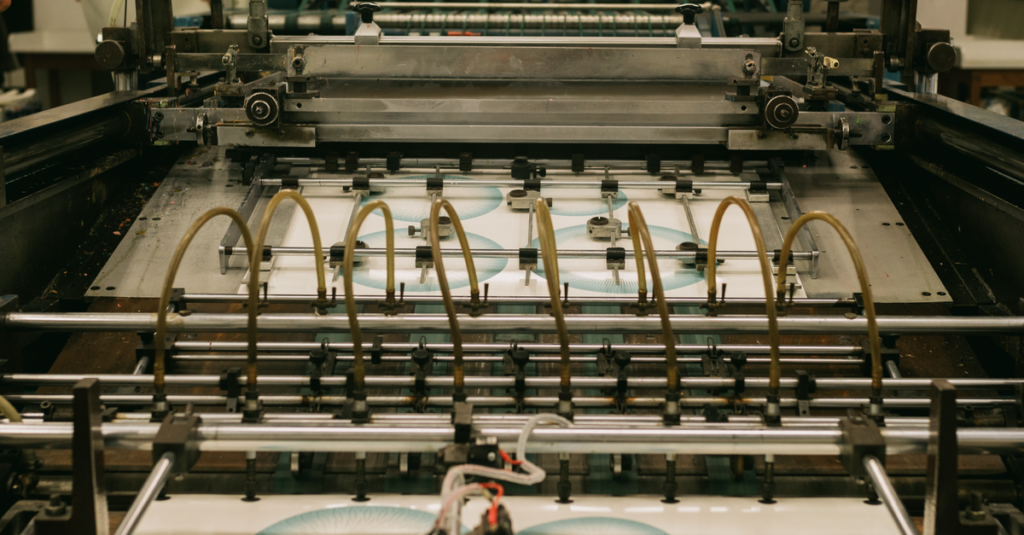
Here’s how it works in a real factory — not the glossy brochure version. First, it starts with the paper roll. For most commercial bill books, we use 50-55 GSM NCR paper. Lighter paper feels insubstantial; heavier paper makes the book too bulky. This paper is then fed through an offset press. This is where your custom logo, header fields (“Date,” “Bill No.,” “Amount”), and any company information get printed. The precision here is everything. The alignment for the duplicate copy has to be perfect, or the writing won’t transfer clearly.
After printing, the sheets are collated — the white original on top, the yellow or pink duplicate underneath. Then they’re folded, gathered into sets, and the magic happens: the binding and the numbering. The numbering machine is a beast of its own. It stamps a unique, consecutive number on each set, often in the corner. This step is fully automated, but someone has to watch it. One jam and you’ve got fifty books with misaligned numbers. Finally, the cover is added. This could be a simple card stock cover, or something more robust like perfect binding with a laminated cover for heavy use.
The whole process needs a rhythm. From our floor in Rajahmundry, a bulk order of 10,000 custom bill books can take about 10-12 working days, start to finish. That includes a day for proof approval, which you should never, ever skip. I don’t care how urgent the order is.
Choosing the Right Specs: A Buyer’s Checklist
When you’re talking to a manufacturer, you need to speak their language. Just asking for “bill books” will get you a generic product. You need to specify. Here’s what actually matters:
- Size: Is it a standard size like A5 (like a short notebook) or something specific like a long notebook size? The size dictates the printing press setup.
- Page Count: How many bills per book? 50? 100? 200? More pages mean a thicker spine and different binding.
- Paper Quality (GSM): Standard is 55 GSM NCR. For premium books, go for 70 GSM. It feels substantial.
- Number of Parts: Duplicate (2-part) or Triplicate (3-part)? Triplicate adds a tissue-thin third sheet for internal accounting.
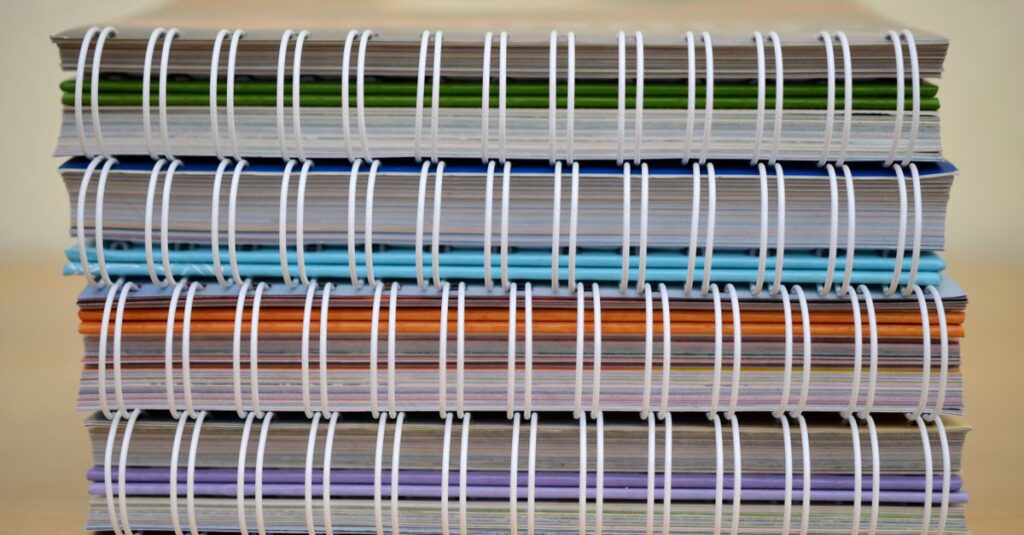
- Binding: Stitched binding is the most common and durable. Spiral binding lets it fold right back, but the spirals can snag. Perfect binding (like a paperback) gives a very professional, book-like finish.
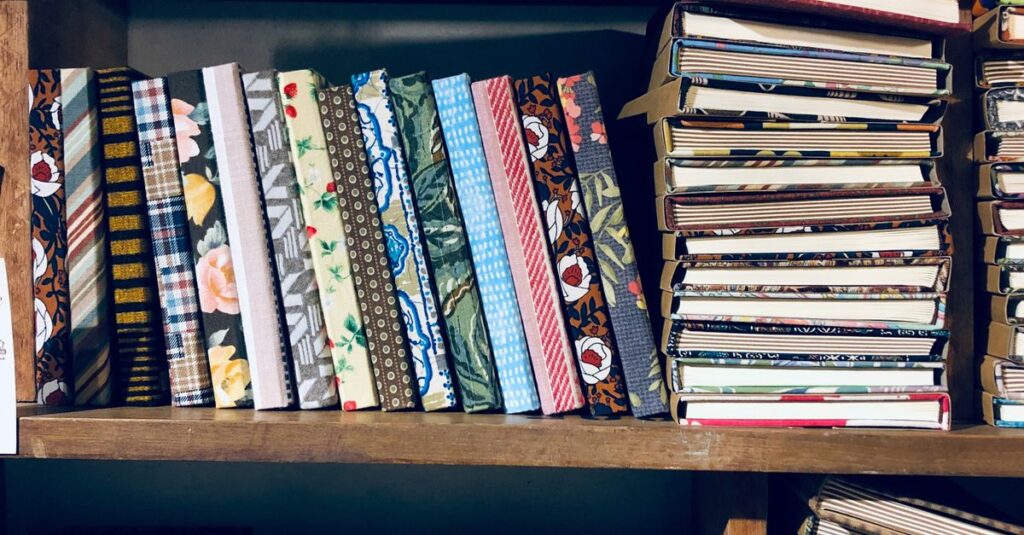
- Cover: Art card? Laminated? Leather texture? This is your branding space.
- Customization: Just your logo, or fully custom fields? Do you need a footer with your TIN or GST number pre-printed?
Missing any one of these details is how you end up with a product that’s ‘almost’ right — which is worse than completely wrong.
Bill Book vs. Standard Account Book: The Key Differences
| Feature | Bill / Receipt Book | Standard Account Notebook |
|---|---|---|
| Primary Use | Issuing immediate transaction receipts to customers. Legal proof of sale. | Internal record-keeping, ledger entries, long-term financial recording. |
| Paper Type | Carbonless (NCR) copy paper for duplicates. | Standard writing paper (54-70 GSM), often ruled or squared. |
| Structure | Perforated, pre-numbered, tear-out sheets. | Bound pages meant to stay in the book. Not perforated. |
| Customization | High. Pre-printed headers, logos, sequential numbering is mandatory. | Moderate. Can have custom covers and ruling, but content is handwritten. |
| Binding Priority | Lies flat, allows easy tear-out. Stitched or spiral common. | Durability for frequent handling. Often hardbound or thick perfect binding. |
| Audit Trail | Critical. Sequential numbers cannot have gaps. | Important, but gaps can be explained with notes. |
| Order Volume | Often bulk (500+ units) as they are consumable. | Bulk for institutions, but single units also common. |
Why Bulk Printing Makes Sense (And When It Doesn’t)
Look, if you’re a small shop needing twenty books, you’re probably better off buying generic stock from a local stationer. The setup cost for custom printing won’t make sense. But if you’re a school system ordering fee receipts, a chain of clinics needing patient receipt books, or a distributor supplying local businesses, bulk is the only way to go. The unit price drops dramatically. More importantly, you get consistency. Every book is identical, reinforcing your brand with every single transaction.
The real benefit is control. You lock in the paper quality, the numbering, the design. You’re not at the mercy of a stationer’s changing inventory. For businesses ordering corporate diaries and notebooks alongside bill books, combining the order can streamline procurement and often get you better overall pricing. The factory can schedule longer runs. The only catch? You need to plan. A bulk custom order isn’t an overnight thing. Lead time is your friend, not your enemy.
Expert Insight
I was reading an article by an old tax consultant a while back. He said something that stuck with me. He claimed that during audits, the first thing he looked at wasn’t the final totals in the ledger software. It was the physical bill book sequence. A clean, unbroken sequence of numbered receipts told him more about the business’s operational discipline than any spreadsheet ever could. It’s a trail of breadcrumbs made of paper and ink. And if those breadcrumbs are messy or missing, the whole story falls apart. It’s not about catching fraud; it’s about demonstrating order. I think about that every time we run a numbering machine.
Common Pitfalls in Bill Book Procurement
Let’s talk about mistakes. I’ve seen them all.
1. Prioritizing Price Over Perforation: Going for the cheapest paper means the perforations don’t tear cleanly. You get that awful, fuzzy edge. It looks terrible and feels cheaper than it is.
2. Ignoring the Proof: “Just go ahead, I trust you.” Famous last words. Always, always approve a physical or high-res digital proof. Check the alignment, the spelling of your own company name, the logo clarity, and the numbering font.
3. Wrong Size for the Task: Ordering a beautiful A5 book when your point-of-sale printer needs an A4 sheet to auto-print receipts. Now you’re hand-writing everything. Match the book to your actual process.
4. Forgetting About Storage: Bulk books are heavy. Ordering 10,000 books without planning where to store them (dry, flat, away from sunlight) is a recipe for damaged goods. Paper has a memory; if it’s stored bent, it stays bent.
Anyway. The point is, this is a functional product. Every choice has a consequence in daily use. It’s not stationery for show; it’s stationery for work.
Frequently Asked Questions
What is the minimum order quantity for custom bill book printing?
It varies by manufacturer, but for a truly custom job (with your logo and fields), the MOQ is typically around 500 books. For simpler jobs like just adding a stamp to a standard book, it might be lower. The setup costs for plates and numbering mean very small runs aren’t economical.
How long does custom bill book printing take?
From final proof approval, expect 10 to 15 working days for a standard bulk order. This includes printing, numbering, binding, and packing. Rush jobs are possible but will cost more and require very clear communication. Never assume it’s a 3-day process.
Can you print GST details on the bill books?
Absolutely. In fact, most businesses should. You can pre-print your GSTIN, company address, contact info, and terms & conditions on the header or footer of each bill. This makes every receipt fully compliant and saves your staff from stamping or writing it each time.
What is NCR paper and is it necessary?
NCR (No Carbon Required) paper is chemically coated to create copies without carbon sheets. It’s clean and reliable. For any duplicate or triplicate bill book, it’s the standard and necessary. The alternative is using carbon sheets, which are messy, can smudge, and need replacing.
Do you export custom printed bill books?
Yes. We regularly supply bulk custom stationery, including numbered bill books, to international buyers in the Gulf, Africa, and other regions. The process is the same, but we factor in extra time for shipping documentation and sea/air freight logistics.
The Uncomfortable Truth About Paperwork
I’ll be direct. In a digital world, spending this much time thinking about paper receipts feels almost archaic. But here’s the reality on the ground: millions of transactions in India and across the world still happen with a pen and a piece of paper. And until that changes, the quality of that paper matters. It’s a tiny touchpoint that carries disproportionate weight. It’s about professionalism, accuracy, and leaving no room for doubt. A well-made bill book doesn’t just record a sale; it quietly confirms that you know what you’re doing. The goal isn’t to make it fancy. The goal is to make it disappear into the background because it works so perfectly. That’s the sign of good manufacturing. If you’ve read this far, you’re probably past the stage of buying the cheapest option off the shelf. You’re looking for a solution, not just a product. And figuring out that difference is the whole job.
If you’re evaluating suppliers for an upcoming bulk order of custom bill books or account ledgers, it might help to see what a dedicated manufacturing process looks like. You can see more about our notebook and book printing capabilities here.