You Keep Hearing “Bound Notebook,” But What Does It Actually Mean?
Right. You’re probably buying notebooks in bulk for a school, a business, or a distributor network. You get quotes, you see specs, and someone says “binded notebook.” And maybe you think, “Aren’t all notebooks bound?”
Here’s the thing — that phrase, “binded notebook,” is a shortcut. It’s what a lot of procurement managers and buyers search for when they don’t want flimsy pads or stapled sheets. They’re looking for durability. They want the thing to last a full school year in a kid’s bag, or survive a year on a corporate desk. It means the spine is secure. The pages aren’t going to fall out.
I’ve been in this industry since the 80s, and I can tell you: most people looking for a “binded notebook” are really looking for a supplier who understands that difference. If you’re ordering for hundreds or thousands of people, you can’t afford guesswork. A notebook that falls apart is a waste of money, a logistical headache, and frankly, looks terrible for your brand. If you’re tired of unreliable stationery, your search for a solid notebook manufacturer should start here.
Breaking Down "Binded" – It’s All About the Spine
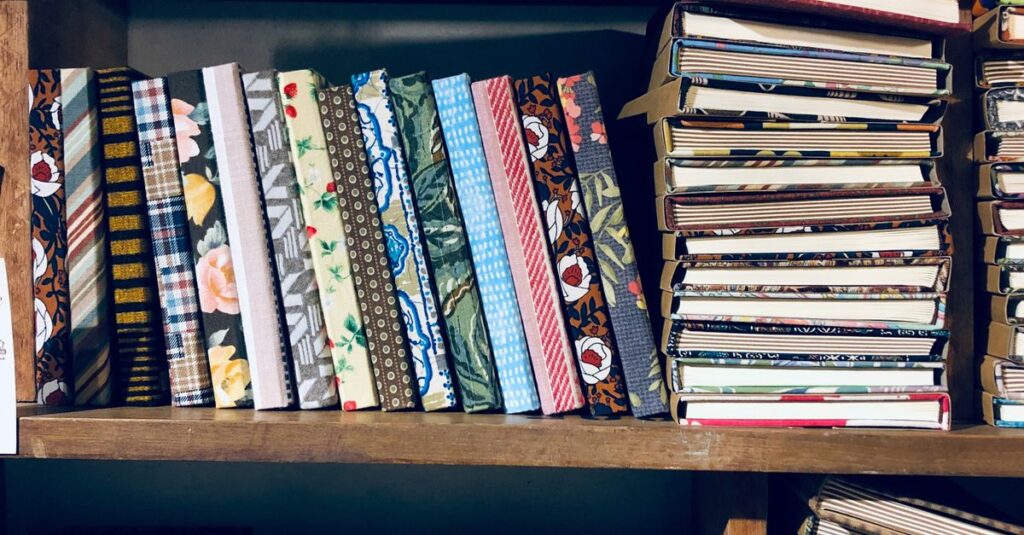
Let’s get specific. When we talk about binding in notebooks, we’re talking about how the cover and the inner pages are held together permanently. It’s the foundation. A cheaply bound notebook will crease at the spine after a week, the covers will curl, and pages will start to loosen. A well-bound one? It lies flat. It opens smoothly. It resists the daily grind.
Think about it this way: a student stuffing a notebook into an overfilled backpack, a sales executive flipping through pages in a meeting, a warehouse clerk making heavy notations. The stress points are always the same. The binding is what takes that punishment.
There are a few main ways a notebook can be "binded." And the one you choose changes everything about its use, its cost, and how long it lasts.
The Three Workhorses of Notebook Binding
- Stitched Binding (Saddle Stitching): This is the classic. Think of staples through the spine fold. It’s cost-effective, surprisingly durable for thinner notebooks (up to about 92 pages), and lays completely flat. Most standard school exercise books use this. It’s reliable, no-frills, and perfect for high-volume orders where budget is key.
- Perfect Binding: This is what you see on paperback books and thicker corporate diaries. The pages are glued together at the spine with a strong, flexible adhesive and then attached to the cover. It gives a clean, professional look with a square spine you can print on. The downside? It doesn’t always lay perfectly flat when new – though a good manufacturer uses the right glue and technique to improve this. Best for notebooks with higher page counts (200 pages and up).
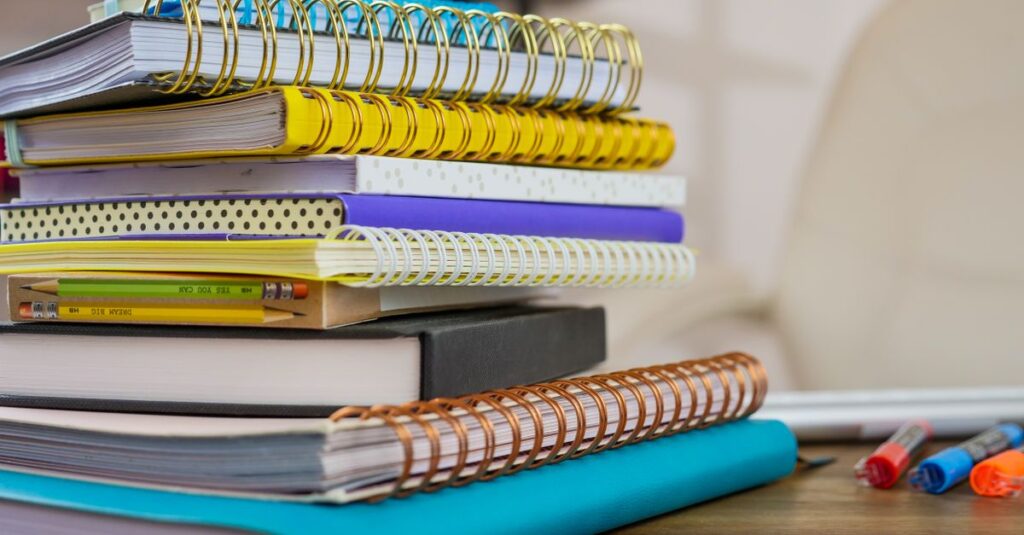
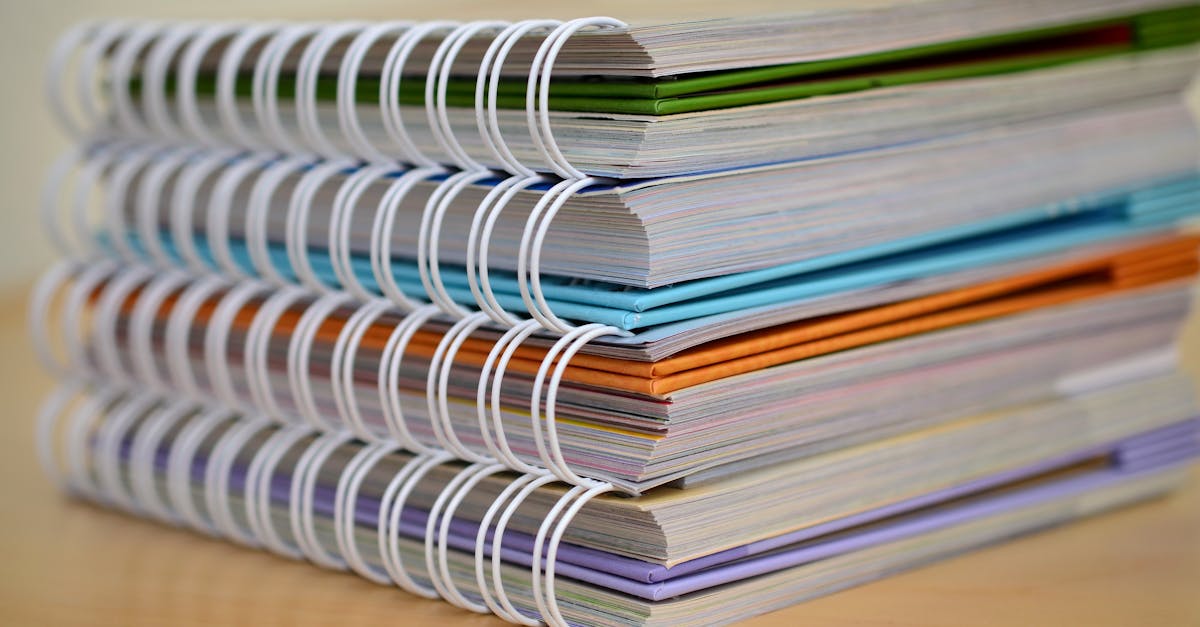
- Spiral or Wire-O Binding: Metal or plastic coils punched through holes along the edge. This is the king of laying flat. You can fold the cover all the way back. It’s ideal for sketchbooks, technical notebooks, or anything that needs to stay open on a desk. But the spirals can get bent in bags, and it’s generally a bit more expensive to produce.
The question isn’t which one is “best.” It’s which one is right for the hands that will hold it. A primary school kid needs something different than an architect.
The Real-Life Cost of a Badly Bound Notebook
Let me tell you about Priya. She’s the procurement manager for a chain of coaching institutes in Hyderabad. Last year, to cut costs, she switched to a new supplier for their 10,000-unit annual notebook order. The books looked fine in the sample. But two months into the term, the complaints started rolling in. Pages were detaching. Covers were separating. Students were taping their books back together.
Priya spent weeks fielding calls from angry center heads, arranging replacements, and dealing with the supplier who blamed “rough handling.” The supposed savings vanished in admin time, replacement costs, and reputational damage. The silence in her office after those calls had weight. She wasn’t just ordering paper; she was buying a tool for learning that had to work. She told me later, “I learned the hard way that the binding isn’t a spec. It’s the promise.”
Anyway. This happens more than you’d think, especially when price is the only deciding factor. A poorly bound notebook fails in predictable ways: the adhesive cracks, the stitching snaps, or the cover stock is too thin to support the spine. It’s a physical product, and its quality is literally in your hands.
How to Spot Quality When You’re Buying in Bulk
Look, I’ll be direct. You can’t just go by a photograph or a price list. When you’re evaluating a bulk notebook supplier, you need to get physical with the sample. Here’s what you do, right at your desk.
First, the Bend Test. Hold the notebook by the cover and let the pages hang down. Gently shake it. Do you hear a cracking sound from the spine? That’s the adhesive or stitching stressing. Not a great sign.
Second, the Open-Flat Test. Open the notebook to the middle. Does it spring shut, fighting you? Or does it lie reasonably flat? A book that won’t stay open is frustrating to use. For perfect-bound books, press the spine down on a table as you open it to help loosen it up initially – a good one will settle.
Third, check the Gutter Margin. This is the inside margin where the page meets the binding. Is it generous enough? In a cheaply made book, the binding eats into the writing space, making the innermost text hard to read or write. The words disappear into the crease.
And fourth – this one’s often overlooked – feel the paper quality right next to the binding. Is it the same thickness and finish as the rest of the sheet? Sometimes, in the binding process, the edge of the paper can get compromised.
Most people I speak to don’t do this. They check the cover print and maybe the page count. But the binding is where a manufacturer shows they care about the end user, not just the sale.
Expert Insight
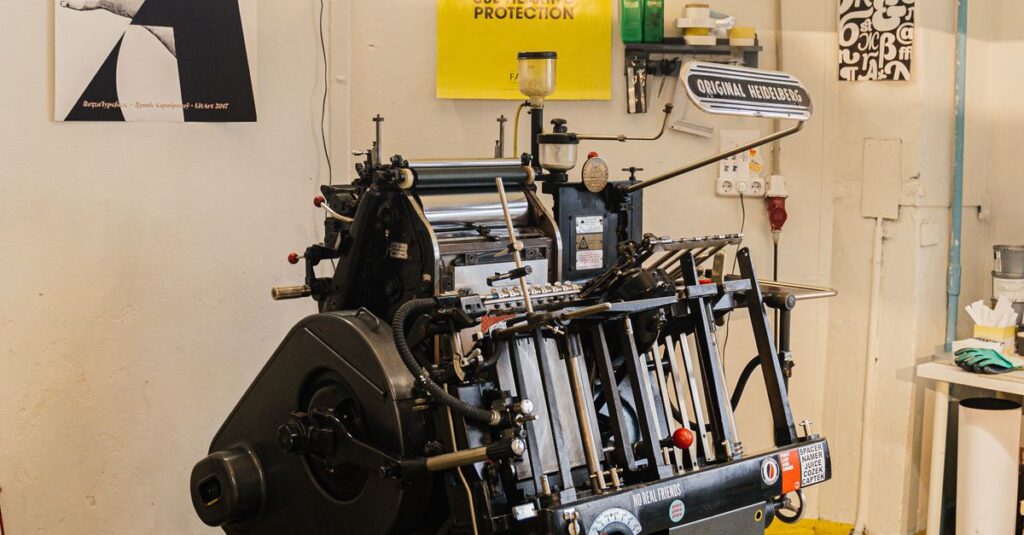
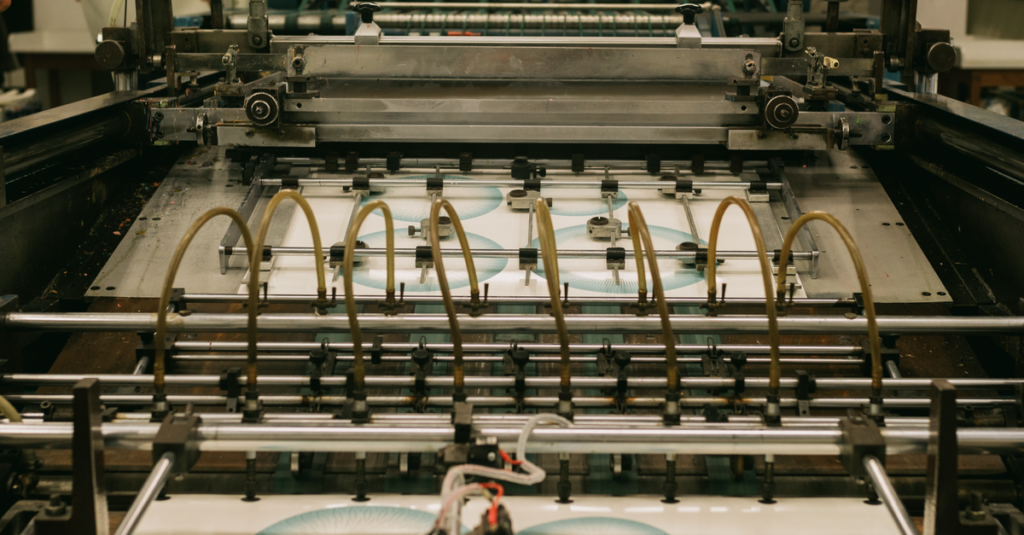
I was talking to a veteran bindery machine operator at our factory in Rajahmundry last month – guy named Suresh, who’s been running these machines longer than I’ve been running the business. Over chai, he said something that stuck with me. He pointed to the stitching head and said, “People think this is just a machine. But it’s about tension. Too tight, and you perforate the paper. Too loose, and it’s already falling apart. You have to listen to it.” He taps his ear. I don’t have a cleaner way to put it than that. The difference between a durable notebook and a failed one often comes down to the operator’s experience, listening to a machine most people ignore. It’s a craft hiding inside an industry.
Stitched vs. Perfect Bound: A Side-by-Side for Buyers
| Feature | Stitched Binding | Perfect Binding |
|---|---|---|
| Best For Page Count | Lower counts (52, 92, maybe 120 pages) | Higher counts (200, 240, 320+ pages) |
| Lies Flat? | Yes, excellent from day one | Can be stiff initially; improves with use |
| Durability | Very strong for its intended page range | Strong, but glue can degrade in extreme heat/humidity |
| Professional Look | Classic, functional | Premium, clean spine for branding |
| Cost Implication | Generally more cost-effective for thinner books | Cost increases with page count, but efficient for thick books |
| Custom Printing on Spine | Not possible | Yes, ideal for corporate logos & titles |
This isn’t about good and bad. It’s about matching the tool to the job. Ordering 50,000 perfect-bound notebooks for a primary school is overkill. Getting stitched notebooks for a 300-page corporate annual planner won’t work. The table makes it obvious.
Why Your Custom Notebook Project Lives or Dies at the Bindery
This is where it gets real. You want a custom notebook – your logo, your cover design, maybe even custom-ruled pages. The design files are perfect. The paper is chosen. Everyone’s excited. And then the production sample arrives and the spine is crooked, or the cover is misaligned by a millimeter.
Nine times out of ten, that’s a binding stage issue.
The trimming, the folding, the gathering of signatures (those are groups of pages) – all of that has to be precise before the binding even happens. If the sheets are misaligned by even a little, the binding will lock that error in place. A good manufacturer plans for binding from the very first step of the printing process.
I’ve seen beautiful print jobs ruined because the binding was an afterthought. The cover wraps awkwardly. The first and last pages have a different tension. It feels wrong. And that feeling translates to everyone who gets that notebook. It says you didn’t pay attention to the details.
When you’re discussing a custom order, ask about their binding process directly. What machines do they use? How do they ensure alignment? Do they do a physical mock-up before the full run? Their answers – or lack thereof – will tell you everything.
Frequently Asked Questions
What’s the difference between “bound” and “binded” notebook?
Honestly, they mean the same thing in the industry when people are searching. "Bound" is the grammatically correct term, but a lot of buyers, especially those where English is a second language, search for "binded." It all points to the same need: a notebook where the pages are securely attached to the cover, not just stapled at the corner. We all know what you’re looking for.
Which binding type is most durable for heavy student use?
For the typical school notebook (under 100 pages), a good quality stitched binding is incredibly durable and cost-effective. It can take the crushing and bending in a backpack. For thicker workbooks, a robust perfect binding with flexible glue is the way to go. Avoid very thin covers regardless of binding type.
Can you print on the spine of a bound notebook?
Yes, but only with perfect binding or sometimes wire-o binding. The stitched binding doesn’t have a thick, flat spine to print on. This is why corporate diaries and premium notebooks use perfect binding – it gives you that professional, branded look on a bookshelf.
How many pages can a bound notebook have?
It depends on the binding. Stitched binding is great up to about 120 pages. Perfect binding can handle from 80 pages up to 700+ pages for serious account books. Spiral binding is flexible but often practical up to 200-300 pages. The paper thickness (GSM) also affects this limit.
What should I ask a supplier when ordering bulk bound notebooks?
First, ask for physical samples of the exact specification. Then ask: "What type of binding do you recommend for this page count and use?" and "What is your process to ensure the binding is aligned correctly with the printed cover?" Their comfort in answering these technical questions is a huge trust signal.
Wrapping This Up
So, a “binded notebook.” It’s not just a product category. It’s a signal. It tells a manufacturer you care about durability and function over just the lowest price. It means you’re thinking about the person who has to use this thing every day.
The binding is the heartbeat of the notebook. Get it right, and the book becomes a reliable tool. Get it wrong, and it’s just a pile of paper waiting to fail. I don’t think there’s one perfect answer for every situation – the table shows that. Probably there isn’t. But if you’ve read this far, you already know what you’re looking for in a supplier. You’re just figuring out who actually understands that the spine is where the promise is kept.
If the idea of working with a manufacturer who obsesses over these details – the tension on the stitch, the alignment of the trim, the right glue for the climate – sounds like a relief, then let’s talk. We’ve been getting it right, one notebook at a time, since 1985. Reach out here and we’ll start with a sample that you can put through the tests yourself.