Let’s get one thing straight right away
You typed “best notebook brand in the world” into Google. I know what you expected. You probably thought you’d get a list of those fancy, overpriced leather-bound notebooks they sell in airport gift shops. Or maybe those trendy Japanese stationery brands with cult followings. And sure, if you’re buying one notebook for yourself, that list might be helpful. But that’s not why you’re here, is it?
You’re a procurement manager. You’re ordering for a school district, a corporate office, a government tender. You need ten thousand notebooks by next month, all with the company logo, in three different sizes, and they need to survive being thrown into backpacks and shuffled across desks for a full academic year. The “best notebook brand” for you isn’t about Instagram aesthetics. It’s about a factory that doesn’t miss deadlines. It’s about paper that doesn’t bleed through. It’s about a binding that won’t fall apart after week three. The real search here isn’t for a brand name — it’s for a manufacturer you can trust with your budget and your reputation. And if that sounds like the headache you’re trying to solve, this is probably where you need to look.
Why the “Best Brand” conversation is broken for bulk buyers
Look, retail reviews are written by people who buy one notebook. They talk about the cover feel, the ribbon bookmark, the “pleasing crinkle” of the paper. That’s fine. But when you’re signing a purchase order for 50,000 units, none of that matters. The only crinkle you care about is the sound of an invoice being paid on time after a perfect delivery.
I’ve been in this industry for over four decades, talking to buyers from schools in Andhra Pradesh to distributors in Dubai. The conversation always circles back to three things that never make it onto a “Top 10” blog list: capacity, consistency, and customization. Can you make enough? Can every single notebook in this batch match the quality of the last? And can you print our stuff on it without it looking cheap?
Most “best brand” articles miss this completely. They’re comparing finished products on a shelf. You’re comparing production lines, GSM paper rolls, and the likelihood of a shipping container clearing customs without drama. It’s a different world.
Expert Insight
I was talking to a procurement head for a large university last year — over chai in his office, stacks of sample notebooks everywhere. He said something that stuck. “We don’t buy notebooks. We buy predictability.” He wasn’t being poetic. He meant that a delayed shipment means empty desks on the first day of class. A batch with weak binding means a flood of complaints from parents. The “best” brand, for him, was whichever manufacturer treated his 20,000-unit order with the same urgency as a 200-unit one. The more capable a factory is, the harder it becomes to find one that still cares about your specific panic. I don’t have a cleaner way to put it than that.
The real-life checklist (what to ask before you order)
So if you ignore the fluff, what do you actually look for? Throw away the lifestyle magazines. Here’s the checklist that gets used in backroom meetings between buyers and suppliers. It’s not glamorous, but it’s what gets the job done.
- Daily Output, Not Annual Revenue: Ask “how many bound notebooks can you produce per day?” Not per month, per day. A factory that says 30,000-40,000 per day (like ours) is telling you they can handle a large order without shutting down other lines. A vague answer means they’re probably jobbing it out to smaller units, and quality will be all over the place.
- Paper as a Specification, Not a Feature: “54 GSM writing paper” is a technical spec. “Premium-feel paper” is marketing. You need the number. GSM (grams per square meter) tells you the thickness, the opacity, the bleed-through resistance. For school notebooks, 54 GSM is the sweet spot — durable enough, cost-effective, good for both pencil and pen. Anything less feels flimsy; anything more is often overkill and over-budget.
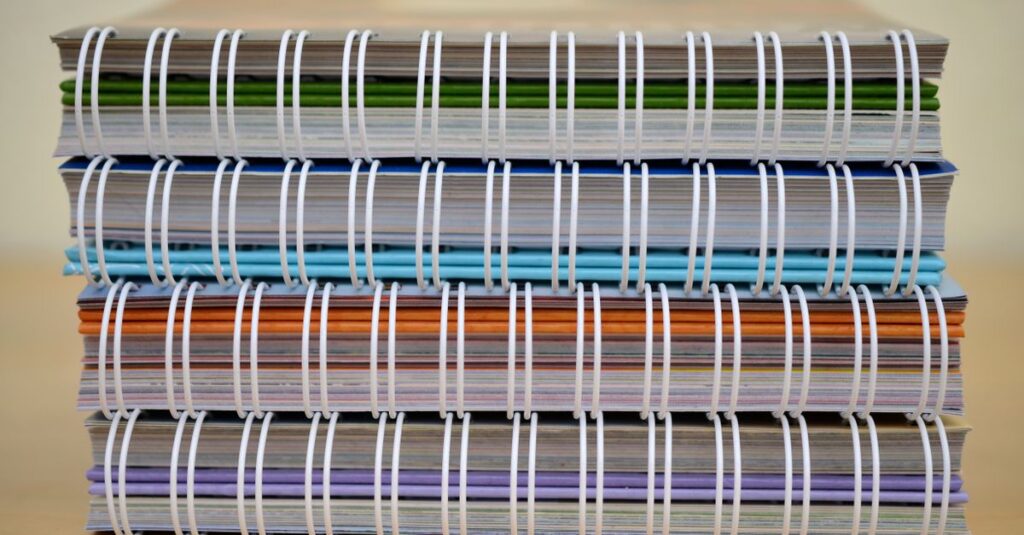
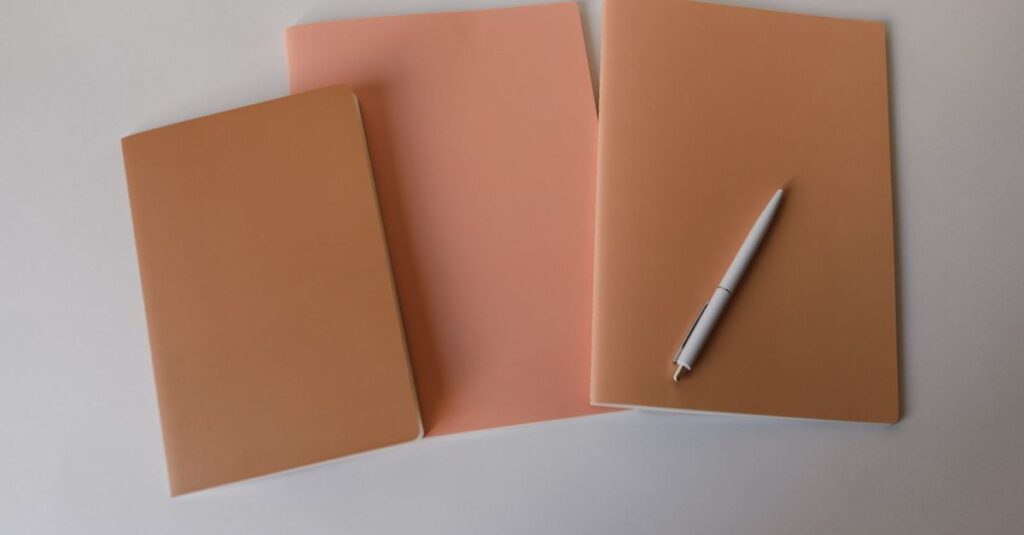
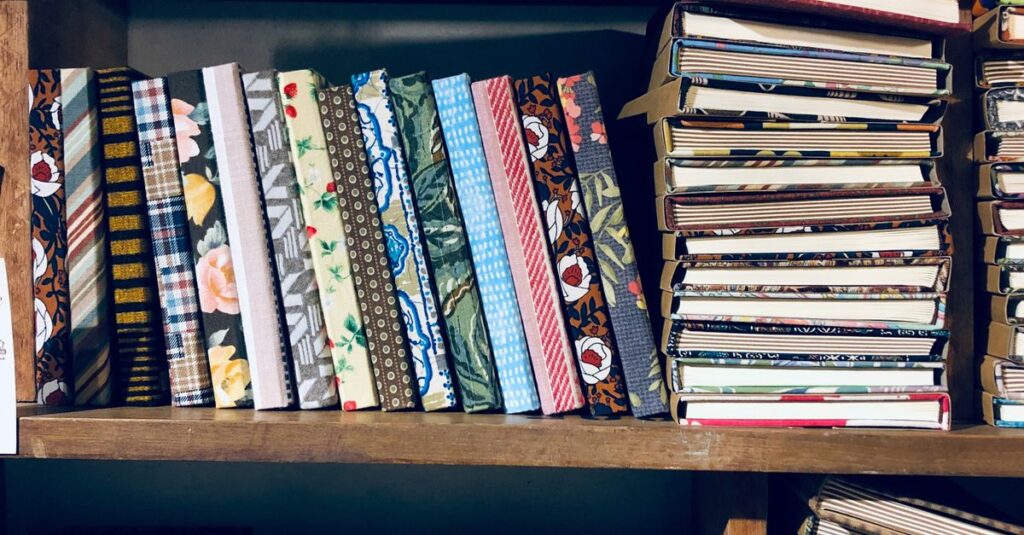
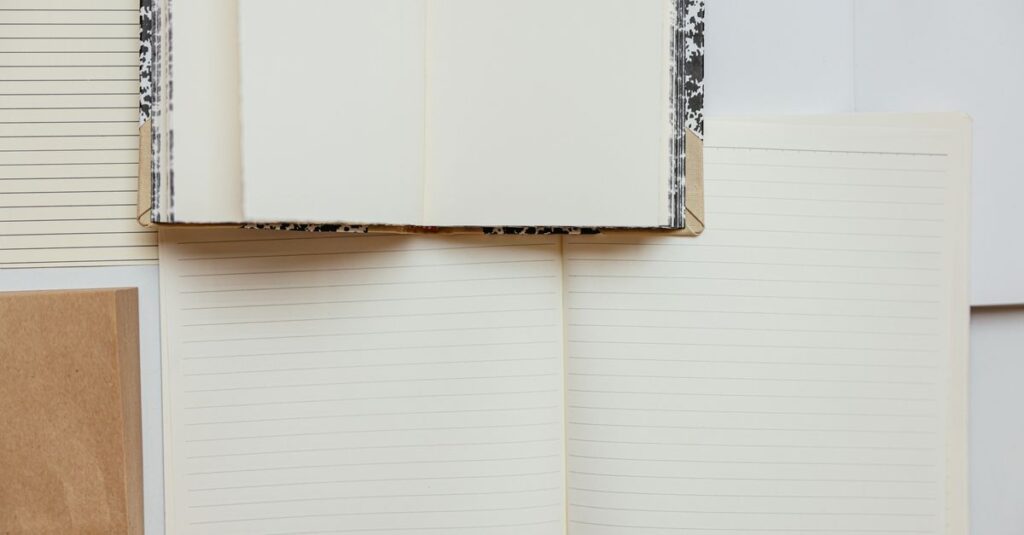
- Binding as a Engineering Choice: Is it stitched, spiral, or perfect bound? Each has a purpose. Stitched binding is the workhorse for standard school notebooks — it lays flat, it’s cheap, it’s durable. Spiral binding is for art books or manuals that need to fold back completely. Perfect binding (glued spine) gives a cleaner, more “book-like” look for corporate diaries. The best brand offers the right type, not just one type.
- The Customization Trap (and How to Avoid It): Everyone says they do custom printing. The real question is about the process. Do they have in-house design help, or do you need to supply print-ready artwork? What’s the minimum order quantity for a custom cover? How many color options? I’ve seen companies get stuck with 10,000 notebooks where the logo came out pixelated because the supplier just slapped a low-res JPEG onto a template. It’s a specific kind of heartbreak.
Which is… a lot to sit with.
A story about getting it wrong (so you don’t have to)
Let me tell you about Arjun. He runs procurement for a chain of private coaching centers across Tamil Nadu. Good guy, under pressure to cut costs. Last year, he switched from his long-term supplier to a new “brand” that quoted 15% less for 20,000 notebooks. The samples were okay. The price was great.
The delivery arrived two weeks late. The paper was inconsistent — some notebooks had 60 GSM sheets, others felt like 40. The ruling lines were faint on every third page. And the worst part? The covers, printed with the coaching center’s mascot, had a slight but noticeable color shift between batches. He spent months dealing with complaints, issuing replacements from his old supplier at a loss, and explaining the “cost-saving” to his boss. He saved 15% on unit cost and lost 50% in credibility and time.
He’s not a case study. He’s a guy who learned that the cheapest unit price is often the most expensive total cost. Anyway.
Brand vs. Manufacturer: The only comparison that matters
This is the core of it. You need to stop thinking about “brands” and start thinking about “manufacturers.” A brand markets a finished product. A manufacturer builds the product to your specifications. For bulk, you almost always want the latter.
| What You’re Buying | Working with a ‘Brand’ (Retail-Facing) | Working with a Manufacturer (Like Us) |
|---|---|---|
| Primary Relationship | You are a distributor/customer of their finished product. | You are a client. We are producing your product. |
| Customization | Limited to their pre-set options, colors, and layouts. High MOQs for any changes. | Full control. Your logo, your cover design, your page layout (ruled, unruled, graph), your page count. |
| Pricing Structure | Includes brand premium, marketing costs, retailer margins. Less room for negotiation on bulk. | Direct factory pricing. Cost scales transparently with quantity and specifications (paper, binding, color). |
| Focus | Selling a consistent image and lifestyle to end consumers. | Solving your specific procurement problem: “I need X notebooks with Y features by Z date.” |
| Best For | Small orders, retail resale, where brand recognition adds value. | Bulk institutional supply, corporate gifting, private label, schools, government tenders. |
The shift is mental. You’re not picking a notebook off a virtual shelf. You’re architecting one.
What this looks like on the factory floor (and why it should matter to you)
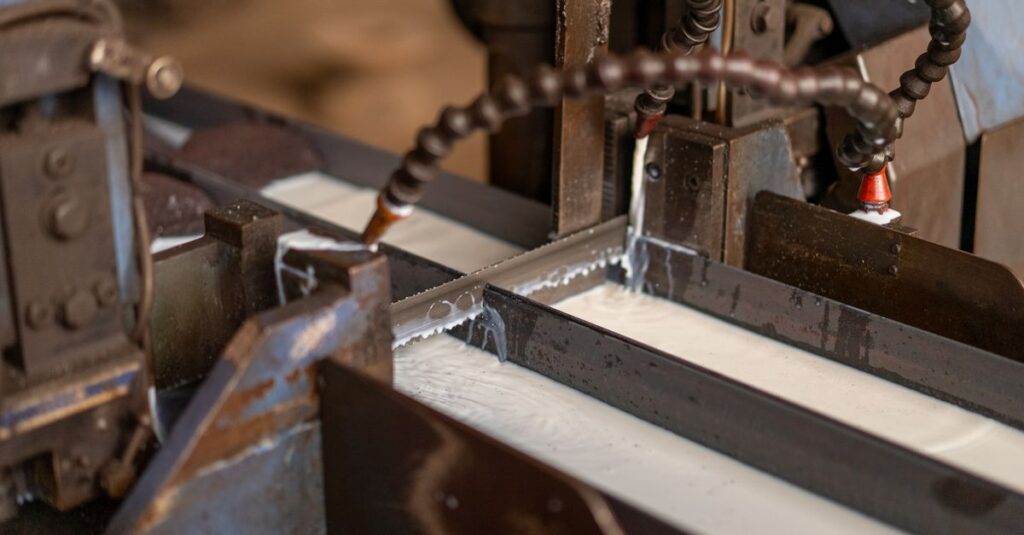
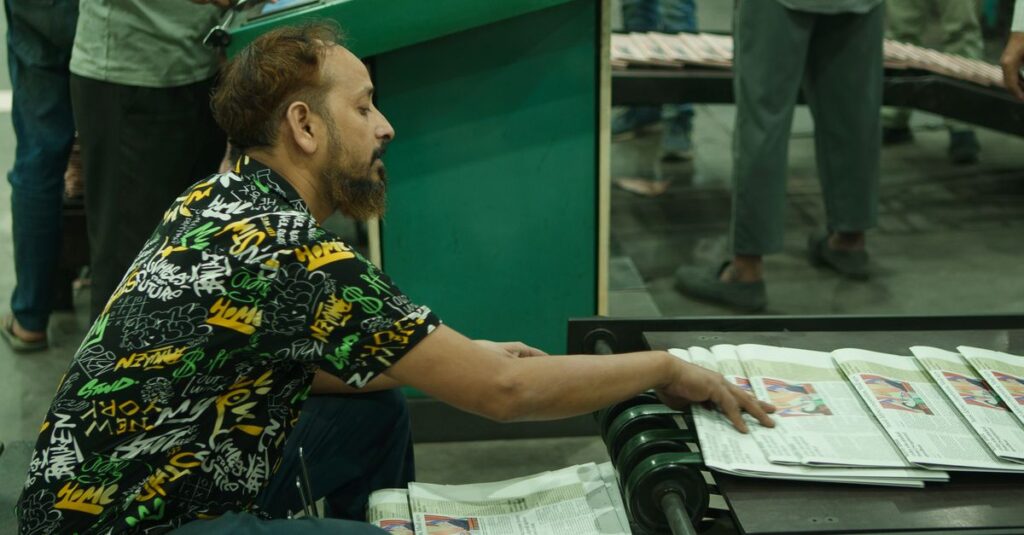
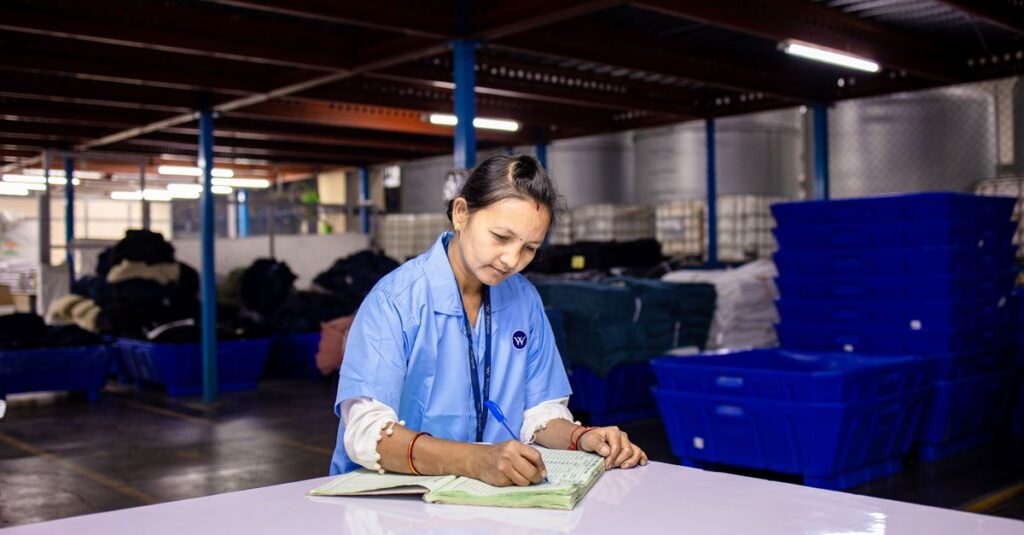
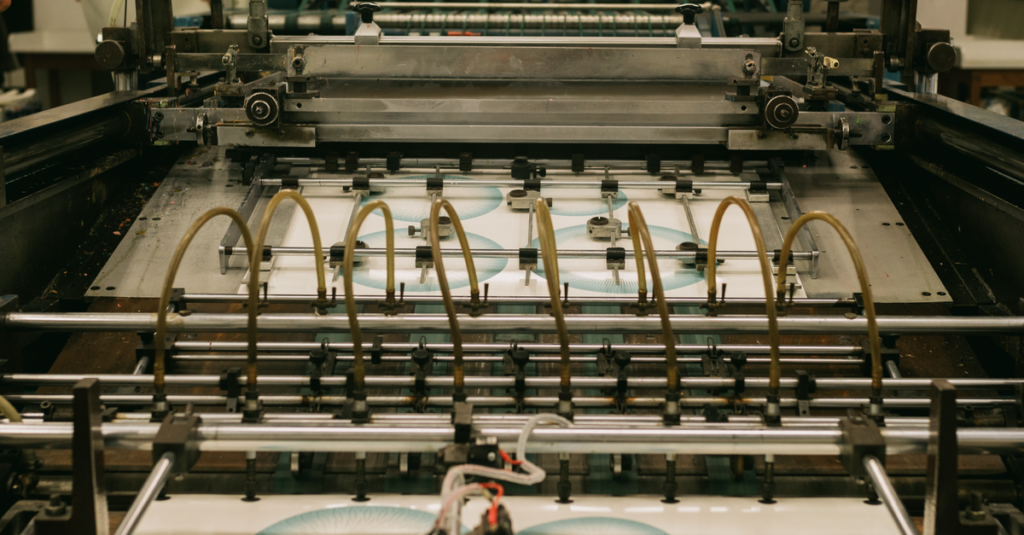
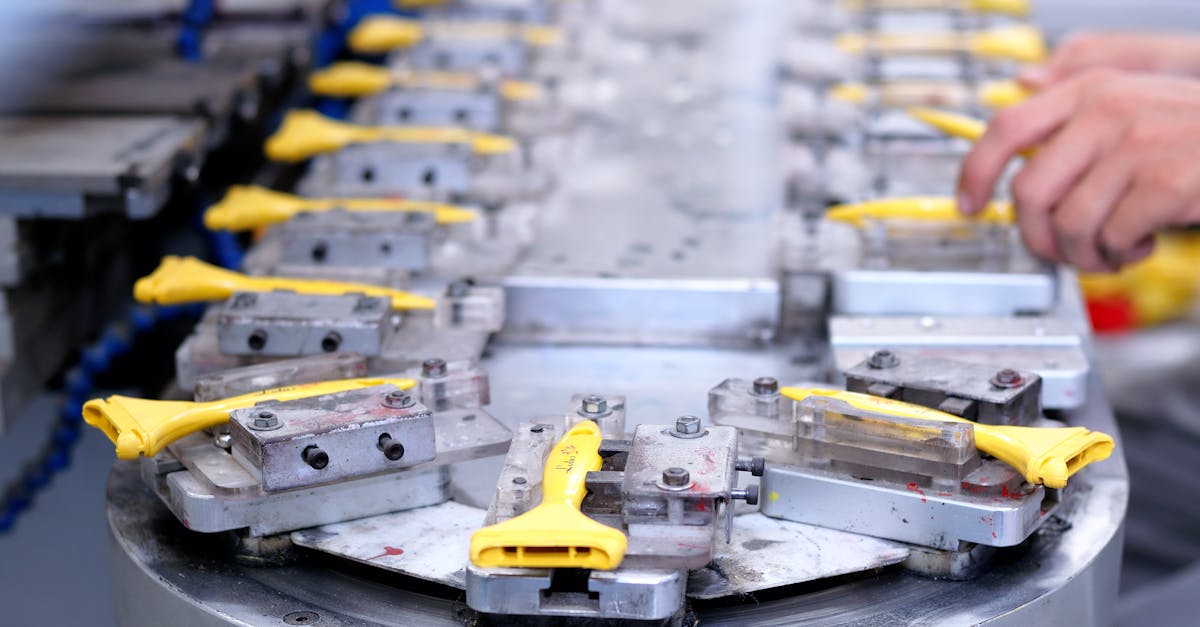
I want you to picture something specific. Not a glossy ad, but a factory floor in Rajahmundry at 10 AM. The hum isn’t from espresso machines; it’s from offset printers and binding machines. Rolls of paper, each labeled with its GSM, are fed into one end. Over here, a machine is stitching signatures for a run of 92-page school notebooks. Over there, another is applying perfect binding glue to a batch of corporate diaries. In a corner, the quality control team is doing the boring, essential work: randomly picking notebooks from the finished pallet, flipping every page, checking the alignment of the ruling, testing the spine.
This scene — this organized, slightly noisy, deeply unglamorous operation — is what you’re actually buying. You’re buying the confidence that the person checking the spine has been doing it for fifteen years and knows exactly how a loose stitch feels. You’re buying the system that tracks which paper roll went into which batch, so if there’s ever a question, we can trace it. The best notebook brand, for you, is invisible. It’s the absence of problems.
And honestly? Most corporate buyers know this already. They just need permission to ignore the flashy retail rankings and focus on the machine that makes the thing. Seeing the range of what’s possible is usually the first step.
So, is there a best notebook brand in the world?
I think — and I could be wrong — that the question itself is wrong when you’re spending a company’s money. There isn’t a “best.” There’s only “best for this specific job.”
Best for 100,000 identical school notebooks? That’s a manufacturer with high-speed stitching lines and rock-solid 54 GSM paper supply. Best for 5,000 premium client-gift diaries? That’s a different setup, with more focus on finish and foiling. The “world” part matters, too. A manufacturer in India serving Gulf and African exports has to build for different humidity levels, different shipping stresses, than one only serving the local market.
The answer lives in your tender document, your budget sheet, and your delivery deadline. The brand name on the cover is the last decision, not the first. It could be your logo. It probably should be.
I don’t think there’s one answer here. Probably there isn’t. But if you’ve read this far, you already know what you’re looking for — you’re just figuring out if it’s okay to ignore the popular lists and call a factory directly. It is.
Frequently Asked Questions
What makes a notebook manufacturer the “best” for bulk orders?
Forget brand prestige. The best manufacturer for bulk is defined by reliable daily production capacity (like 30-40k notebooks/day), stringent quality control on every batch, transparent paper specifications (e.g., 54 GSM), and a seamless customization process. It’s about predictability and problem-solving, not packaging.
Should I choose stitched, spiral, or perfect binding for my corporate notebooks?
It depends on use. Stitched binding is the durable, cost-effective standard for everyday school or office notebooks—it lays flat. Spiral binding is ideal for manuals or art books that need to fold back completely. Perfect binding gives a sleek, book-like finish for premium corporate diaries or reports. A good manufacturer guides you to the right choice.
What is the minimum order quantity for custom logo printing?
This varies wildly. Some huge factories might have MOQs in the tens of thousands. Smaller, more flexible manufacturers (like us) often work with MOQs starting at 1,000-2,000 pieces for custom printing. Always ask directly. The key is whether they treat your smaller custom order with the same care as a massive one.
How do I ensure consistent paper quality across a large notebook order?
You specify the GSM (Grams per Square Meter) in your purchase order—like 54 GSM for writing paper. A reputable manufacturer sources paper rolls from consistent suppliers and has quality checks at the roll stage. Ask for a paper sample from the actual mill lot before full production starts. Consistency is a process, not a promise.
Can a notebook manufacturer handle export documentation for international shipping?
A capable export-ready manufacturer should. This includes commercial invoices, packing lists, certificate of origin, and arranging freight forwarding. If you’re an international buyer, this is a crucial question. The “best” brand for you is one that makes the logistics headache their problem, not yours. We do this daily for shipments to the Gulf, Africa, and beyond.
Look, at the end of the day, you need notebooks that don’t create more work for you. They just need to arrive on time, work as expected, and make you look good for choosing them. Everything else is just noise. The real search was never for a brand. It was for a partner who understands that your reputation is on the line with every pallet they ship. If that’s the conversation you want to have, it might be time to start it.