

The Secret Life of Notebooks
Look. You’ve been buying notebooks and diaries for years. For your school, your office, your students. But do you know what goes into making them? Most people don’t. They just see a finished product. They think “book making” is some fancy, mysterious craft. But it’s not. It’s a manufacturing process. A specific, detailed, and frankly pretty messy one. And if you’re buying in bulk for an institution or business, knowing that process is the only way you’ll get what you actually need, instead of what someone decides to sell you. If you’re a procurement manager, a school administrator, or a distributor looking for a reliable manufacturer, this might be worth a look.
What Book Making Actually Means
It’s not about writing a novel. In the industry, “book making” refers to the physical manufacturing of notebooks, diaries, account books, and stationery. The whole thing. From raw paper to the bound, printed, packaged product you receive. Most people call it “notebook manufacturing” or “printing and binding services”. It’s a production line. Here’s the thing — it’s not about time. It’s about precision. And most factories have a rhythm they’ve perfected over decades.
The Core Components
Book making boils down to three main stages:
- Pre-production: This is where you decide everything. Paper type, size, ruling, cover design. This stage is all about planning and sourcing. The paper quality, the GSM, the finish. This is where most bulk buyers mess up, honestly. They skip the details.
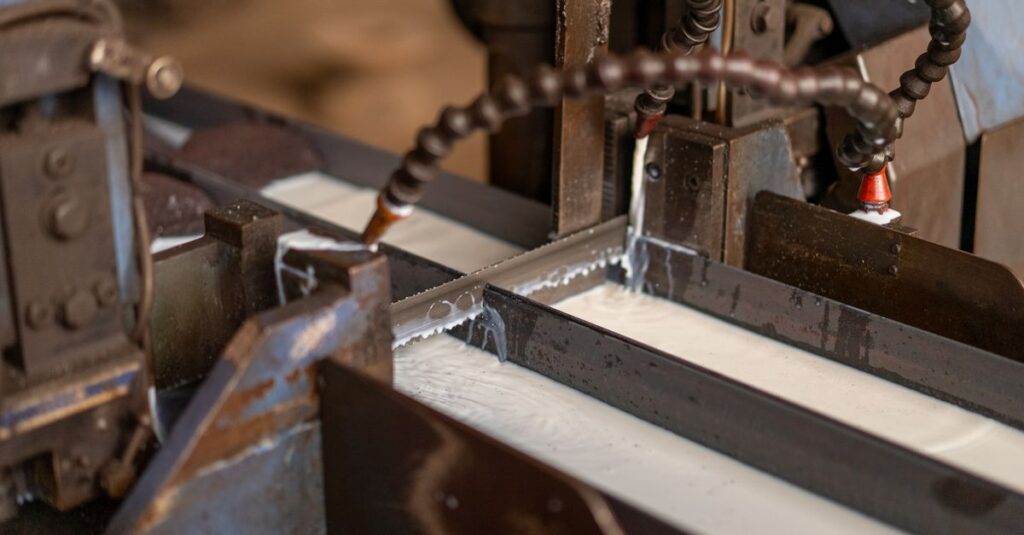
- Production: The actual manufacturing. Printing the pages, cutting them to size, applying the ruling, binding them together, attaching the cover. It’s noisy, it’s fast, and it requires machinery that’s been maintained for years.
- Post-production: Quality checks, packing, boxing, labeling, and shipping. This is where consistency is tested. A batch of 10,000 notebooks needs every single one to meet the same standard.
And honestly? That’s the part nobody talks about. The quiet, tedious checking that happens after the machines stop.
A Day in the Factory
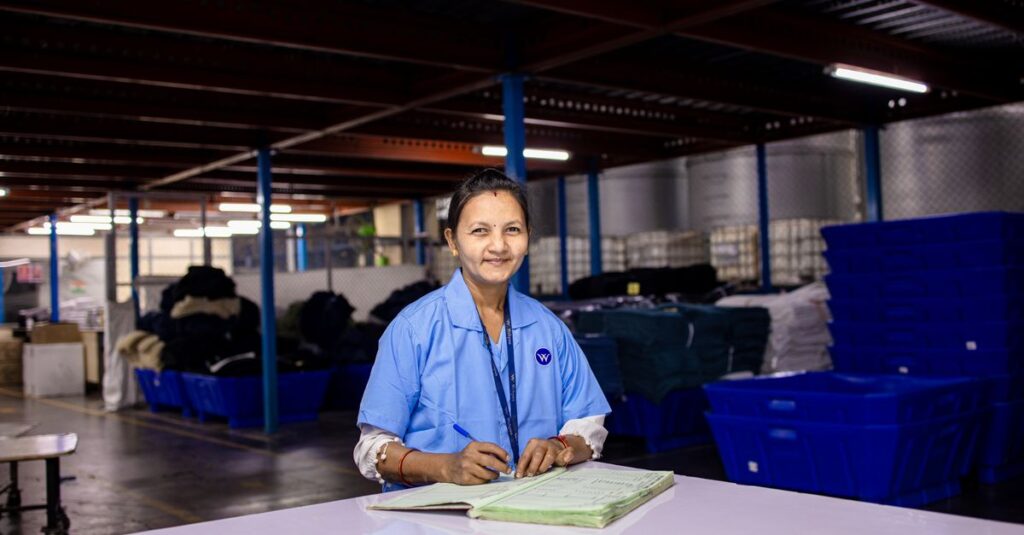
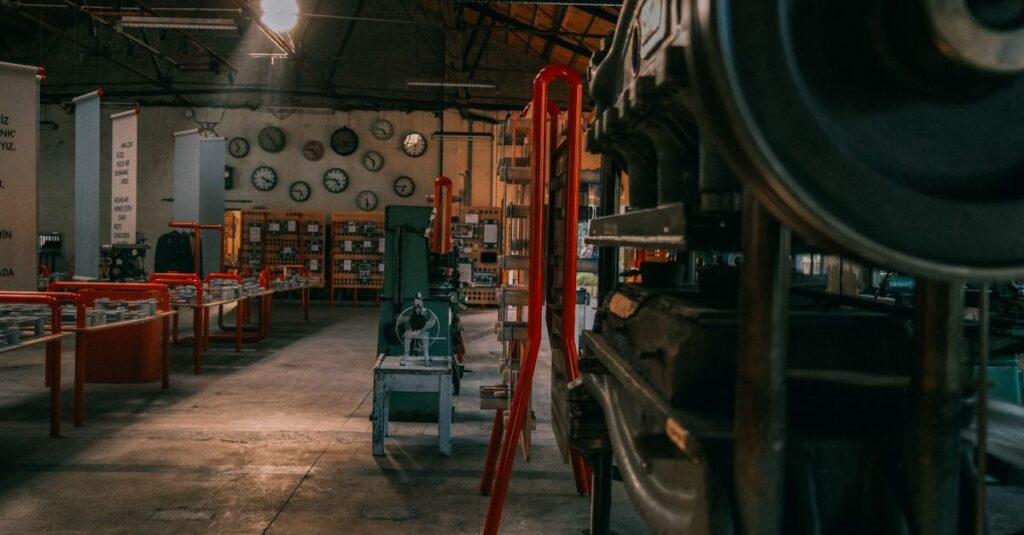
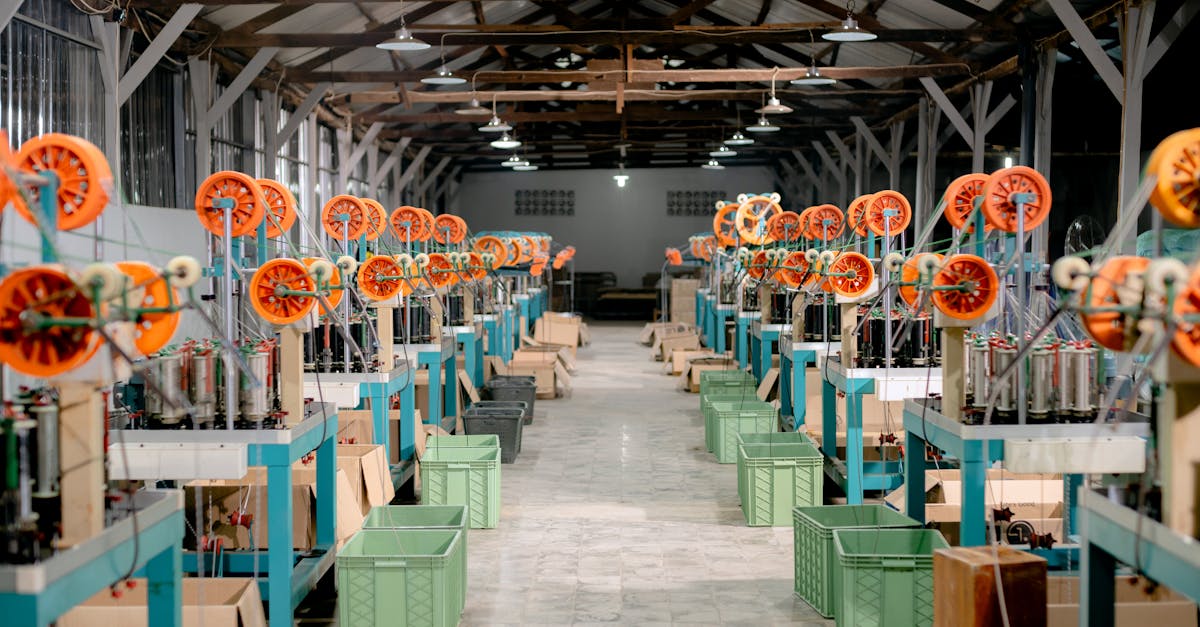
Let me drop you into a real scene. Say it’s a Tuesday morning in Rajahmundry. The factory floor hums at 7 AM. The first shift is loading rolls of 54 GSM paper onto the offset printer. They’re running a batch of 20,000 A4 account books for a government tender. The air smells like ink and machine oil. A supervisor walks between rows, not checking for speed, but for consistency. Is the ruling alignment perfect on every sheet? Is the stitching thread tight? This isn’t art. It’s logistics meeting craftsmanship.
I was talking to one of our production managers about this last week — over tea, actually — and he said something I keep thinking about. “The most capable buyers,” he said, “are the ones who ask about the paper before they ask about the price.” I don’t have a cleaner way to put it than that.
The Real-Life Micro-Story
Meet Priya. She’s 38, a procurement officer for a chain of private schools in Hyderabad. Last quarter, she ordered 50,000 custom notebooks for their new academic year. The supplier promised “perfect binding.” The books arrived. The covers were gorgeous, the printing was sharp. But by week three, pages were falling out. The binding was weak. Priya didn’t know that “perfect binding” has a specific glue application process, and if the humidity in the factory isn’t controlled that week, the glue fails. She learned the hard way. Now she asks, “What binding method, exactly? And what’s your quality check for that step?” She stands in her office, looking at a pile of returned notebooks, knowing the headache she has to explain to her principal.
Which is… a lot to sit with.
Paper, Binding, and The Choices You Face
When you’re sourcing, you’re basically making three big decisions. Each one changes the final product — and the price.
Paper Quality & GSM
This is probably the biggest reason for cost variation. GSM stands for Grams per Square Meter. It’s the weight and thickness of the paper. Standard notebook paper is around 54 GSM. It’s smooth, holds ink well, and is cost-effective for bulk. But if you need something more durable, like for a premium corporate diary, you jump to 70 or 80 GSM. Thicker. Heavier. More expensive. The thing about GSM is that it directly affects the writing experience and the perceived quality. A 54 GSM book feels like a school notebook. A 80 GSM book feels like a gift.
Binding Types
How the pages stay together. This is where function meets form.
- Stitched Binding: Thread is used to sew the pages together. Classic. Very strong. Common for school notebooks and account books. It’s durable but can limit how flat the book opens.
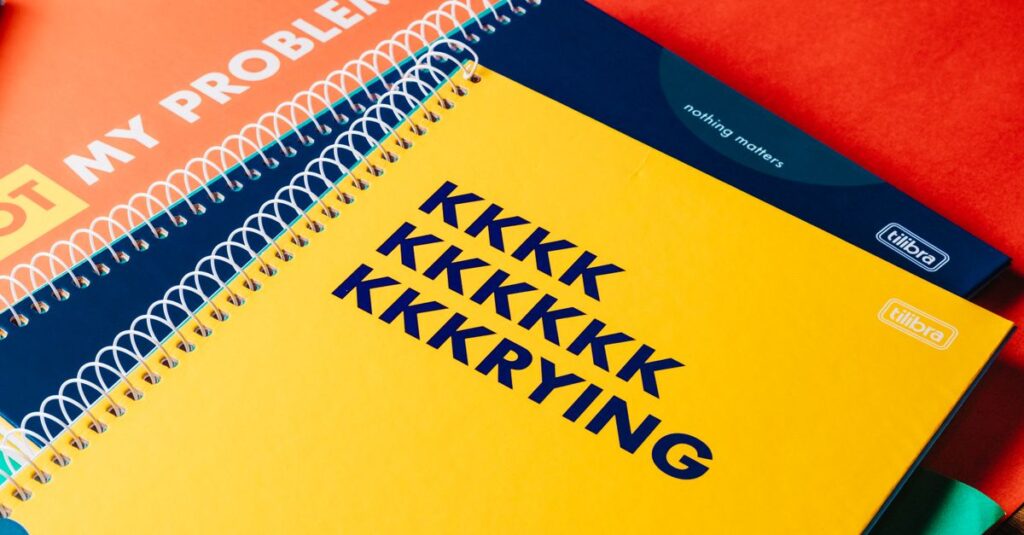
- Spiral Binding: A metal or plastic coil runs through holes punched along the edge. Lets the book open flat and lie completely flat. Great for drawing books, project notes. But the coils can bend or snag.
- Perfect Binding: Uses a strong adhesive to glue the pages together at the spine. Creates a clean, squared-off look like a paperback book. Common for corporate diaries and premium notebooks. The risk? If the glue isn’t right, pages detach. Humidity matters.
You need to match the binding to the use. Students flipping pages fast? Stitched. Architects needing flat pages? Spiral. A boardroom diary that looks sleek? Perfect binding.
Customization & Printing
This is where your brand or institution’s identity comes in. Custom covers. Logo printing. Private label manufacturing. You can get anything printed on the cover or even on the pages. But the print method matters. Offset printing is for large runs, crisp colors. Digital printing is for smaller batches, quicker turnarounds. The question isn’t whether you can customize. It’s whether your manufacturer can do it without compromising the binding or paper quality in the rest of the process. I’ve seen beautiful covers on poorly bound books. It’s a shame.
If customization is your main goal, you need to look for a manufacturer that integrates it into their core line, not as an afterthought.
School Notebooks vs. Corporate Diaries
They’re both “books,” but the manufacturing priorities are completely different. Most bulk suppliers serve one market well and struggle with the other. Here’s why.
| Feature | School / Institutional Notebooks | Corporate / Premium Diaries |
|---|---|---|
| Primary Focus | Cost-effectiveness, durability, volume | Branding, aesthetics, perceived value |
| Paper GSM | Standard 54 GSM (writing paper) | Higher 70-80 GSM (premium paper) |
| Binding Method | Stitched binding (strong, cheap) | Perfect binding or spiral (looks, function) |
| Cover Priority | Simple, functional, often plain | High-design, custom printed, laminated |
| Production Speed | Very high (30-40k units/day possible) | Slower, with more quality checks |
| Key Buyer Concern | Unit price, delivery timeline | Sample quality, brand alignment |
| Common Mistake | Sacrificing paper quality for price | Focusing only on cover, ignoring binding |
The real problem: factories optimized for high-speed school notebook production might not have the same finesse for corporate diary details. And vice versa. You need to know which kind of manufacturer you’re talking to.
How to Find a Reliable Book Making Partner
This isn’t about checking a website and sending an email. It’s about asking the right questions. Because a reliable manufacturer isn’t just someone who can make notebooks. It’s someone who understands why you need them.
Three Questions You Must Ask
1. “Can I visit the factory?” This is the most direct test. A confident manufacturer will say yes. You see the machinery, the workflow, the storage conditions. You smell the paper. You see the binding process. If they hesitate, think twice.
2. “What is your daily production capacity for my specific type of notebook?” Don’t ask for generic capacity. Ask for capacity for, say, “A4 double-ruled account books with stitched binding.” Their answer tells you if your order fits their normal rhythm or will be a special, problematic run.
3. “What is your quality control process for binding strength?” They should have a specific answer. “We test every batch with a page-pull test.” Or “We check glue viscosity daily.” Vagueness here means quality is variable.
Earlier I said knowing the process is key. That’s not quite fair — it’s more that knowing how THEY manage the process is everything.
Expert Insight
I was reading an old industry report recently and one line stuck with me. It said that in notebook manufacturing, the difference between a good supplier and a great one isn’t the machinery — it’s the tolerance for error. A great factory has systems to catch mistakes before they leave the floor. A good factory fixes mistakes after they’re reported. I think about that when I walk our lines. The silence has weight when a machine stops for a check. That’s the culture you’re buying into, not just the product.
Final Thoughts
Book making, in the end, is a blend of industrial process and craft. For bulk buyers, the stakes are high. A bad batch means logistical nightmares, financial loss, and trust broken. A good partnership means consistency, reliability, and peace of mind.
I don’t think there’s one perfect manufacturer for everyone. Probably there isn’t. But if you’ve read this far, you already know what you’re looking for — you’re just figuring out if it’s okay to ask for it. You should. Start by looking at someone who’s been doing it for longer than you’ve been buying.
Frequently Asked Questions
What is the most common mistake in bulk notebook orders?
The most common mistake is focusing only on the unit price and not asking for a physical sample first. You need to feel the paper, test the binding, and see the print quality in person before committing to thousands of units. A cheap price often means compromised paper GSM or binding strength.
How long does the book making process usually take?
For a standard bulk order of, say, 10,000 notebooks, the entire process — from finalizing specs to production, quality checks, and packing — typically takes about 15 to 20 working days. Customized orders with complex cover printing might take a week longer. Always ask for a detailed timeline breakdown.
What is GSM and why does it matter?
GSM (Grams per Square Meter) is the measure of paper thickness and weight. Standard notebook paper is around 54 GSM. Higher GSM (like 70 or 80) means thicker, more premium paper that feels more substantial and is less likely to tear. It directly affects the writing experience and the product’s perceived quality.
Can I get different rulings on the same page?
Yes, but it’s a specialized process. Common rulings are Single Ruled (SR), Double Ruled (DR), Four Ruled (FR), and Cross Ruled (CR). You can order notebooks with different rulings for different pages, but it requires precise printing setup and is more common in custom order books like accounting or graph books.
Is spiral binding stronger than stitched binding?
Not necessarily. Stitched binding (using thread) is generally considered more durable for everyday rough use, like in schools. Spiral binding allows the book to open flat but the metal or plastic coil can bend or snap if mishandled. The choice depends on the primary use, not just strength.