Okay, Let’s Get This Straight
You’re typing “banner printers near me” into Google right now. I know exactly what you’re looking for. You need banners. Or maybe you think you do. But I’ll tell you the thing nobody says in those top ten search results — the word “banner” in printing doesn’t mean what you think it means half the time. And searching “near me” is probably the wrong way to start. Right?
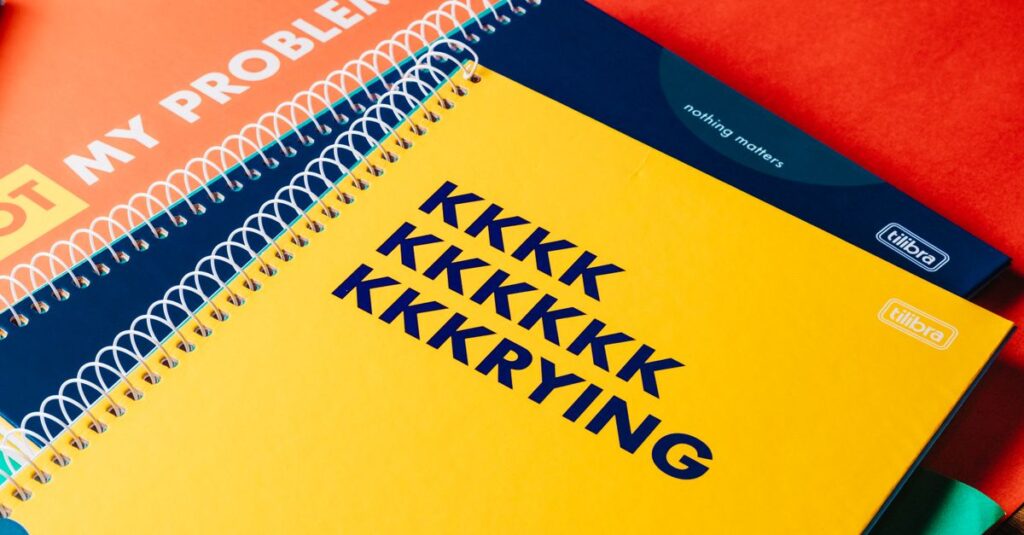
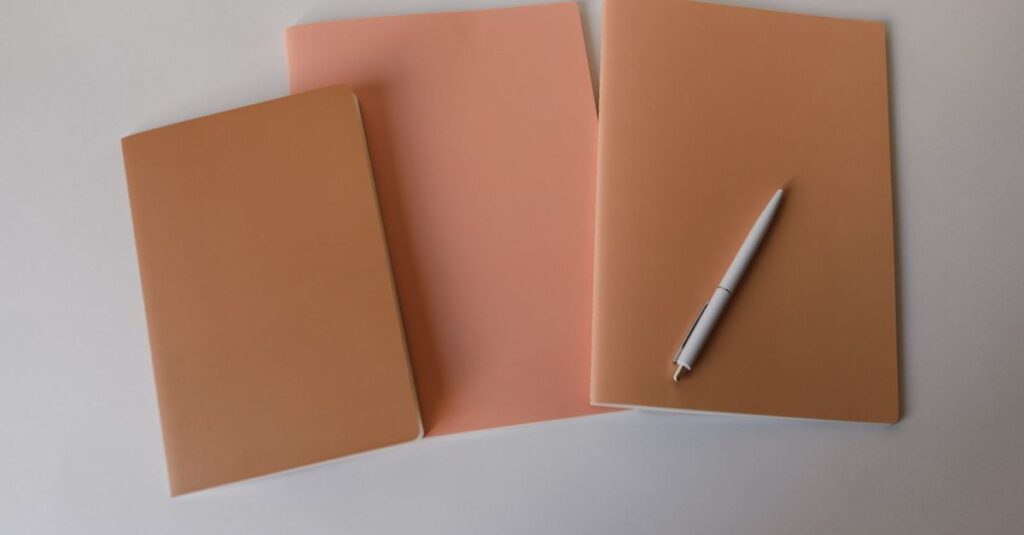
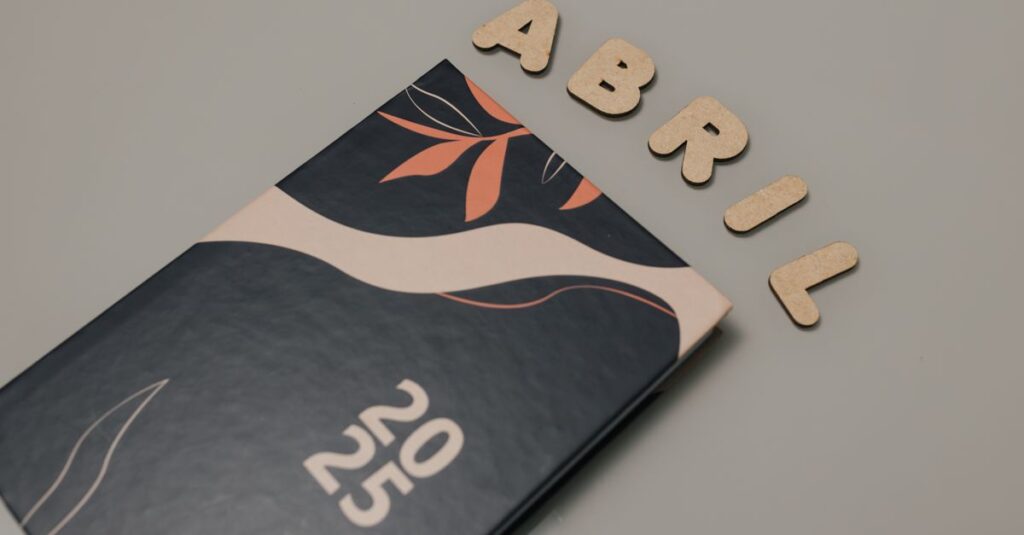
You’re a procurement manager, a school administrator, or someone who needs a thousand notebooks printed with your logo. You see “banner” and think of large-format vinyl prints for events. That’s one meaning. But in the manufacturing world — the world I’ve been in for 40 years — “banner” often refers to the cover. The printed front of a notebook, diary, or account book. The bit that shows your brand. You’re not just looking for a local shop with a big printer; you’re looking for a manufacturer who can handle bulk, binding, paper sourcing, and shipping. That’s a different game.
Here’s the real problem: most local print shops can’t do that. They can print a single banner. They can’t produce 30,000 bound notebooks a day. So if this is what you’re actually after, you might want to look at this.
What a “Banner Printer” Actually Does
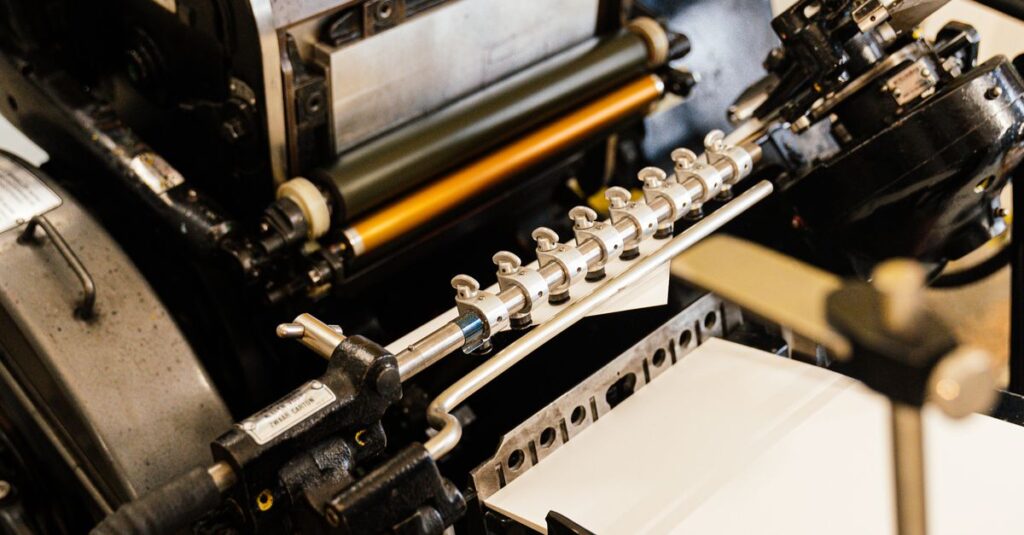
Let’s break it down. A banner printer, in the commercial sense, is a machine or service that prints on large sheets. Think event signage, retail displays, that sort of thing. But when you’re ordering corporate diaries or school notebooks, the “banner” is your custom cover. The printing happens on paper — often a specific grade of cover stock — before it’s bound into a book.
Three things happen here:
- The design is finalized (your logo, artwork, text).
- The paper is selected (thickness, finish, durability).
- The printing method is chosen (offset for bulk, digital for short runs).
It’s not just slapping ink on a big roll. It’s a manufacturing step. The cover gets printed, then it goes to the binding line, meets the inner pages, and becomes a product. Searching for a “banner printer near me” might find you a guy with a plotter in a warehouse. He can’t bind a book. He can’t source 54 GSM writing paper. He can’t guarantee 320-page notebooks won’t fall apart.
I’ve seen this confusion cost people time. And money.
The “Near Me” Trap
Look, I’ll be direct. The “near me” search is about convenience. You want someone local you can visit, maybe see a sample, talk face-to-face. That feels safe. But with bulk notebook manufacturing, geography often doesn’t matter. What matters is capacity, quality control, and the ability to ship wherever you are.
I was talking to a procurement officer from Hyderabad last week — over a call, actually — and he said his team spent three weeks visiting “local banner printers” in the city. They got quotes for printing single posters. None could handle the 15,000 custom notebooks his college needed. The local advantage evaporated.
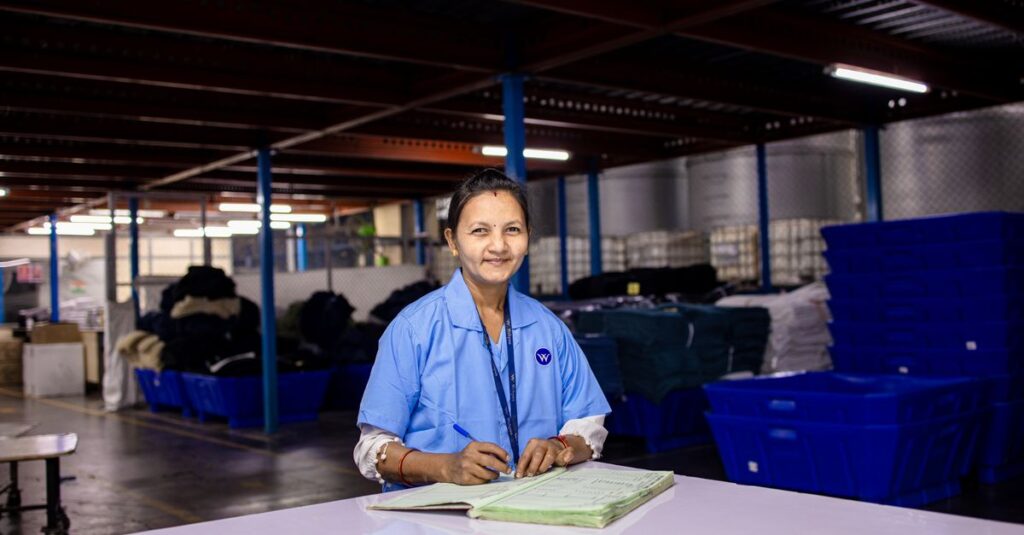
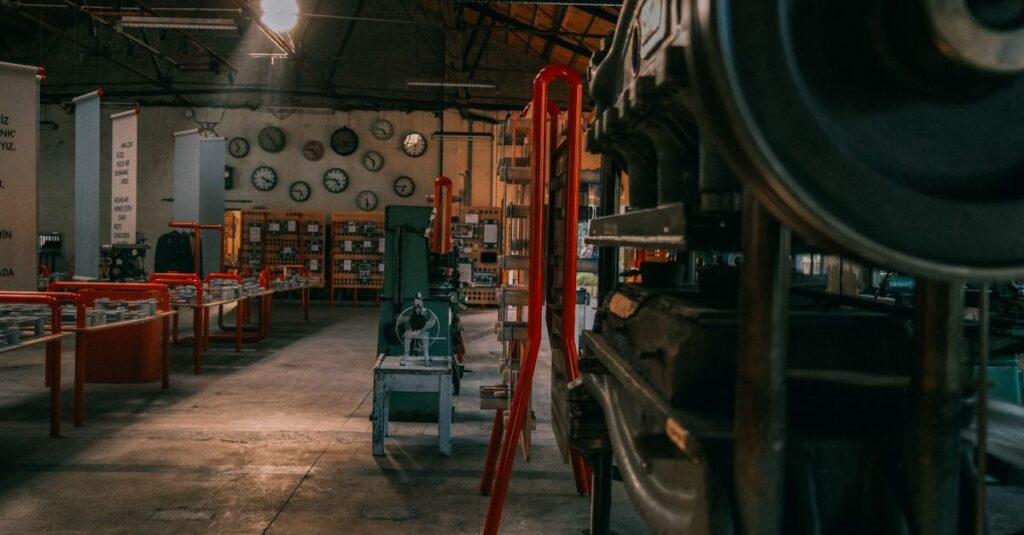
Here’s the thing — your need isn’t for a printer. It’s for a manufacturer. A factory. A place that does paper, printing, binding, and packing as one process. That’s rarely next door. It’s often in an industrial town like Rajahmundry, where the supply chains for paper and machinery are set up for volume. The search for “near me” limits you to services. You need production.
A Real-Life Micro-Story
Anita, 38, procurement manager for a chain of private schools in Bangalore. She needed 5,000 custom notebooks for the new academic year, each with the school’s crest on the cover. She Googled “banner printers near me,” found three shops in Koramangala. Each could print the crest on a sheet. Great. But then she asked about binding, page ruling, bulk pricing. Silence. One guy said he could “stitch them somehow.” She didn’t trust that. She spent two weeks going back and forth. The deadline got closer. The stress was real — not just about cost, but about quality. What if the notebooks fell apart in a student’s hands?
She finally called a manufacturer directly. Problem solved in days.
What You Should Actually Look For
Instead of “banner printers near me,” your search should be for:
- Bulk notebook manufacturers
- Custom cover printing services
- Integrated printing and binding facilities
- Paper quality guarantees (like 54 GSM writing paper)
- Production capacity per day
These aren’t local search terms. They’re industry terms. And they lead you to companies that can actually do the job.
Think about it this way: if you need 10,000 notebooks, you’re not buying printing. You’re buying a manufactured product. The printing is just one step in a longer line. You need someone who controls that entire line.
That’s where companies like ours come in — not because we’re near you, but because the factory is set up for your scale.
The Manufacturing Process Behind Your “Banner”
Let’s pull back the curtain. When you order custom notebooks, what actually happens?
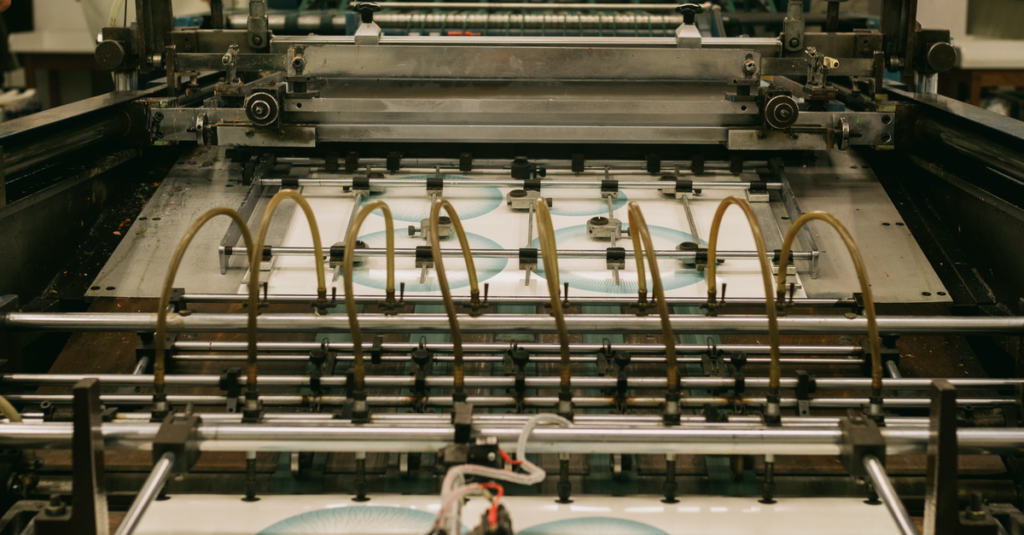
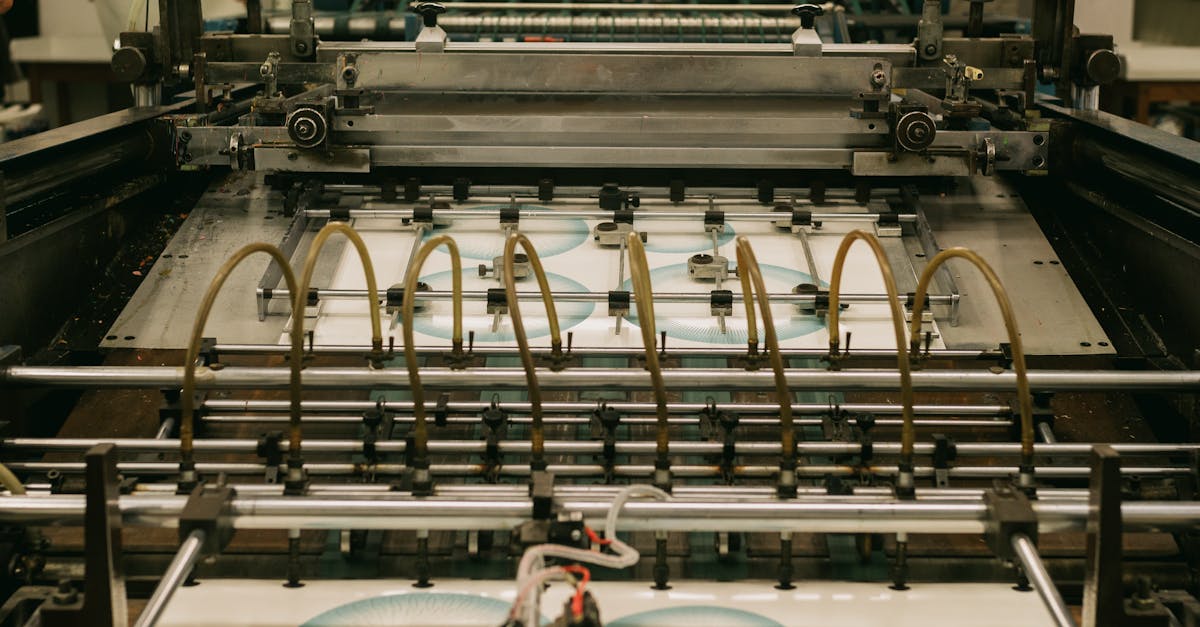
First, the cover paper is selected. It’s heavier than the inner pages. Then your design is printed onto it — that’s the “banner” printing step. This could be offset printing (for large runs, cost-effective) or digital (for smaller batches, more flexible). The printed cover sheets are stacked.
Meanwhile, the inner pages are being produced. Paper is cut to size — King Size (23.6×17.3 cm), Long (27.2×17.1 cm), whatever you need. The ruling is applied: Single Ruled, Double Ruled, Unruled. The pages are collated.
Then binding. Stitched binding for durability, spiral for flexibility, perfect binding for a clean look. The cover meets the pages. The notebook is born.
Finally, packing — bulk packing for shipping to your school, office, or distribution center.
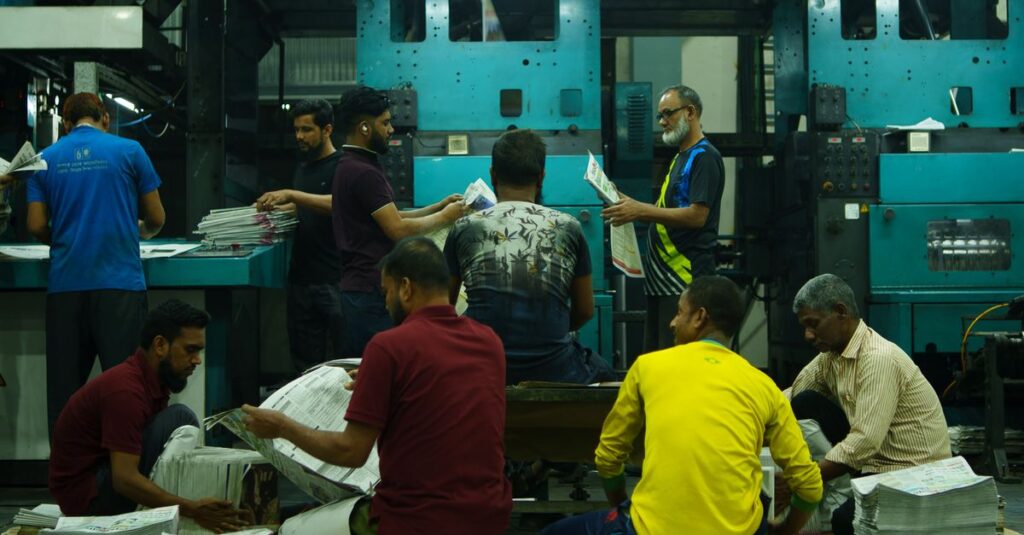
This isn’t a “print shop” process. It’s a factory process. Searching for a local banner printer misses 80% of what you need.
Expert Insight
I was reading an industry report last month and one line stuck with me. It said that in bulk stationery manufacturing, the biggest cost isn’t the printing ink or the paper. It’s the coordination between stages. If printing, cutting, and binding are done by different vendors — maybe ones you found “near me” — the margin for error, delay, and quality drop is huge. A single manufacturer controlling the whole flow reduces that risk to almost zero. I don’t have a cleaner way to put it than that. The closer you are to a single source, the safer your order is.
Banner Printing vs. Notebook Manufacturing: A Comparison
Let’s lay this out clearly.
| Factor | Local Banner Printer | Integrated Notebook Manufacturer |
|---|---|---|
| Primary Service | Printing large-format graphics on vinyl, paper, or fabric. | Printing, paper conversion, binding, and packing into finished notebooks. |
| Scale | Best for single items or small batches. | Built for bulk orders (thousands of units per day). |
| Binding Capability | Usually none. You get a printed sheet. | Full binding options: stitched, spiral, perfect. |
| Paper Options | Limited to what they stock for banners. | Multiple GSM weights, ruling types, page counts (52 to 700 pages). |
| Output | A printed banner or sheet. | A finished, usable notebook product. |
| Quality Control | Focus on print quality only. | Control over paper, print, binding strength, and final product durability. |
| Shipping & Logistics | Local pickup or small deliveries. | Bulk packing, palletization, and shipping nationally or internationally. |
The table makes it obvious. You’re not comparing similar services.
When “Near Me” Actually Makes Sense
I don’t want to say local is always wrong. Sometimes it’s perfect.
If you need 50 custom notebooks for a workshop, a local print shop with a digital printer and a small binding machine might be fine. If you need a one-off banner for a conference booth, “near me” is the right search.
But for institutional orders — schools, corporations, government supplies — the volume changes everything. The logistics change. The quality expectations change. You’re not buying a service; you’re buying a supply chain. And that chain rarely lives “near you.” It lives where the industry lives.
Earlier I said searching “near me” is the wrong way to start. That’s not quite fair — it’s more that it’s the wrong way to finish. Start by understanding what you really need: printed covers or finished notebooks? Then decide if proximity matters.
FAQ: What People Actually Ask
Frequently Asked Questions
What does “banner printing” mean in notebook manufacturing?
In our industry, “banner printing” usually refers to printing the custom cover or front page of a notebook, diary, or account book. It’s not about large event signage. It’s about applying your logo, design, or text to the cover stock before binding.
Can a local banner printer make full notebooks?
Most cannot. They specialize in printing on large sheets (vinyl, paper) for displays. They typically don’t have the machinery or paper inventory to produce ruled inner pages, bind them, and pack in bulk. You’d get a printed cover sheet, not a finished book.
What should I ask when looking for a notebook manufacturer?
Ask about daily production capacity, binding types offered, paper GSM options, ruling choices, and their experience with bulk orders for schools or corporations. The right manufacturer will answer these easily. A print shop might hesitate.
Is it cheaper to use a local printer for bulk notebooks?
Often, no. Local printers charge per print job and may outsource binding, raising costs and risking quality. A dedicated manufacturer has integrated costs, controls quality, and offers better bulk pricing because the entire process is in one facility.
How do I get samples before a large order?
Contact a manufacturer directly. Most, like us, will produce sample notebooks with your design and send them to you for approval before production starts. This is standard in bulk manufacturing. A local banner printer can only send a printed sheet sample.
Final Thought
The search “banner printers near me” comes from a good place — you want a solution close by, tangible, quick. But the need behind that search is often bigger. It’s for a product, not just a print.
Understanding that difference saves you weeks of dead-end meetings and quotes that don’t match your actual requirement. You need notebooks, not banners. You need a factory, not a shop.
I don’t think there’s one answer here. Probably there isn’t. But if you’ve read this far, you already know what you’re looking for — you’re just figuring out if it’s okay to look beyond “near me.” It is. Maybe start by talking to someone who does this every day.