Introduction
You’ve got a list – 500 notebooks for the new school year. Or 200 branded ones for your company’s conference. You need them to be practical, durable, and look professional. And somewhere in the middle of that list, you’ll see it: A4 spiral notebook. It’s a standard. But here’s the thing – a lot of people ordering in bulk don’t really know why it’s a standard. They just know they need it. I’ve talked to procurement managers for years, and the conversation always starts with the size, but the real headache is in the details. The binding. The paper. The custom printing for your logo. That’s where the questions pile up. If you’re looking at a big order, figuring out exactly what you’re buying – and why – matters more than you think.
So let’s talk about it. Not as a sales pitch, but from the other side of the factory floor. We’ve been making notebooks since 1985 at Sri Rama Notebooks, and if there’s one product that gets ordered on repeat, it’s the A4 spiral. It’s not glamorous. It’s just useful. And that usefulness has a few layers you should peel back before you place an order.
What Exactly Is an A4 Spiral Notebook?
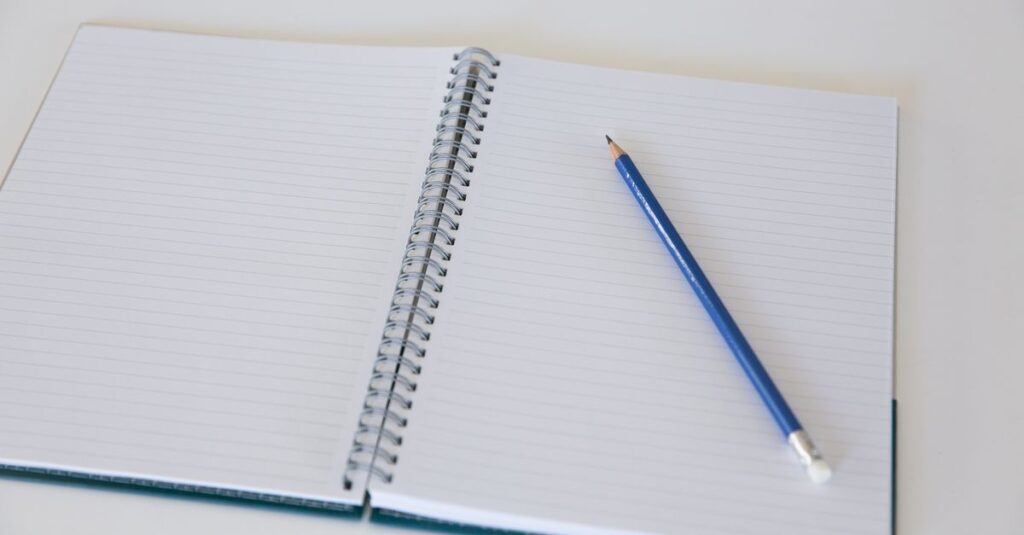
First, the size. A4 is 21.0 cm by 29.7 cm. That’s 8.3 inches by 11.7 inches if you prefer. It’s the international standard paper size for letters, documents, reports – and, of course, notebooks. It’s big enough for proper notes, sketches, meeting agendas, but not so big that it’s cumbersome to carry. Think of it as the universal workhorse size.
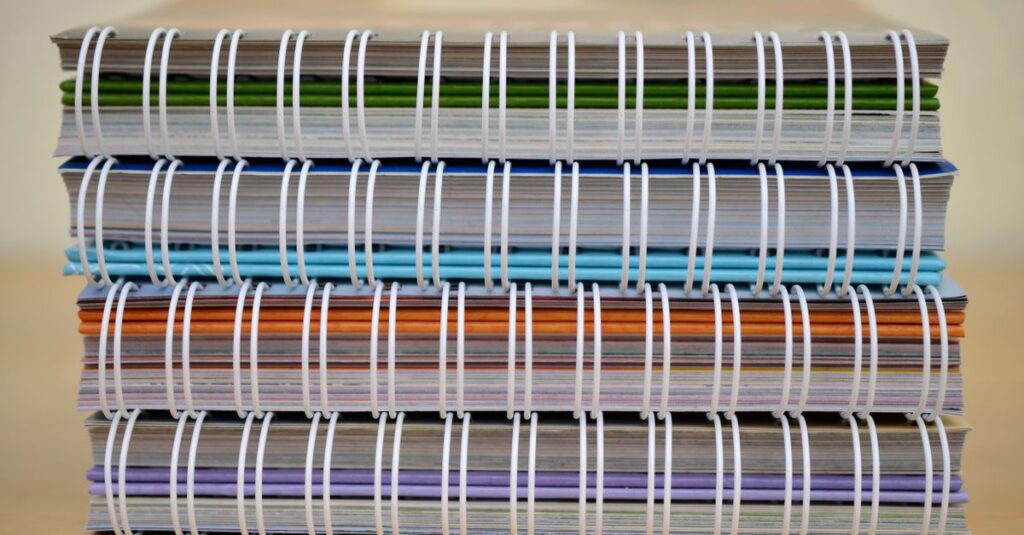
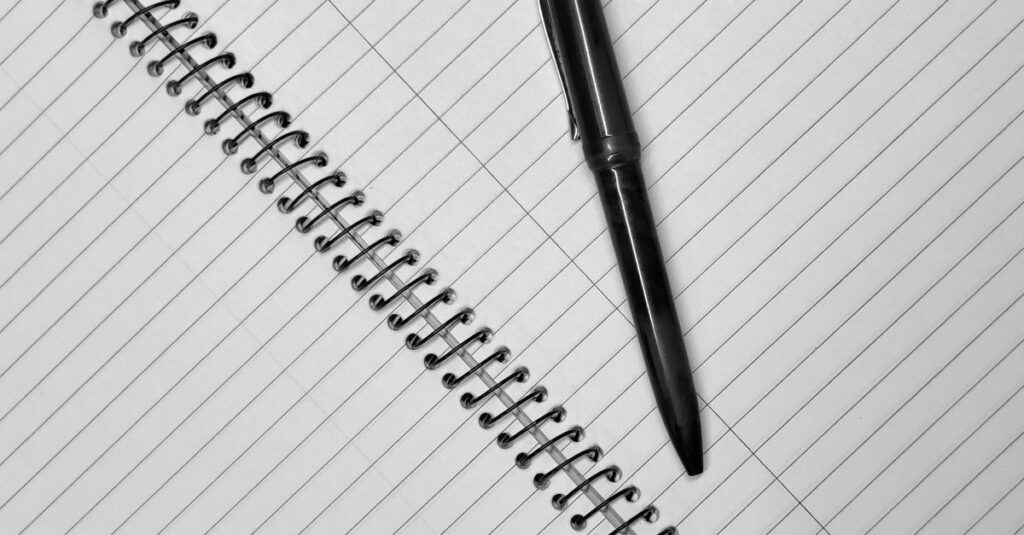
Then, the spiral. The metal or plastic coil that runs through the punched holes along the spine. It lets the notebook lie flat when open. Pages can be turned 360 degrees. You can tear a page out without destroying the whole binding. That’s the practical bit. But from a manufacturing perspective, spiral binding is a specific process. It’s not just stitching pages together; it involves precise hole punching, inserting the coil, and crimping the ends. It’s more equipment-intensive than, say, a simple stitched notebook. Which means when you’re ordering in bulk, the quality of that spiral – the gauge of the wire, the tightness of the coil – directly impacts how long the notebook lasts. A cheap spiral snags, bends, and pages start falling out. A good one holds up through a full school year or a dozen business trips.
Anyway. Where was I. The point is, an A4 spiral notebook is a specific product with specific manufacturing requirements. It’s not just “a notebook.” It’s a combination of a globally recognized page size and a binding method chosen for function over permanence. Most people don’t think about that until they’re holding one that’s failing.
Why Spiral Binding? (And When It’s Not The Answer)
Spiral binding gets chosen for one main reason: flat-laying usability. Students can write comfortably. Professionals can flip pages during a presentation. Artists can sketch across the full spread. It’s functional. But I’ll be direct – it’s not always the right choice.
For record books that need to sit on a shelf for years, or account books that get handled daily, a stitched or perfect binding is often stronger. The spiral is exposed. It can get damaged. I was talking to a school distributor last month – over a very bad phone line, actually – and he said the biggest complaint he gets isn’t about paper quality. It’s about spirals bending in backpacks. So if you’re ordering for a rough-use environment, you need to consider a thicker gauge coil or even a different binding type. Our product range includes all types, because one size doesn’t fit all situations.
Look, if your primary need is easy page turning and a flat surface, spiral is perfect. If your primary need is durability under pressure, maybe look at stitched. The question isn’t which is better. It’s what problem are you solving for the person who’s going to use this thing every day?
The Real-Life Use Cases (Beyond Just “Notebooks”)
Here’s a micro-story that stuck with me. Priya, 28, a project manager in Hyderabad. She orders 75 A4 spiral notebooks every quarter for her team’s client meetings. She told me she doesn’t need them for notes. She needs them for the handouts they pre-print and insert into the notebooks before meetings. The spiral lets her team easily add and remove those pre-printed sheets. The A4 size matches their standard report format. She said the brand logo on the cover matters almost as much as the paper quality – it’s part of the client’s first impression. She wasn’t buying notebooks. She was buying a presentation tool.
And that’s common. Schools use them for lab journals because pages can be removed for assessment. Architects use them for sketch pads. Businesses use them for training manuals. The A4 spiral isn’t a single-use product. It’s a platform. Which means when you’re ordering custom printed ones, you’re not just putting a logo on a cover. You’re branding a tool. That’s a different mindset.
Expert Insight
I was reading an industry report last year – I can’t remember the exact source, but the line was clear. In bulk stationary procurement, the biggest cost isn’t the unit price. It’s the replacement cost when the product fails prematurely. A notebook that lasts a full academic year saves a school more money than a cheaper one that needs replacing in six months. It’s not about the initial purchase. It’s about the total lifecycle of the product in the hands of the end user. Don’t quote me on the exact percentage, but the difference is significant. And for spiral notebooks, that lifecycle hinges on two things: coil strength and paper binding to the coil.
A4 Spiral vs. Other Common Notebooks
Most people comparing notebooks look at page count and price. They should look at application. Here’s a quick breakdown.
| Feature | A4 Spiral Notebook | Long Notebook (Stitched) |
|---|---|---|
| Primary Use | Professional notes, presentations, sketches, lab work | School exercises, general writing, daily notes |
| Binding | Metal/Plastic coil, pages lie flat, removable | Thread stitched, rigid spine, pages not removable |
| Durability Focus | Coil strength, page-per-hole integrity | Spine strength, cover durability |
| Customization | Full cover print, inside cover print possible | Cover print, limited inside options |
| Bulk Order Consideration | Coil gauge specification, hole punch precision | Thread quality, stitching machine consistency |
| Typical Page Count | 92, 200, 240 pages | 52, 92, 200 pages |
| Cost Driver | Coil material, precise manufacturing process | Paper volume, simpler binding process |
The table makes it obvious – they’re different tools. Choosing one over the other isn’t about price. It’s about function. If you need pages to lie flat and be removable, spiral is your only option. If you need a notebook that withstands rough handling in a bag for months, a stitched binding might be more robust. Most of our corporate clients go for spiral. Most schools mix both.
What Bulk Buyers Should Look For (The Checklist)
If you’re a procurement manager, a school administrator, or a distributor placing an order for hundreds of A4 spirals, here’s what you need to ask. Not just the price per unit.
- Coil Gauge: Ask for the thickness. A thinner coil will bend. A thicker one (like a 9mm or 11mm) holds shape. This is probably the biggest factor in longevity.
- Paper GSM: The weight of the paper. For A4 spirals used for writing, 54-60 GSM is standard. For sketching or heavier ink, you might want 70 GSM. Heavier paper also supports the spiral better.
- Hole Punching: How many holes per page? The standard is 21 holes for A4. But the precision of the punching matters – misaligned holes cause pages to catch and tear.
- Cover Material: Is it a standard paper cover, or a laminated one? For branded corporate notebooks, lamination protects the logo and gives a premium feel.
- Custom Printing Capacity: Can the manufacturer print your logo clearly on the cover? What about the inside cover or first page? Do they need a minimum order quantity? Our printing services handle this daily, but not all factories have the same setup.
And honestly? The most overlooked thing is sample testing. Before you order 5000 units, get a sample. Use it. Bend the coil. Write on the pages. Try to tear a page out. See how it behaves. It’s the cheapest quality check you can do.
The Manufacturing View (From The Factory Floor)
From our side – making these things day in, day out – the A4 spiral notebook is a process. It starts with the A4 sheet cutting. Then the ruling (single ruled, unruled, etc.). Then the collating – gathering the pages in sets. Then the hole punching. That’s a critical step. If the punch is dull or misaligned, the holes are rough and the pages don’t sit right on the coil. Then the coil insertion. We use automatic machines for this, but someone still watches the tension. Too tight, pages don’t turn. Too loose, pages wobble. Then the crimping – sealing the ends of the coil so it doesn’t unravel. Then the cover application and printing.
It’s not a complicated product. But it’s a precise one. Every step adds a point of potential failure. And when you’re producing 30,000 to 40,000 notebooks a day, like we do, consistency across every unit is the actual challenge. It’s not about making one perfect notebook. It’s about making the ten-thousandth notebook just as good as the first. That’s what bulk buyers are really paying for – consistency.
Right. So if you’re evaluating a manufacturer, ask about their production capacity and quality checks at each stage. Do they check the coil gauge batch? Do they test the punching alignment regularly? It’s these behind-the-scenes steps that determine whether your bulk order arrives uniform and reliable, or a mixed bag of good and bad.
Frequently Asked Questions
What is the standard page count for an A4 spiral notebook?
The most common page counts are 92, 200, and 240 pages. It depends on the use. For school or general office use, 92 pages is typical. For project documentation or artists, 200 or 240 pages gives more capacity. You can also get custom page counts if you’re ordering in bulk from a manufacturer.
Can I get my company logo printed on an A4 spiral notebook?
Absolutely. Most manufacturers, including us, offer custom cover printing. You provide the logo design, and it gets printed on the front cover (and often the back or inside cover). This is standard for corporate orders. The key is to work with a manufacturer that has good offset or digital printing capabilities to ensure the logo is sharp and clean.
Is spiral binding stronger than stitched binding?
Not necessarily. It’s different. Spiral binding is great for flexibility and flat laying, but the exposed coil can be vulnerable to physical damage. Stitched binding has a protected spine and is often more robust for books that will be tossed around a lot. Strength depends on the quality of materials and construction in both cases.
What paper quality (GSM) is best for A4 spiral notebooks?
For everyday writing with pens or pencils, 54-60 GSM paper is smooth and sufficient. If the notebooks will be used for heavier ink (like fountain pens) or sketching, a 70-80 GSM paper prevents bleed-through and provides a stiffer page that supports the spiral better. The best GSM depends entirely on the end user’s writing tools.
What is the minimum order quantity for custom A4 spiral notebooks?
This varies by manufacturer. Some may require 500 units for custom printing, others might go as low as 100 for simple logo imprint. For full custom design (cover, inside pages, ruling), the MOQ is usually higher. It’s always best to discuss your specific needs directly with the factory – like us at Sri Rama Notebooks – to get a clear quote and MOQ.
Conclusion
At the end of the day – and I mean literally at the end of a production day – an A4 spiral notebook is just a tool. But the right tool, made with the right attention to detail, makes a difference for the person using it. For bulk buyers, the choice isn’t just about picking a product from a catalog. It’s about understanding what happens inside that product, from the coil to the paper to the punch. That understanding helps you ask the right questions, specify the right details, and ultimately get a notebook that does its job without failing halfway.
I don’t think there’s one perfect specification for everyone. Probably there isn’t. But if you’ve read this far, you’re likely someone who needs these notebooks to perform reliably for a school, a business, or an institution. You’re just figuring out how to ensure that happens. Getting a sample, asking about the coil gauge, checking the printing capability – these small steps separate a good bulk order from a problematic one.
If you want to see what a manufacturer-focused process looks like, or just get a sample to test for yourself, our door is always open. We’ve been doing this since 1985, and the conversation always starts with what you actually need, not just what we sell.