The thing about office stationery orders is that everyone has an opinion. Until they’re the one doing the ordering.
Then it’s a headache. You’re trying to coordinate, what, three different departments? Each with their own idea of what a “good” notebook is. The finance team needs one thing. The marketing team wants another. And you’re stuck in the middle, trying to find a single product that ticks all the boxes without blowing the budget. Sound familiar? That’s where the A4 spiral notepad comes in. It’s not a glamorous product. It’s not going to win design awards. But it is, in my experience, the single most requested item by people who actually have to write things down all day. They just want something that works. And honestly? That’s the whole job. If you’re looking for someone who just makes things that work, that might be worth a look.
What Even Is an A4 Spiral Notepad? Let’s Get Specific.
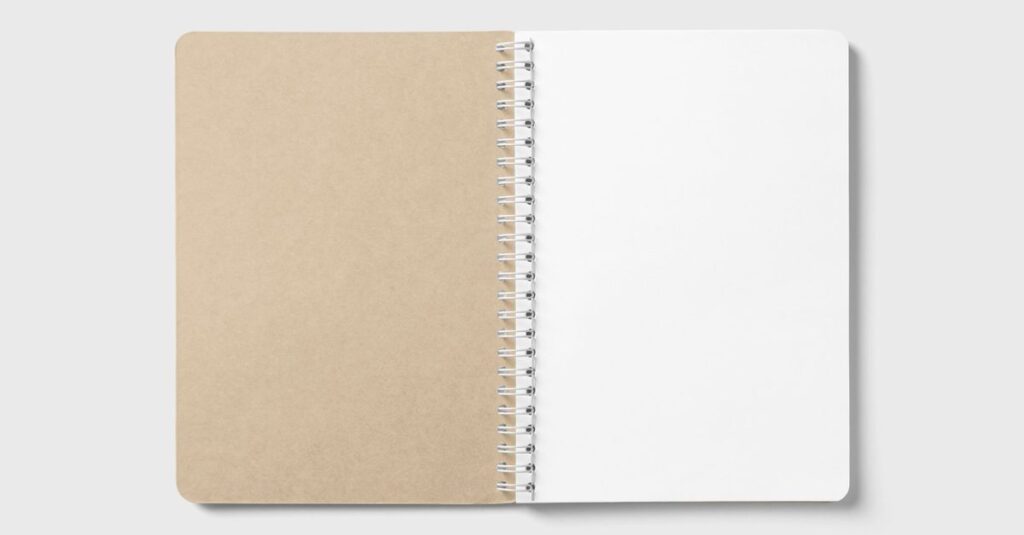
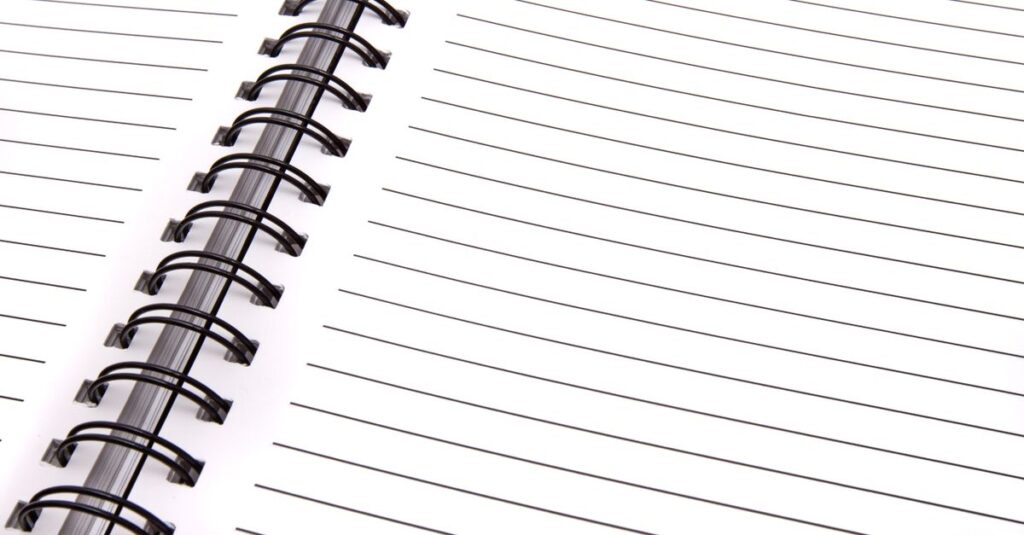
Right. So the term gets thrown around a lot. “We need A4 notebooks.” “Get some A4 pads.” But what are we actually talking about? It’s a notepad, which means it’s usually a stack of paper bound at the top. And it has a spiral binding — that metal wire coil that runs through a series of holes punched along the edge. This is the key part. The spiral is why you can fold the cover all the way back without the notebook fighting you. You know that satisfying *snap* when you open it? That’s the spiral doing its job.
Now, the A4 part. That’s the paper size. 210mm by 297mm. Or, for the people who’ve been doing this for forty years, 8.27 inches by 11.69 inches. It’s the international standard. It’s what your printers expect. It’s what fits in standard filing cabinets and document trays. The magic of A4 is that it’s big enough to feel substantial — you can fit a proper meeting agenda or a detailed sketch — but not so big that it’s cumbersome to carry. It sits comfortably in a laptop bag or a folio. The real question isn’t whether you need A4. It’s whether you’re ready to admit that everyone else in the building is already using it.
Who Actually Buys These by the Truckload? (Hint: It’s Not Just Offices)
Most people think: corporate offices. And yeah, that’s a huge chunk of it. Procurement managers for banks, insurance firms, IT companies — they all need reliable, consistent stationery. But that’s only half the story. The other half is less obvious.
- Schools & Colleges: Not for students, usually. For admin staff, for teachers’ planning, for exam invigilators. They need stacks of them, often with custom covers for different departments.
- Government Institutions: Municipal offices, public libraries, courts. The orders are massive, the specifications are exact, and the tendering process is… let’s call it thorough. They need a supplier who won’t flinch.
- Training & Development Centers: Every participant gets a notepad. Every workshop consumes hundreds. They need something durable enough to last the course, but cheap enough that giving them away isn’t a problem.
- Architects & Engineers: They want the spiral for the lay-flat function, and the A4 size for sketches and notes. They’re a picky bunch, but once they find a pad they like, they order it forever.
The common thread? These aren’t impulse buys. These are calculated, bulk purchases made by people who have to justify every line item. They’re not looking for a boutique experience. They’re looking for a dependable supply chain. And if your current chain isn’t feeling dependable, you might want to see what a different one looks like.
The Manufacturing Reality: What You’re Really Paying For
Look, I’ll be direct. When you buy a notepad, you’re paying for three things: paper, binding, and the cover. That’s it. But the devil — and the value — is in how those three things are done.
The paper needs to be the right GSM. Too light, and ink bleeds through. Too heavy, and the pad feels bulky and expensive for no reason. For a standard A4 spiral notepad that’s going to be used with ballpoint pens or pencils, you’re looking at paper around 70-80 GSM. It’s got a little tooth to it, so writing feels smooth, but it’s not glossy. Glossy paper is for brochures, not for notes.
The binding. This is where cheap notebooks fail. The spiral wire needs to be the right gauge — thick enough that it doesn’t bend out of shape when you toss the pad in a bag. The holes need to be cleanly punched, not ragged, or the pages will tear. And the ends of the spiral need to be crimped properly. You ever get a spiral notepad that snags on everything? That’s a bad crimp job. It’s a small detail that ruins the whole product.
And the cover. It’s not just cardboard. It’s chipboard, laminated. The laminate is what gives it that slight sheen and protects it from coffee spills and general desk abuse. A good cover is rigid. It provides a solid writing surface even if you’re holding the pad in your lap.
Expert Insight
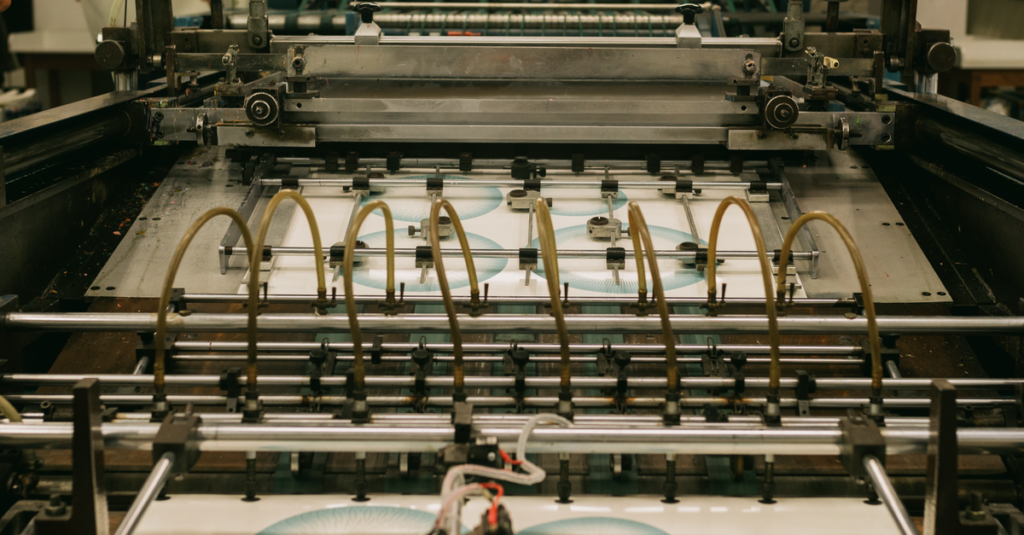
I was on a factory floor last year, watching the spiral binding machines. The foreman pointed at the wire coil feeder and said something I keep thinking about. “The trick isn’t speed,” he said. “Any machine can go fast. The trick is consistency. Every coil has to be exactly the same tension. If one is too tight, the pages don’t turn. Too loose, and the whole thing feels sloppy.” He shrugged. “It’s a simple product. So you have to get the simple things perfect.” I don’t have a cleaner way to put it than that.
A4 Spiral vs. Perfect Bound Notebook: The Real-World Comparison
Okay, so your colleague in marketing says they want “sleeker” notebooks. They’re probably talking about perfect binding — that glued spine you see on paperback books. It looks clean on a shelf. But is it right for a notepad? Let’s break it down.
| Feature | A4 Spiral Notepad | Perfect Bound Notebook |
|---|---|---|
| Lay-Flat Ability | Flawless. The whole point of the spiral. | Poor. You have to crack the spine, and even then it might not stay open. |
| Page Removal | Easy & clean. Pages tear out along the perforation next to the spiral. | Messy. You’re ripping pages from glue. Looks terrible. |
| Durability | High. The metal coil is tough. Cover provides a backboard. | Moderate. The glued spine can crack with heavy use. |
| “Professional” Look | Utilitarian, functional. Says “workhorse.” | Sleeker, more formal. Says “presentation.” |
| Best For | Daily note-taking, meetings, sketching, tasks that need the page to stay open. | Journals, final reports, documents meant to be kept intact and archived. |
| Cost (Bulk) | Generally lower. The binding process is efficient. | Can be higher, depending on cover and finishing. |
The takeaway? It’s about the job. If the paper is a tool for active work, get the spiral. If it’s a vessel for a finished thought, maybe consider perfect bound. But trying to use a perfect-bound notebook for quick, messy, productive note-taking is like using a scalpel to chop vegetables. The wrong tool makes everything harder.
The Customization Question: Logo, Layout, and Why It Matters
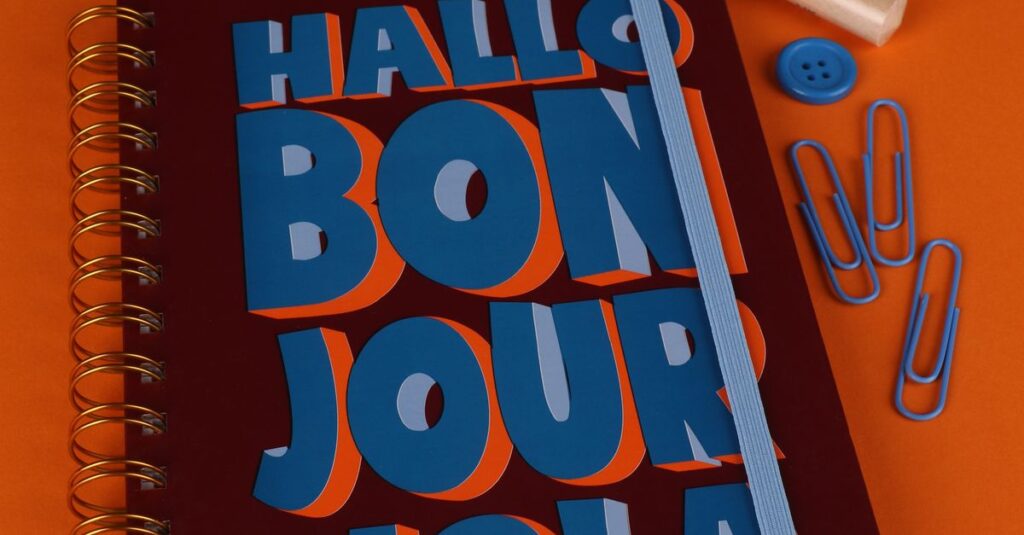
When you’re ordering 5000 notepads for a corporate conference, slapping your logo on the cover is a no-brainer. It’s branding. But the real customization power — the thing most people don’t even know to ask for — is inside.
You can customize the page layout. Is this for accountants? Maybe they need pages pre-printed with a faint ledger grid. Is it for project managers? Maybe each page needs a header with “Date,” “Project,” and “Action Items.” Is it for a school? The school crest and a motivational quote at the bottom of every page. This isn’t science fiction. This is standard stuff for a manufacturer with a decent printing setup.
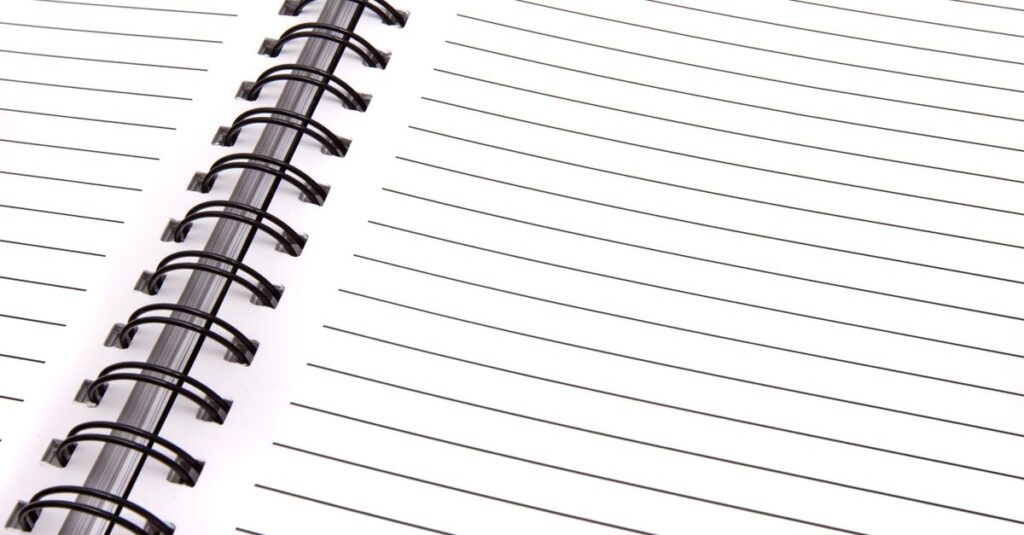
The paper ruling. Single ruled for general notes. Unruled for designers. Graph paper for engineers. You can even do a hybrid — say, the top half of the page is unruled for a diagram, and the bottom half is ruled for notes. I was talking to a client in Bangalore last month — a tech startup — and they ordered notepads with a subtle, light-gray checkbox printed at the top left of every page. Just a tiny box. Their team loved it. It became the place to mark a task complete. A tiny detail that changed how they used the tool.
That’s the thing about customization. It’s not just about your logo looking pretty. It’s about making the tool fit the hand of the person using it. If your current supplier acts like changing the ruling is a major ordeal, it might be time for a chat with someone who does this every day.
How to Actually Evaluate a Supplier (Beyond the Price Tag)
Three things happen when you pick a supplier on price alone. First, you get a sample that’s perfect. Then, the bulk order arrives and the paper feels thinner. The spirals are flimsy. Second, you call them, and suddenly they’re “checking with the factory.” Third, you’re stuck with 10,000 subpar notepads and a department head asking why you bought garbage.
So don’t just look at the quote. Ask for physical samples of the exact product you want to order. Not a glossy brochure. The actual notepad. Test it. Write on it with different pens. Tear a page out. Throw it in your bag for a week and see how the cover holds up.
Ask about production capacity. “Can you handle an order for 50,000 units and deliver them in four weeks?” If they hesitate, that’s your answer. Ask about their paper source. Is it consistent? Can they guarantee the same GSM and quality for re-orders two years from now?
And here’s the real test: ask them a “what if” question. “What if we wanted to change the cover color mid-order?” or “What if we needed an urgent partial shipment?” Their reaction tells you everything. Are they problem-solvers, or are they just order-takers? The good ones will talk you through the process, the cost implications, the timeline. The bad ones will give you a flat “no.”
Frequently Asked Questions
What is the standard page count for an A4 spiral notepad?
There isn’t one “standard,” which is why you need to specify. Common counts are 70, 100, 120, or 150 pages. It depends on use. Thicker pads (150+ pages) are great for long projects, but they get bulky. Lighter pads (70-100 pages) are more portable. For general office use, 100 pages is a solid, versatile choice.
Can you get A4 spiral notepads with perforated pages?
Absolutely. In fact, most decent-quality spiral notepads have perforated pages. It’s a key feature! The perforation should be close to the spiral binding so pages tear out cleanly, leaving a smooth edge. Always check the sample for this. Bad perforation means ragged edges and frustration.
What’s the difference between a notepad and a notebook?
This is semantics, but in the trade, a “notepad” usually implies the pages are perforated and meant to be torn out. A “notebook” implies the pages are bound to stay in, like a journal or exercise book. An A4 spiral can be either, but when businesses order them, they almost always want the perforated, tear-out style for flexibility.
How long does it take to manufacture a bulk custom order?
For a standard custom print run (logo on cover, standard ruling) of, say, 10,000 units, a reliable manufacturer should turn it around in 3-4 weeks. This includes production, quality checks, and packing. More complex customization (custom page layouts, special paper) can add 1-2 weeks. Always build in buffer time.
Are A4 spiral notepads cost-effective for schools?
For student use? Usually not — they’re more expensive than stitched exercise books. But for teacher and administrative use? Very much so. The durability, lay-flat design, and professional look make them ideal for staff rooms, planning, and meetings. Schools often buy them in bulk for their faculty.
The part nobody says out loud.
Ordering stationery feels trivial. Until it isn’t. When you hand out a notepad that falls apart, or has paper that bleeds, you’re telling your team their work isn’t worth a decent tool. It’s a tiny, silent message. Conversely, giving them something that works perfectly — that lays flat, tears cleanly, feels good to write on — removes a friction point. It’s one less thing to think about. And in a busy workday, those friction points add up.
I don’t think the goal is to find the perfect notepad. The goal is to find a supplier who understands that their job is to make your job easier. Someone who sees an order for 5,000 A4 spiral notepads not as a transaction, but as a promise to 5,000 people that their notes matter. That’s the shift. From buying a product to enabling work.
If you’ve read this far, you’re probably not just looking for a notepad. You’re looking for a partner who gets it. That’s a harder search, but it’s the only one that matters in the long run. Maybe start the conversation and see where it goes.