Okay, let's talk about the one binding type everyone knows but nobody really knows
You've got a pile of notebooks to order. 50 pages, 100 pages, maybe a few hundred. The sales rep asks about binding, and you say “stitched” or “spiral” without really thinking about it. I've been on this side of the conversation for a few decades now, and most people just pick the one they remember from last time. But here's the thing — the binding is the spine of the thing. It's what holds the book together while it's being used, thrown in a bag, and passed around an office or classroom. And honestly? Spiral binding is a workhorse. It’s not always the fanciest, but for a lot of jobs, it’s the only one that makes sense.
Let me explain it the way I would to a buyer who’s tired of ordering notebooks that fall apart. It’s more than just wire. It’s about usability, durability, and frankly, cost. This isn't about selling you something. It's about helping you make the right choice so you don't have to re-order in three months.
What Spiral Binding Actually Is (And What People Get Wrong)
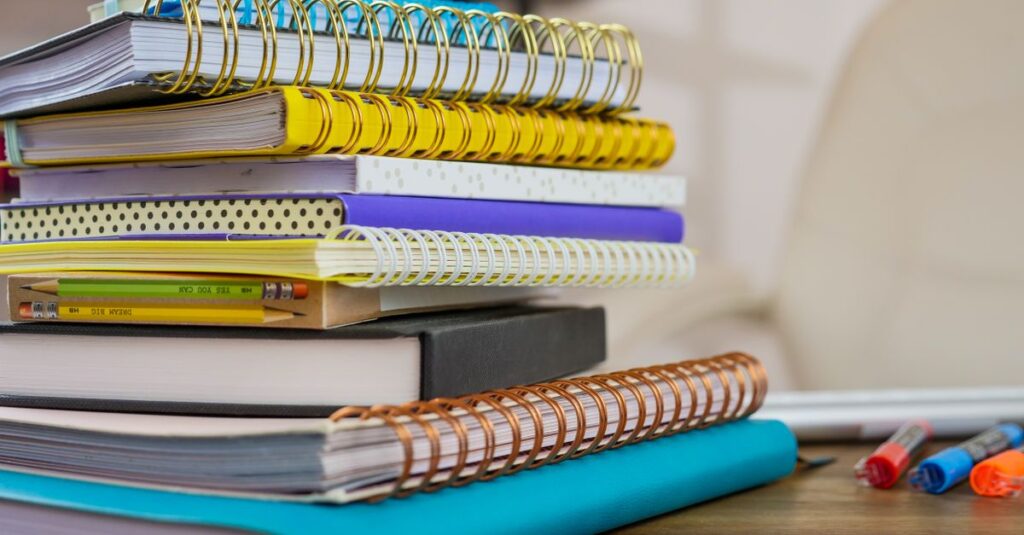
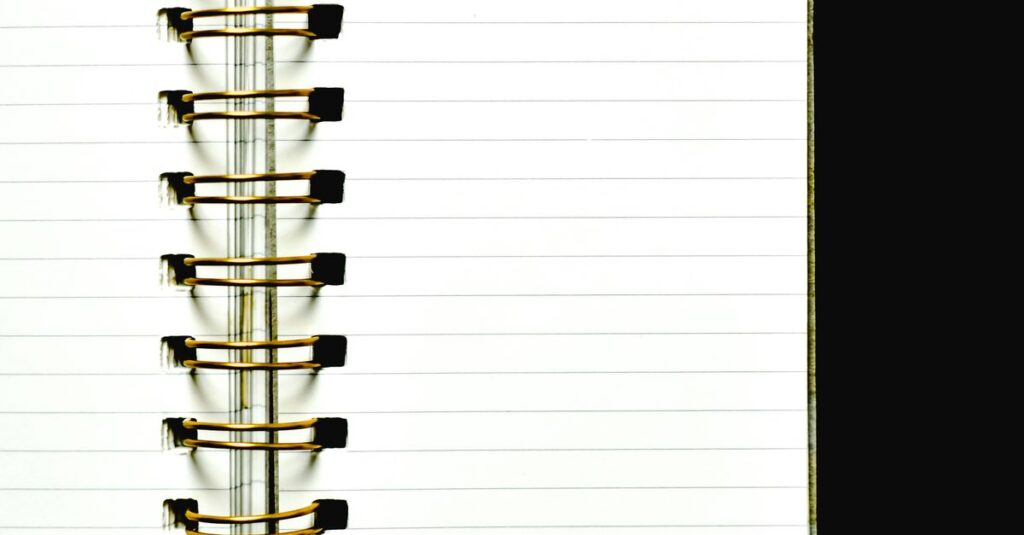
Right. First, the basics. Spiral binding, also called coil binding, is a method where a continuous plastic or metal coil is threaded through a series of holes punched along the edge of the notebook's pages and cover. The coil winds its way through, holding everything together in a way that lets the book lay perfectly flat and fold back on itself.
But here’s where people get it wrong. They think “spiral bound” and picture the cheap, flimsy wire from a low-budget notepad. That's one version. The reality in manufacturing is a lot more interesting. The coil diameter, the material (PVC plastic vs. metal wire), the hole punching pattern — all of this changes the final product dramatically. A 6mm PVC coil for a 200-page corporate diary feels and behaves completely differently from a 10mm metal coil for a 700-page account book. They’re both “spiral bound,” but one is built for daily notes, the other for heavy-duty, constant flipping.
The biggest misconception? That it’s somehow less durable than stitching. For a book that needs to be opened flat, referenced constantly, and survive a year on someone’s desk, a good spiral bind is often the tougher option. The pages aren’t glued; they’re physically held by the coil. If a page gets torn, it doesn’t compromise the whole binding. Stitching can unravel. Spiral binding? The coil has to physically break. Which, if you use the right gauge, is pretty hard to do.
Expert Insight
I was talking to our production manager last week — a guy who’s been running binding machines since before I started — and he said something that stuck with me. He pointed at a stack of spiral-bound drawing books for an art college. “The coil isn’t just holding the pages,” he said. “It’s giving them room to move. Paper expands and contracts with humidity, gets pushed around. A rigid glue bind fights that. The coil accommodates it.” I don’t have a cleaner way to put it than that. The best binding is often the one that works with the material, not against it.
The Real-World Life of a Spiral-Bound Notebook
Let’s put a person in the picture. Meet Ananya. She’s 32, a project manager at a mid-sized IT firm in Hyderabad. Her day starts with a stand-up meeting. She’s got the company-branded notebook from last quarter’s corporate order — spiral bound, 92 pages, navy blue cover with the logo. It’s on the conference table. Open flat. She’s scribbling action items with one hand, holding her coffee with the other. Later, it’s in her tote bag on the drive home. Tomorrow, she’ll flip back three weeks to find a client’s requirement, and the book will lie perfectly flat on her desk while she types. She never thinks about the binding. That’s the point. It just works.
Now imagine that same notebook with a different bind. If it were a stiff perfect-bound notebook (like a paperback), she’d be fighting to keep it open, cracking the spine, maybe even breaking the glue. If it were side-stitched, she couldn’t fold it back completely. The spiral bind? It’s invisible to her. It enables the function of the notebook without getting in the way. For corporate users, students, artists, architects — anyone who needs to reference information while using their hands for something else — this is the only choice. It’s a tool, not a decoration.
Spiral vs. Everything Else: A Straightforward Breakdown
People ask me all the time: “Which one should I pick?” My answer is always: “What’s the job?” Here’s a no-nonsense comparison. I think about this a lot when advising our clients at Sri Rama Notebooks.
| Feature | Spiral Binding | Perfect Binding (Glued) | Saddle Stitching (Stapled) |
|---|---|---|---|
| Lays Flat | Yes, 360 degrees | No, cracks spine | Only if forced |
| Durability (Daily Use) | Very High | Medium (glue fails) | Low (pages pull out) |
| Page Count Range | Up to 700+ pages | Best for 50-300 pages | Max ~100 pages |
| Cost for Bulk Orders | Medium-High | Low-Medium | Very Low |
| Professional Look | Functional, clean | Very professional (like a book) | Casual, simple |
| Best For | Workbooks, diaries, manuals, drawing books | Corporate reports, magazines, premium notebooks | Pamphlets, short guides, basic notebooks |
The table makes it obvious, but let me add one thing. For schools ordering math lab manuals or science record books? Spiral binding is almost non-negotiable. Kids are tough on stuff. They need to trace diagrams, write while the book is open on a lab bench. A glued binding won’t survive the term.
How It’s Actually Made (The Factory Floor View)
Look, I’ll just say it. Most buyers have no idea what goes into making their 10,000-unit order. And they shouldn’t have to! But knowing a bit changes how you order. So here’s the process, stripped down.
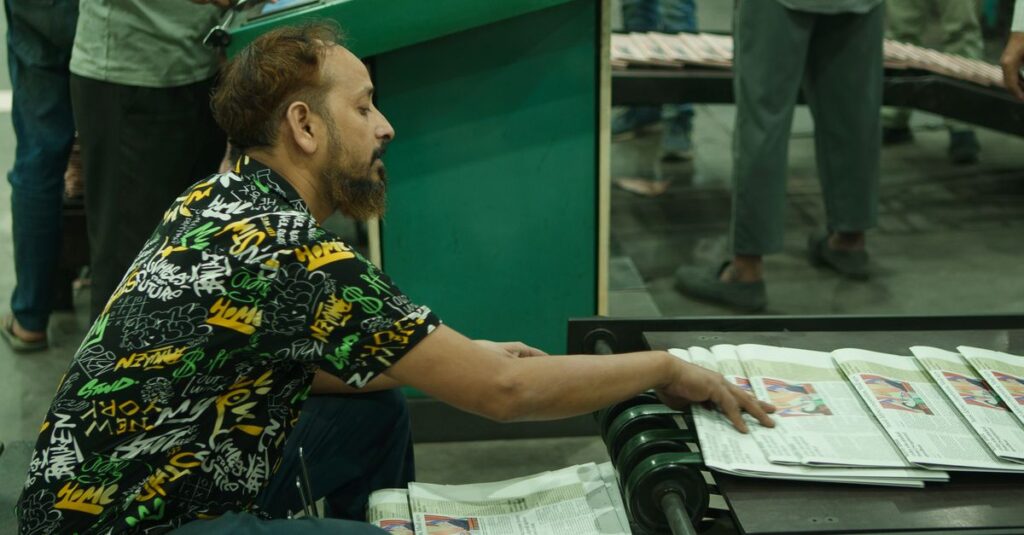
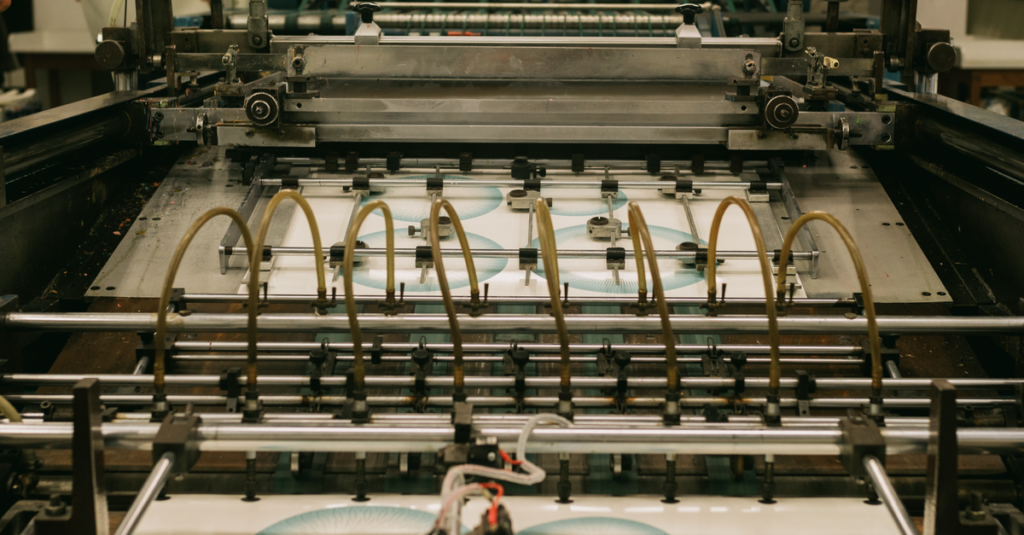
First, the printed and cut pages are stacked. They go into a punching machine. This isn’t a simple hole punch — it’s a die that punches a precise pattern of square or round holes along the entire edge in one go. The alignment here is everything. If it’s off by half a millimeter, the coil won’t thread. Then, the coil — which comes on a big spool, like thread — is fed into a spinning head. The machine “screws” this continuous coil through the holes. It’s mesmerizing to watch. Finally, the ends are crimped so the coil can’t unwind.
The capacity question we get all the time: “Can you do my volume?” Our factory line can handle about 35,000 spiral-bound units a day, give or take. That includes everything from 52-page student notebooks to 320-page ledgers. The limitation is rarely the binding machine itself; it’s the paper preparation and finishing that takes time. And honestly? The biggest headache in spiral binding is getting the hole pattern just right for different paper weights and page counts. Too many holes weakens the page edge. Too few, and the book doesn’t open smoothly. It’s a balance.
When Spiral Binding Is The Wrong Choice
Earlier I made it sound like spiral binding is the answer to everything. That’s not quite fair — it’s more that it solves very specific problems really well. There are times you should avoid it.
If you need a super premium, “gift feel” corporate diary for your top clients? A hardcover, thread-sewn, smyth-bound book is probably what you want. The spiral bind says “practical tool.” The hardcover says “luxury item.” They communicate different things. Also, for very thin books (under 40 pages), the cost and process of spiral binding is often overkill. A simple staple (saddle stitch) is cheaper and faster. And for books that need a super clean, seamless look on the shelf — like a novel or a sleek brand guide — the exposed coil of a spiral bind isn’t the right aesthetic. It’s functional, not minimalist.
Nine times out of ten, though, for institutional buyers — schools, corporate training departments, government offices — function wins over form. You need the book to last, to be usable, and to survive being shared. That’s the spiral bind’s home turf.
Frequently Asked Questions
What's the difference between metal and plastic spiral binding?
Metal coils (wire) are stronger and give a more professional, durable feel. They’re best for heavy-use notebooks, account books, or manuals with high page counts. Plastic coils (PVC) are more flexible, come in colors, and are great for softer-cover books, presentations, or where you want a specific color match. For bulk school notebooks, we often recommend metal for its longevity.
Can spiral-bound notebooks be custom printed with our logo?
Absolutely. That’s one of the most common things we do. The printing happens on the covers and pages before binding. We can print your logo, brand colors, and even custom page layouts (like branded headers). The spiral binding process comes last, so the customization is seamless. You can see some examples of our custom printing work here.
Is spiral binding more expensive than other types?
It can be, yes. The materials (the coil) and the extra machine process add cost compared to simple stapling. But it’s often comparable to or cheaper than high-quality perfect binding. Think of it as a value equation: you pay a bit more per unit for a product that will last significantly longer and perform better. For bulk orders, the per-unit difference shrinks.
What's the maximum page count for a spiral-bound notebook?
It depends on the paper thickness (GSM) and the coil diameter. With a thick enough coil, we can bind over 700 pages. For standard 54-70 GSM paper, a robust 500-page book is very achievable. The key is matching the coil size to the book’s thickness so it opens easily without straining.
Do you export spiral-bound notebooks internationally?
Yes, we do. We regularly supply spiral-bound notebooks, diaries, and account books to buyers in the Gulf, Africa, Europe, and the USA. The binding is actually great for export because it’s so durable during shipping — no glued spines to crack under pressure or humidity changes. Packing them flat is also efficient.
The Takeaway: It's About The Job
So, spiral binding. It’s not glamorous. But it’s honest. It tells you what it is: a durable, functional, hard-working way to hold paper together. For procurement managers ordering for a school district, for a corporate admin sourcing next year’s diaries, for a distributor looking for a product that won’t get returned — this is the detail that matters.
The question isn’t whether spiral binding is “good.” It’s whether it’s right for the specific, tangible job your notebooks need to do. Does it need to lie flat on a lab bench? Survive a year in a sales rep’s bag? Be referenced constantly in a workshop? If the answer is yes, then the conversation isn’t about binding types anymore. It’s about coil size, hole pattern, and delivery timelines. I don’t think there’s one answer for every order. Probably there isn’t. But if you’ve read this far, you already know what you’re looking for in a notebook — you’re just figuring out if it’s okay to prioritize function over everything else. (Spoiler: It is).
If you're evaluating options for a bulk or custom order and want to talk specifics — paper, coil, page count, timelines — that's a conversation we have every day. It might be worth a quick chat to see what makes sense for your needs.