Let’s talk about the real meaning of “best”
Okay, look. When you’re a corporate procurement manager or a school administrator typing “best printing” into Google, you’re not just looking for a nice picture. You’re stressed. You’ve got a budget to hit, a deadline that’s probably already too tight, and you need thousands of notebooks that won’t make you look bad. The covers can’t peel. The ink can’t smear. The logo has to be crisp, every single time.
That phrase — best printing — it means something different to you than it does to, say, someone buying a single journal. For you, it’s about reliability at scale. It’s about a supplier who doesn’t mess up a 50,000-unit order for student notebooks. It’s about not getting a frantic call from the principal because half the batch has misaligned pages. You need the printing that doesn’t just look good on a sample. You need the printing that holds up in the real, messy world of daily use. And honestly? That’s a much taller order.
If you’re deep in that world, what we do might make sense for you.
Why notebook printing is a different beast
Here’s something a lot of general printers won’t tell you: printing on a notebook cover is not the same as printing a brochure. Not even close. I’ve seen companies with amazing digital printers for flyers completely fail when they try to run thick cover stock. The paper, the binding, the handling — it all changes the game.
The “best printing” for notebooks comes down to three things that are non-negotiable in bulk orders: registration, opacity, and durability. Registration means everything lines up perfectly — the front cover design with the back, the spine text in the center. Opacity means the ink fully covers the paper, so you don’t see the paper color through a solid corporate blue logo. And durability? That’s the real test. Will the cover scuff in transit? Will the ink crack when the notebook is bent open a hundred times?
Most corporate buyers find this out the hard way. They go with the cheapest quote, the one that looks okay on a single proof. Then the pallets arrive, and the first layer looks fine, but the ones underneath? The pressure from shipping has caused a slight “ghosting” on every cover. It’s a headache, honestly.
Micro-story: Priya’s school order
Priya, 42, procurement officer for a chain of private schools in Hyderabad. She ordered 20,000 custom notebooks for the new academic year. The sample was beautiful—glossy cover, vibrant school crest. The full delivery arrived two weeks before term started. She opened a box at random. The crest was off-center by maybe 3 millimeters. She opened another. Same thing. Not enough to reject the whole order, but enough that every teacher would notice. Every. Single. Time. They handed one out. She spent the next week in meetings justifying the purchase, instead of moving on to the next order. Her vendor’s press wasn’t calibrated for a run that long. That’s the difference between good printing and the best printing for notebooks.
Which is… a lot to sit with.
Offset vs. Digital: The bulk buyer’s actual dilemma
You’ll hear a lot about this. And the standard line is “offset for bulk, digital for short runs.” That’s mostly true, but it’s too clean. The real question for you is about flexibility and consistency.
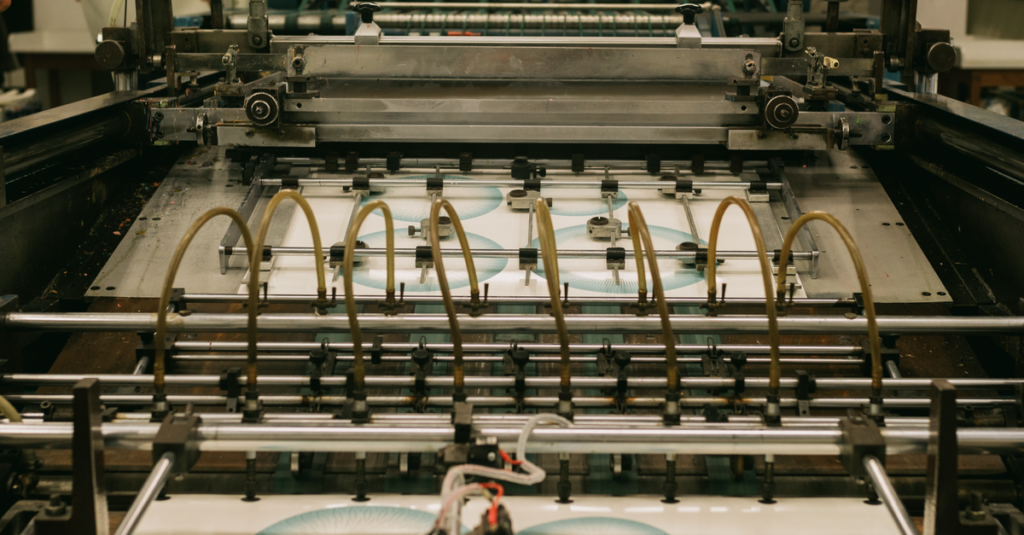
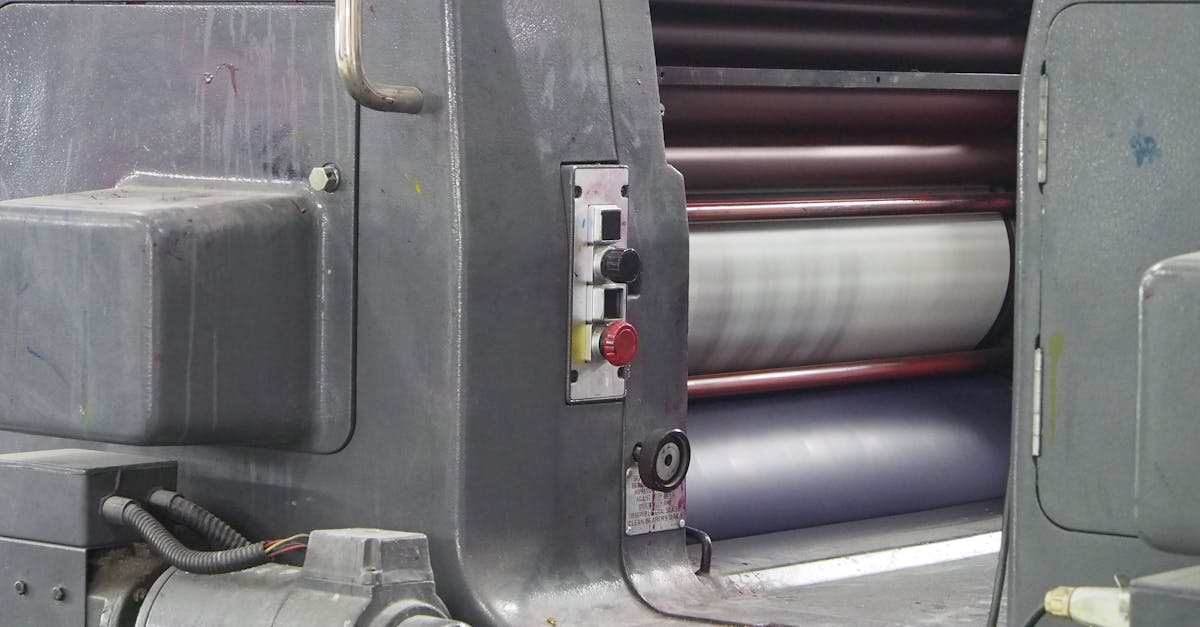
Offset printing is what we’ve used for decades. It’s how you get that rich, solid, consistent color across 40,000 identical diaries. Once the metal plates are made, every impression is the same. The cost per unit drops to almost nothing after a few thousand. This is the workhorse. This is what gives government institutions the uniform look they need across a five-year supply of account books.
Digital printing is incredible—for variation. Need 5,000 notebooks, but each department gets a different cover? Digital is your friend. No plates, faster setup. But. And this is a big but I don’t hear enough people talk about. The color consistency from the first notebook to the 5,000th can drift. Slightly. The toner or inkjet can behave differently as the machine heats up over a long run.
So, “best” here isn’t about the technology. It’s about matching the technology to your need for sameness. Is absolute, perfect uniformity across the entire batch the most important thing? Then you’re probably an offset buyer, even for a run of 2,000.
| Factor | Offset Printing | Digital Printing |
|---|---|---|
| Best For Run Size | Large bulk (5,000+ units) | Short runs & variable data (50 – 5,000 units) |
| Color Consistency | Exceptional across entire batch | Very good, but can have minor drift |
| Setup Cost & Time | Higher cost, longer setup (plates) | Lower cost, very fast setup |
| Paper & Cover Flexibility | Handles a wider range of paper stocks | More limited by machine specs |
| Cost Per Unit Trend | Plummets with higher quantity | Stays relatively flat |
| Ideal Use Case | Corporate diaries, school notebooks, any single-design bulk order | Personalized gifts, pilot runs, multi-version marketing kits |
Anyway. Where was I.
The stuff nobody puts in the brochure (but matters every day)
Durability. I mentioned it earlier, but let’s get specific. The best printing in the world is useless if it doesn’t survive.
- Binding glue: Sounds boring. Until a spiral-bound notebook’s cover rips off because the print and coating created a surface the glue couldn’t bond to. The printing process and the binding process have to talk to each other. Most factories treat them as separate steps. They shouldn’t.
- Lamination: Matt or gloss? Gloss looks premium, but shows every fingerprint. Matt is classy and hides wear, but can sometimes mute colors. A good manufacturer will test this with you. They’ll send you scratched samples. Seriously. Ask for that.
- Ink cracking: This is the test. Bend a printed cover back on itself. Hear a crackle? See tiny white lines? That’s the ink film breaking. It’ll look terrible in three months. The best printing uses inks formulated for flexibility on that specific cover stock.
I was talking to a distributor from Kenya about this last week — over a really bad Zoom connection, actually — and he said something obvious that stuck with me. He said, “My customers don’t complain about the price. They complain about the notebook that falls apart in a student’s bag.” The printing is the first thing they see, but the durability is what they remember.
Expert Insight
I was reading an old trade journal a while back, and this one line from a press operator has never left me. He said — and I’m paraphrasing here — “Anyone can make one perfect copy. A printer’s job is to make the ten-thousandth copy identical to the first, long after the machine is hot and everyone is tired.” I think about that all the time when we run overnight shifts for a big school order. That’s the silent, unglamorous heart of the “best printing” for bulk. It’s not about artistry. It’s about robotic consistency when human fatigue is at its highest. The more capable the machine and the team, the harder they work to hide the effort.
I don’t have a cleaner way to put it than that.
How to actually vet a notebook printing supplier
So you’re looking at quotes. Three, maybe four companies. The specs look similar. The prices are within 10%. How do you choose? Stop looking at the brochure. Start asking operational questions.
- Ask for “live” samples, not just proofs. Don’t accept a single, hand-made perfect sample. Ask them to send you five random notebooks pulled from the middle of a recent production run. Check for consistency.
- Visit the factory if you can. I know, time is tight. But if your order is over 50,000 units, get on a plane. See the stacks of paper. See how they handle half-finished product. Is it clean? Organized? Chaos on the floor often means chaos in the quality.
- Ask about their paper source. The best printing is only as good as the paper underneath. Consistent paper quality from a known mill means consistent printing results. If they buy the cheapest paper on the market each month, your color will shift with every batch.
- Pressure-test their logistics. “What happens if 10% of the shipment is damaged in transit?” If they say “That never happens,” they’re lying. Things happen. You want to hear a clear, fair process for making it right, not a deflection.
This might sound basic, but you’d be surprised how many buyers just compare price per unit and a shiny PDF. The real cost isn’t the unit price. It’s the cost of managing a failure.
Right.
Wrapping it up (sort of)
Look, the quest for the best printing isn’t really about finding a vendor. It’s about finding a partner who understands that your reputation is on the line with every notebook that leaves your warehouse. It’s about consistency over charm, durability over dazzle. For schools, it’s a tool that has to last a year. For corporations, it’s a brand impression that sits on a desk for months.
I think — and I could be wrong — that most people know this already. They just need confirmation that it’s okay to prioritize the boring stuff (like binding glue compatibility) over the exciting stuff (like a flashy metallic ink). It is okay. In fact, it’s the whole game.
The question isn’t whether you need quality printing. It’s whether you’re ready to look past the marketing and find the shop that sweats the small stuff, so you don’t have to. Maybe start by seeing how a manufacturer that’s been doing this since 1985 talks about it.
Frequently Asked Questions
What is the most durable type of printing for corporate diaries?
For heavy-use items like corporate diaries, offset printing with a protective matte or gloss lamination is typically the most durable. The lamination acts as a scratch-resistant layer over the ink. The key is using inks formulated for flexibility so they don’t crack when the leather-grain or hardcover is opened repeatedly.
How do I ensure color consistency across multiple bulk notebook orders?
You need to work with a manufacturer that uses a standardized color matching system like Pantone (PMS) for spot colors, or precise CMYK profiles for process printing. Provide a physical color reference sample and insist it’s matched at the start of each new production run, even if it’s the “same” order from last year. Paper batch changes can affect color.
What’s the minimum order quantity for custom printed notebooks?
It varies wildly. For digital printing, you can sometimes find MOQs as low as 50-100 pieces, but the cost per unit is high. For the cost-effective, high-quality offset printing that’s best for bulk, most serious manufacturers need a minimum of 1,000 to 2,000 notebooks per design to make the plate setup worthwhile. For schools and corporates, that’s usually not a problem.
Can you print on all types of notebook covers?
Mostly, but not all. Standard paperboard, laminated covers, and certain synthetic materials take print beautifully. Some raw, uncoated kraft papers or textured “felt” covers can be trickier—the ink can soak in and look faded. A good manufacturer will test your specific cover material and recommend the best printing method and ink type for it.
How long does bulk notebook printing production usually take?
From final approved artwork to shipped goods, plan for 4-6 weeks for a typical bulk order (10,000-50,000 units). This includes time for proofs, material sourcing, printing, binding, drying, quality check, and packing. Rush jobs are possible but risk quality and cost significantly more. Always build buffer time into your project plan.
I don’t think there’s one single answer to what “best printing” is. Probably there isn’t. But if you’ve read this far, you already know what you’re looking for — you’re just figuring out if it’s okay to demand it from your supplier. It is. Sometimes it helps to talk it through with someone who’s been on the production side.